

Classic mixed vegetables, frozen, cooked, fat added, NS as to fat type
Common food
A convenient medley of classic vegetables—typically carrots, peas, corn, and green beans—flash-frozen at peak freshness and cooked with a touch of added fat for richness. The texture is tender yet firm, with a sweet, earthy flavor profile that carries the natural sugars of corn and carrots. At just 86 calories per 100g, it delivers a solid 4.3g of fiber, making it a nutrient-dense, low-calorie side dish.
Calorie split: 13% protein · 59% carbs · 28% fat
↓ Full nutrition💚 Why it's loved
People love this mix for its effortless convenience and comforting, familiar taste that pairs with almost any main course. The blend of sweet corn, earthy peas, and tender carrots offers a satisfying, balanced flavor that appeals to both children and adults.
⚠️ Watch-outs & how to enjoy it better
The added fat can increase calorie content, and some brands may use high-sodium sauces or preservatives that aren't ideal for those monitoring salt intake. To counteract this, choose low-sodium versions, pair with a protein source like grilled chicken or fish to balance blood sugar, and control portions to keep fat and calorie intake in check.
Key benefits
- High in dietary fiber (4.3g per 100g) for digestive health and satiety.
- Low-calorie (86 kcal per 100g) and low-fat (2.69g) option for weight management.
- Good source of plant-based protein (2.78g per 100g) for a vegetable dish.
- Retains vitamins and minerals better than fresh vegetables due to flash-freezing.
- Convenient and time-saving with minimal preparation required.
🍽️ Popular dishes
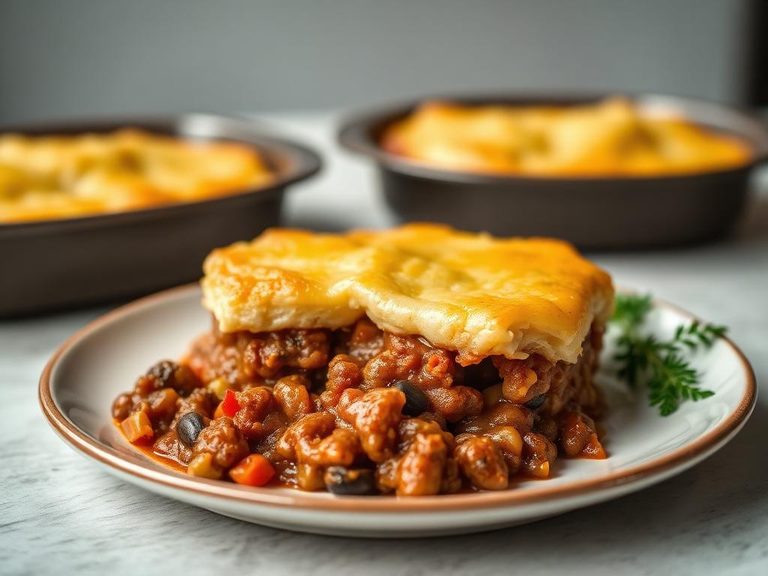
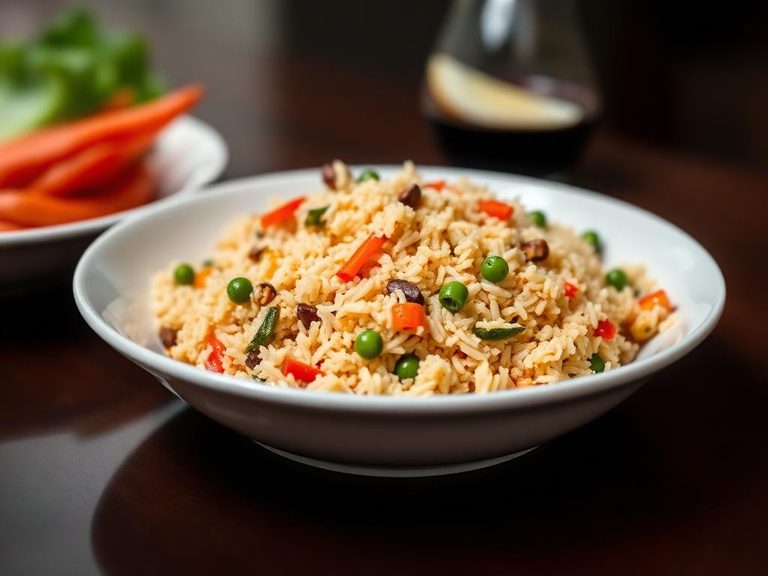
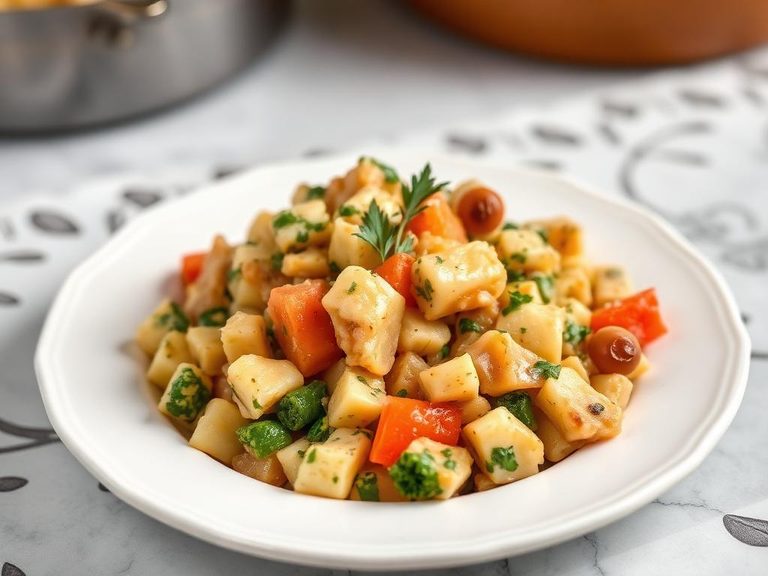
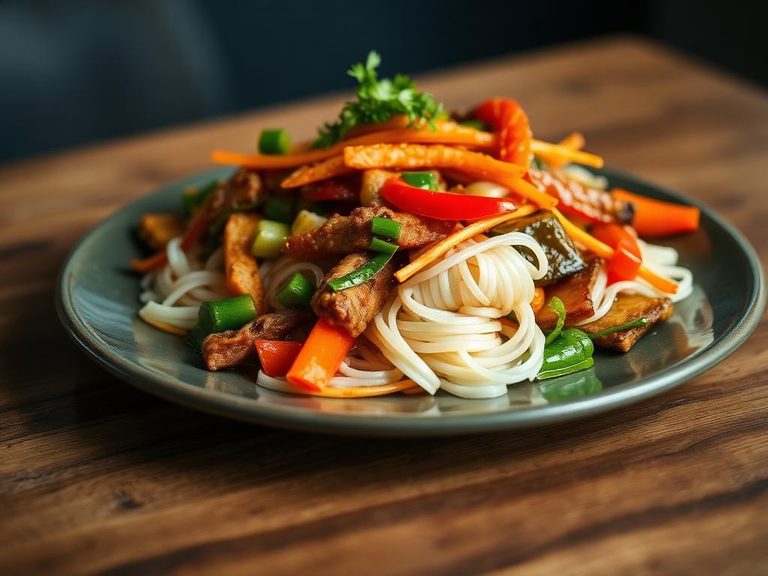
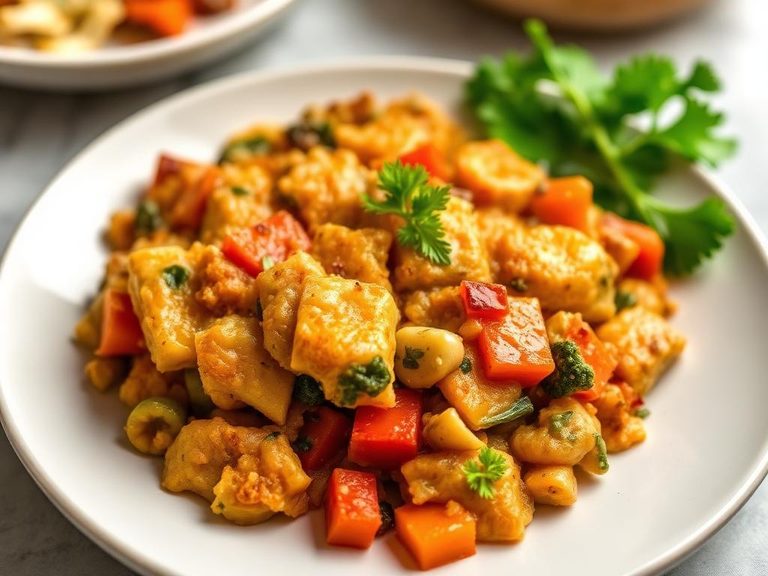
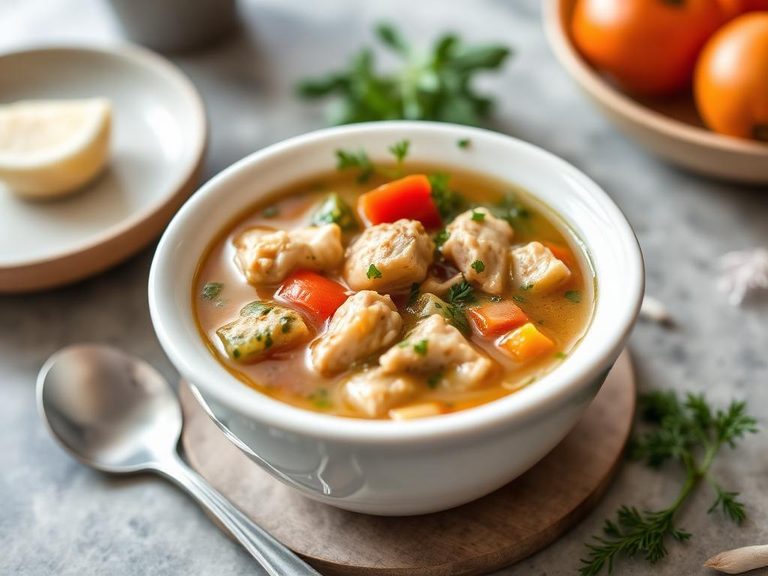
🌍 Where it's eaten
💡 Did you know?
The practice of flash-freezing vegetables was pioneered by Clarence Birdseye in the 1920s, and it actually preserves more nutrients than fresh vegetables that have been stored for days, as the freezing process halts nutrient degradation.
Full nutrition (USDA data · scales with serving)
| Water | 80.9 g |
| Energy | 86.0 kcal |
| Protein | 2.8 g |
| Total lipid (fat) | 2.7 g |
| Carbohydrate, by difference | 12.7 g |
| Fiber, total dietary | 4.3 g |
| Total Sugars | 3.0 g |
| Calcium, Ca | 25.0 mg |
| Iron, Fe | 0.80 mg |
| Magnesium, Mg | 21.0 mg |
| Phosphorus, P | 50.0 mg |
| Potassium, K | 164 mg |
| Sodium, Na | 155 mg |
| Zinc, Zn | 0.48 mg |
| Copper, Cu | 0.08 mg |
| Selenium, Se | 0.30 ug |
| Vitamin C, total ascorbic acid | 3.1 mg |
| Thiamin | 0.07 mg |
| Riboflavin | 0.12 mg |
| Niacin | 0.82 mg |
| Vitamin B-6 | 0.09 mg |
| Folate, total | 18.0 ug |
| Folic acid | 0.00 ug |
| Folate, food | 18.0 ug |
| Folate, DFE | 18.0 ug |
| Choline, total | 23.6 mg |
| Vitamin B-12 | 0.00 ug |
| Vitamin B-12, added | 0.00 ug |
| Vitamin A, RAE | 219 ug |
| Retinol | 11.0 ug |
| Carotene, beta | 2020 ug |
| Carotene, alpha | 937 ug |
| Cryptoxanthin, beta | 0.00 ug |
| Lycopene | 0.00 ug |
| Lutein + zeaxanthin | 617 ug |
| Vitamin E (alpha-tocopherol) | 0.75 mg |
| Vitamin E, added | 0.00 mg |
| Vitamin D (D2 + D3) | 0.00 ug |
| Vitamin K (phylloquinone) | 24.8 ug |
| Alcohol, ethyl | 0.00 g |
| Caffeine | 0.00 mg |
| Theobromine | 0.00 mg |
Fat & fatty acid profile (per 100g)
| Fatty acids, total saturated | 0.70 g |
| SFA 4:0 | 0.02 g |
| SFA 6:0 | 0.01 g |
| SFA 8:0 | 0.01 g |
| SFA 10:0 | 0.02 g |
| SFA 12:0 | 0.02 g |
| SFA 14:0 | 0.06 g |
| SFA 16:0 | 0.39 g |
| SFA 18:0 | 0.14 g |
| Fatty acids, total monounsaturated | 0.91 g |
| MUFA 16:1 | 0.01 g |
| MUFA 18:1 | 0.88 g |
| MUFA 20:1 | 0.01 g |
| MUFA 22:1 | 0.00 g |
| Fatty acids, total polyunsaturated | 0.80 g |
| PUFA 18:2 | 0.70 g |
| PUFA 18:3 | 0.10 g |
| PUFA 18:4 | 0.00 g |
| PUFA 20:4 | 0.00 g |
| PUFA 20:5 n-3 (EPA) | 0.00 g |
| PUFA 22:5 n-3 (DPA) | 0.00 g |
| PUFA 22:6 n-3 (DHA) | 0.00 g |
| Cholesterol | 2.0 mg |
FAQ
Is frozen mixed vegetable as nutritious as fresh?
Yes, frozen vegetables are often more nutritious than fresh ones that have been stored for days, as they are flash-frozen at peak ripeness, which locks in vitamins and minerals.
Can I eat frozen mixed vegetables without cooking them?
While you can eat them raw, they are typically cooked before consumption for better texture and digestibility. Cooking also helps release nutrients and improve flavor.
How do I reduce the added fat in frozen mixed vegetables?
Choose brands that are labeled 'no added fat' or 'plain,' and cook them with a small amount of healthy oil or broth instead of the included fat. You can also rinse them lightly to remove excess fat.
Nutrient density (calculated · NRF9.3)
Nutrient Rich Foods index: beneficial nutrients (protein, fiber, vitamins, minerals) minus saturated fat, added sugar & sodium, per 100 kcal.
NRF9.3 index — Fulgoni, Keast & Drewnowski, 2009. Computed from USDA nutrients.
Weight-loss friendliness (composite index)
Energy density 0.86 kcal/g · 13% calories from protein · 4.3 g fiber · 3.0 g sugar per 100 g.
Composite of energy density (Rolls et al., 1999), protein & fiber satiety, minus sugar. A calculated heuristic — ranks satiety-per-calorie, not a clinical measure.
Dietary load (calculated from USDA values)
Potential renal acid load. Positive = acid-forming, negative = alkaline-forming.
Sodium-to-potassium ratio: 0.95 (lower is better — aim for ≤ 1)
Sodium:potassium per WHO potassium guidance. Computed from USDA nutrients.