

Classic mixed vegetables, canned, cooked, fat added, NS as to fat type
Common food
A colorful medley of tender-crisp vegetables like carrots, peas, corn, and green beans, preserved and pre-cooked for convenience. The texture is uniformly soft with a slight bite, offering a mild, sweet, and savory flavor profile. Nutritionally, it provides a balanced mix of carbs, fiber, and a modest amount of protein with minimal calories.
Calorie split: 12% protein · 48% carbs · 40% fat
↓ Full nutrition💚 Why it's loved
People love it for its ultimate convenience and nostalgic comfort, often evoking memories of home-cooked meals. Its versatility makes it a reliable pantry staple that can be quickly added to countless dishes for color, texture, and nutrition.
⚠️ Watch-outs & how to enjoy it better
The primary downside is the potential for added sodium from the canning brine and the loss of some heat-sensitive vitamins during processing. To counteract this, rinse the vegetables thoroughly under cold water to reduce sodium by up to 40%, and pair them with a fresh, vitamin-C-rich food like bell peppers or a squeeze of lemon to aid iron absorption.
Key benefits
- Provides a convenient source of dietary fiber and micronutrients
- Low in calories, supporting weight management goals
- Offers a mix of plant-based proteins from legumes and grains
- Long shelf life reduces food waste
- Quick base for soups, stews, and side dishes
🍽️ Popular dishes
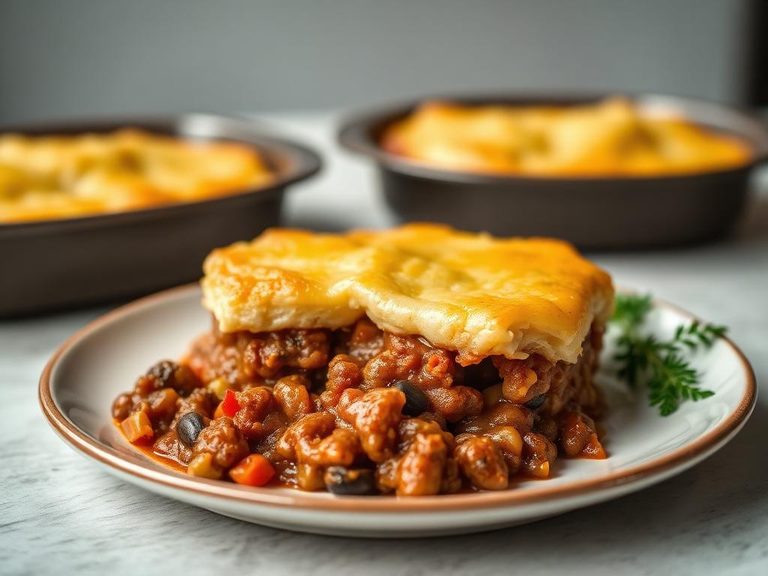

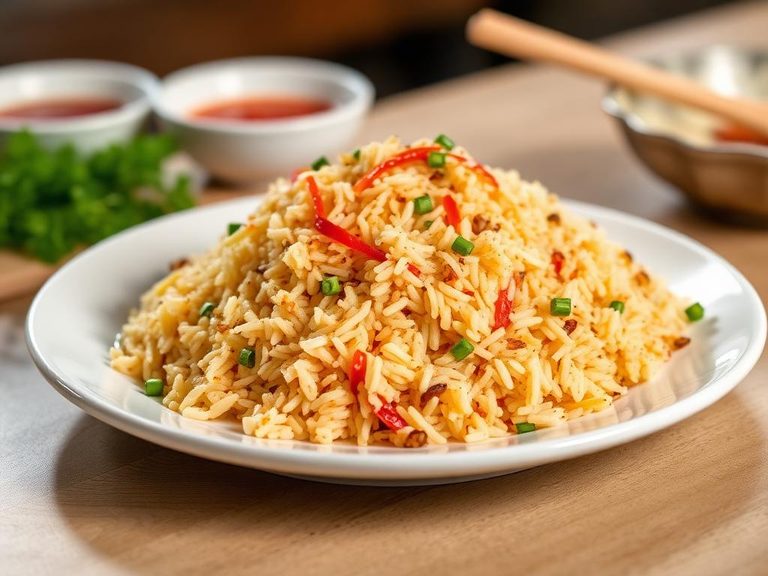
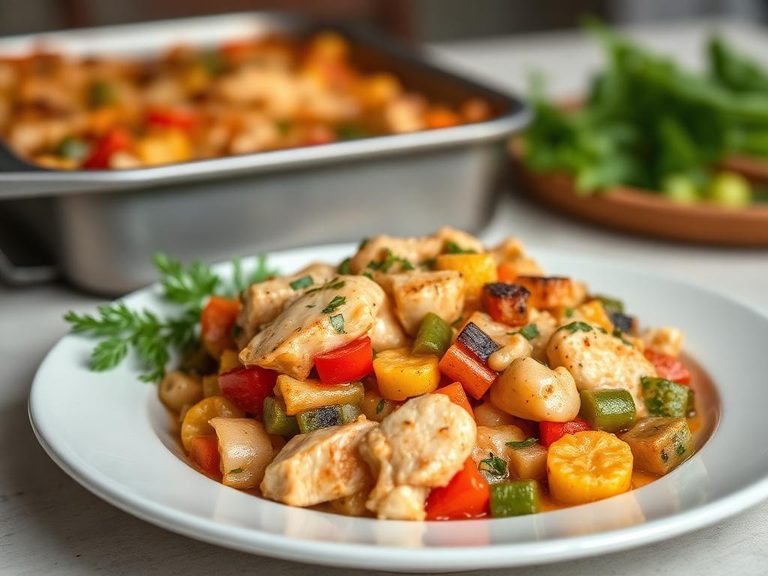
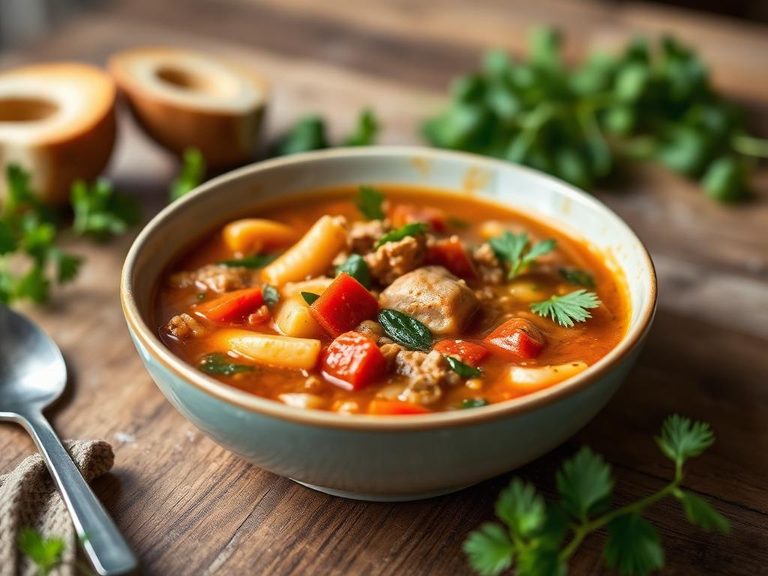

🌍 Where it's eaten
💡 Did you know?
The specific mix and cut size of vegetables in canned 'mixed vegetables' are standardized by industry guidelines to ensure consistent cooking times and texture in final dishes.
Full nutrition (USDA data · scales with serving)
| Water | 85.3 g |
| Energy | 68.0 kcal |
| Protein | 2.1 g |
| Total lipid (fat) | 3.2 g |
| Carbohydrate, by difference | 8.6 g |
| Fiber, total dietary | 2.5 g |
| Total Sugars | 2.7 g |
| Calcium, Ca | 21.0 mg |
| Iron, Fe | 0.70 mg |
| Magnesium, Mg | 13.0 mg |
| Phosphorus, P | 39.0 mg |
| Potassium, K | 125 mg |
| Sodium, Na | 252 mg |
| Zinc, Zn | 0.35 mg |
| Copper, Cu | 0.07 mg |
| Selenium, Se | 0.80 ug |
| Vitamin C, total ascorbic acid | 2.5 mg |
| Thiamin | 0.04 mg |
| Riboflavin | 0.05 mg |
| Niacin | 0.67 mg |
| Vitamin B-6 | 0.07 mg |
| Folate, total | 24.0 ug |
| Folic acid | 0.00 ug |
| Folate, food | 24.0 ug |
| Folate, DFE | 24.0 ug |
| Choline, total | 17.0 mg |
| Vitamin B-12 | 0.00 ug |
| Vitamin B-12, added | 0.00 ug |
| Vitamin A, RAE | 162 ug |
| Retinol | 11.0 ug |
| Carotene, beta | 1457 ug |
| Carotene, alpha | 707 ug |
| Cryptoxanthin, beta | 11.0 ug |
| Lycopene | 0.00 ug |
| Lutein + zeaxanthin | 590 ug |
| Vitamin E (alpha-tocopherol) | 0.68 mg |
| Vitamin E, added | 0.00 mg |
| Vitamin D (D2 + D3) | 0.00 ug |
| Vitamin K (phylloquinone) | 22.9 ug |
| Alcohol, ethyl | 0.00 g |
| Caffeine | 0.00 mg |
| Theobromine | 0.00 mg |
Fat & fatty acid profile (per 100g)
| Fatty acids, total saturated | 0.79 g |
| SFA 4:0 | 0.02 g |
| SFA 6:0 | 0.01 g |
| SFA 8:0 | 0.01 g |
| SFA 10:0 | 0.02 g |
| SFA 12:0 | 0.02 g |
| SFA 14:0 | 0.07 g |
| SFA 16:0 | 0.47 g |
| SFA 18:0 | 0.15 g |
| Fatty acids, total monounsaturated | 1.0 g |
| MUFA 16:1 | 0.01 g |
| MUFA 18:1 | 0.98 g |
| MUFA 20:1 | 0.01 g |
| MUFA 22:1 | 0.00 g |
| Fatty acids, total polyunsaturated | 1.0 g |
| PUFA 18:2 | 0.88 g |
| PUFA 18:3 | 0.14 g |
| PUFA 18:4 | 0.00 g |
| PUFA 20:4 | 0.00 g |
| PUFA 20:5 n-3 (EPA) | 0.00 g |
| PUFA 22:5 n-3 (DPA) | 0.00 g |
| PUFA 22:6 n-3 (DHA) | 0.00 g |
| Cholesterol | 2.0 mg |
FAQ
Is canned mixed vegetable as nutritious as fresh?
Canned vegetables are picked at peak ripeness and preserved quickly, locking in many nutrients. While some heat-sensitive vitamins (like Vitamin C) may be reduced, the fiber, minerals, and many antioxidants remain stable. They are a nutritious and accessible option year-round.
How can I improve the texture of canned mixed vegetables?
To avoid mushiness, add them at the very end of cooking for dishes like stir-fries or fried rice. For a better texture in casseroles or pies, you can briefly sauté them in a pan with a little oil to evaporate excess moisture and add a slight caramelization.
What does 'NS as to fat type' mean on the label?
This stands for 'Not Specified as to fat type.' It means the product contains added fat (likely oil or butter) for flavor and texture, but the manufacturer has not specified which particular type of fat was used.
Nutrient density (calculated · NRF9.3)
Nutrient Rich Foods index: beneficial nutrients (protein, fiber, vitamins, minerals) minus saturated fat, added sugar & sodium, per 100 kcal.
NRF9.3 index — Fulgoni, Keast & Drewnowski, 2009. Computed from USDA nutrients.
Weight-loss friendliness (composite index)
Energy density 0.68 kcal/g · 12% calories from protein · 2.5 g fiber · 2.7 g sugar per 100 g.
Composite of energy density (Rolls et al., 1999), protein & fiber satiety, minus sugar. A calculated heuristic — ranks satiety-per-calorie, not a clinical measure.
Dietary load (calculated from USDA values)
Potential renal acid load. Positive = acid-forming, negative = alkaline-forming.
Sodium-to-potassium ratio: 2.02 (lower is better — aim for ≤ 1)
Sodium:potassium per WHO potassium guidance. Computed from USDA nutrients.