

Classic mixed vegetables, canned, cooked, no added fat
Common food
A humble yet versatile medley of carrots, peas, corn, and green beans, this canned classic offers a soft, slightly crisp texture with a mild, sweet-savory flavor. Nutritionally, it's a low-calorie, high-fiber side dish that provides a modest protein boost and a spectrum of vitamins from its diverse vegetable components.
Calorie split: 17% protein · 71% carbs · 12% fat
↓ Full nutrition💚 Why it's loved
People love it for its comforting, nostalgic flavor and incredible convenience, making it a go-to for quick weeknight dinners. Its mild taste and varied textures allow it to seamlessly absorb sauces and seasonings, fitting into countless dishes from casseroles to stir-fries.
⚠️ Watch-outs & how to enjoy it better
The canning process can lead to a softer texture and a loss of some heat-sensitive vitamins like vitamin C. Those monitoring sodium intake should be cautious, as canned vegetables often contain added salt; look for 'no salt added' versions or rinse the vegetables thoroughly in a colander under cold water to reduce sodium content by up to 40%.
Key benefits
- Excellent source of dietary fiber (2.6g per 100g)
- Very low in fat (0.65g per 100g)
- Good source of plant-based protein (2.11g per 100g)
- Provides a mix of vitamins A, C, and K from its vegetable blend
- Convenient, shelf-stable, and ready to eat
🍽️ Popular dishes
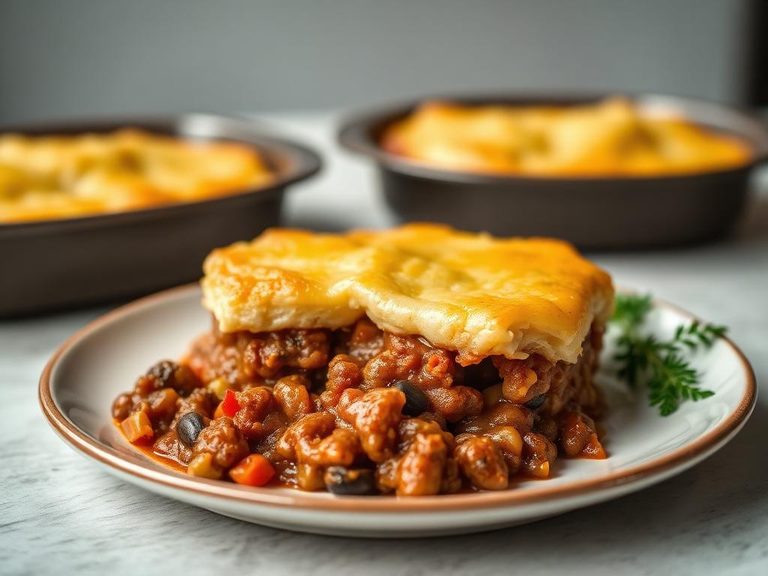
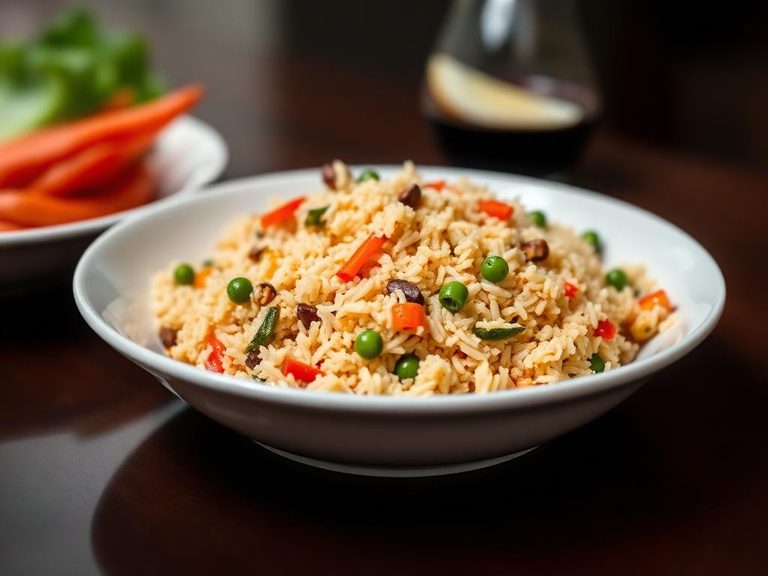

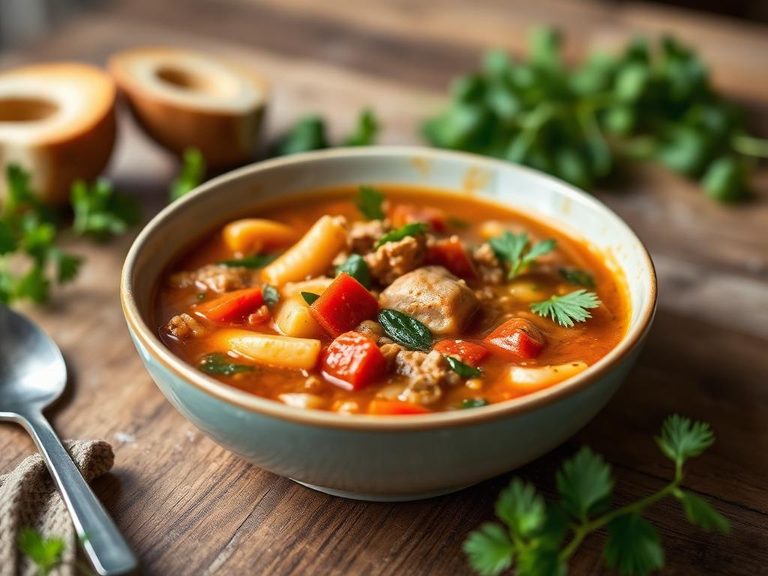
🌍 Where it's eaten
💡 Did you know?
The specific combination of carrots, peas, corn, and green beans in this mix is often referred to as a 'succotash' variant, though true succotash is primarily a Native American dish featuring lima beans and corn.
Full nutrition (USDA data · scales with serving)
| Water | 87.6 g |
| Energy | 46.0 kcal |
| Protein | 2.1 g |
| Total lipid (fat) | 0.65 g |
| Carbohydrate, by difference | 8.8 g |
| Fiber, total dietary | 2.6 g |
| Total Sugars | 2.8 g |
| Calcium, Ca | 22.0 mg |
| Iron, Fe | 0.72 mg |
| Magnesium, Mg | 13.0 mg |
| Phosphorus, P | 40.0 mg |
| Potassium, K | 128 mg |
| Sodium, Na | 250 mg |
| Zinc, Zn | 0.36 mg |
| Copper, Cu | 0.07 mg |
| Selenium, Se | 0.80 ug |
| Vitamin C, total ascorbic acid | 2.6 mg |
| Thiamin | 0.04 mg |
| Riboflavin | 0.05 mg |
| Niacin | 0.69 mg |
| Vitamin B-6 | 0.06 mg |
| Folate, total | 24.0 ug |
| Folic acid | 0.00 ug |
| Folate, food | 24.0 ug |
| Folate, DFE | 24.0 ug |
| Choline, total | 17.2 mg |
| Vitamin B-12 | 0.00 ug |
| Vitamin B-12, added | 0.00 ug |
| Vitamin A, RAE | 155 ug |
| Retinol | 0.00 ug |
| Carotene, beta | 1495 ug |
| Carotene, alpha | 728 ug |
| Cryptoxanthin, beta | 11.0 ug |
| Lycopene | 0.00 ug |
| Lutein + zeaxanthin | 607 ug |
| Vitamin E (alpha-tocopherol) | 0.31 mg |
| Vitamin E, added | 0.00 mg |
| Vitamin D (D2 + D3) | 0.00 ug |
| Vitamin K (phylloquinone) | 21.4 ug |
| Alcohol, ethyl | 0.00 g |
| Caffeine | 0.00 mg |
| Theobromine | 0.00 mg |
Fat & fatty acid profile (per 100g)
| Fatty acids, total saturated | 0.13 g |
| SFA 4:0 | 0.00 g |
| SFA 6:0 | 0.00 g |
| SFA 8:0 | 0.00 g |
| SFA 10:0 | 0.00 g |
| SFA 12:0 | 0.00 g |
| SFA 14:0 | 0.00 g |
| SFA 16:0 | 0.11 g |
| SFA 18:0 | 0.02 g |
| Fatty acids, total monounsaturated | 0.12 g |
| MUFA 16:1 | 0.00 g |
| MUFA 18:1 | 0.12 g |
| MUFA 20:1 | 0.00 g |
| MUFA 22:1 | 0.00 g |
| Fatty acids, total polyunsaturated | 0.30 g |
| PUFA 18:2 | 0.24 g |
| PUFA 18:3 | 0.06 g |
| PUFA 18:4 | 0.00 g |
| PUFA 20:4 | 0.00 g |
| PUFA 20:5 n-3 (EPA) | 0.00 g |
| PUFA 22:5 n-3 (DPA) | 0.00 g |
| PUFA 22:6 n-3 (DHA) | 0.00 g |
| Cholesterol | 0.00 mg |
FAQ
Is canned mixed vegetable as nutritious as fresh?
It's a close contender. While canning can reduce some heat-sensitive vitamins (like Vitamin C), it preserves others well and makes nutrients like fiber and beta-carotene more bioavailable. It's a nutritious, affordable, and convenient option year-round.
How can I improve the texture of canned mixed vegetables?
For a firmer texture and fresher taste, try sautéing them in a hot pan with a little oil or butter for 3-5 minutes after draining. This can also help evaporate any 'canned' flavor and add a pleasant caramelization.
What's the best way to use the leftover liquid from the can?
The liquid, or 'pot liquor,' is packed with water-soluble vitamins and minerals. You can use it as a flavorful base for soups, stews, or gravies instead of water to boost both nutrition and vegetable flavor in your dish.
Nutrient density (calculated · NRF9.3)
Nutrient Rich Foods index: beneficial nutrients (protein, fiber, vitamins, minerals) minus saturated fat, added sugar & sodium, per 100 kcal.
NRF9.3 index — Fulgoni, Keast & Drewnowski, 2009. Computed from USDA nutrients.
Weight-loss friendliness (composite index)
Energy density 0.46 kcal/g · 18% calories from protein · 2.6 g fiber · 2.8 g sugar per 100 g.
Composite of energy density (Rolls et al., 1999), protein & fiber satiety, minus sugar. A calculated heuristic — ranks satiety-per-calorie, not a clinical measure.
Dietary load (calculated from USDA values)
Potential renal acid load. Positive = acid-forming, negative = alkaline-forming.
Sodium-to-potassium ratio: 1.95 (lower is better — aim for ≤ 1)
Sodium:potassium per WHO potassium guidance. Computed from USDA nutrients.