

Chickpea flour (besan)
Whole food · Legumes and Legume Products

Photo: Wikipedia
Chickpea flour, also known as besan or gram flour, is a fine, pale-yellow powder made from ground dried chickpeas. It has a distinctive nutty, earthy flavor with a subtle bitterness and a dense, slightly gritty texture when raw that transforms into a smooth, savory base when cooked. Nutritionally, it's a powerhouse, packing over 22 grams of protein and nearly 11 grams of fiber per 100g, making it a staple for plant-based protein.
Calorie split: 24% protein · 61% carbs · 16% fat
↓ Full nutrition💚 Why it's loved
People adore chickpea flour for its deep, savory flavor that forms the backbone of countless comfort foods, from crispy fritters to savory pancakes. Its incredible versatility allows it to act as a binder, thickener, and primary ingredient in cuisines worldwide, offering a hearty, satisfying texture.
⚠️ Watch-outs & how to enjoy it better
Its strong, bean-like taste can be overpowering for some, and its dense nature may cause digestive discomfort or gas in sensitive individuals due to the high fiber and oligosaccharide content. To mitigate this, start with small portions, ensure thorough cooking (like baking or frying), and pair it with digestive aids like cumin or ginger in recipes.
Key benefits
- Excellent source of plant-based protein for muscle maintenance.
- High in dietary fiber, supporting digestive health and satiety.
- Rich in folate, manganese, and other essential B vitamins.
- Naturally gluten-free, serving as a versatile wheat flour alternative.
- Low glycemic index compared to many refined flours.
🍽️ Popular dishes
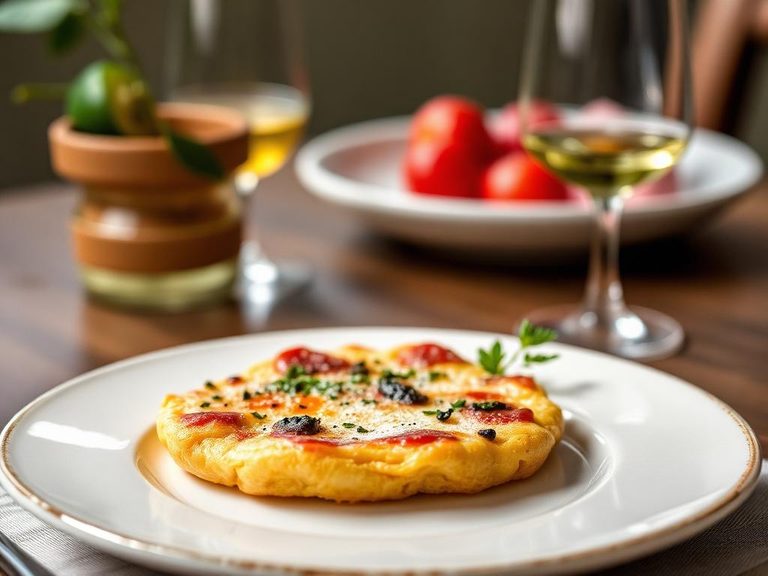
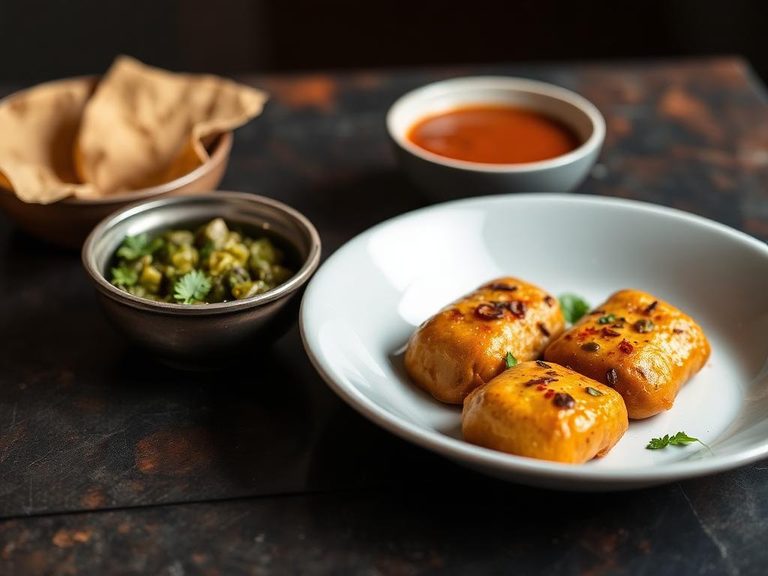
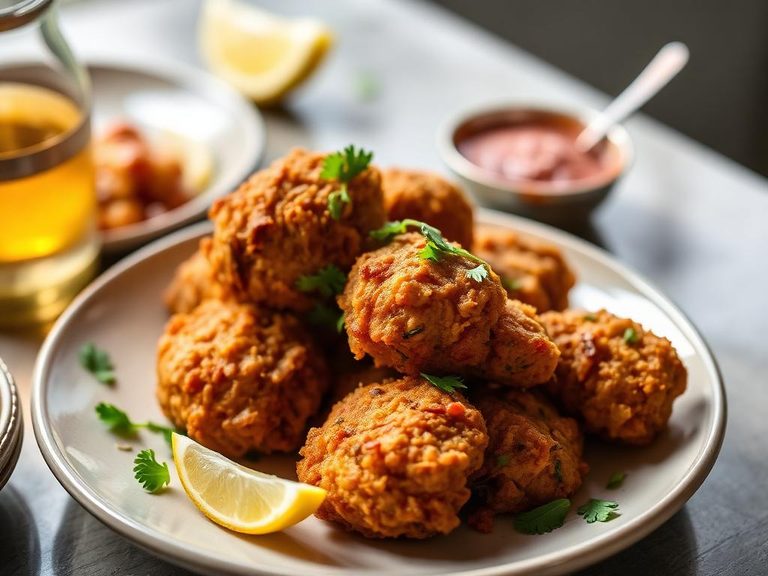
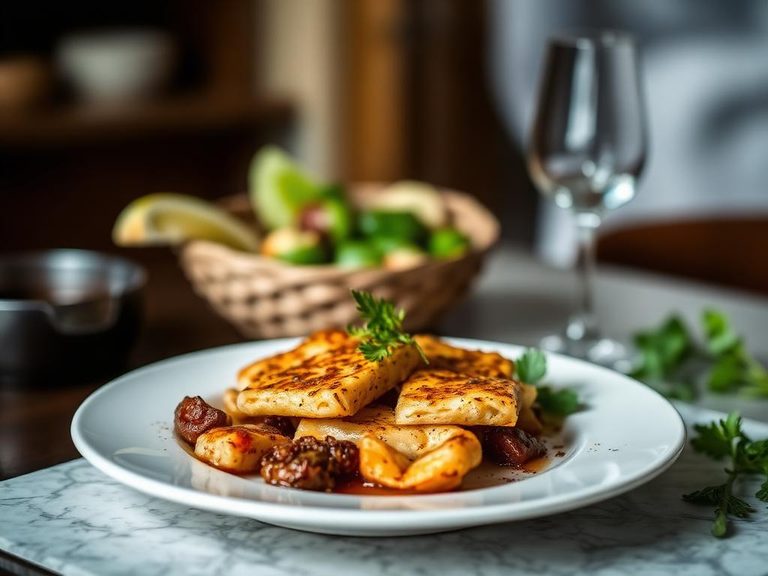
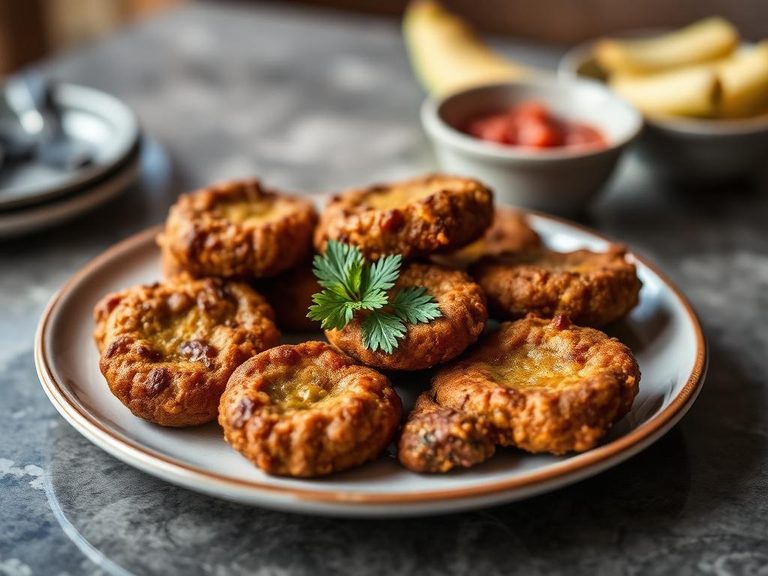
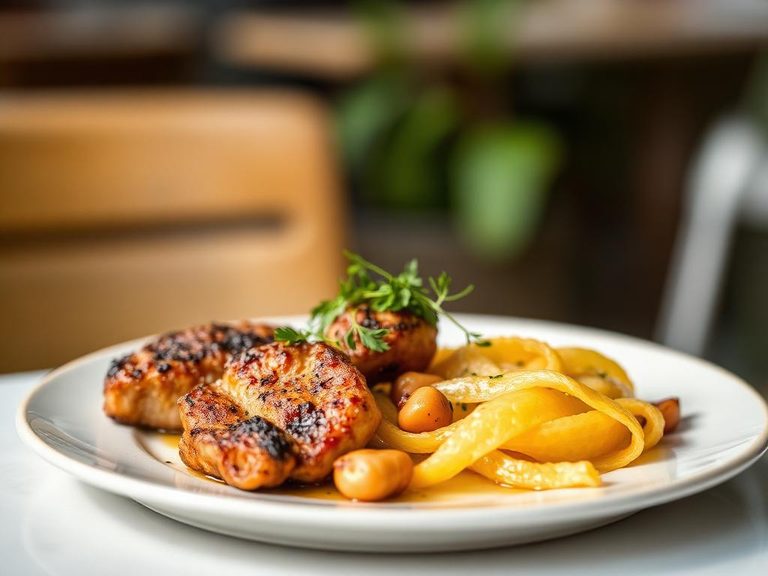
🌍 Where it's eaten
💡 Did you know?
Chickpea flour is a key ingredient in traditional French and Italian cooking, where it's used to make the ancient street foods socca and farinata—thin, crispy flatbreads cooked in wood-fired ovens for centuries.
Full nutrition (USDA data · scales with serving)
| Water | 10.3 g |
| Energy | 387 kcal |
| Energy | 1619 kj |
| Protein | 22.4 g |
| Total lipid (fat) | 6.7 g |
| Ash | 2.8 g |
| Carbohydrate, by difference | 57.8 g |
| Fiber, total dietary | 10.8 g |
| Total Sugars | 10.8 g |
| Calcium, Ca | 45.0 mg |
| Iron, Fe | 4.9 mg |
| Magnesium, Mg | 166 mg |
| Phosphorus, P | 318 mg |
| Potassium, K | 846 mg |
| Sodium, Na | 64.0 mg |
| Zinc, Zn | 2.8 mg |
| Copper, Cu | 0.91 mg |
| Manganese, Mn | 1.6 mg |
| Selenium, Se | 8.3 ug |
| Vitamin C, total ascorbic acid | 0.00 mg |
| Thiamin | 0.49 mg |
| Riboflavin | 0.11 mg |
| Niacin | 1.8 mg |
| Pantothenic acid | 0.61 mg |
| Vitamin B-6 | 0.49 mg |
| Folate, total | 437 ug |
| Folic acid | 0.00 ug |
| Folate, food | 437 ug |
| Folate, DFE | 437 ug |
| Vitamin B-12 | 0.00 ug |
| Vitamin A, RAE | 2.0 ug |
| Retinol | 0.00 ug |
| Carotene, beta | 25.0 ug |
| Carotene, alpha | 0.00 ug |
| Cryptoxanthin, beta | 0.00 ug |
| Vitamin A, IU | 41.0 iu |
| Lycopene | 0.00 ug |
| Lutein + zeaxanthin | 0.00 ug |
| Vitamin E (alpha-tocopherol) | 0.83 mg |
| Vitamin D (D2 + D3), International Units | 0.00 iu |
| Vitamin D (D2 + D3) | 0.00 ug |
| Vitamin K (phylloquinone) | 9.1 ug |
| Alcohol, ethyl | 0.00 g |
| Caffeine | 0.00 mg |
| Theobromine | 0.00 mg |
Fat & fatty acid profile (per 100g)
| Fatty acids, total saturated | 0.69 g |
| SFA 4:0 | 0.00 g |
| SFA 6:0 | 0.00 g |
| SFA 8:0 | 0.00 g |
| SFA 10:0 | 0.00 g |
| SFA 12:0 | 0.00 g |
| SFA 14:0 | 0.01 g |
| SFA 16:0 | 0.56 g |
| SFA 18:0 | 0.09 g |
| Fatty acids, total monounsaturated | 1.5 g |
| MUFA 16:1 | 0.01 g |
| MUFA 18:1 | 1.5 g |
| MUFA 20:1 | 0.00 g |
| MUFA 22:1 | 0.00 g |
| Fatty acids, total polyunsaturated | 3.0 g |
| PUFA 18:2 | 2.9 g |
| PUFA 18:3 | 0.11 g |
| PUFA 18:4 | 0.00 g |
| PUFA 20:4 | 0.00 g |
| PUFA 20:5 n-3 (EPA) | 0.00 g |
| PUFA 22:5 n-3 (DPA) | 0.00 g |
| PUFA 22:6 n-3 (DHA) | 0.00 g |
| Fatty acids, total trans | 0.00 g |
| Cholesterol | 0.00 mg |
| Phytosterols | 39.0 mg |
FAQ
Can chickpea flour be used as a direct 1:1 substitute for wheat flour?
Not typically. Due to its lack of gluten, it won't provide the same structure or rise in baked goods. It's best used in recipes specifically designed for it, or blended with other flours and binding agents like eggs or xanthan gum for certain applications.
Is chickpea flour the same as gram flour or besan?
Yes, these are different names for the same product. 'Besan' is the common term in South Asia, 'gram flour' is widely used in the UK and India, and 'chickpea flour' is the standard term in North America.
How should I store chickpea flour?
Because of its high oil content, it can go rancid. Store it in an airtight container in a cool, dark place like a pantry for a few months, or in the refrigerator or freezer for longer shelf life.
Nutrient density (calculated · NRF9.3)
Nutrient Rich Foods index: beneficial nutrients (protein, fiber, vitamins, minerals) minus saturated fat, added sugar & sodium, per 100 kcal.
NRF9.3 index — Fulgoni, Keast & Drewnowski, 2009. Computed from USDA nutrients.
Weight-loss friendliness (composite index)
Energy density 3.87 kcal/g · 23% calories from protein · 10.8 g fiber · 10.8 g sugar per 100 g.
Composite of energy density (Rolls et al., 1999), protein & fiber satiety, minus sugar. A calculated heuristic — ranks satiety-per-calorie, not a clinical measure.
Dietary load (calculated from USDA values)
Potential renal acid load. Positive = acid-forming, negative = alkaline-forming.
Sodium-to-potassium ratio: 0.08 (lower is better — aim for ≤ 1)
Sodium:potassium per WHO potassium guidance. Computed from USDA nutrients.