

Cereals ready-to-eat, QUAKER, SWEET CRUNCH/QUISP
Whole food · Breakfast Cereals

Photo: Wikipedia
This is a classic, crunchy corn cereal from the Quaker Oats Company, known for its sweet, honey-kissed flavor and satisfyingly crisp texture. It's a high-energy, carbohydrate-dense option, delivering over 400 calories and a significant 43g of sugar per 100g, making it a quick source of fuel.
Calorie split: 4% protein · 82% carbs · 13% fat
↓ Full nutrition💚 Why it's loved
People love it for its nostalgic, sweet crunch that evokes childhood breakfasts and its effortless convenience as a grab-and-go meal or snack. Its versatility allows it to be enjoyed with milk, as a dry snack, or even as a topping.
⚠️ Watch-outs & how to enjoy it better
Its very high sugar content (43g per 100g) can lead to rapid blood sugar spikes and is not ideal for those monitoring sugar intake. To counteract this, pair it with a source of protein and fat like Greek yogurt or nuts, and practice strict portion control. It also contains wheat, a common allergen.
Key benefits
- Provides quick energy from carbohydrates
- Fortified with essential vitamins and minerals
- Convenient and requires no preparation
- Offers a familiar, comforting taste and texture
- Can be a quick calorie-dense snack for active individuals
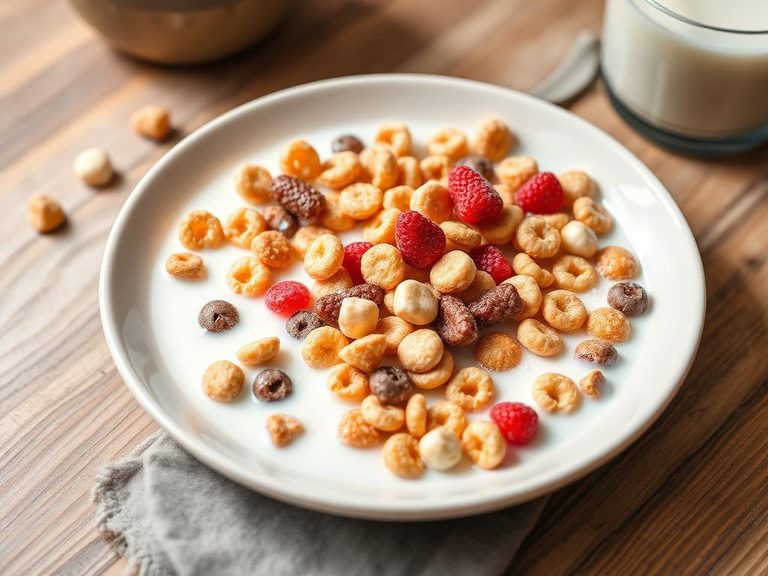
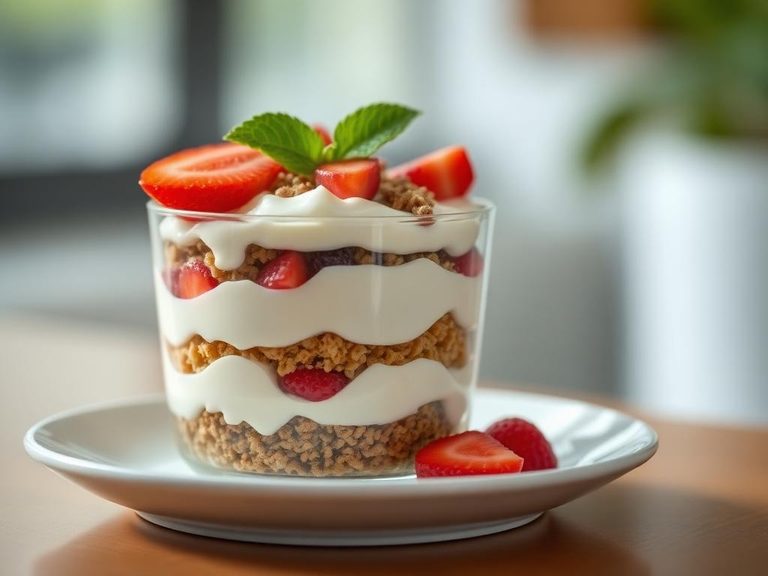
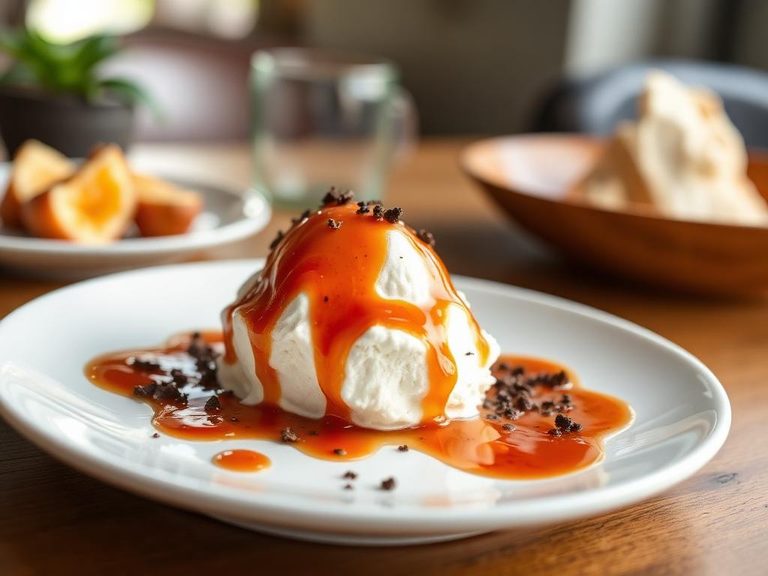
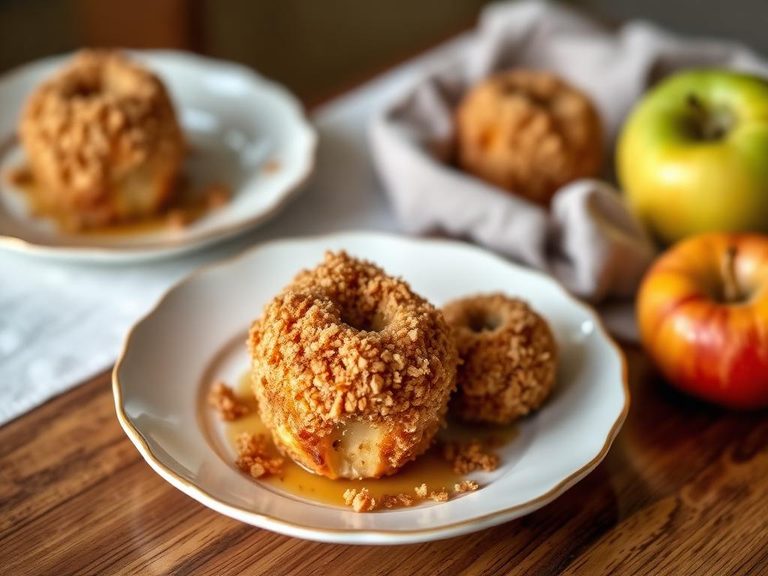
🍽️ Popular dishes

🌍 Where it's eaten
💡 Did you know?
The cereal was famously marketed with the cartoon characters Quisp (an alien) and Quake (a miner), who 'battled' for consumer popularity in the 1960s and 70s.
Full nutrition (USDA data · scales with serving)
| Water | 2.0 g |
| Energy | 406 kcal |
| Energy | 1699 kj |
| Protein | 4.5 g |
| Total lipid (fat) | 6.1 g |
| Ash | 2.4 g |
| Carbohydrate, by difference | 85.0 g |
| Fiber, total dietary | 2.3 g |
| Total Sugars | 43.4 g |
| Calcium, Ca | 9.0 mg |
| Iron, Fe | 18.4 mg |
| Magnesium, Mg | 55.0 mg |
| Phosphorus, P | 168 mg |
| Potassium, K | 187 mg |
| Sodium, Na | 740 mg |
| Zinc, Zn | 15.3 mg |
| Copper, Cu | 0.07 mg |
| Manganese, Mn | 0.33 mg |
| Selenium, Se | 6.5 ug |
| Vitamin C, total ascorbic acid | 0.00 mg |
| Thiamin | 1.5 mg |
| Riboflavin | 1.7 mg |
| Niacin | 20.4 mg |
| Vitamin B-6 | 2.0 mg |
| Folate, total | 1555 ug |
| Folic acid | 1536 ug |
| Folate, food | 19.0 ug |
| Folate, DFE | 2630 ug |
| Choline, total | 5.8 mg |
| Vitamin B-12 | 0.00 ug |
| Vitamin B-12, added | 0.00 ug |
| Vitamin A, RAE | 21.0 ug |
| Retinol | 17.0 ug |
| Carotene, beta | 43.0 ug |
| Carotene, alpha | 28.0 ug |
| Cryptoxanthin, beta | 0.00 ug |
| Vitamin A, IU | 148 iu |
| Lycopene | 0.00 ug |
| Lutein + zeaxanthin | 727 ug |
| Vitamin E (alpha-tocopherol) | 0.73 mg |
| Vitamin E, added | 0.00 mg |
| Vitamin D (D2 + D3), International Units | 0.00 iu |
| Vitamin D (D2 + D3) | 0.00 ug |
| Vitamin K (phylloquinone) | 0.20 ug |
| Alcohol, ethyl | 0.00 g |
| Caffeine | 0.00 mg |
| Theobromine | 0.00 mg |
Fat & fatty acid profile (per 100g)
| Fatty acids, total saturated | 4.4 g |
| SFA 4:0 | 0.00 g |
| SFA 6:0 | 0.03 g |
| SFA 8:0 | 0.37 g |
| SFA 10:0 | 0.29 g |
| SFA 12:0 | 2.2 g |
| SFA 14:0 | 0.83 g |
| SFA 16:0 | 0.56 g |
| SFA 18:0 | 0.16 g |
| Fatty acids, total monounsaturated | 0.69 g |
| MUFA 16:1 | 0.00 g |
| MUFA 18:1 | 0.69 g |
| MUFA 20:1 | 0.00 g |
| MUFA 22:1 | 0.00 g |
| Fatty acids, total polyunsaturated | 0.85 g |
| PUFA 18:2 | 0.83 g |
| PUFA 18:3 | 0.02 g |
| PUFA 18:4 | 0.00 g |
| PUFA 20:4 | 0.00 g |
| PUFA 20:5 n-3 (EPA) | 0.00 g |
| PUFA 22:5 n-3 (DPA) | 0.00 g |
| PUFA 22:6 n-3 (DHA) | 0.00 g |
| Fatty acids, total trans | 0.00 g |
| Cholesterol | 0.00 mg |
FAQ
Is this cereal a healthy breakfast choice?
While convenient and fortified, its high sugar content means it's best enjoyed occasionally or in controlled portions. For a more balanced meal, combine it with protein-rich milk or yogurt and add fresh fruit for fiber.
Can I eat this cereal if I'm gluten-free?
No, this cereal contains wheat and is not suitable for a gluten-free diet. Always check the packaging for allergen information.
How does the sugar content compare to other cereals?
At 43g of sugar per 100g, it is significantly higher than many other cereals, often containing more sugar per serving than some desserts. Opting for cereals with less than 5g of sugar per serving is generally recommended.
Nutrient density (calculated · NRF9.3)
Nutrient Rich Foods index: beneficial nutrients (protein, fiber, vitamins, minerals) minus saturated fat, added sugar & sodium, per 100 kcal.
NRF9.3 index — Fulgoni, Keast & Drewnowski, 2009. Computed from USDA nutrients.
Weight-loss friendliness (composite index)
Energy density 4.06 kcal/g · 4% calories from protein · 2.3 g fiber · 43.4 g sugar per 100 g.
Composite of energy density (Rolls et al., 1999), protein & fiber satiety, minus sugar. A calculated heuristic — ranks satiety-per-calorie, not a clinical measure.
Dietary load (calculated from USDA values)
Potential renal acid load. Positive = acid-forming, negative = alkaline-forming.
Sodium-to-potassium ratio: 3.96 (lower is better — aim for ≤ 1)
Sodium:potassium per WHO potassium guidance. Computed from USDA nutrients.