

Broadbeans (fava beans), mature seeds, canned
Whole food · Legumes and Legume Products

Photo: Wikipedia
Canned mature broadbeans are soft, earthy, and slightly nutty legumes, often with a creamy texture that absorbs surrounding flavors. They are a low-fat, high-fiber plant protein source, providing a substantial 5.47g of protein per 100g with minimal calories. Their convenience makes them a pantry staple for quick, nutritious meals.
Calorie split: 30% protein · 68% carbs · 3% fat
↓ Full nutrition💚 Why it's loved
People love them for their hearty, satisfying texture and ability to soak up sauces and spices, making them incredibly versatile in stews, salads, and dips. They are a beloved comfort food in many cultures, symbolizing spring and simple, rustic cooking.
⚠️ Watch-outs & how to enjoy it better
Canned varieties can be high in sodium, which is a concern for those monitoring salt intake. They also contain purines and are a common allergen for some individuals. To counteract, rinse them thoroughly under water to reduce sodium by up to 40%, and pair with low-sodium ingredients or fresh herbs for flavor.
Key benefits
- Excellent source of plant-based protein
- High in dietary fiber for digestive health
- Very low in fat and contains no sugar
- Provides essential minerals like folate and manganese
- Convenient and shelf-stable for quick meal prep
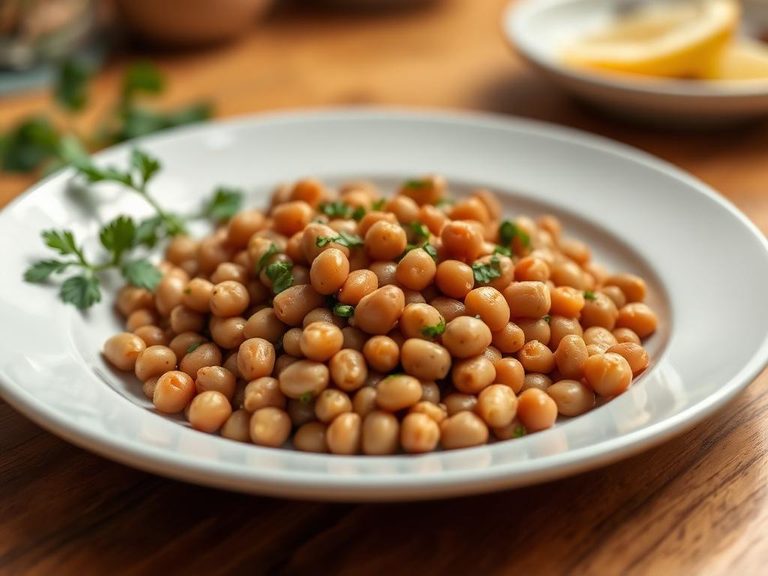
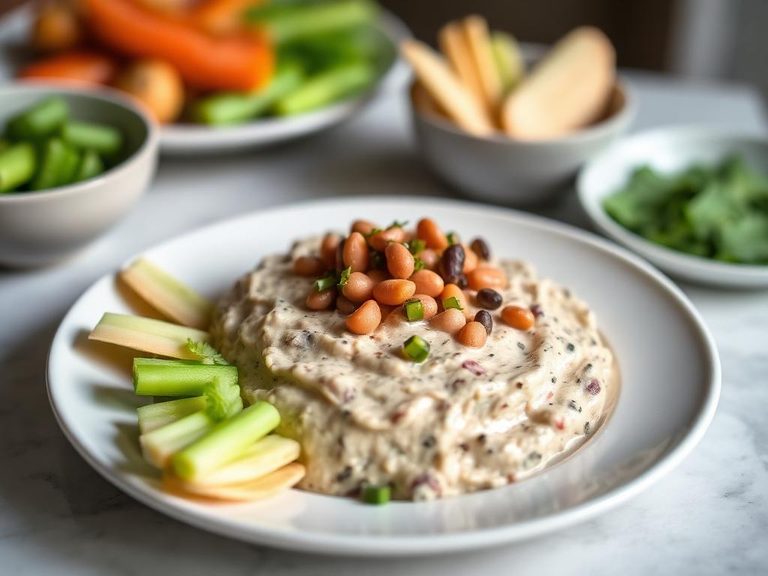
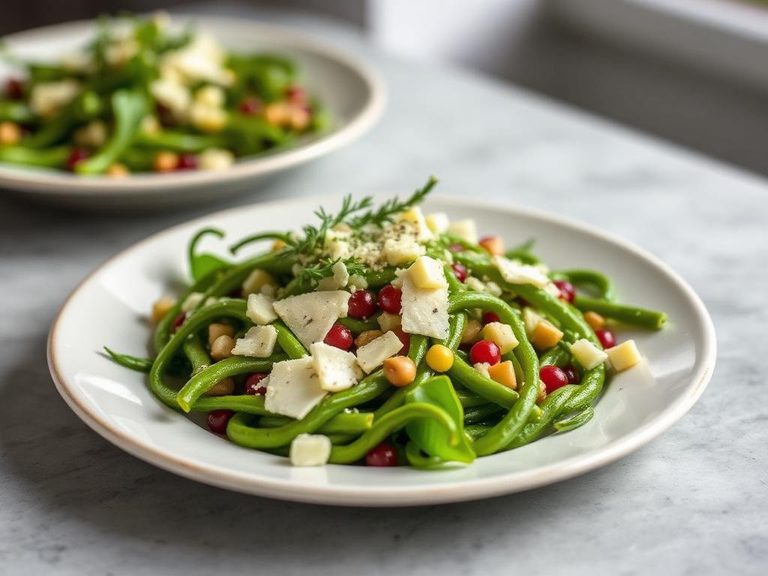
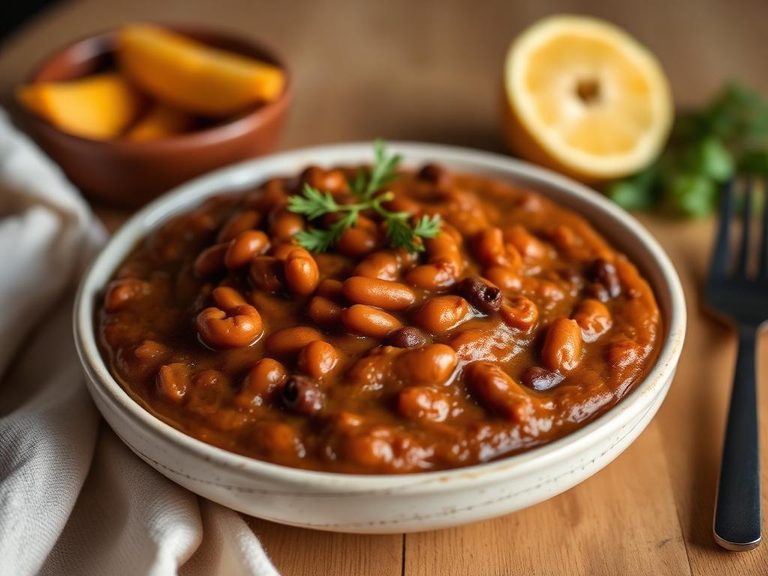
🍽️ Popular dishes
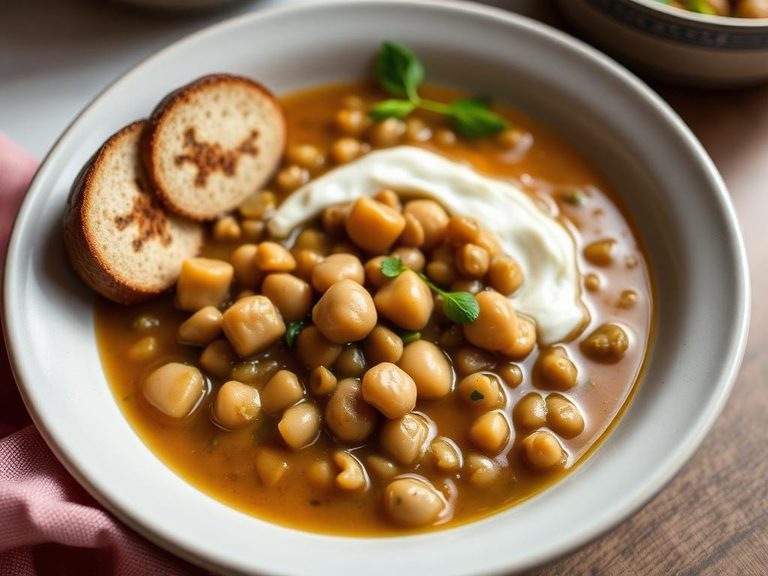
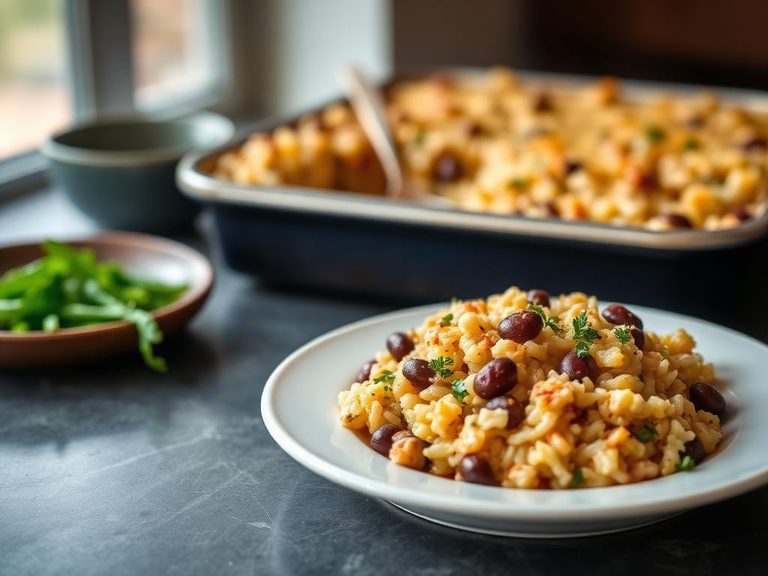
🌍 Where it's eaten
💡 Did you know?
The ancient Greeks and Romans used broadbeans not just for food, but also as voting tokens in elections and as a form of currency.
Full nutrition (USDA data · scales with serving)
| Water | 80.3 g |
| Energy | 71.0 kcal |
| Energy | 297 kj |
| Protein | 5.5 g |
| Total lipid (fat) | 0.22 g |
| Ash | 1.6 g |
| Carbohydrate, by difference | 12.4 g |
| Fiber, total dietary | 3.7 g |
| Calcium, Ca | 26.0 mg |
| Iron, Fe | 1.0 mg |
| Magnesium, Mg | 32.0 mg |
| Phosphorus, P | 79.0 mg |
| Potassium, K | 242 mg |
| Sodium, Na | 453 mg |
| Zinc, Zn | 0.62 mg |
| Copper, Cu | 0.11 mg |
| Manganese, Mn | 0.29 mg |
| Selenium, Se | 1.8 ug |
| Vitamin C, total ascorbic acid | 1.8 mg |
| Thiamin | 0.02 mg |
| Riboflavin | 0.05 mg |
| Niacin | 0.96 mg |
| Pantothenic acid | 0.12 mg |
| Vitamin B-6 | 0.04 mg |
| Folate, total | 33.0 ug |
| Folic acid | 0.00 ug |
| Folate, food | 33.0 ug |
| Folate, DFE | 33.0 ug |
| Vitamin B-12 | 0.00 ug |
| Vitamin A, RAE | 1.0 ug |
| Retinol | 0.00 ug |
| Vitamin A, IU | 10.0 iu |
| Vitamin D (D2 + D3), International Units | 0.00 iu |
| Vitamin D (D2 + D3) | 0.00 ug |
Fat & fatty acid profile (per 100g)
| Fatty acids, total saturated | 0.04 g |
| SFA 12:0 | 0.00 g |
| SFA 14:0 | 0.00 g |
| SFA 16:0 | 0.03 g |
| SFA 18:0 | 0.00 g |
| Fatty acids, total monounsaturated | 0.04 g |
| MUFA 16:1 | 0.00 g |
| MUFA 18:1 | 0.04 g |
| Fatty acids, total polyunsaturated | 0.09 g |
| PUFA 18:2 | 0.08 g |
| PUFA 18:3 | 0.01 g |
| Fatty acids, total trans | 0.00 g |
| Cholesterol | 0.00 mg |
Amino acid profile (per 100g)
| Tryptophan | 0.05 g |
| Threonine | 0.19 g |
| Isoleucine | 0.22 g |
| Leucine | 0.41 g |
| Lysine | 0.35 g |
| Methionine | 0.04 g |
| Cystine | 0.07 g |
| Phenylalanine | 0.23 g |
| Tyrosine | 0.17 g |
| Valine | 0.24 g |
| Arginine | 0.51 g |
| Histidine | 0.14 g |
| Alanine | 0.22 g |
| Aspartic acid | 0.61 g |
| Glutamic acid | 0.93 g |
| Glycine | 0.23 g |
| Proline | 0.23 g |
| Serine | 0.25 g |
FAQ
Do I need to cook canned broadbeans?
No, they are fully cooked during the canning process. You can eat them straight from the can, but rinsing is recommended to reduce sodium and improve flavor.
Why are they sometimes called 'fava beans'?
'Fava bean' is another common name for the broadbean (Vicia faba), especially in North American English. The terms are interchangeable.
Can I use the liquid from the can?
The liquid, or aquafaba, can be used as an egg substitute in vegan baking for meringues or mousses, but be aware it is salty. For cooking, it's often better to use fresh water or broth.
Nutrient density (calculated · NRF9.3)
Nutrient Rich Foods index: beneficial nutrients (protein, fiber, vitamins, minerals) minus saturated fat, added sugar & sodium, per 100 kcal.
NRF9.3 index — Fulgoni, Keast & Drewnowski, 2009. Computed from USDA nutrients.
Weight-loss friendliness (composite index)
Energy density 0.71 kcal/g · 31% calories from protein · 3.7 g fiber · 0.0 g sugar per 100 g.
Composite of energy density (Rolls et al., 1999), protein & fiber satiety, minus sugar. A calculated heuristic — ranks satiety-per-calorie, not a clinical measure.
Dietary load (calculated from USDA values)
Potential renal acid load. Positive = acid-forming, negative = alkaline-forming.
Sodium-to-potassium ratio: 1.87 (lower is better — aim for ≤ 1)
Sodium:potassium per WHO potassium guidance. Computed from USDA nutrients.