

Beans, cranberry (roman), mature seeds, raw
Whole food · Legumes and Legume Products

Photo: Wikipedia
Cranberry beans, also known as Roman beans, are visually striking with their creamy white coats splashed with deep red or cranberry-colored speckles. When cooked, they develop a soft, creamy texture with a mild, nutty flavor that absorbs surrounding seasonings beautifully. Nutritionally, they are a powerhouse, offering an exceptional 24.7 grams of fiber and over 23 grams of protein per 100g dry weight, making them a cornerstone of plant-based nutrition.
Calorie split: 27% protein · 70% carbs · 3% fat
↓ Full nutrition💚 Why it's loved
People love cranberry beans for their versatility and comforting, hearty nature. Their mild flavor makes them a perfect canvas for bold herbs, garlic, and olive oil in stews, or they can be enjoyed simply to appreciate their delicate, earthy taste.
⚠️ Watch-outs & how to enjoy it better
Like all dried legumes, they contain oligosaccharides that can cause gas and bloating. They also contain lectins and phytic acid, which can inhibit mineral absorption. To counteract this, always soak them for at least 8 hours (or overnight) and cook them thoroughly in plenty of water, which significantly reduces these compounds and improves digestibility.
Key benefits
- Excellent source of plant-based protein for muscle maintenance
- Extremely high in dietary fiber for digestive health
- Rich in complex carbohydrates for sustained energy
- Naturally very low in fat
- Provides essential minerals like iron and folate
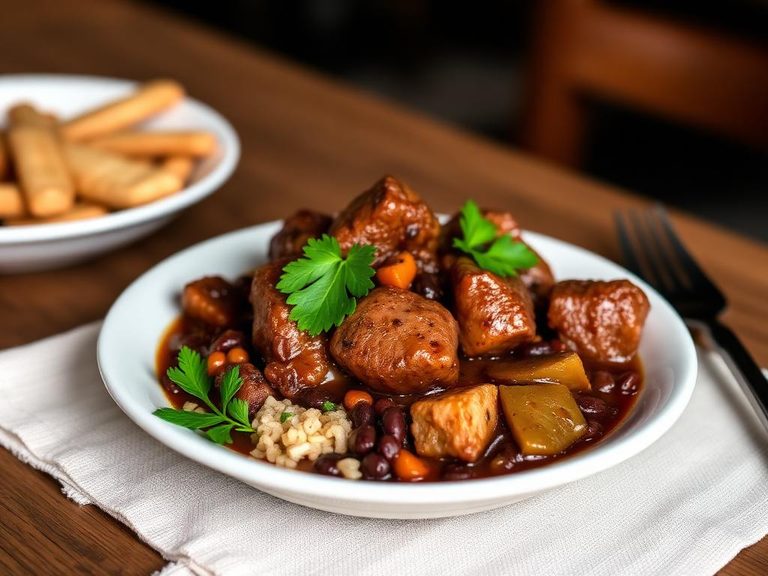
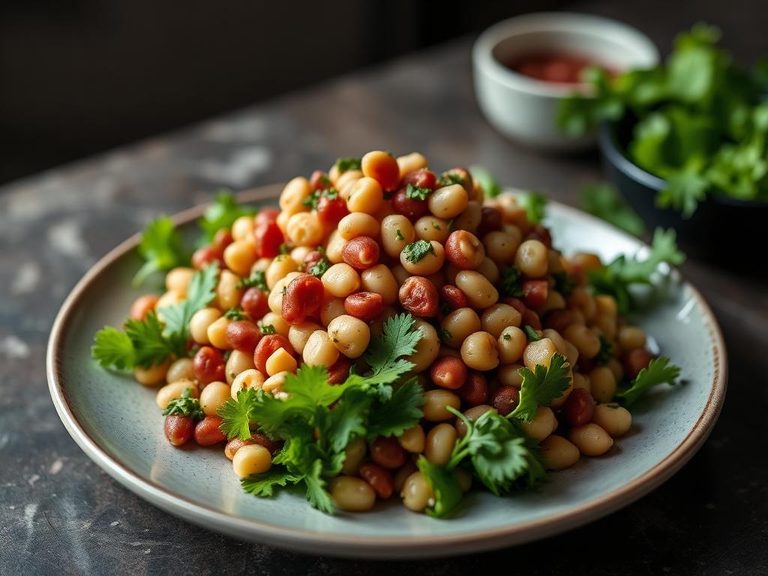
🍽️ Popular dishes
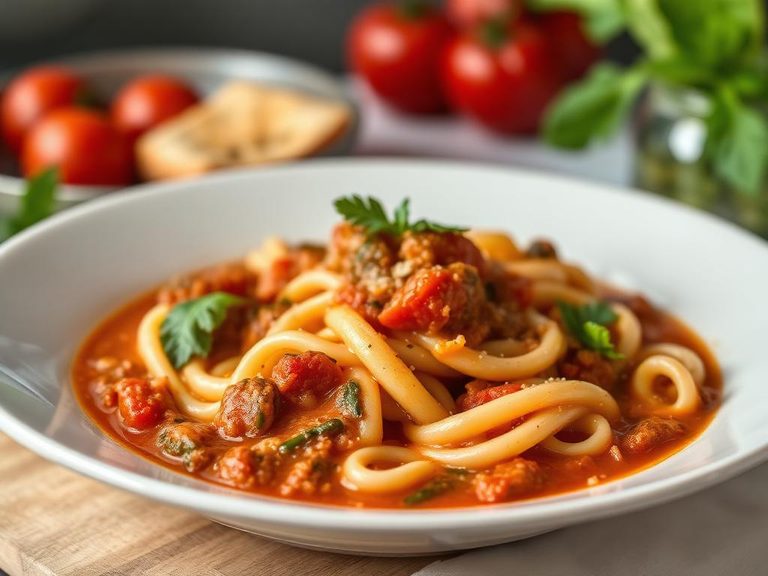
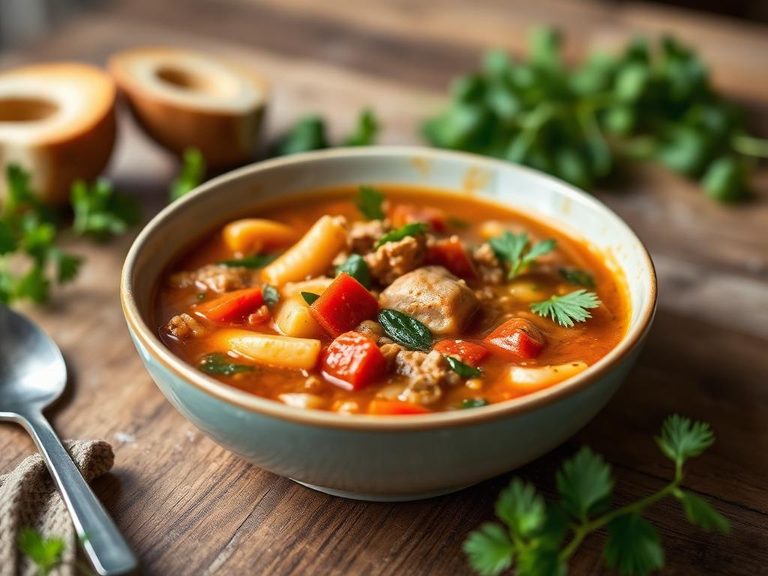
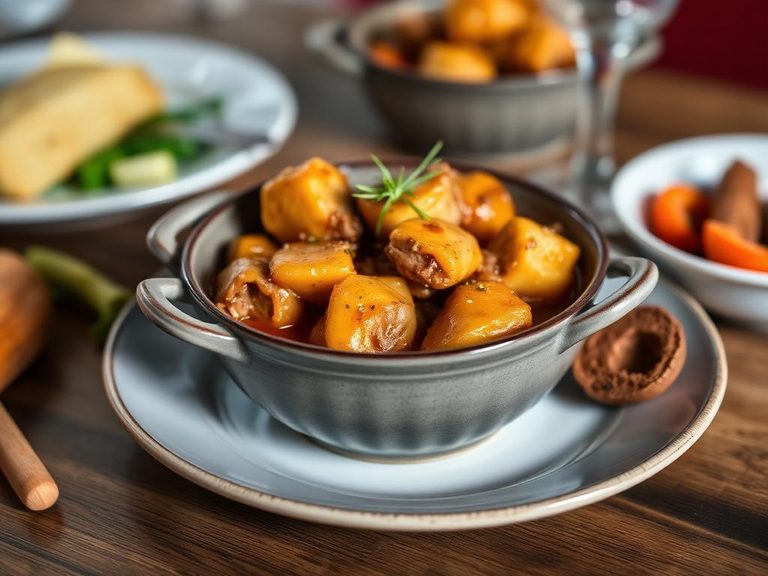
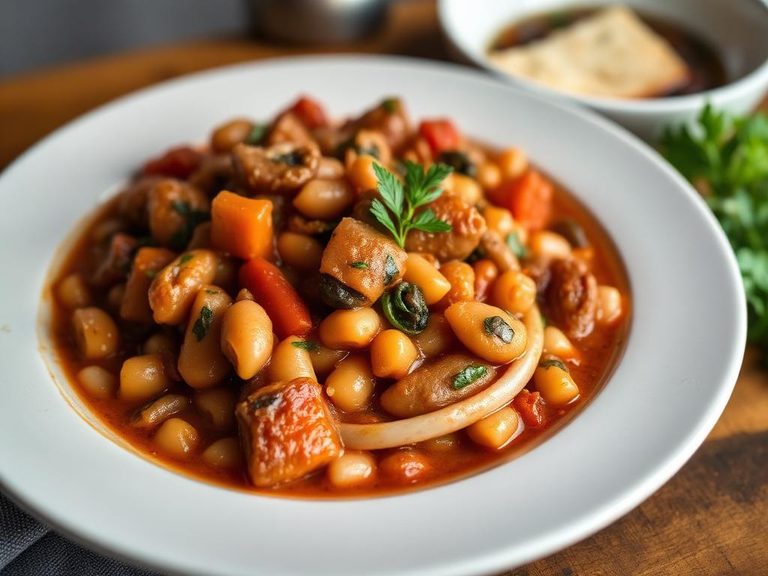
🌍 Where it's eaten
💡 Did you know?
Despite the name 'cranberry bean,' they are not related to cranberries at all; the name refers solely to their distinctive red-and-white coloring, which resembles the berry.
Full nutrition (USDA data · scales with serving)
| Water | 12.4 g |
| Energy | 335 kcal |
| Energy | 1402 kj |
| Protein | 23.0 g |
| Total lipid (fat) | 1.2 g |
| Ash | 3.3 g |
| Carbohydrate, by difference | 60.0 g |
| Fiber, total dietary | 24.7 g |
| Calcium, Ca | 127 mg |
| Iron, Fe | 5.0 mg |
| Magnesium, Mg | 156 mg |
| Phosphorus, P | 372 mg |
| Potassium, K | 1332 mg |
| Sodium, Na | 6.0 mg |
| Zinc, Zn | 3.6 mg |
| Copper, Cu | 0.79 mg |
| Manganese, Mn | 0.92 mg |
| Selenium, Se | 12.7 ug |
| Vitamin C, total ascorbic acid | 0.00 mg |
| Thiamin | 0.75 mg |
| Riboflavin | 0.21 mg |
| Niacin | 1.5 mg |
| Pantothenic acid | 0.75 mg |
| Vitamin B-6 | 0.31 mg |
| Folate, total | 604 ug |
| Folic acid | 0.00 ug |
| Folate, food | 604 ug |
| Folate, DFE | 604 ug |
| Vitamin B-12 | 0.00 ug |
| Vitamin A, RAE | 0.00 ug |
| Retinol | 0.00 ug |
| Vitamin A, IU | 2.0 iu |
| Vitamin D (D2 + D3), International Units | 0.00 iu |
| Vitamin D (D2 + D3) | 0.00 ug |
Fat & fatty acid profile (per 100g)
| Fatty acids, total saturated | 0.32 g |
| SFA 14:0 | 0.00 g |
| SFA 16:0 | 0.30 g |
| SFA 18:0 | 0.02 g |
| Fatty acids, total monounsaturated | 0.11 g |
| MUFA 18:1 | 0.11 g |
| Fatty acids, total polyunsaturated | 0.53 g |
| PUFA 18:2 | 0.29 g |
| PUFA 18:3 | 0.24 g |
| Fatty acids, total trans | 0.00 g |
| Cholesterol | 0.00 mg |
Amino acid profile (per 100g)
| Tryptophan | 0.27 g |
| Threonine | 0.97 g |
| Isoleucine | 1.0 g |
| Leucine | 1.8 g |
| Lysine | 1.6 g |
| Methionine | 0.35 g |
| Cystine | 0.25 g |
| Phenylalanine | 1.2 g |
| Tyrosine | 0.65 g |
| Valine | 1.2 g |
| Arginine | 1.4 g |
| Histidine | 0.64 g |
| Alanine | 0.96 g |
| Aspartic acid | 2.8 g |
| Glutamic acid | 3.5 g |
| Glycine | 0.90 g |
| Proline | 0.98 g |
| Serine | 1.3 g |
FAQ
What's the difference between cranberry beans and borlotti beans?
They are essentially the same bean. 'Borlotti' is the common Italian name, while 'cranberry' is the English descriptive name based on its appearance. The terms are often used interchangeably.
Do I need to soak cranberry beans before cooking?
Yes, soaking is highly recommended. It reduces cooking time, improves digestibility by breaking down gas-causing compounds, and helps ensure even cooking. Soak in cold water for 8-12 hours, then drain and rinse.
How long does it take to cook them from dry?
After soaking, they typically simmer for 45-60 minutes until tender. Cooking time can vary based on the age of the beans. Always test for doneness; they should be creamy throughout, not chalky.
Nutrient density (calculated · NRF9.3)
Nutrient Rich Foods index: beneficial nutrients (protein, fiber, vitamins, minerals) minus saturated fat, added sugar & sodium, per 100 kcal.
NRF9.3 index — Fulgoni, Keast & Drewnowski, 2009. Computed from USDA nutrients.
Weight-loss friendliness (composite index)
Energy density 3.35 kcal/g · 27% calories from protein · 24.7 g fiber · 0.0 g sugar per 100 g.
Composite of energy density (Rolls et al., 1999), protein & fiber satiety, minus sugar. A calculated heuristic — ranks satiety-per-calorie, not a clinical measure.
Dietary load (calculated from USDA values)
Potential renal acid load. Positive = acid-forming, negative = alkaline-forming.
Sodium-to-potassium ratio: 0.00 (lower is better — aim for ≤ 1)
Sodium:potassium per WHO potassium guidance. Computed from USDA nutrients.