

Yogurt, Greek, 2%fat, coconut blend, CHOBANI
Whole food · Dairy and Egg Products

Photo: Wikipedia
This is a thick, creamy Greek yogurt blended with coconut, offering a tangy base with a subtle tropical sweetness. Its strained texture is dense and velvety, providing a satisfying mouthfeel. With 8g of protein per 100g, it's a protein-rich snack that's lower in fat than full-fat varieties.
Calorie split: 35% protein · 48% carbs · 17% fat
↓ Full nutrition💚 Why it's loved
People love it for the harmonious balance of tangy yogurt and sweet, aromatic coconut, which feels both indulgent and wholesome. Its thick texture makes it a versatile base for both sweet and savory applications, from smoothies to dips.
⚠️ Watch-outs & how to enjoy it better
The added coconut flavor means it contains more carbohydrates and natural sugars than plain Greek yogurt, which could be a consideration for strict low-carb diets or those monitoring blood sugar. Those with a coconut allergy must avoid it entirely. To mitigate blood sugar impact, pair it with a source of healthy fat (like nuts) or extra protein, or enjoy it as part of a balanced meal rather than a standalone snack.
Key benefits
- High in complete protein for muscle maintenance.
- Contains probiotics for gut health.
- Lower in fat than traditional full-fat yogurt.
- Provides calcium for bone health.
- Offers a convenient, portable snack option.
🍽️ Popular dishes
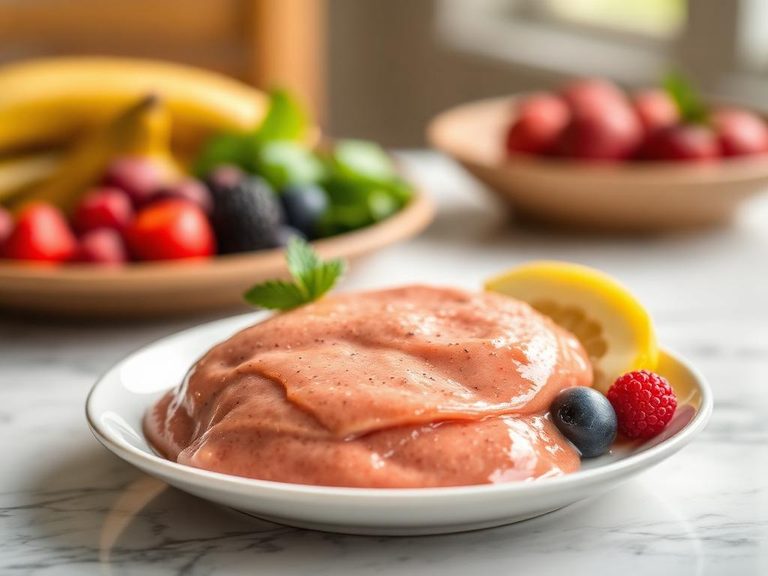
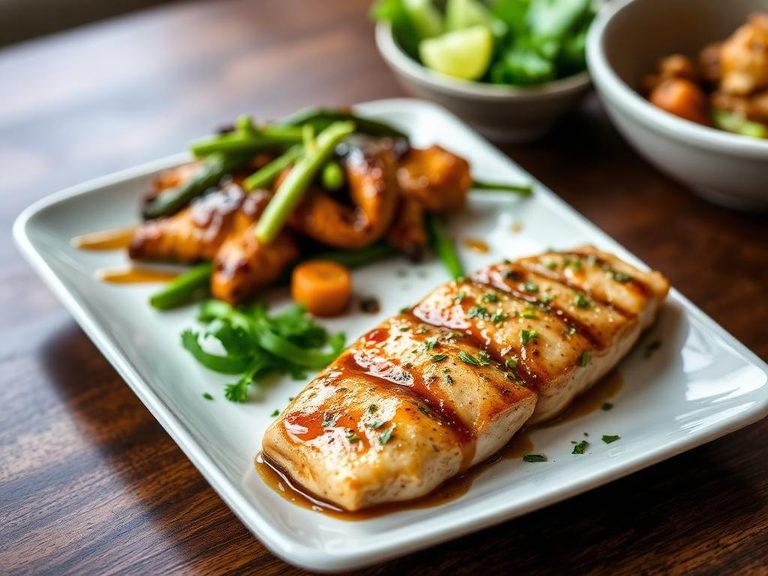
🌍 Where it's eaten
💡 Did you know?
Chobani's name comes from the Turkish word 'çoban,' meaning shepherd, honoring the shepherds who were among the first to make yogurt.
Full nutrition (USDA data · scales with serving)
| Water | 78.5 g |
| Energy | 92.0 kcal |
| Energy | 385 kj |
| Protein | 8.1 g |
| Total lipid (fat) | 1.7 g |
| Ash | 0.65 g |
| Carbohydrate, by difference | 11.0 g |
| Fiber, total dietary | 0.50 g |
| Sucrose | 5.9 g |
| Glucose | 0.18 g |
| Fructose | 0.00 g |
| Lactose | 2.1 g |
| Maltose | 0.00 g |
| Calcium, Ca | 93.0 mg |
| Iron, Fe | 0.03 mg |
| Sodium, Na | 33.0 mg |
| Vitamin C, total ascorbic acid | 0.60 mg |
| Vitamin A, RAE | 19.0 ug |
| Retinol | 19.0 ug |
| Carotene, beta | 0.00 ug |
| Vitamin A, IU | 62.0 iu |
Fat & fatty acid profile (per 100g)
Estimated from Yogurt, fruit variety, nonfat — USDA does not publish this profile for Yogurt.
| Fatty acids, total saturated | 0.12 g |
| SFA 4:0 | 0.01 g |
| SFA 6:0 | 0.00 g |
| SFA 8:0 | 0.00 g |
| SFA 10:0 | 0.00 g |
| SFA 12:0 | 0.00 g |
| SFA 14:0 | 0.02 g |
| SFA 16:0 | 0.06 g |
| SFA 18:0 | 0.02 g |
| Fatty acids, total monounsaturated | 0.05 g |
| MUFA 16:1 | 0.01 g |
| MUFA 18:1 | 0.04 g |
| MUFA 20:1 | 0.00 g |
| MUFA 22:1 | 0.00 g |
| Fatty acids, total polyunsaturated | 0.02 g |
| PUFA 18:2 | 0.01 g |
| PUFA 18:3 | 0.01 g |
| PUFA 18:4 | 0.00 g |
| PUFA 20:4 | 0.00 g |
| PUFA 20:5 n-3 (EPA) | 0.00 g |
| PUFA 22:5 n-3 (DPA) | 0.00 g |
| PUFA 22:6 n-3 (DHA) | 0.00 g |
| Cholesterol | 2.0 mg |
Amino acid profile (per 100g)
| Tryptophan | 0.12 g |
| Threonine | 0.36 g |
| Isoleucine | 0.44 g |
| Leucine | 0.81 g |
| Lysine | 0.70 g |
| Methionine | 0.22 g |
| Cystine | 0.05 g |
| Phenylalanine | 0.40 g |
| Tyrosine | 0.40 g |
| Valine | 0.53 g |
| Arginine | 0.29 g |
| Histidine | 0.23 g |
| Alanine | 0.28 g |
| Aspartic acid | 0.64 g |
| Glutamic acid | 1.7 g |
| Glycine | 0.15 g |
| Proline | 0.82 g |
| Serine | 0.45 g |
FAQ
How does this differ from regular yogurt?
Greek yogurt is strained to remove most of the whey, resulting in a thicker, creamier texture and a higher concentration of protein per serving compared to regular yogurt.
Is the sugar in this product added?
The nutrition facts show 0g of added sugar, meaning the carbohydrate content comes from the natural lactose in milk and the sugars in the coconut blend.
Can I cook or bake with this?
Yes, its high protein and thick texture make it an excellent substitute for sour cream, cream cheese, or mayonnaise in many recipes, adding moisture and tang without as much fat.
Nutrient density (calculated · NRF9.3)
Nutrient Rich Foods index: beneficial nutrients (protein, fiber, vitamins, minerals) minus saturated fat, added sugar & sodium, per 100 kcal.
NRF9.3 index — Fulgoni, Keast & Drewnowski, 2009. Computed from USDA nutrients.
Weight-loss friendliness (composite index)
Energy density 0.92 kcal/g · 35% calories from protein · 0.5 g fiber · 0.0 g sugar per 100 g.
Composite of energy density (Rolls et al., 1999), protein & fiber satiety, minus sugar. A calculated heuristic — ranks satiety-per-calorie, not a clinical measure.