

Winged beans, immature seeds, raw
Whole food · Vegetables and Vegetable Products

Photo: Wikipedia
Winged beans, specifically the immature seeds, are small, green, pea-like legumes with a crisp, snappy texture and a fresh, mildly sweet, grassy flavor reminiscent of green peas or edamame. Nutritionally, they are a lean protein powerhouse, packing nearly 7 grams of protein per 100 grams with minimal fat, making them an excellent low-calorie, high-protein addition to meals.
Calorie split: 53% protein · 33% carbs · 15% fat
↓ Full nutrition💚 Why it's loved
People love them for their unique, fresh crunch and subtle sweetness, which adds a delightful textural contrast to both stir-fries and salads. In Southeast Asian cuisines, they are cherished for their ability to absorb flavors while maintaining a pleasant bite.
⚠️ Watch-outs & how to enjoy it better
As a legume, they contain oligosaccharides which can cause gas or bloating in some individuals. To minimize this, start with smaller portions and ensure they are thoroughly cooked, as boiling helps break down these compounds. They are also not suitable for raw consumption in large amounts due to potential antinutrients.
Key benefits
- Excellent source of plant-based protein
- Very low in calories and fat
- Good source of micronutrients like folate and manganese
- Provides a crunchy texture without heavy carbohydrates
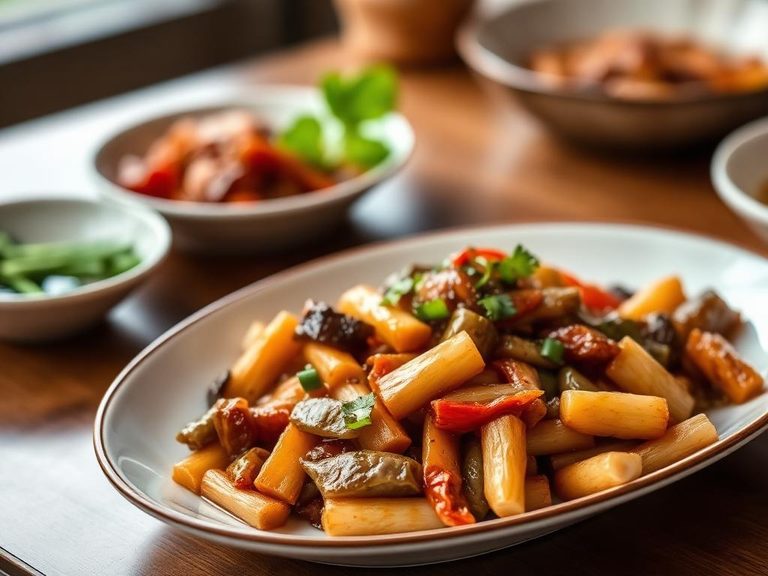
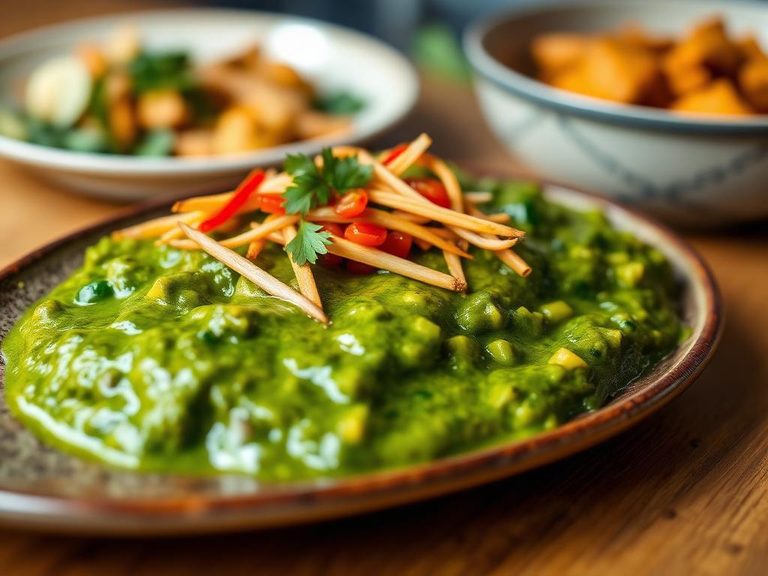
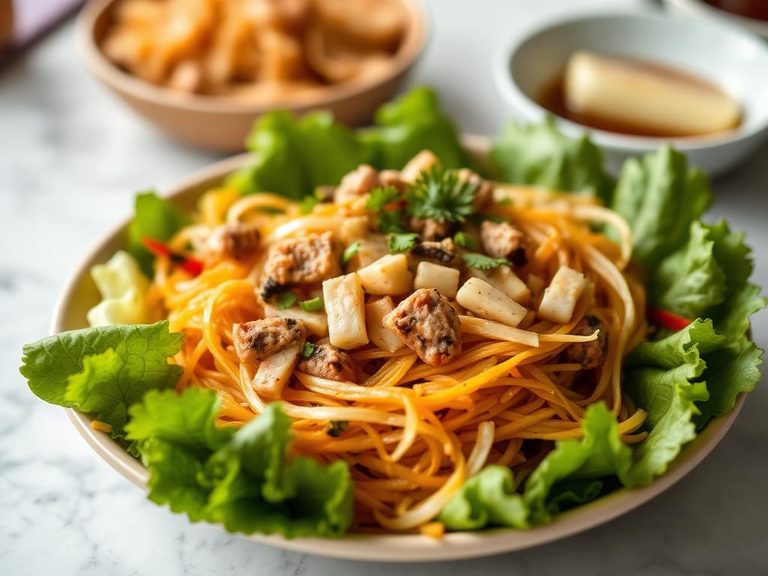
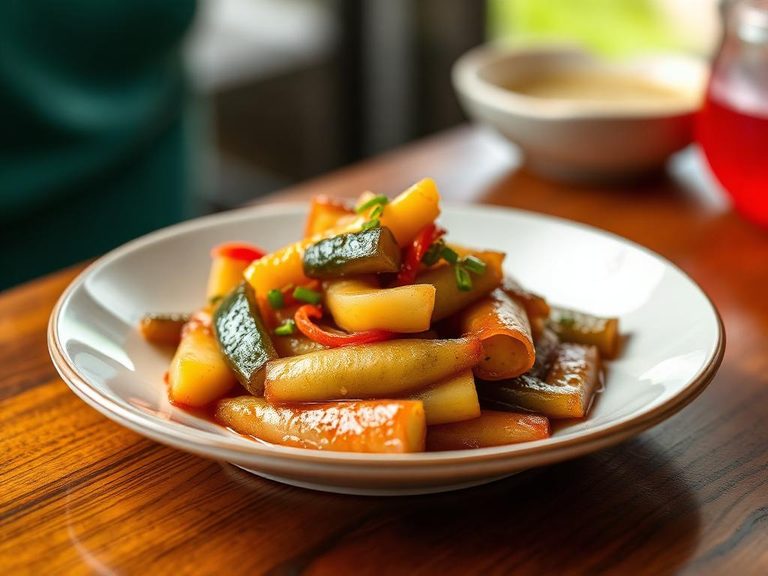
🍽️ Popular dishes
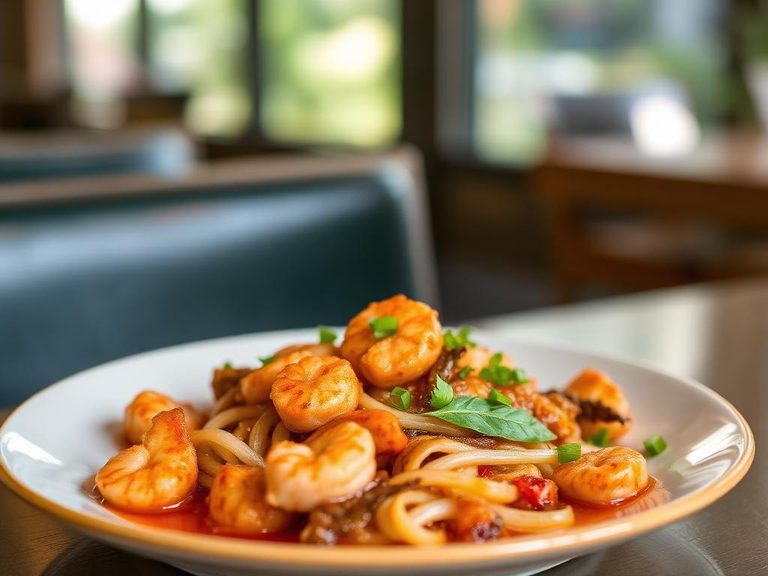
🌍 Where it's eaten
💡 Did you know?
The winged bean plant is often called a 'supermarket on a stalk' because nearly every part—the leaves, flowers, tubers, and seeds—is edible and nutritious.
Full nutrition (USDA data · scales with serving)
| Water | 87.0 g |
| Energy | 49.0 kcal |
| Energy | 205 kj |
| Protein | 7.0 g |
| Total lipid (fat) | 0.87 g |
| Ash | 0.83 g |
| Carbohydrate, by difference | 4.3 g |
| Calcium, Ca | 84.0 mg |
| Iron, Fe | 1.5 mg |
| Magnesium, Mg | 34.0 mg |
| Phosphorus, P | 37.0 mg |
| Potassium, K | 223 mg |
| Sodium, Na | 4.0 mg |
| Zinc, Zn | 0.39 mg |
| Copper, Cu | 0.05 mg |
| Manganese, Mn | 0.22 mg |
| Selenium, Se | 1.5 ug |
| Vitamin C, total ascorbic acid | 18.3 mg |
| Thiamin | 0.14 mg |
| Riboflavin | 0.10 mg |
| Niacin | 0.90 mg |
| Pantothenic acid | 0.06 mg |
| Vitamin B-6 | 0.11 mg |
| Folate, total | 66.0 ug |
| Folic acid | 0.00 ug |
| Folate, food | 66.0 ug |
| Folate, DFE | 66.0 ug |
| Vitamin B-12 | 0.00 ug |
| Retinol | 0.00 ug |
| Vitamin A, IU | 128 iu |
| Vitamin D (D2 + D3), International Units | 0.00 iu |
| Vitamin D (D2 + D3) | 0.00 ug |
| Alcohol, ethyl | 0.00 g |
| Caffeine | 0.00 mg |
| Theobromine | 0.00 mg |
Fat & fatty acid profile (per 100g)
| Fatty acids, total saturated | 0.24 g |
| SFA 14:0 | 0.00 g |
| SFA 16:0 | 0.07 g |
| SFA 18:0 | 0.04 g |
| Fatty acids, total monounsaturated | 0.25 g |
| MUFA 18:1 | 0.25 g |
| MUFA 22:1 | 0.00 g |
| Fatty acids, total polyunsaturated | 0.19 g |
| PUFA 18:2 | 0.16 g |
| PUFA 18:3 | 0.02 g |
| Fatty acids, total trans | 0.00 g |
| Cholesterol | 0.00 mg |
Amino acid profile (per 100g)
Estimated from Winged beans, mature seeds, cooked, boiled, without salt — USDA does not publish this profile for Winged beans.
| Tryptophan | 0.23 g |
| Threonine | 0.36 g |
| Isoleucine | 0.45 g |
| Leucine | 0.76 g |
| Lysine | 0.65 g |
| Methionine | 0.11 g |
| Cystine | 0.17 g |
| Phenylalanine | 0.44 g |
| Tyrosine | 0.45 g |
| Valine | 0.47 g |
| Arginine | 0.58 g |
| Histidine | 0.24 g |
| Alanine | 0.32 g |
| Aspartic acid | 0.97 g |
| Glutamic acid | 1.2 g |
| Glycine | 0.35 g |
| Proline | 0.59 g |
| Serine | 0.38 g |
FAQ
Are winged bean seeds the same as mature winged beans?
No. Immature seeds are green, tender, and pea-like. Mature seeds are harder, often dried, and require longer cooking, similar to other legumes.
How do I store fresh winged bean seeds?
Keep them unwashed in a perforated plastic bag in the refrigerator crisper drawer. Use within 3-5 days for best texture and freshness.
Can I eat them raw?
While some cultures eat them very lightly blanched, it's generally recommended to cook them lightly (stir-fry, steam, or blanch) to improve digestibility and neutralize antinutrients.
Nutrient density (calculated · NRF9.3)
Nutrient Rich Foods index: beneficial nutrients (protein, fiber, vitamins, minerals) minus saturated fat, added sugar & sodium, per 100 kcal.
NRF9.3 index — Fulgoni, Keast & Drewnowski, 2009. Computed from USDA nutrients.
Weight-loss friendliness (composite index)
Energy density 0.49 kcal/g · 57% calories from protein · 0.0 g fiber · 0.0 g sugar per 100 g.
Composite of energy density (Rolls et al., 1999), protein & fiber satiety, minus sugar. A calculated heuristic — ranks satiety-per-calorie, not a clinical measure.
Dietary load (calculated from USDA values)
Potential renal acid load. Positive = acid-forming, negative = alkaline-forming.
Sodium-to-potassium ratio: 0.02 (lower is better — aim for ≤ 1)
Sodium:potassium per WHO potassium guidance. Computed from USDA nutrients.