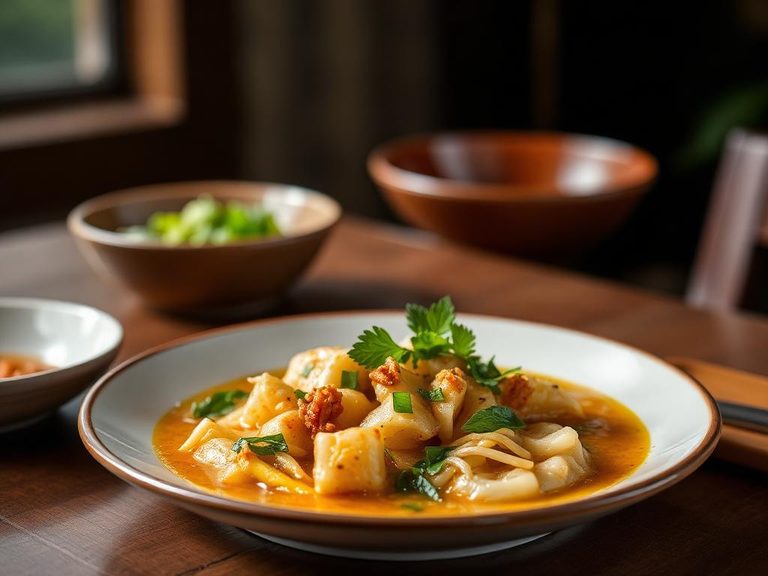
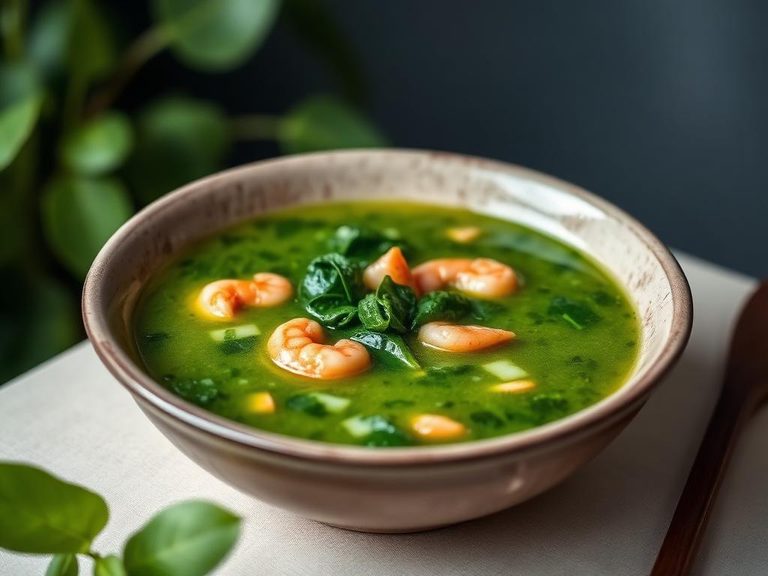
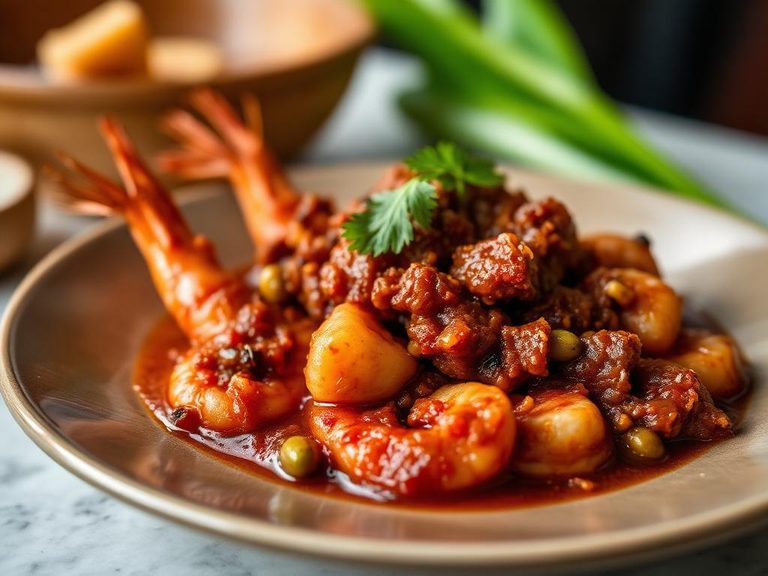
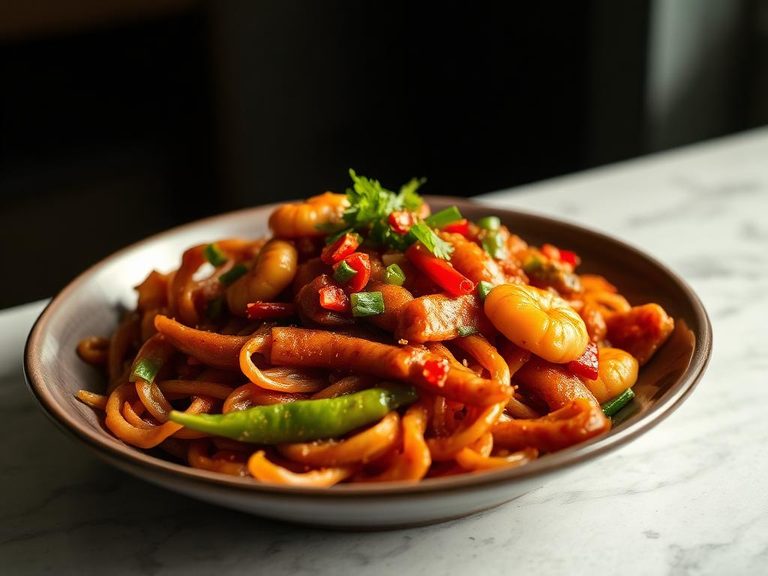
Sautéed with shrimp paste in Malaysia
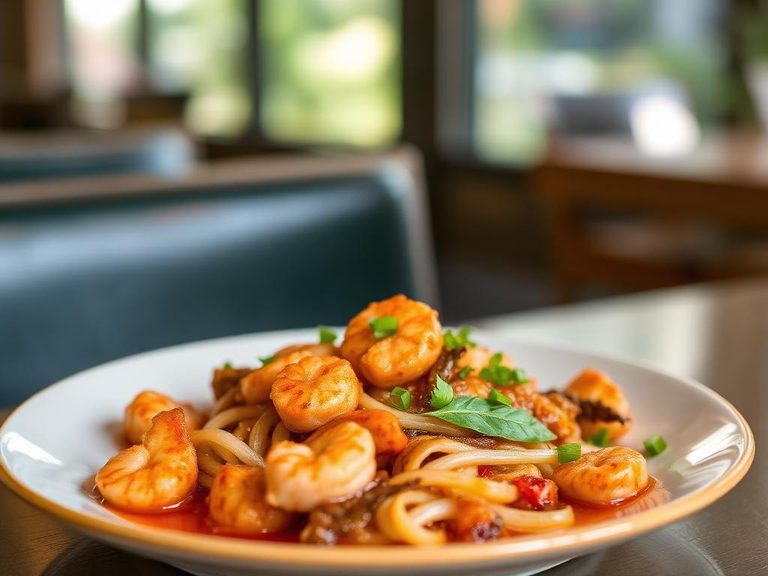
Sautéed with shrimp paste, known locally as 'sambal belacan' or 'tumis belacan', is a foundational Malaysian cooking technique where vegetables or proteins are stir-fried with a pungent, fermented shrimp paste. The core ingredients typically include belacan (shrimp paste), chilies, garlic, shallots, and a splash of tamarind juice or lime for acidity. It is a ubiquitous base flavor in Malaysian, Malay, and Peranakan cuisines, used in everything from stir-fried kangkung (water spinach) to fried rice.
🍽️ Nutrition at a glance
This dish is generally moderate in protein and fat, with the fat content depending on the amount of oil used for sautéing. It is a significant source of umami, iron, and B vitamins from the fermented shrimp paste, with a typical serving containing approximately 150-250 calories.
Nutrition breakdown
| Calories | 180 kcal |
| Protein | 8 g |
| Carbs | 12 g |
| Fat | 11 g |
| Fiber | 4 g |
| Sugar | 5 g |
| Sodium | 980 mg |
| Iron | 3.2 mg |
| Potassium | 420 mg |
| Vitamin C | 45 mg |
| Vitamin A | 220 mcg RAE |
| Vitamin B12 | 1.8 mcg |
| Calcium | 95 mg |
| Magnesium | 38 mg |
| Zinc | 1.5 mg |
Per 1 cup (200 g) of stir-fried vegetables with shrimp paste sauce · estimated, varies by recipe
💡 What's interesting
Culturally, belacan is the umami backbone of Malaysian cooking, similar to how soy sauce functions in Chinese cuisine or fish sauce in Thai cooking. Nutritionally, the fermentation process in making belacan increases the bioavailability of certain nutrients and creates unique probiotic-like compounds.