Malaysian Laksa
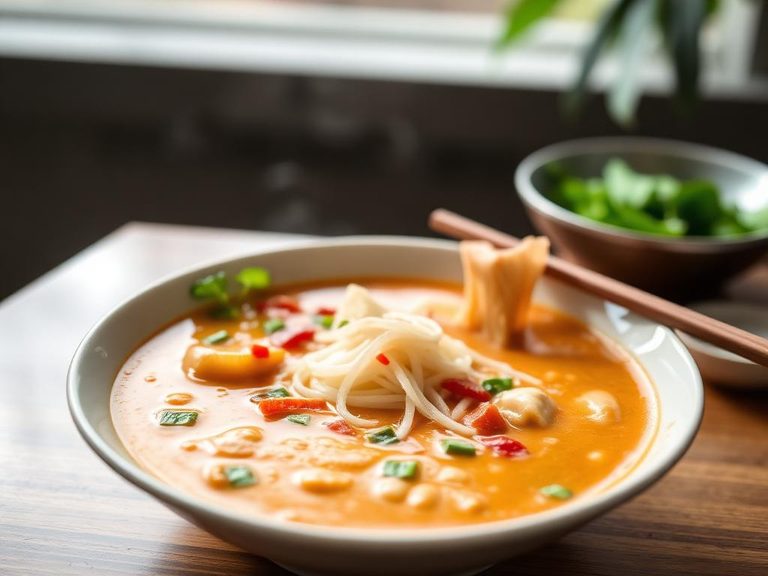
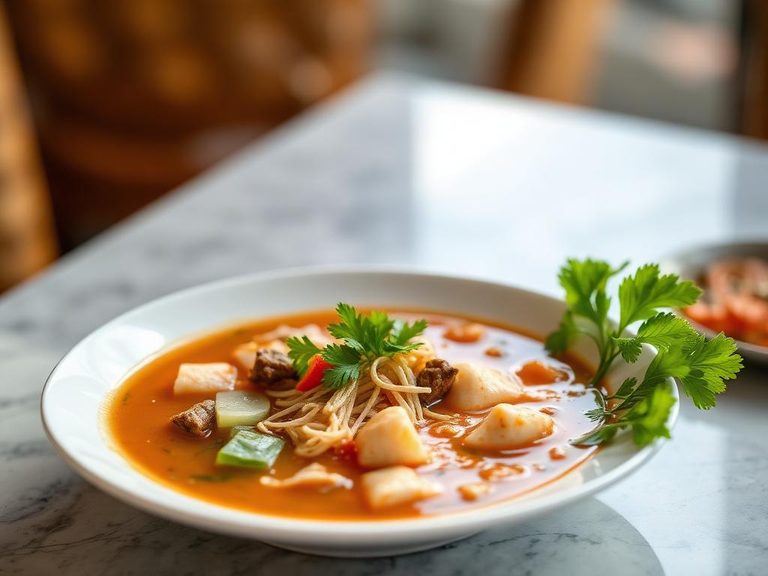
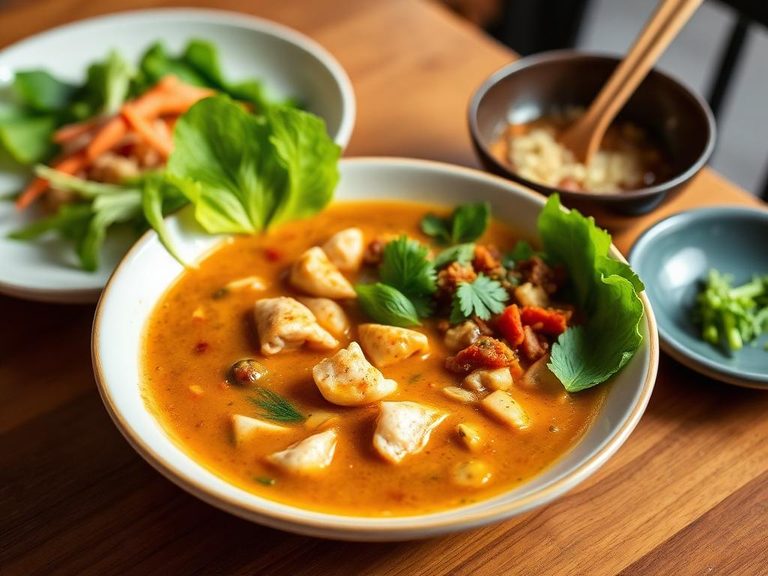
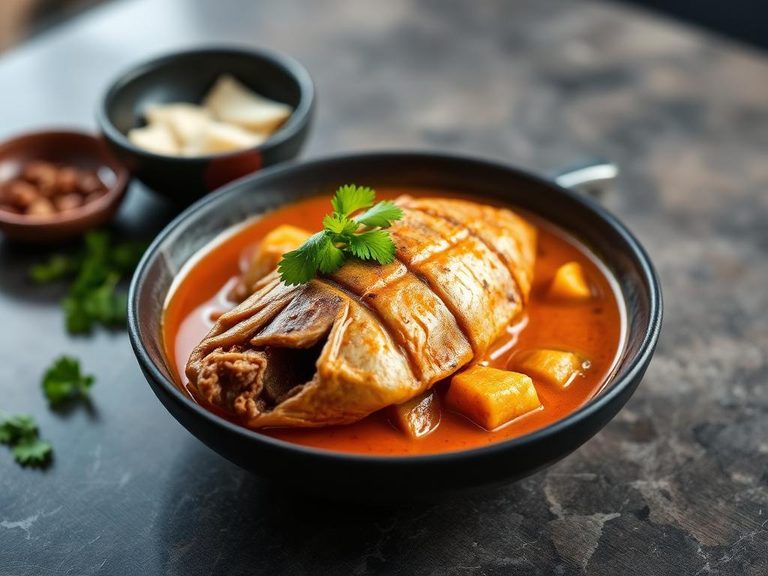
Malaysian Laksa is a rich and aromatic noodle soup that embodies the country's multicultural culinary heritage, typically featuring a spicy coconut milk or sour tamarind-based broth. Common ingredients include rice noodles or vermicelli, shrimp, chicken, tofu puffs, bean sprouts, and fresh herbs like laksa leaf and mint, often garnished with sambal chili paste. It is a beloved street food staple found throughout Malaysia, with regional variations like Curry Laksa and Asam Laksa.
🍽️ Nutrition at a glance
Laksa is generally high in carbohydrates from the noodles and fats from the coconut milk broth, while also providing a good amount of protein from ingredients like shrimp, chicken, or tofu. A typical serving offers key nutrients such as iron, B vitamins, and antioxidants from herbs and spices, with a calorie range of approximately 450 to 650 per bowl depending on the recipe and portion size.
Nutrition breakdown
| Calories | 450 kcal |
| Protein | 22 g |
| Carbs | 45 g |
| Fat | 20 g |
| Fiber | 5 g |
| Sugar | 6 g |
| Sodium | 1200 mg |
| Potassium | 500 mg |
| Iron | 4 mg |
| Calcium | 120 mg |
| Vitamin A | 300 mcg |
| Vitamin C | 20 mg |
| Vitamin B12 | 1.5 mcg |
| Magnesium | 60 mg |
| Zinc | 3 mg |
Per 1 bowl (400 g) · estimated, varies by recipe
💡 What's interesting
Culturally, Laksa is a perfect example of Malaysia's 'peranakan' or Nyonya cuisine, which blends Chinese and Malay cooking traditions. Nutritionally, the combination of anti-inflammatory spices like turmeric and galangal with the richness of coconut milk creates a dish that is both comforting and packed with beneficial compounds.