

Winged bean tuber, raw
Whole food · Vegetables and Vegetable Products

Photo: Wikipedia
The winged bean tuber is a starchy, crisp root vegetable from a tropical vine, often called the 'potato of the tropics.' With a mild, slightly nutty flavor and a crunchy texture similar to a water chestnut or jicama, it's a versatile ingredient in Southeast Asian cuisine. Notably, it packs a significant protein punch for a tuber, with over 11 grams per 100 grams, making it a valuable plant-based protein source.
Calorie split: 28% protein · 67% carbs · 5% fat
↓ Full nutrition💚 Why it's loved
People love it for its satisfying crunch and ability to absorb flavors in stir-fries and curries. It's a cherished, nutrient-dense staple in many tropical cuisines, valued for its versatility in both savory and sweet preparations.
⚠️ Watch-outs & how to enjoy it better
Its high carbohydrate content can lead to blood sugar spikes if eaten in large, unpaired portions. To counteract this, pair it with protein or healthy fats (like in a curry with coconut milk) and practice portion control. It can also be a choking hazard if not cooked properly, so ensure it's tender-crisp or fully cooked.
Key benefits
- High in plant-based protein for a root vegetable.
- Good source of complex carbohydrates for sustained energy.
- Low in fat and contains no sugar.
- Provides essential minerals like potassium and manganese.
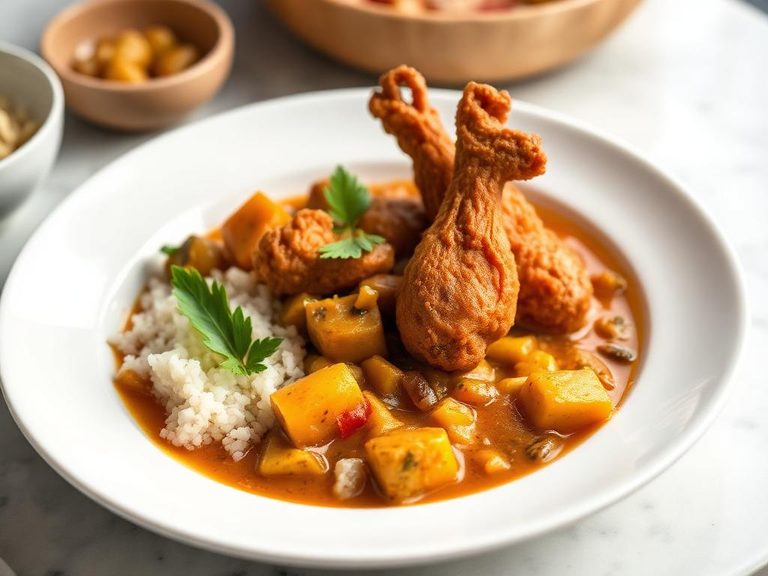
🍽️ Popular dishes
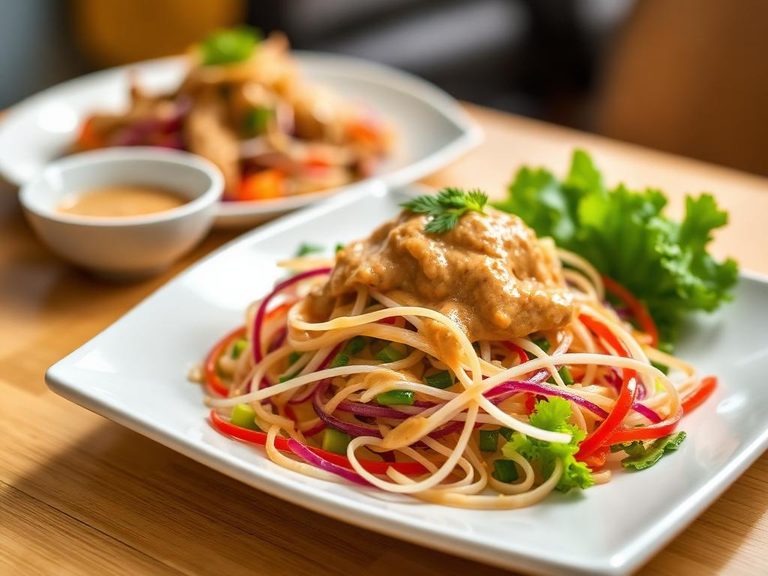
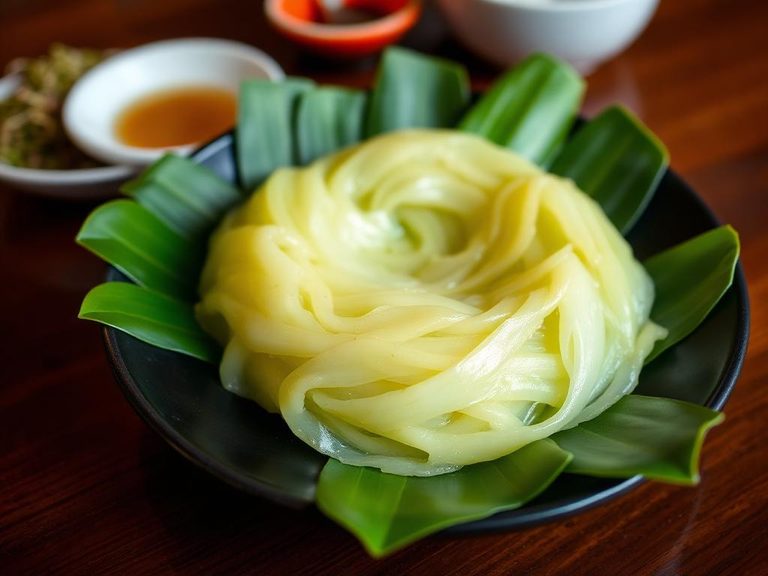
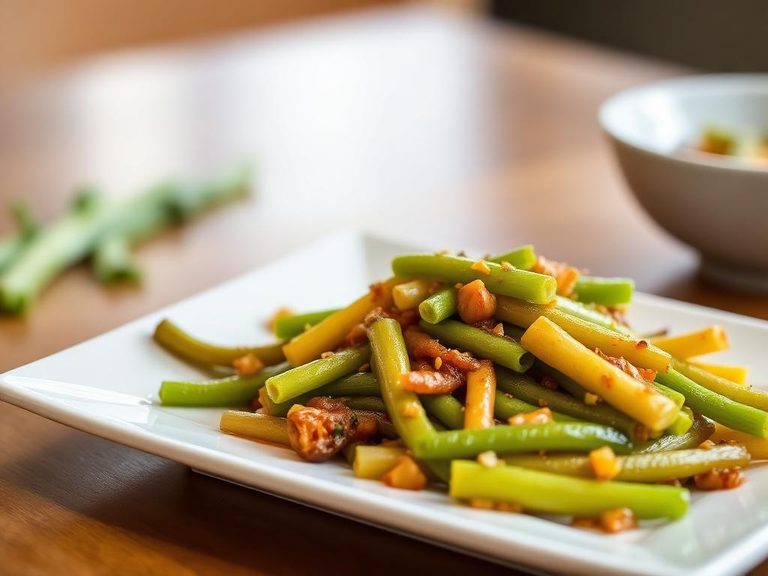
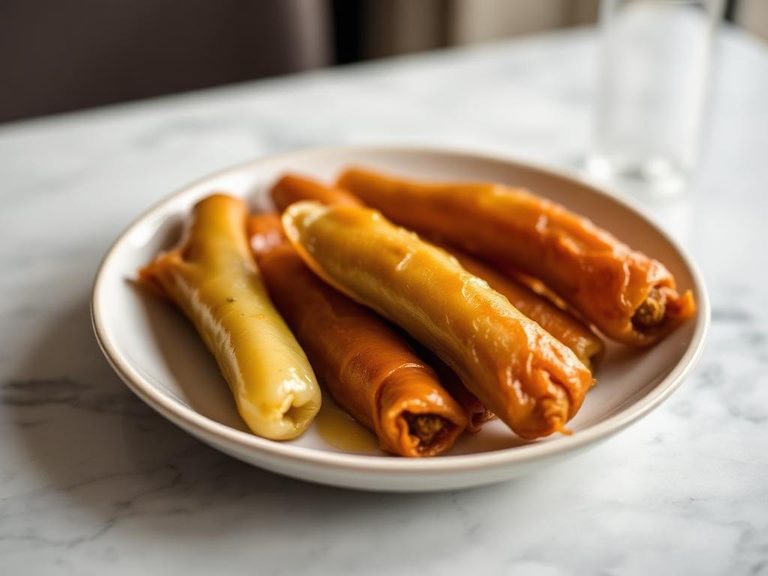
🌍 Where it's eaten
💡 Did you know?
The winged bean plant is a 'four-in-one' crop: its leaves, flowers, pods, and tubers are all edible and nutritious, making it an incredibly efficient food source.
Full nutrition (USDA data · scales with serving)
| Water | 57.4 g |
| Energy | 148 kcal |
| Energy | 619 kj |
| Protein | 11.6 g |
| Total lipid (fat) | 0.90 g |
| Ash | 2.0 g |
| Carbohydrate, by difference | 28.1 g |
| Calcium, Ca | 30.0 mg |
| Iron, Fe | 2.0 mg |
| Magnesium, Mg | 24.0 mg |
| Phosphorus, P | 45.0 mg |
| Potassium, K | 586 mg |
| Sodium, Na | 35.0 mg |
| Zinc, Zn | 1.4 mg |
| Copper, Cu | 1.4 mg |
| Manganese, Mn | 0.53 mg |
| Selenium, Se | 0.70 ug |
| Vitamin C, total ascorbic acid | 0.00 mg |
| Thiamin | 0.38 mg |
| Riboflavin | 0.15 mg |
| Niacin | 1.6 mg |
| Pantothenic acid | 0.12 mg |
| Vitamin B-6 | 0.07 mg |
| Folate, total | 19.0 ug |
| Folic acid | 0.00 ug |
| Folate, food | 19.0 ug |
| Folate, DFE | 19.0 ug |
| Vitamin B-12 | 0.00 ug |
| Vitamin A, RAE | 0.00 ug |
| Retinol | 0.00 ug |
| Vitamin A, IU | 0.00 iu |
| Vitamin D (D2 + D3), International Units | 0.00 iu |
| Vitamin D (D2 + D3) | 0.00 ug |
Fat & fatty acid profile (per 100g)
| Fatty acids, total saturated | 0.22 g |
| SFA 14:0 | 0.00 g |
| SFA 16:0 | 0.06 g |
| SFA 18:0 | 0.04 g |
| Fatty acids, total monounsaturated | 0.23 g |
| MUFA 18:1 | 0.23 g |
| MUFA 22:1 | 0.00 g |
| Fatty acids, total polyunsaturated | 0.17 g |
| PUFA 18:2 | 0.15 g |
| PUFA 18:3 | 0.02 g |
| Fatty acids, total trans | 0.00 g |
| Cholesterol | 0.00 mg |
Amino acid profile (per 100g)
| Tryptophan | 0.25 g |
| Threonine | 0.45 g |
| Isoleucine | 0.42 g |
| Leucine | 0.64 g |
| Lysine | 0.59 g |
| Methionine | 0.14 g |
| Cystine | 0.20 g |
| Phenylalanine | 0.45 g |
| Tyrosine | 0.35 g |
| Valine | 0.60 g |
| Arginine | 0.41 g |
| Histidine | 0.24 g |
| Alanine | 0.40 g |
| Aspartic acid | 1.7 g |
| Glutamic acid | 0.80 g |
| Glycine | 0.39 g |
| Proline | 0.68 g |
| Serine | 0.46 g |
FAQ
What does a raw winged bean tuber taste like?
Raw, it has a mild, slightly nutty flavor with a crisp, crunchy texture similar to a water chestnut or jicama. It's not strongly flavored on its own.
How do you cook winged bean tuber?
It can be stir-fried, boiled, steamed, or added to curries and stews. It's often sliced or diced and cooked until tender-crisp to retain its pleasant crunch.
Is winged bean tuber a good source of protein?
Yes, it's exceptionally high in protein for a root vegetable, with about 11.6 grams per 100 grams, making it a valuable addition to plant-based diets.
Nutrient density (calculated · NRF9.3)
Nutrient Rich Foods index: beneficial nutrients (protein, fiber, vitamins, minerals) minus saturated fat, added sugar & sodium, per 100 kcal.
NRF9.3 index — Fulgoni, Keast & Drewnowski, 2009. Computed from USDA nutrients.
Weight-loss friendliness (composite index)
Energy density 1.48 kcal/g · 31% calories from protein · 0.0 g fiber · 0.0 g sugar per 100 g.
Composite of energy density (Rolls et al., 1999), protein & fiber satiety, minus sugar. A calculated heuristic — ranks satiety-per-calorie, not a clinical measure.
Dietary load (calculated from USDA values)
Potential renal acid load. Positive = acid-forming, negative = alkaline-forming.
Sodium-to-potassium ratio: 0.06 (lower is better — aim for ≤ 1)
Sodium:potassium per WHO potassium guidance. Computed from USDA nutrients.