

Wine, rose
Common food

Photo: Wikipedia
Rosé wine is a versatile, blush-hued beverage made from red grapes with minimal skin contact, yielding a pale salmon to pink color. Its flavor profile ranges from dry and crisp with notes of strawberry and citrus to slightly sweet with hints of melon and rose petal. With just 83 calories and 3.8g of sugar per 100ml, it's a lighter alternative to many red or white wines.
Calorie split: 9% protein · 91% carbs · 0% fat
↓ Full nutrition💚 Why it's loved
People adore rosé for its perfect balance between the refreshing crispness of white wine and the fruity depth of red, making it an ideal all-season sipper. Its cultural association with summer, al fresco dining, and Mediterranean leisure adds to its romantic, laid-back appeal.
⚠️ Watch-outs & how to enjoy it better
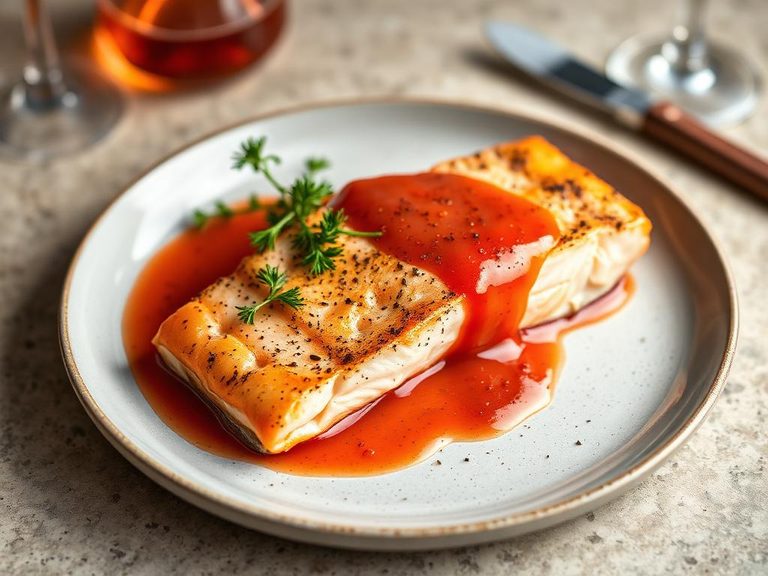
Its sweetness, especially in off-dry styles, can cause blood-sugar spikes if consumed in excess. Those watching alcohol intake should be mindful, as its light flavor can mask its alcohol content. Tip: Opt for a dry (brut) rosé, pair it with protein-rich foods like grilled fish or cheese, and stick to a standard 5-ounce (150ml) pour.
Key benefits
- Contains antioxidants like polyphenols from grape skins
- Lower in calories and sugar than many cocktails or dessert wines
- Refreshing acidity can aid digestion when consumed moderately
- Versatile pairing with a wide range of cuisines
- Often made with sustainable, organic practices in modern vineyards
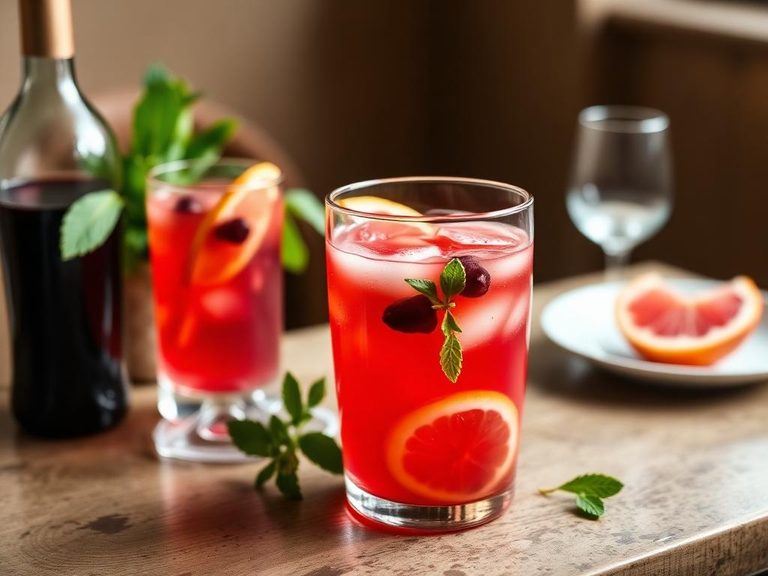
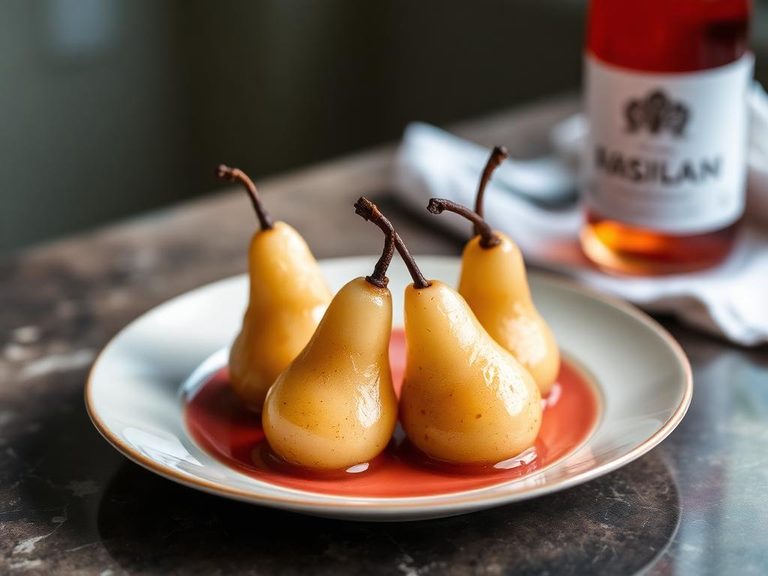
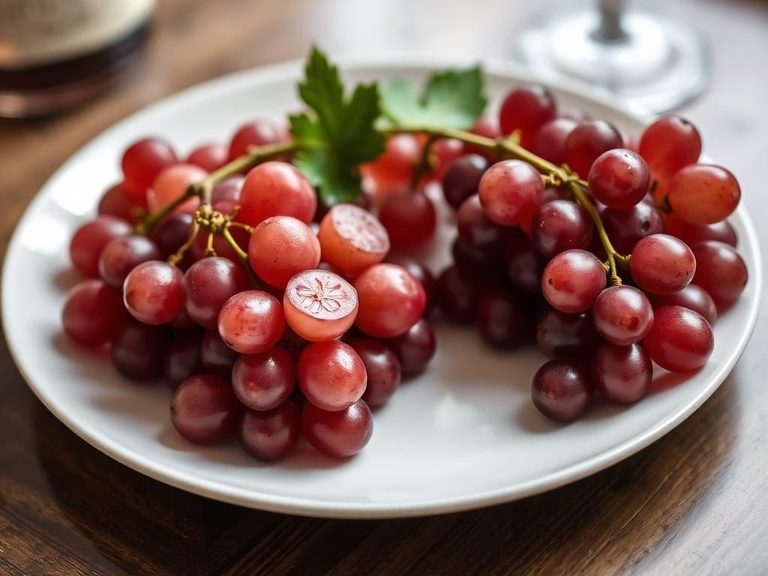
🍽️ Popular dishes
🌍 Where it's eaten
💡 Did you know?
The world's oldest known rosé is from the 2011 discovery of a 2,600-year-old pink wine residue found in a Greek tomb.
Full nutrition (USDA data · scales with serving)
| Water | 86.4 g |
| Energy | 83.0 kcal |
| Protein | 0.36 g |
| Total lipid (fat) | 0.00 g |
| Carbohydrate, by difference | 3.8 g |
| Fiber, total dietary | 0.00 g |
| Total Sugars | 3.8 g |
| Calcium, Ca | 10.0 mg |
| Iron, Fe | 0.20 mg |
| Magnesium, Mg | 10.0 mg |
| Phosphorus, P | 18.0 mg |
| Potassium, K | 59.0 mg |
| Sodium, Na | 5.0 mg |
| Zinc, Zn | 0.11 mg |
| Copper, Cu | 0.01 mg |
| Selenium, Se | 0.20 ug |
| Vitamin C, total ascorbic acid | 0.00 mg |
| Thiamin | 0.02 mg |
| Riboflavin | 0.01 mg |
| Niacin | 0.09 mg |
| Vitamin B-6 | 0.04 mg |
| Folate, total | 1.0 ug |
| Folic acid | 0.00 ug |
| Folate, food | 1.0 ug |
| Folate, DFE | 1.0 ug |
| Choline, total | 0.00 mg |
| Vitamin B-12 | 0.01 ug |
| Vitamin B-12, added | 0.00 ug |
| Vitamin A, RAE | 0.00 ug |
| Retinol | 0.00 ug |
| Carotene, beta | 0.00 ug |
| Carotene, alpha | 0.00 ug |
| Cryptoxanthin, beta | 0.00 ug |
| Lycopene | 0.00 ug |
| Lutein + zeaxanthin | 0.00 ug |
| Vitamin E (alpha-tocopherol) | 0.00 mg |
| Vitamin E, added | 0.00 mg |
| Vitamin D (D2 + D3) | 0.00 ug |
| Vitamin K (phylloquinone) | 0.00 ug |
| Alcohol, ethyl | 9.6 g |
| Caffeine | 0.00 mg |
| Theobromine | 0.00 mg |
Fat & fatty acid profile (per 100g)
| Fatty acids, total saturated | 0.00 g |
| SFA 4:0 | 0.00 g |
| SFA 6:0 | 0.00 g |
| SFA 8:0 | 0.00 g |
| SFA 10:0 | 0.00 g |
| SFA 12:0 | 0.00 g |
| SFA 14:0 | 0.00 g |
| SFA 16:0 | 0.00 g |
| SFA 18:0 | 0.00 g |
| Fatty acids, total monounsaturated | 0.00 g |
| MUFA 16:1 | 0.00 g |
| MUFA 18:1 | 0.00 g |
| MUFA 20:1 | 0.00 g |
| MUFA 22:1 | 0.00 g |
| Fatty acids, total polyunsaturated | 0.00 g |
| PUFA 18:2 | 0.00 g |
| PUFA 18:3 | 0.00 g |
| PUFA 18:4 | 0.00 g |
| PUFA 20:4 | 0.00 g |
| PUFA 20:5 n-3 (EPA) | 0.00 g |
| PUFA 22:5 n-3 (DPA) | 0.00 g |
| PUFA 22:6 n-3 (DHA) | 0.00 g |
| Cholesterol | 0.00 mg |
FAQ
Is rosé wine sweet?
Rosé can range from bone-dry to sweet. Most popular rosés, especially from Provence, are dry with a fruity profile. Always check the label for terms like 'brut' (dry) or 'demi-sec' (semi-sweet).
How should I serve rosé?
Serve well-chilled, between 45-55°F (7-13°C). Lighter, drier styles are best colder, while richer, fruit-forward rosés can be slightly warmer to release their aromas.
What food pairs best with rosé?
Its versatility shines with salads, grilled chicken, seafood, charcuterie, and even spicy cuisines like Thai or Mexican. Dry rosé complements fatty fish, while sweeter styles pair well with fruit-based desserts.
Nutrient density (calculated · NRF9.3)
Nutrient Rich Foods index: beneficial nutrients (protein, fiber, vitamins, minerals) minus saturated fat, added sugar & sodium, per 100 kcal.
NRF9.3 index — Fulgoni, Keast & Drewnowski, 2009. Computed from USDA nutrients.
Weight-loss friendliness (composite index)
Energy density 0.83 kcal/g · 2% calories from protein · 0.0 g fiber · 3.8 g sugar per 100 g.
Composite of energy density (Rolls et al., 1999), protein & fiber satiety, minus sugar. A calculated heuristic — ranks satiety-per-calorie, not a clinical measure.
Dietary load (calculated from USDA values)
Potential renal acid load. Positive = acid-forming, negative = alkaline-forming.
Sodium-to-potassium ratio: 0.08 (lower is better — aim for ≤ 1)
Sodium:potassium per WHO potassium guidance. Computed from USDA nutrients.