Rosé Jelly or Rosé Butter
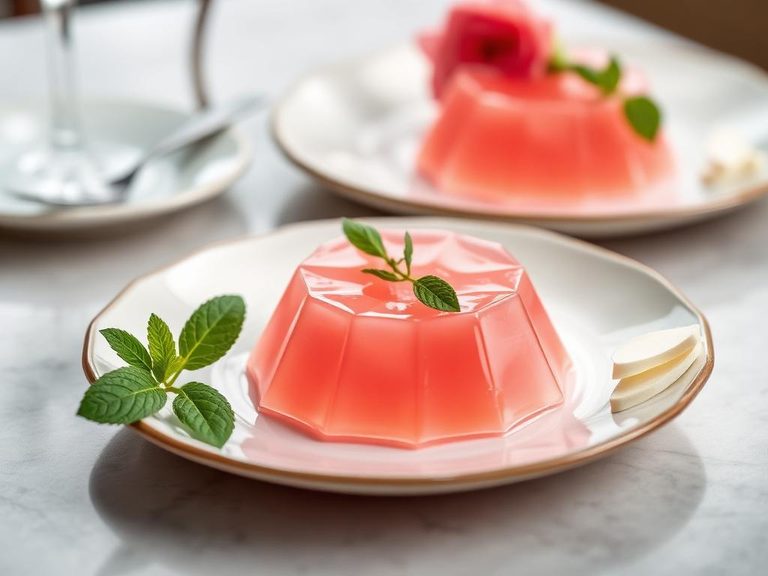
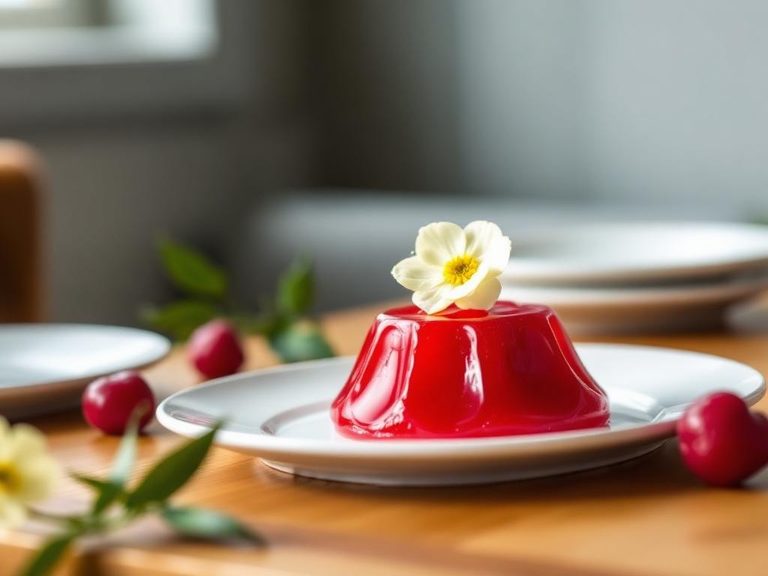
Rosé Jelly, also known as Rosé Butter, is a sweet, translucent confection traditionally made by clarifying butter and simmering it with sugar, often flavored with rosewater or fruit essences. It originates from the Indian subcontinent, particularly popular in regions like Bengal and Odisha, where it is a beloved festive treat. The dish is characterized by its rich, buttery base and delicate floral aroma.
🍽️ Nutrition at a glance
This is a high-fat and high-carb dessert, with minimal protein, as it is primarily composed of butter and sugar. A typical 100g serving can provide around 400-500 calories, offering a quick energy boost along with fat-soluble vitamins like Vitamin A from the butter.
Nutrition breakdown
| Calories | 180 kcal |
| Protein | 0.2 g |
| Carbs | 45 g |
| Fat | 0.1 g |
| Fiber | 0 g |
| Sugar | 40 g |
| Sodium | 10 mg |
| Potassium | 20 mg |
| Vitamin C | 2 mg |
Per 1/2 cup (120 g) · estimated, varies by recipe
💡 What's interesting
Culturally, Rosé Jelly is often associated with celebrations and is a traditional homemade sweet passed down through generations. Its unique preparation method, which involves carefully cooking butter until it clarifies and separates, results in a distinctive texture that is both smooth and slightly granular, setting it apart from other confections.