

Tequila
Common food

Photo: Wikipedia
Tequila is a potent, clear to amber-colored spirit distilled from the fermented juice of the blue agave plant, primarily in the Mexican state of Jalisco. It delivers a distinctive, earthy-sweet flavor with peppery, citrus, or caramel notes depending on its aging, and a smooth, warming texture. Nutritionally, it is a source of pure, metabolizable energy (231 kcal per 100g) with zero protein, carbohydrates, fat, or sugar.
💚 Why it's loved
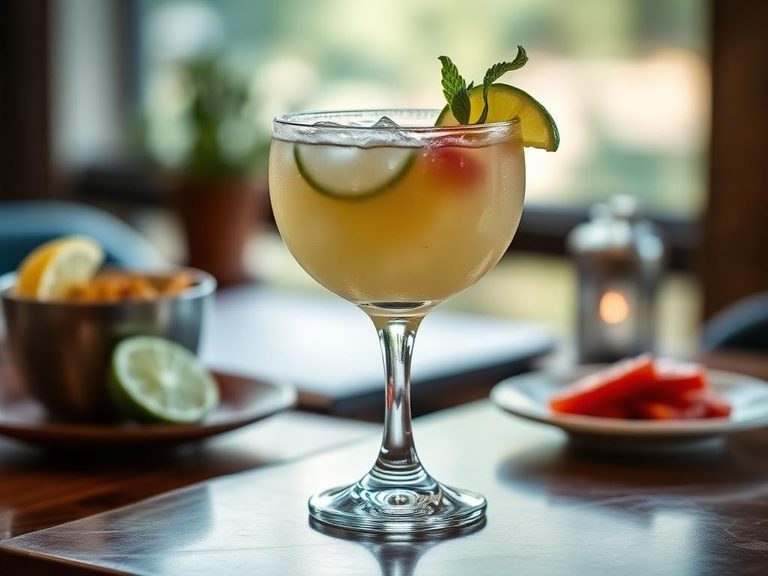
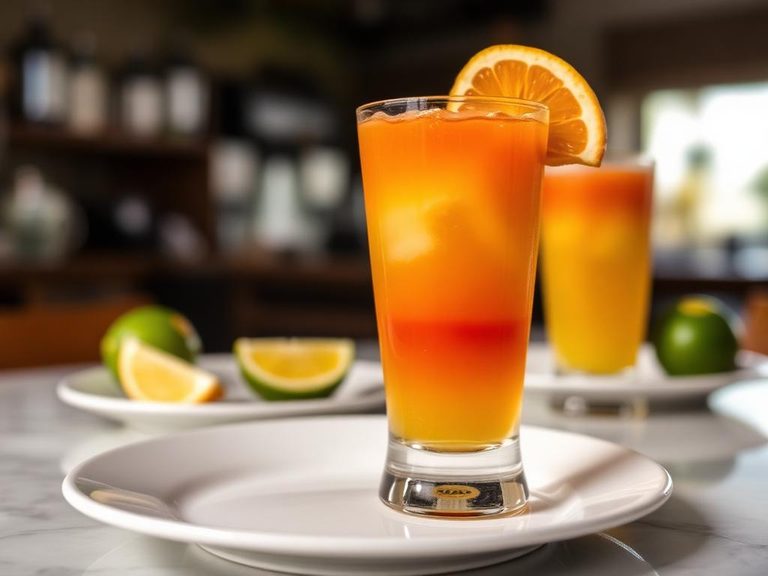
People love tequila for its complex, terroir-driven flavor profile that ranges from bright and vegetal to rich and oaky, and for its deep cultural significance in celebrations and social gatherings. Its versatility makes it the backbone of iconic cocktails like the Margarita and Paloma, while premium añejos are savored neat.
⚠️ Watch-outs & how to enjoy it better
The primary downside is its high alcohol content, which can lead to intoxication, impaired judgment, and long-term health risks if consumed excessively. Those with liver conditions, who are pregnant, or taking certain medications should avoid it. To counteract negative effects, always consume with food (especially protein and fat to slow absorption), practice strict portion control (a standard drink is ~44ml), and hydrate with water between servings.
Key benefits
- Provides a concentrated source of energy (231 kcal/100ml)
- Contains no carbohydrates, sugars, or fats
- Can be part of a moderate, mindful social ritual
- Some studies suggest moderate consumption may be linked to certain cardiovascular benefits
🍽️ Popular dishes

🌍 Where it's eaten
💡 Did you know?
The 'worm' sometimes found in bottles of mezcal (a tequila relative) is actually a moth larva, and its presence is a marketing gimmick, not a mark of quality or authenticity.
Full nutrition (USDA data · scales with serving)
| Water | 66.6 g |
| Energy | 231 kcal |
| Protein | 0.00 g |
| Total lipid (fat) | 0.00 g |
| Carbohydrate, by difference | 0.00 g |
| Fiber, total dietary | 0.00 g |
| Total Sugars | 0.00 g |
| Calcium, Ca | 0.00 mg |
| Iron, Fe | 0.04 mg |
| Magnesium, Mg | 0.00 mg |
| Phosphorus, P | 4.0 mg |
| Potassium, K | 2.0 mg |
| Sodium, Na | 1.0 mg |
| Zinc, Zn | 0.04 mg |
| Copper, Cu | 0.02 mg |
| Selenium, Se | 0.00 ug |
| Vitamin C, total ascorbic acid | 0.00 mg |
| Thiamin | 0.01 mg |
| Riboflavin | 0.00 mg |
| Niacin | 0.01 mg |
| Vitamin B-6 | 0.00 mg |
| Folate, total | 0.00 ug |
| Folic acid | 0.00 ug |
| Folate, food | 0.00 ug |
| Folate, DFE | 0.00 ug |
| Choline, total | 0.00 mg |
| Vitamin B-12 | 0.00 ug |
| Vitamin B-12, added | 0.00 ug |
| Vitamin A, RAE | 0.00 ug |
| Retinol | 0.00 ug |
| Carotene, beta | 0.00 ug |
| Carotene, alpha | 0.00 ug |
| Cryptoxanthin, beta | 0.00 ug |
| Lycopene | 0.00 ug |
| Lutein + zeaxanthin | 0.00 ug |
| Vitamin E (alpha-tocopherol) | 0.00 mg |
| Vitamin E, added | 0.00 mg |
| Vitamin D (D2 + D3) | 0.00 ug |
| Vitamin K (phylloquinone) | 0.00 ug |
| Alcohol, ethyl | 33.4 g |
| Caffeine | 0.00 mg |
| Theobromine | 0.00 mg |
Fat & fatty acid profile (per 100g)
| Fatty acids, total saturated | 0.00 g |
| SFA 4:0 | 0.00 g |
| SFA 6:0 | 0.00 g |
| SFA 8:0 | 0.00 g |
| SFA 10:0 | 0.00 g |
| SFA 12:0 | 0.00 g |
| SFA 14:0 | 0.00 g |
| SFA 16:0 | 0.00 g |
| SFA 18:0 | 0.00 g |
| Fatty acids, total monounsaturated | 0.00 g |
| MUFA 16:1 | 0.00 g |
| MUFA 18:1 | 0.00 g |
| MUFA 20:1 | 0.00 g |
| MUFA 22:1 | 0.00 g |
| Fatty acids, total polyunsaturated | 0.00 g |
| PUFA 18:2 | 0.00 g |
| PUFA 18:3 | 0.00 g |
| PUFA 18:4 | 0.00 g |
| PUFA 20:4 | 0.00 g |
| PUFA 20:5 n-3 (EPA) | 0.00 g |
| PUFA 22:5 n-3 (DPA) | 0.00 g |
| PUFA 22:6 n-3 (DHA) | 0.00 g |
| Cholesterol | 0.00 mg |
FAQ
Is tequila gluten-free?
Yes. Authentic tequila is made from the blue agave plant and is naturally gluten-free, making it a safe choice for those with celiac disease or gluten sensitivity.
What's the difference between Blanco, Reposado, and Añejo tequila?
Blanco (or silver) is unaged or aged less than 2 months, offering a pure agave flavor. Reposado is 'rested' in oak barrels for 2-12 months, gaining smoother, vanilla notes. Añejo is aged 1-3 years, resulting in a darker, richer, and more complex spirit.
Does tequila have sugar or carbs?
No. Pure, 100% agave tequila contains 0g of sugar, carbs, protein, or fat. However, flavored tequilas or pre-made cocktail mixes often contain added sugars.
Nutrient density (calculated · NRF9.3)
Nutrient Rich Foods index: beneficial nutrients (protein, fiber, vitamins, minerals) minus saturated fat, added sugar & sodium, per 100 kcal.
NRF9.3 index — Fulgoni, Keast & Drewnowski, 2009. Computed from USDA nutrients.
Weight-loss friendliness (composite index)
Energy density 2.31 kcal/g · 0% calories from protein · 0.0 g fiber · 0.0 g sugar per 100 g.
Composite of energy density (Rolls et al., 1999), protein & fiber satiety, minus sugar. A calculated heuristic — ranks satiety-per-calorie, not a clinical measure.
Dietary load (calculated from USDA values)
Potential renal acid load. Positive = acid-forming, negative = alkaline-forming.
Sodium-to-potassium ratio: 0.50 (lower is better — aim for ≤ 1)
Sodium:potassium per WHO potassium guidance. Computed from USDA nutrients.