

Taro, tahitian, cooked, without salt
Whole food · Vegetables and Vegetable Products

Photo: Wikipedia
Tahitian taro, a variety of the starchy root vegetable, transforms into a creamy, subtly sweet treat when cooked. Its texture is uniquely smooth and slightly gluey, often compared to a denser, more flavorful potato. Nutritionally, it's a low-calorie, gluten-free source of complex carbohydrates and plant-based protein.
Calorie split: 33% protein · 55% carbs · 12% fat
↓ Full nutrition💚 Why it's loved
People cherish Tahitian taro for its comforting, earthy sweetness and velvety texture that absorbs flavors beautifully. It's a beloved staple in Pacific Island cultures, symbolizing sustenance and connection to the land.
⚠️ Watch-outs & how to enjoy it better
Its high starch content can cause rapid blood sugar spikes if eaten alone, so it's best paired with protein or healthy fats. The raw plant contains calcium oxalate crystals, which can cause irritation; always cook it thoroughly to neutralize them.
Key benefits
- Good source of complex carbohydrates for sustained energy
- Provides plant-based protein for muscle maintenance
- Naturally low in fat and sodium
- Gluten-free and suitable for celiac diets
- Contains essential minerals like potassium and magnesium
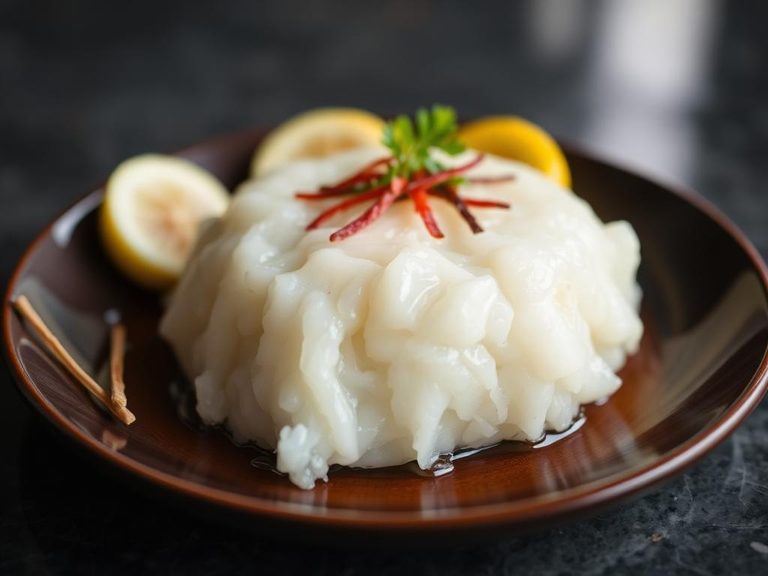
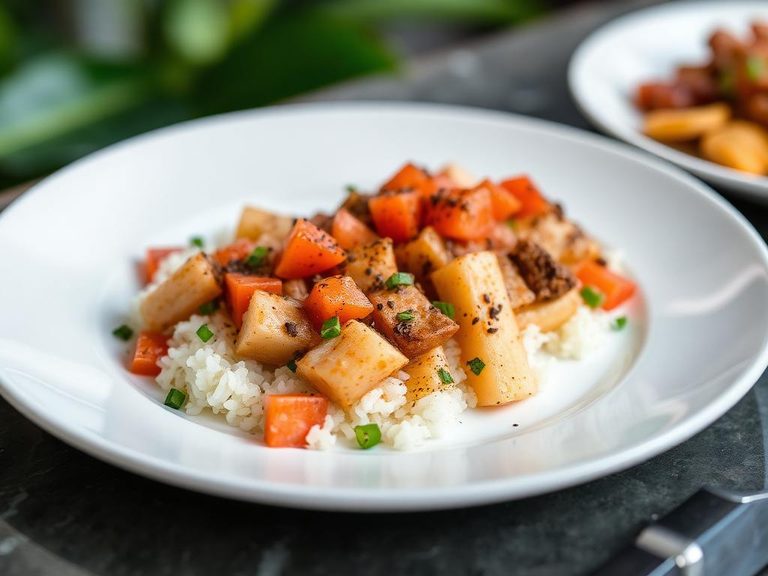
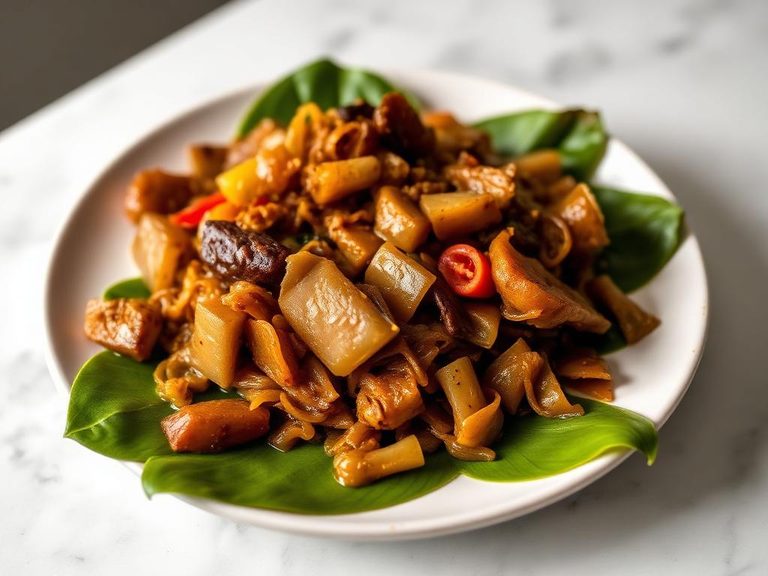
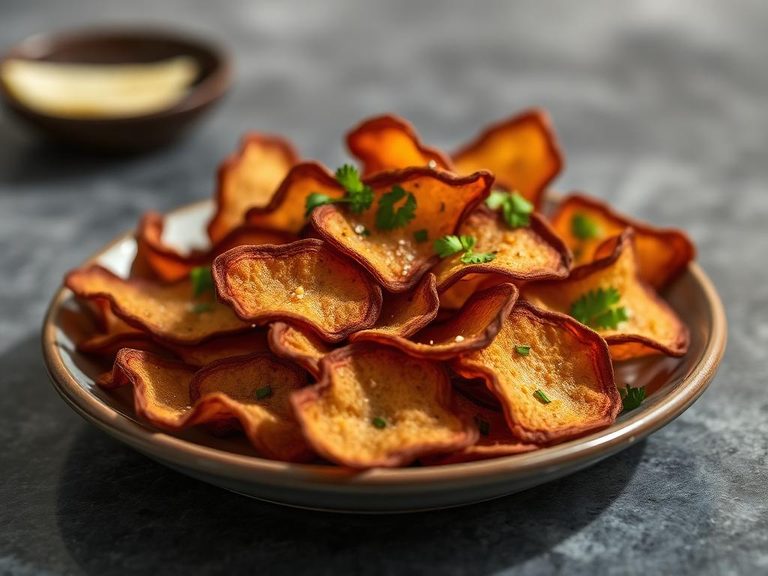
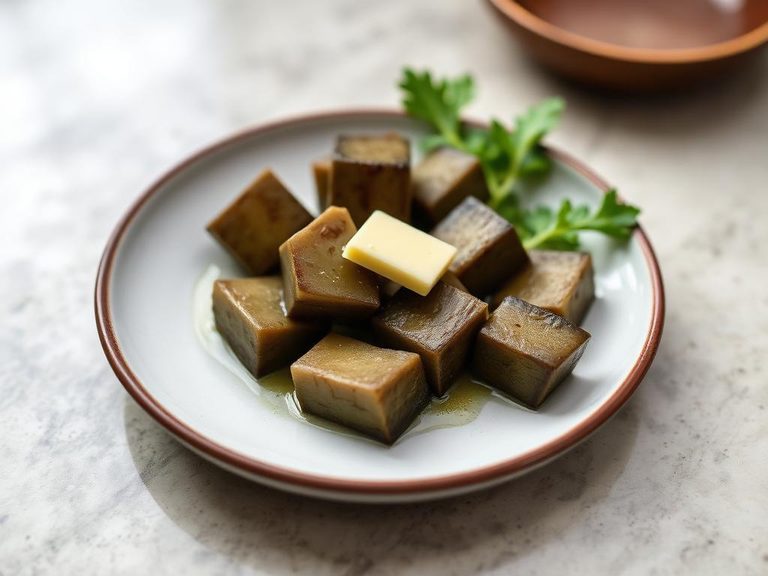
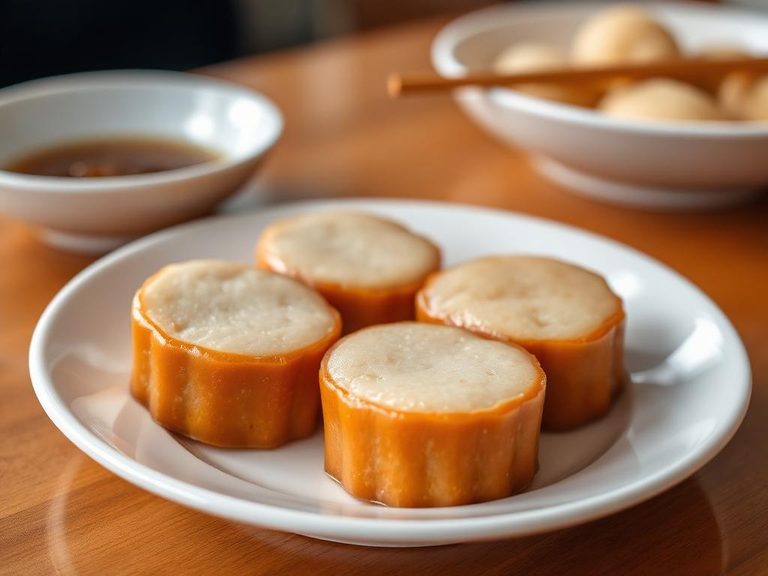
🍽️ Popular dishes
🌍 Where it's eaten
💡 Did you know?
Taro is one of the earliest cultivated crops, with evidence of its domestication in New Guinea dating back over 10,000 years, making it a true ancient superfood.
Full nutrition (USDA data · scales with serving)
| Water | 86.5 g |
| Energy | 44.0 kcal |
| Energy | 184 kj |
| Protein | 4.2 g |
| Total lipid (fat) | 0.68 g |
| Ash | 1.9 g |
| Carbohydrate, by difference | 6.8 g |
| Calcium, Ca | 149 mg |
| Iron, Fe | 1.6 mg |
| Magnesium, Mg | 51.0 mg |
| Phosphorus, P | 67.0 mg |
| Potassium, K | 623 mg |
| Sodium, Na | 54.0 mg |
| Zinc, Zn | 0.10 mg |
| Copper, Cu | 0.08 mg |
| Manganese, Mn | 0.17 mg |
| Selenium, Se | 0.80 ug |
| Vitamin C, total ascorbic acid | 38.0 mg |
| Thiamin | 0.04 mg |
| Riboflavin | 0.20 mg |
| Niacin | 0.48 mg |
| Pantothenic acid | 0.13 mg |
| Vitamin B-6 | 0.12 mg |
| Folate, total | 7.0 ug |
| Folic acid | 0.00 ug |
| Folate, food | 7.0 ug |
| Folate, DFE | 7.0 ug |
| Vitamin B-12 | 0.00 ug |
| Vitamin A, RAE | 88.0 ug |
| Retinol | 0.00 ug |
| Vitamin A, IU | 1764 iu |
| Vitamin D (D2 + D3), International Units | 0.00 iu |
| Vitamin D (D2 + D3) | 0.00 ug |
Fat & fatty acid profile (per 100g)
| Fatty acids, total saturated | 0.14 g |
| SFA 16:0 | 0.12 g |
| SFA 18:0 | 0.02 g |
| Fatty acids, total monounsaturated | 0.06 g |
| MUFA 18:1 | 0.06 g |
| Fatty acids, total polyunsaturated | 0.28 g |
| PUFA 18:2 | 0.20 g |
| PUFA 18:3 | 0.09 g |
| Fatty acids, total trans | 0.00 g |
| Cholesterol | 0.00 mg |
Amino acid profile (per 100g)
Estimated from Taro, cooked, without salt — USDA does not publish this profile for Taro.
| Tryptophan | 0.01 g |
| Threonine | 0.02 g |
| Isoleucine | 0.02 g |
| Leucine | 0.04 g |
| Lysine | 0.02 g |
| Methionine | 0.01 g |
| Cystine | 0.01 g |
| Phenylalanine | 0.03 g |
| Tyrosine | 0.02 g |
| Valine | 0.03 g |
| Arginine | 0.04 g |
| Histidine | 0.01 g |
| Alanine | 0.03 g |
| Aspartic acid | 0.07 g |
| Glutamic acid | 0.06 g |
| Glycine | 0.03 g |
| Proline | 0.02 g |
| Serine | 0.03 g |
FAQ
How do I know when taro is fully cooked?
It should be fork-tender throughout, with no hard or chalky center. The color will lighten slightly, and the texture will become uniformly soft and creamy.
Can I eat taro raw?
No. Raw taro contains irritating calcium oxalate crystals. It must be boiled, steamed, or baked thoroughly to break down these compounds and make it safe and digestible.
What's the difference between taro and sweet potato?
Taro is a starchy root with a milder, nuttier flavor and a denser, stickier texture when cooked. Sweet potatoes are sweeter, softer, and have a more fibrous consistency.
Nutrient density (calculated · NRF9.3)
Nutrient Rich Foods index: beneficial nutrients (protein, fiber, vitamins, minerals) minus saturated fat, added sugar & sodium, per 100 kcal.
NRF9.3 index — Fulgoni, Keast & Drewnowski, 2009. Computed from USDA nutrients.
Weight-loss friendliness (composite index)
Energy density 0.44 kcal/g · 38% calories from protein · 0.0 g fiber · 0.0 g sugar per 100 g.
Composite of energy density (Rolls et al., 1999), protein & fiber satiety, minus sugar. A calculated heuristic — ranks satiety-per-calorie, not a clinical measure.
Dietary load (calculated from USDA values)
Potential renal acid load. Positive = acid-forming, negative = alkaline-forming.
Sodium-to-potassium ratio: 0.09 (lower is better — aim for ≤ 1)
Sodium:potassium per WHO potassium guidance. Computed from USDA nutrients.