

Soy meal, defatted, raw
Whole food · Legumes and Legume Products

Photo: Wikipedia
Soy meal, defatted, is the high-protein, low-fat byproduct left after soybeans are pressed for oil. It has a dry, crumbly texture and a mild, beany, slightly nutty flavor. It is a nutritional powerhouse, packing nearly 50 grams of protein per 100 grams with minimal fat.
Calorie split: 54% protein · 40% carbs · 6% fat
↓ Full nutrition💚 Why it's loved
It's beloved as an affordable, versatile protein booster that can be seamlessly incorporated into baked goods, cereals, and meat substitutes without overwhelming other flavors.
⚠️ Watch-outs & how to enjoy it better
As a concentrated soy product, it contains anti-nutrients like phytates and trypsin inhibitors, which can reduce mineral absorption and digestibility; these are significantly reduced by proper cooking or fermentation. It is also a common allergen, so those with soy allergies must avoid it. Pairing it with vitamin C-rich foods can enhance iron absorption.
Key benefits
- Exceptionally high in complete plant protein
- Very low in fat, especially saturated fat
- Good source of B vitamins and minerals like iron and phosphorus
- Cost-effective protein source for food fortification
- Provides essential amino acids, including lysine
🍽️ Popular dishes
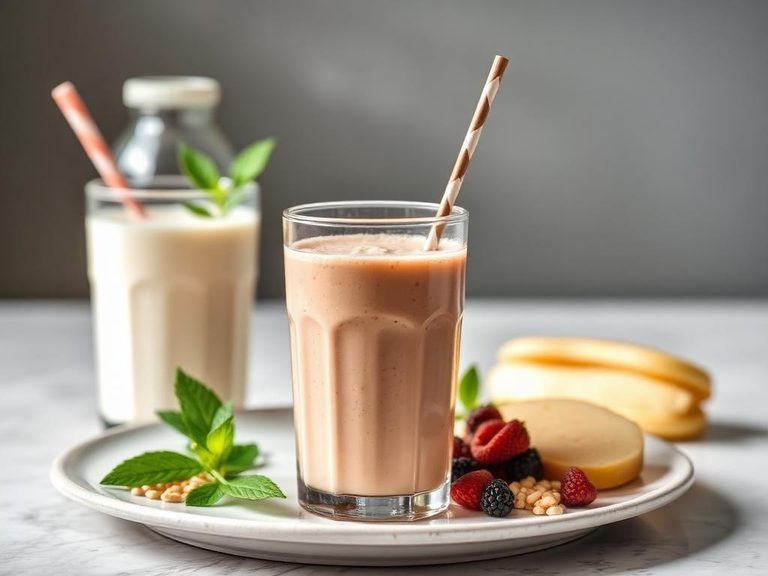
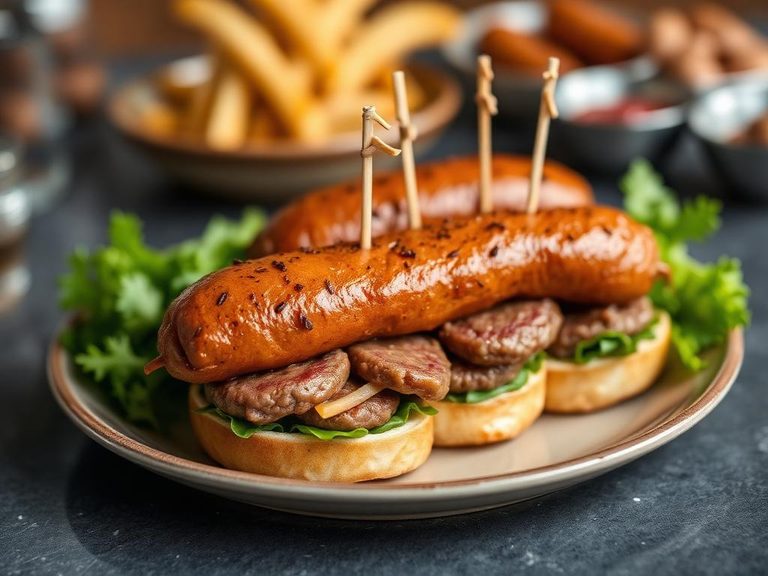

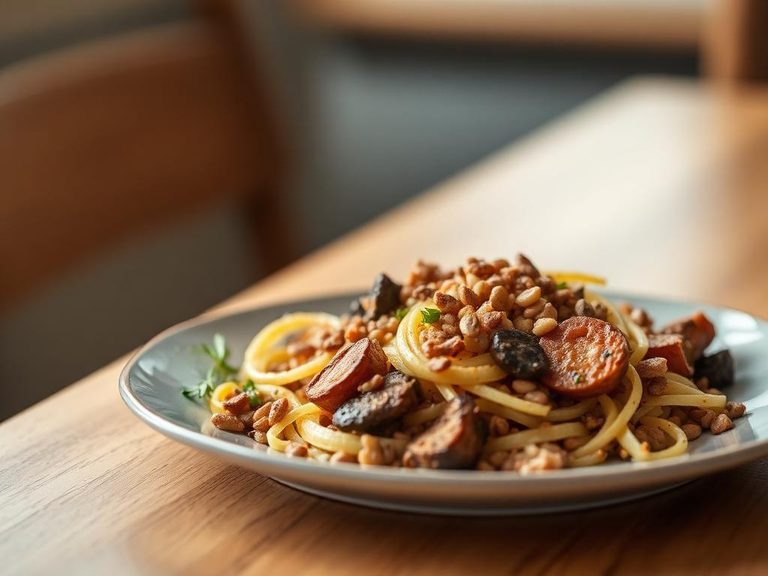
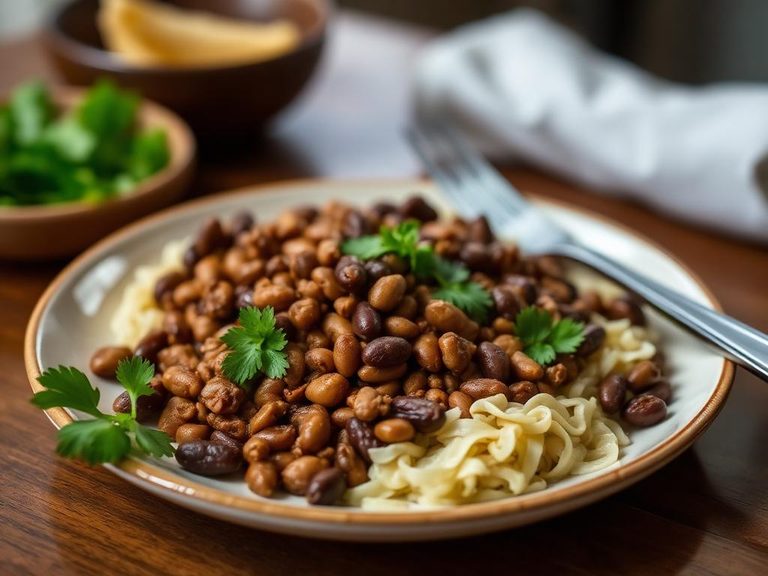
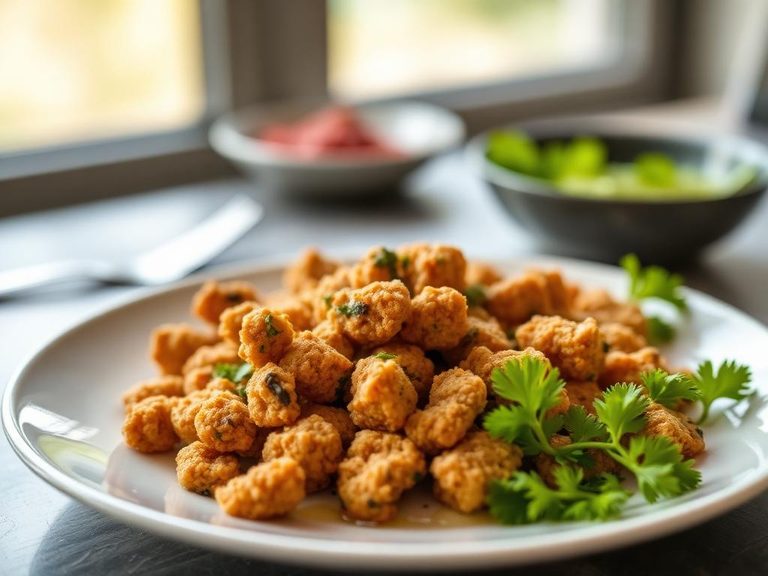
🌍 Where it's eaten
💡 Did you know?
The vast majority of defatted soy meal produced globally—over 95%—isn't eaten by people at all; it's used as a high-protein feed for livestock, especially poultry and swine.
Full nutrition (USDA data · scales with serving)
| Water | 6.9 g |
| Energy | 337 kcal |
| Energy | 1409 kj |
| Protein | 49.2 g |
| Total lipid (fat) | 2.4 g |
| Ash | 5.6 g |
| Carbohydrate, by difference | 35.9 g |
| Calcium, Ca | 244 mg |
| Iron, Fe | 13.7 mg |
| Magnesium, Mg | 306 mg |
| Phosphorus, P | 701 mg |
| Potassium, K | 2490 mg |
| Sodium, Na | 3.0 mg |
| Zinc, Zn | 5.1 mg |
| Copper, Cu | 2.0 mg |
| Manganese, Mn | 3.8 mg |
| Selenium, Se | 3.3 ug |
| Vitamin C, total ascorbic acid | 0.00 mg |
| Thiamin | 0.69 mg |
| Riboflavin | 0.25 mg |
| Niacin | 2.6 mg |
| Pantothenic acid | 2.0 mg |
| Vitamin B-6 | 0.57 mg |
| Folate, total | 303 ug |
| Folic acid | 0.00 ug |
| Folate, food | 303 ug |
| Folate, DFE | 303 ug |
| Vitamin B-12 | 0.00 ug |
| Vitamin A, RAE | 2.0 ug |
| Retinol | 0.00 ug |
| Vitamin A, IU | 40.0 iu |
| Vitamin D (D2 + D3), International Units | 0.00 iu |
| Vitamin D (D2 + D3) | 0.00 ug |
Fat & fatty acid profile (per 100g)
| Fatty acids, total saturated | 0.27 g |
| SFA 14:0 | 0.01 g |
| SFA 16:0 | 0.20 g |
| SFA 18:0 | 0.07 g |
| Fatty acids, total monounsaturated | 0.41 g |
| MUFA 16:1 | 0.01 g |
| MUFA 18:1 | 0.40 g |
| Fatty acids, total polyunsaturated | 1.0 g |
| PUFA 18:2 | 0.92 g |
| PUFA 18:3 | 0.12 g |
| Fatty acids, total trans | 0.00 g |
| Cholesterol | 0.00 mg |
Amino acid profile (per 100g)
| Tryptophan | 0.65 g |
| Threonine | 2.0 g |
| Isoleucine | 2.2 g |
| Leucine | 3.7 g |
| Lysine | 3.0 g |
| Methionine | 0.61 g |
| Cystine | 0.72 g |
| Phenylalanine | 2.3 g |
| Tyrosine | 1.7 g |
| Valine | 2.2 g |
| Arginine | 3.5 g |
| Histidine | 1.2 g |
| Alanine | 2.1 g |
| Aspartic acid | 5.7 g |
| Glutamic acid | 8.7 g |
| Glycine | 2.1 g |
| Proline | 2.6 g |
| Serine | 2.6 g |
FAQ
How is defatted soy meal different from soy flour?
Defatted soy meal is made after oil extraction, leaving a high-protein, low-fat product. Full-fat soy flour retains the bean's natural oils and has a higher fat content.
Can I use it in home cooking?
Yes, but it's very dry and concentrated. It's best used as an ingredient to boost protein in smoothies, baked goods, or homemade veggie burgers, not eaten plain.
Is it the same as soy protein powder?
Not exactly. Defatted meal is a less processed starting material. Soy protein isolate or concentrate are further refined to remove more carbs and fiber, resulting in an even higher protein percentage.
Nutrient density (calculated · NRF9.3)
Nutrient Rich Foods index: beneficial nutrients (protein, fiber, vitamins, minerals) minus saturated fat, added sugar & sodium, per 100 kcal.
NRF9.3 index — Fulgoni, Keast & Drewnowski, 2009. Computed from USDA nutrients.
Weight-loss friendliness (composite index)
Energy density 3.37 kcal/g · 58% calories from protein · 0.0 g fiber · 0.0 g sugar per 100 g.
Composite of energy density (Rolls et al., 1999), protein & fiber satiety, minus sugar. A calculated heuristic — ranks satiety-per-calorie, not a clinical measure.
Dietary load (calculated from USDA values)
Potential renal acid load. Positive = acid-forming, negative = alkaline-forming.
Sodium-to-potassium ratio: 0.00 (lower is better — aim for ≤ 1)
Sodium:potassium per WHO potassium guidance. Computed from USDA nutrients.