Textured vegetable protein (TVP)
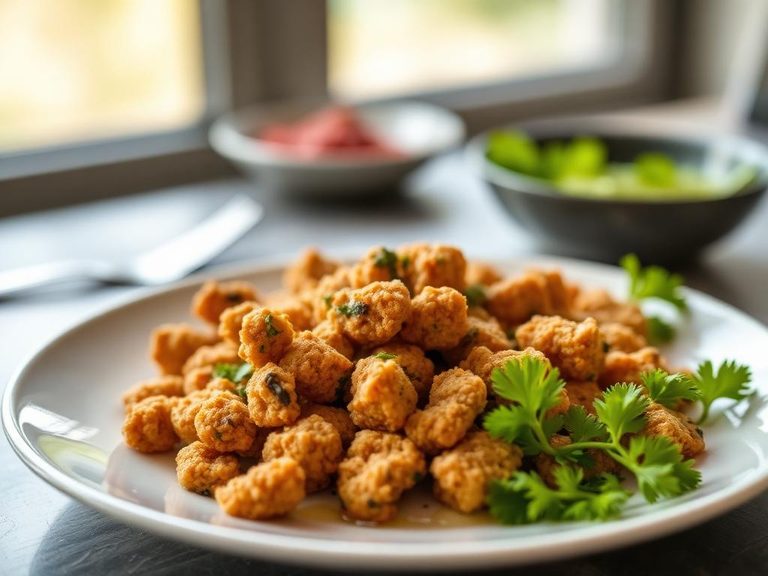
Textured vegetable protein (TVR) is a highly versatile, plant-based protein source made from defatted soy flour that has been cooked under pressure and dried. It is a staple in vegetarian and vegan cooking worldwide, often used as a meat substitute in dishes like chili, tacos, and bolognese. Originally developed in the 1960s, it is now a common pantry item in health food stores and supermarkets.
🍽️ Nutrition at a glance
TVP is exceptionally high in protein and very low in fat, making it a lean, nutrient-dense option. A typical serving provides a substantial amount of dietary fiber, iron, and B vitamins, with a calorie count that is relatively low for its protein content.
Nutrition breakdown
| Calories | 110 kcal |
| Protein | 24 g |
| Carbs | 8 g |
| Fat | 0.5 g |
| Fiber | 5 g |
| Sugar | 2 g |
| Sodium | 10 mg |
| Iron | 4.5 mg |
| Potassium | 350 mg |
| Magnesium | 60 mg |
| Phosphorus | 210 mg |
| Folate (B9) | 120 mcg |
| Thiamine (B1) | 0.3 mg |
| Calcium | 80 mg |
| Zinc | 1.5 mg |
Per 1/2 cup dry (approx. 60 g), which rehydrates to about 1 cup · estimated, varies by recipe
💡 What's interesting
Nutritionally, TVP is unique because it's a 'complete protein,' containing all nine essential amino acids, which is rare for plant-based foods. Culturally, it became a cornerstone of the 1970s health food movement and remains a key ingredient for creating affordable, high-protein meat alternatives globally.