

Snowpeas, NS as to form, cooked
Common food

Photo: Wikipedia
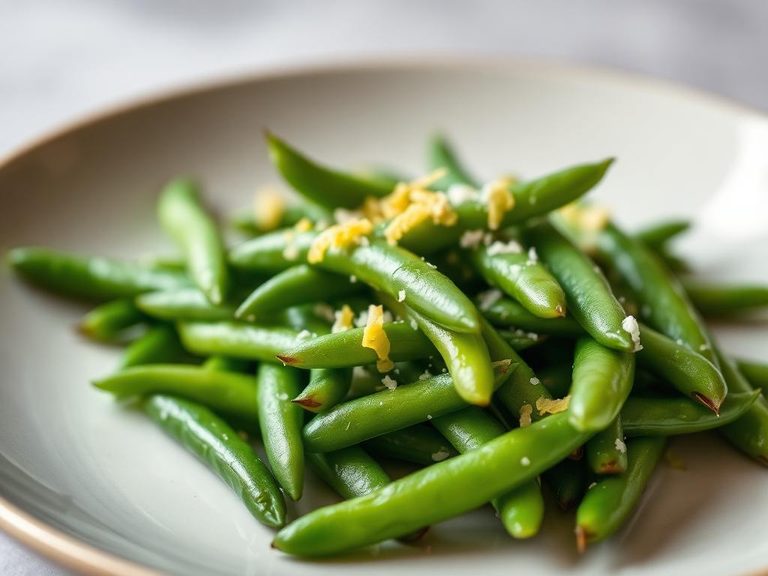
Snow peas are delicate, edible-pod peas harvested before the seeds fully develop, offering a crisp, juicy snap and a bright, subtly sweet flavor. Cooked, they retain a satisfying crunch and vibrant green color, making them a nutritional standout for their low-calorie density and impressive fiber content.
Calorie split: 17% protein · 45% carbs · 38% fat
↓ Full nutrition💚 Why it's loved
People adore snow peas for their perfect balance of sweetness and freshness, and their ability to add a crisp texture to both quick stir-fries and elegant salads. They are a staple in Asian cuisines, symbolizing spring and renewal, and are prized for their versatility in both raw and cooked preparations.
⚠️ Watch-outs & how to enjoy it better
Snow peas contain moderate levels of oxalates, which can be a concern for individuals prone to certain kidney stones; pairing them with calcium-rich foods like tofu or dairy can help mitigate this. They also have a modest amount of natural sugars, so those monitoring blood glucose should practice portion control and combine them with protein or healthy fats in a meal.
Key benefits
- Excellent source of vitamin C and vitamin K
- High in dietary fiber for digestive health
- Provides plant-based protein with minimal calories
- Rich in antioxidants like lutein and zeaxanthin
- Contains iron and folate essential for cell function
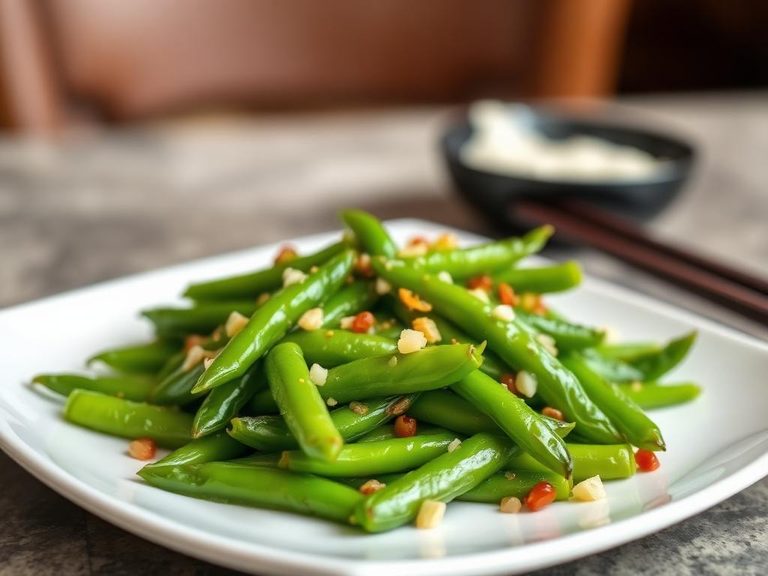
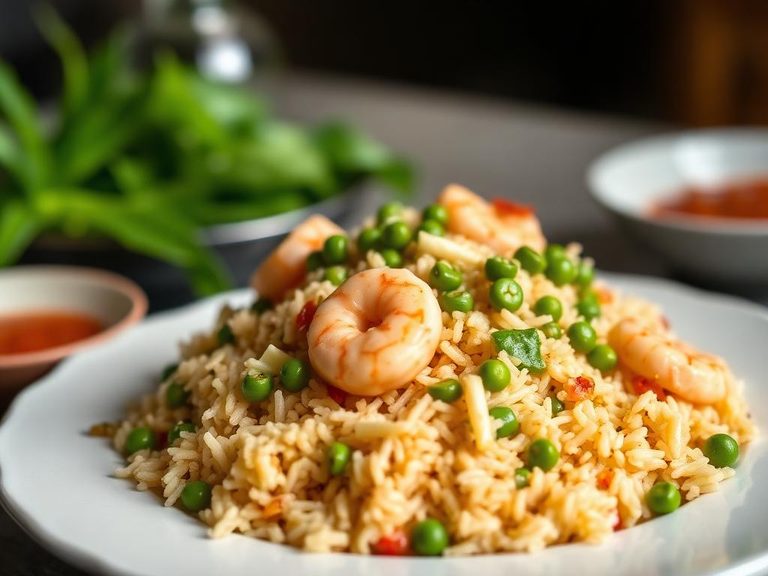
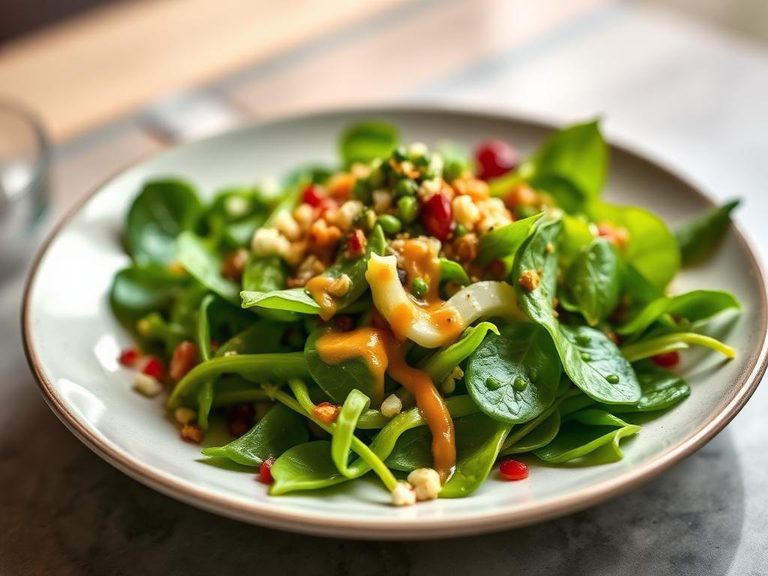
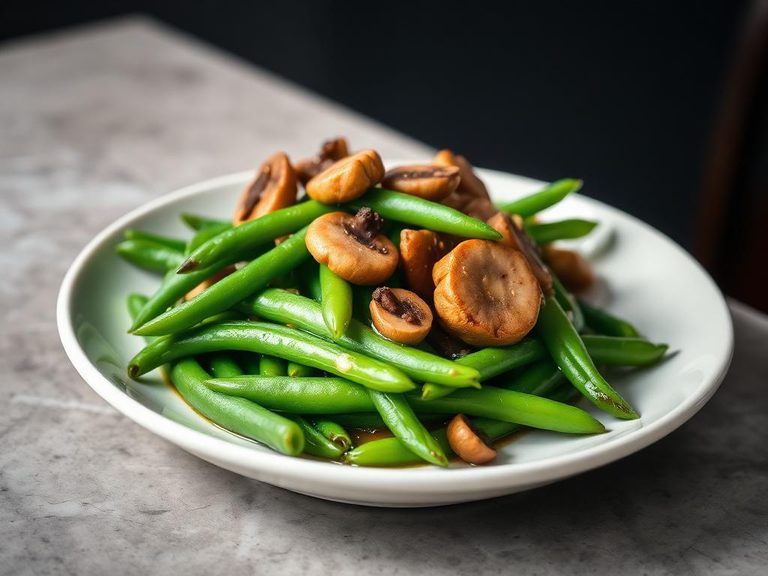
🍽️ Popular dishes

🌍 Where it's eaten
💡 Did you know?
Snow peas are technically a variety of field pea (Pisum sativum var. saccharatum) bred specifically for their flat, tender pods, which lack the tough inner membrane found in shelling peas.
Full nutrition (USDA data · scales with serving)
| Water | 85.8 g |
| Energy | 66.0 kcal |
| Protein | 2.8 g |
| Total lipid (fat) | 2.9 g |
| Carbohydrate, by difference | 7.6 g |
| Fiber, total dietary | 2.6 g |
| Total Sugars | 4.0 g |
| Calcium, Ca | 44.0 mg |
| Iron, Fe | 2.1 mg |
| Magnesium, Mg | 24.0 mg |
| Phosphorus, P | 54.0 mg |
| Potassium, K | 202 mg |
| Sodium, Na | 130 mg |
| Zinc, Zn | 0.27 mg |
| Copper, Cu | 0.08 mg |
| Selenium, Se | 0.70 ug |
| Vitamin C, total ascorbic acid | 51.4 mg |
| Thiamin | 0.14 mg |
| Riboflavin | 0.08 mg |
| Niacin | 0.57 mg |
| Vitamin B-6 | 0.16 mg |
| Folate, total | 36.0 ug |
| Folic acid | 0.00 ug |
| Folate, food | 36.0 ug |
| Folate, DFE | 36.0 ug |
| Choline, total | 17.8 mg |
| Vitamin B-12 | 0.00 ug |
| Vitamin B-12, added | 0.00 ug |
| Vitamin A, RAE | 64.0 ug |
| Retinol | 11.0 ug |
| Carotene, beta | 609 ug |
| Carotene, alpha | 42.0 ug |
| Cryptoxanthin, beta | 0.00 ug |
| Lycopene | 0.00 ug |
| Lutein + zeaxanthin | 709 ug |
| Vitamin E (alpha-tocopherol) | 0.79 mg |
| Vitamin E, added | 0.00 mg |
| Vitamin D (D2 + D3) | 0.00 ug |
| Vitamin K (phylloquinone) | 27.4 ug |
| Alcohol, ethyl | 0.00 g |
| Caffeine | 0.00 mg |
| Theobromine | 0.00 mg |
Fat & fatty acid profile (per 100g)
| Fatty acids, total saturated | 0.73 g |
| SFA 4:0 | 0.02 g |
| SFA 6:0 | 0.01 g |
| SFA 8:0 | 0.01 g |
| SFA 10:0 | 0.02 g |
| SFA 12:0 | 0.02 g |
| SFA 14:0 | 0.07 g |
| SFA 16:0 | 0.41 g |
| SFA 18:0 | 0.14 g |
| Fatty acids, total monounsaturated | 0.96 g |
| MUFA 16:1 | 0.01 g |
| MUFA 18:1 | 0.93 g |
| MUFA 20:1 | 0.01 g |
| MUFA 22:1 | 0.00 g |
| Fatty acids, total polyunsaturated | 0.85 g |
| PUFA 18:2 | 0.75 g |
| PUFA 18:3 | 0.10 g |
| PUFA 18:4 | 0.00 g |
| PUFA 20:4 | 0.00 g |
| PUFA 20:5 n-3 (EPA) | 0.00 g |
| PUFA 22:5 n-3 (DPA) | 0.00 g |
| PUFA 22:6 n-3 (DHA) | 0.00 g |
| Cholesterol | 2.0 mg |
FAQ
What's the difference between snow peas and snap peas?
Snow peas have flat, thin pods with very undeveloped seeds, while snap peas (or sugar snap peas) have plumper, rounded pods with more developed peas inside. Snow peas are typically eaten whole, pod and all.
Do I need to remove the strings from snow peas?
Modern cultivated varieties are often bred to be 'stringless,' but older types may have a fibrous string along the seam. To check, snap the stem end and pull—if a string comes with it, remove it from both sides before cooking.
How should I store fresh snow peas?
Place them unwashed in a perforated plastic bag in the refrigerator's crisper drawer. Use within 3-5 days for best quality, as they lose their crispness quickly.
Can I eat snow peas raw?
Yes, they are delicious raw in salads or as a crunchy snack with dip. Their natural sweetness and crisp texture shine when fresh.
Nutrient density (calculated · NRF9.3)
Nutrient Rich Foods index: beneficial nutrients (protein, fiber, vitamins, minerals) minus saturated fat, added sugar & sodium, per 100 kcal.
NRF9.3 index — Fulgoni, Keast & Drewnowski, 2009. Computed from USDA nutrients.
Weight-loss friendliness (composite index)
Energy density 0.66 kcal/g · 17% calories from protein · 2.6 g fiber · 4.0 g sugar per 100 g.
Composite of energy density (Rolls et al., 1999), protein & fiber satiety, minus sugar. A calculated heuristic — ranks satiety-per-calorie, not a clinical measure.
Dietary load (calculated from USDA values)
Potential renal acid load. Positive = acid-forming, negative = alkaline-forming.
Sodium-to-potassium ratio: 0.64 (lower is better — aim for ≤ 1)
Sodium:potassium per WHO potassium guidance. Computed from USDA nutrients.