

Snowpeas, fresh, cooked, no added fat
Common food

Photo: Wikipedia
Snow peas are flat, tender pods with edible peas inside, offering a crisp, juicy bite with a sweet, grassy flavor. Nutritionally, they are a low-calorie, high-fiber vegetable, providing a notable amount of protein and natural sugars for a fresh, crunchy snack or ingredient.
Calorie split: 26% protein · 70% carbs · 4% fat
↓ Full nutrition💚 Why it's loved
People love snow peas for their satisfying crunch and natural sweetness, which shines in both raw and lightly cooked preparations. Their versatility makes them a staple in stir-fries, salads, and as a fresh dipper, valued across many cuisines for adding texture and freshness.
⚠️ Watch-outs & how to enjoy it better
The natural sugars (4.15g per 100g) can cause a mild blood-sugar rise if eaten in very large quantities alone. To mitigate this, pair them with a source of protein or healthy fat (like nuts or tofu) in a meal to slow digestion. Also, those with a specific allergy to legumes should exercise caution.
Key benefits
- Excellent source of dietary fiber for digestive health.
- Very low in calories and fat, supporting weight management.
- Provides plant-based protein and essential vitamins like Vitamin C.
- Contains antioxidants that may support immune function.
🍽️ Popular dishes

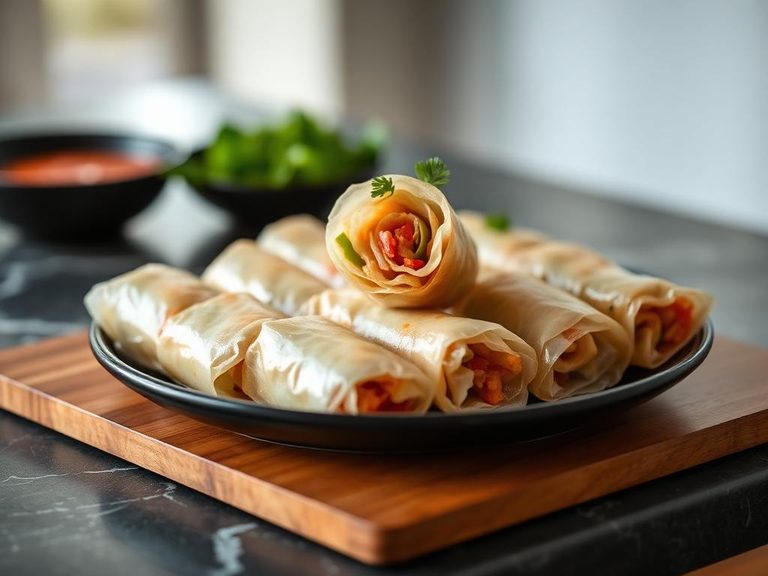
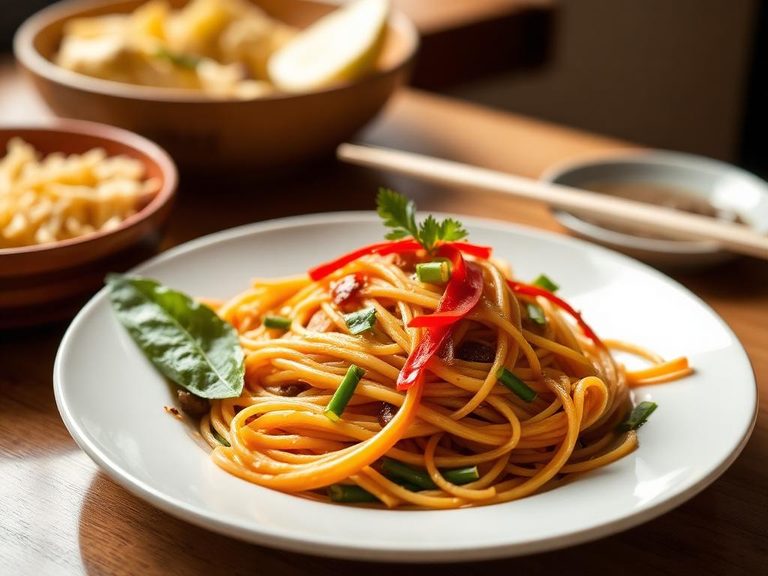

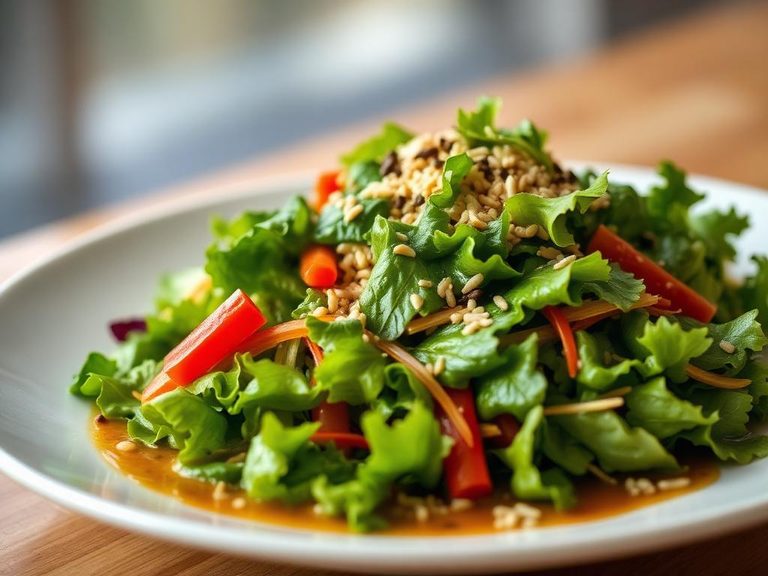
🌍 Where it's eaten
💡 Did you know?
Unlike regular peas, snow peas are harvested while the peas inside are still flat and undeveloped, allowing the entire pod to be eaten.
Full nutrition (USDA data · scales with serving)
| Water | 88.2 g |
| Energy | 44.0 kcal |
| Protein | 2.9 g |
| Total lipid (fat) | 0.21 g |
| Carbohydrate, by difference | 7.8 g |
| Fiber, total dietary | 2.7 g |
| Total Sugars | 4.2 g |
| Calcium, Ca | 45.0 mg |
| Iron, Fe | 2.2 mg |
| Magnesium, Mg | 25.0 mg |
| Phosphorus, P | 55.0 mg |
| Potassium, K | 208 mg |
| Sodium, Na | 125 mg |
| Zinc, Zn | 0.28 mg |
| Copper, Cu | 0.08 mg |
| Selenium, Se | 0.70 ug |
| Vitamin C, total ascorbic acid | 53.0 mg |
| Thiamin | 0.14 mg |
| Riboflavin | 0.08 mg |
| Niacin | 0.59 mg |
| Vitamin B-6 | 0.15 mg |
| Folate, total | 37.0 ug |
| Folic acid | 0.00 ug |
| Folate, food | 37.0 ug |
| Folate, DFE | 37.0 ug |
| Choline, total | 18.1 mg |
| Vitamin B-12 | 0.00 ug |
| Vitamin B-12, added | 0.00 ug |
| Vitamin A, RAE | 53.0 ug |
| Retinol | 0.00 ug |
| Carotene, beta | 622 ug |
| Carotene, alpha | 43.0 ug |
| Cryptoxanthin, beta | 0.00 ug |
| Lycopene | 0.00 ug |
| Lutein + zeaxanthin | 730 ug |
| Vitamin E (alpha-tocopherol) | 0.40 mg |
| Vitamin E, added | 0.00 mg |
| Vitamin D (D2 + D3) | 0.00 ug |
| Vitamin K (phylloquinone) | 26.0 ug |
| Alcohol, ethyl | 0.00 g |
| Caffeine | 0.00 mg |
| Theobromine | 0.00 mg |
Fat & fatty acid profile (per 100g)
| Fatty acids, total saturated | 0.04 g |
| SFA 4:0 | 0.00 g |
| SFA 6:0 | 0.00 g |
| SFA 8:0 | 0.00 g |
| SFA 10:0 | 0.00 g |
| SFA 12:0 | 0.00 g |
| SFA 14:0 | 0.00 g |
| SFA 16:0 | 0.03 g |
| SFA 18:0 | 0.00 g |
| Fatty acids, total monounsaturated | 0.02 g |
| MUFA 16:1 | 0.00 g |
| MUFA 18:1 | 0.02 g |
| MUFA 20:1 | 0.00 g |
| MUFA 22:1 | 0.00 g |
| Fatty acids, total polyunsaturated | 0.09 g |
| PUFA 18:2 | 0.08 g |
| PUFA 18:3 | 0.01 g |
| PUFA 18:4 | 0.00 g |
| PUFA 20:4 | 0.00 g |
| PUFA 20:5 n-3 (EPA) | 0.00 g |
| PUFA 22:5 n-3 (DPA) | 0.00 g |
| PUFA 22:6 n-3 (DHA) | 0.00 g |
| Cholesterol | 0.00 mg |
FAQ
What's the difference between snow peas and snap peas?
Snow peas have flat pods with very small, undeveloped peas inside, and you eat the whole pod. Sugar snap peas have plumper, rounded pods with more developed peas inside; the pod is also edible but is often thicker and crunchier.
Do I need to remove the string from snow peas?
Modern cultivated varieties are typically 'stringless,' so you usually don't need to. However, if you find a tough string along the seam, it's easy to pull off with your fingers before cooking.
What's the best way to cook snow peas to keep them crisp?
Quick, high-heat cooking is key. Stir-fry, sauté, or blanch them for just 1-2 minutes until they turn bright green but still have a firm crunch. Overcooking makes them limp and dull.
Nutrient density (calculated · NRF9.3)
Nutrient Rich Foods index: beneficial nutrients (protein, fiber, vitamins, minerals) minus saturated fat, added sugar & sodium, per 100 kcal.
NRF9.3 index — Fulgoni, Keast & Drewnowski, 2009. Computed from USDA nutrients.
Weight-loss friendliness (composite index)
Energy density 0.44 kcal/g · 26% calories from protein · 2.7 g fiber · 4.2 g sugar per 100 g.
Composite of energy density (Rolls et al., 1999), protein & fiber satiety, minus sugar. A calculated heuristic — ranks satiety-per-calorie, not a clinical measure.
Dietary load (calculated from USDA values)
Potential renal acid load. Positive = acid-forming, negative = alkaline-forming.
Sodium-to-potassium ratio: 0.60 (lower is better — aim for ≤ 1)
Sodium:potassium per WHO potassium guidance. Computed from USDA nutrients.