

Snowpeas, frozen, cooked, no added fat
Common food

Photo: Wikipedia
Frozen and cooked snow peas are vibrant green pods that retain a satisfying snap and a sweet, grassy flavor. With only 52 calories per 100g, they are a light, nutrient-dense addition to any meal, offering a good source of plant-based protein and fiber.
Calorie split: 26% protein · 67% carbs · 6% fat
↓ Full nutrition💚 Why it's loved
People love snow peas for their crisp-tender texture and naturally sweet, fresh taste that brightens stir-fries and salads. Their versatility allows them to be used whole, sliced, or shredded, fitting seamlessly into both Asian and Western cuisines.
⚠️ Watch-outs & how to enjoy it better
Snow peas contain oxalates, which can contribute to kidney stone formation in susceptible individuals. To mitigate this, ensure adequate hydration and consider pairing them with calcium-rich foods like tofu or yogurt to bind oxalates. Their fiber content may also cause mild digestive discomfort if consumed in very large quantities.
Key benefits
- Low in calories and fat
- Good source of plant-based protein
- High in dietary fiber
- Rich in vitamins C and K
- Contains antioxidants like lutein
🍽️ Popular dishes
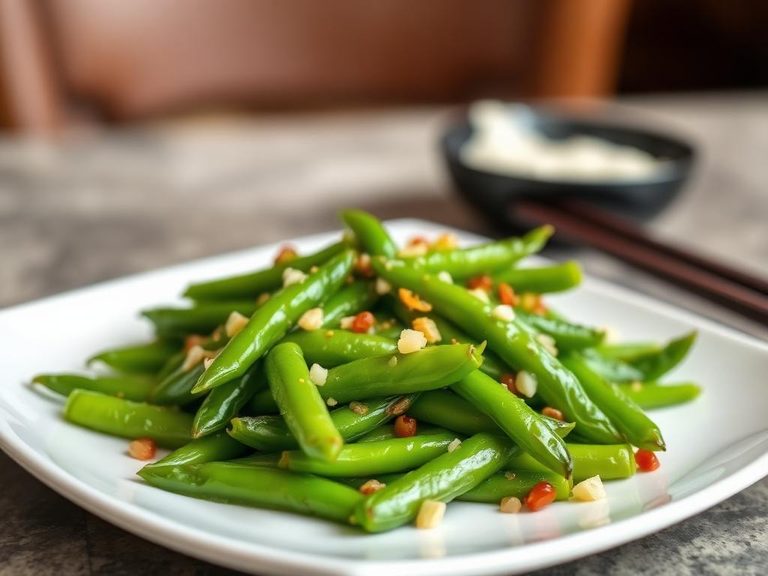
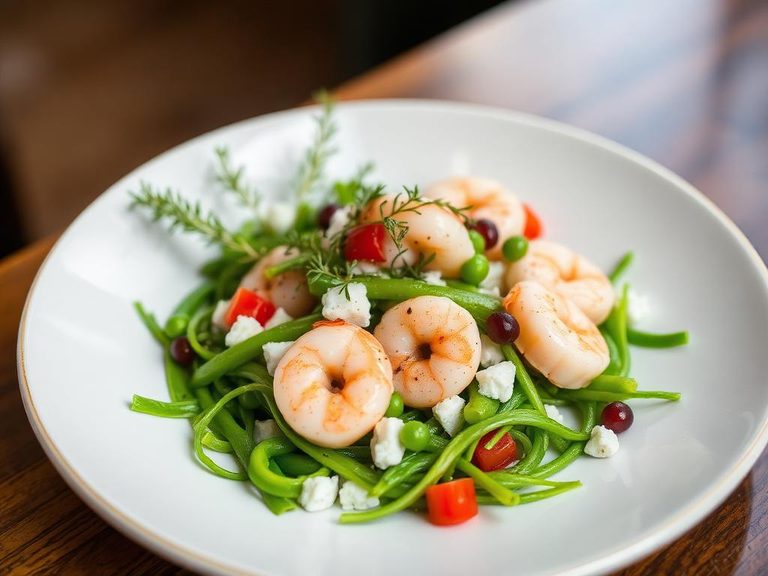
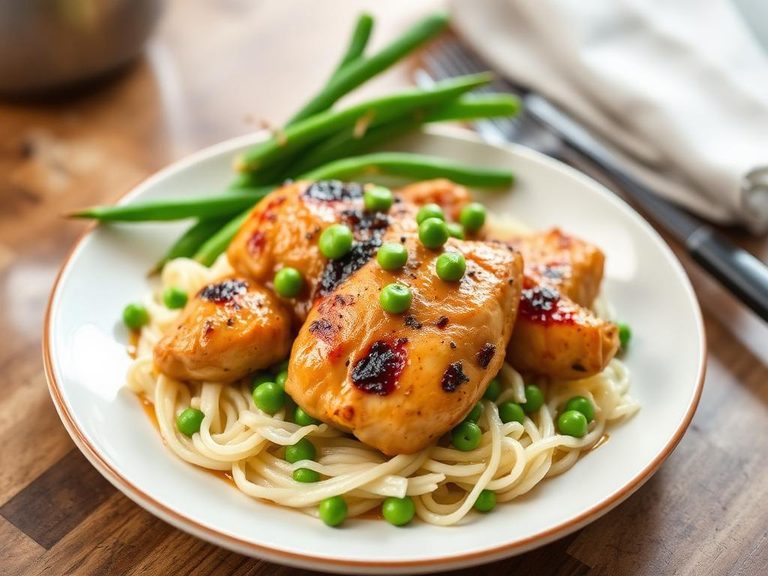
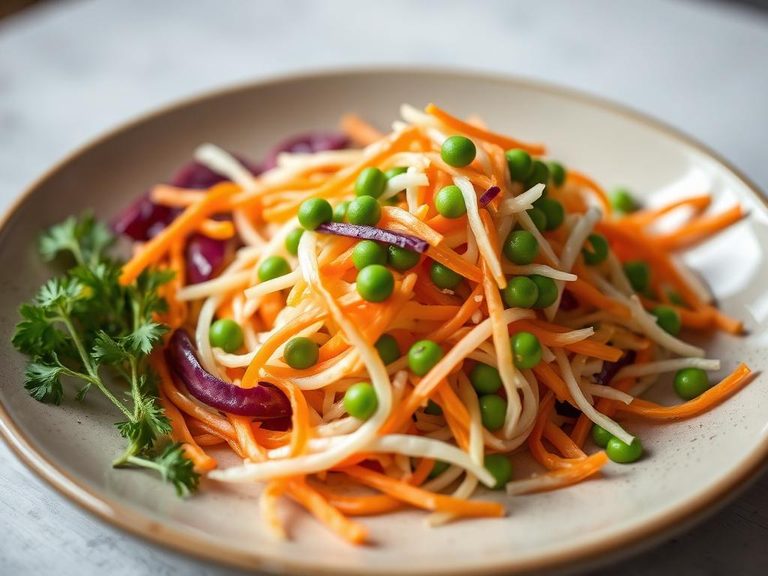
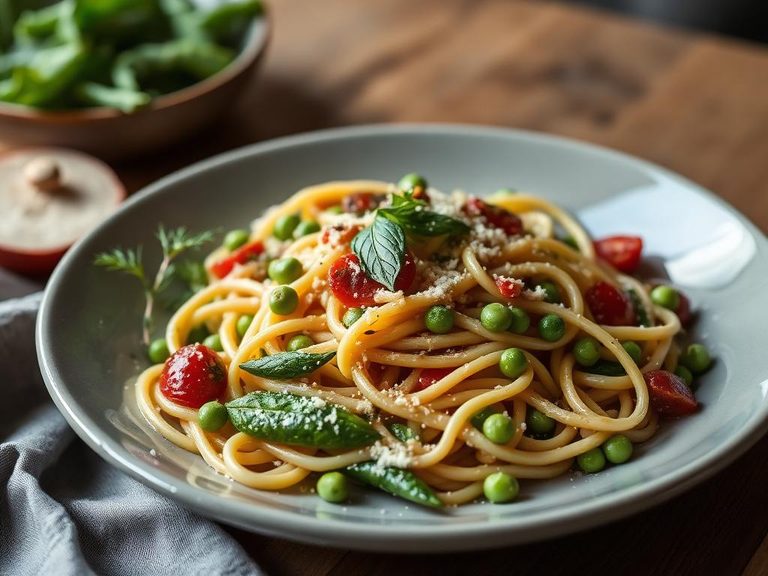
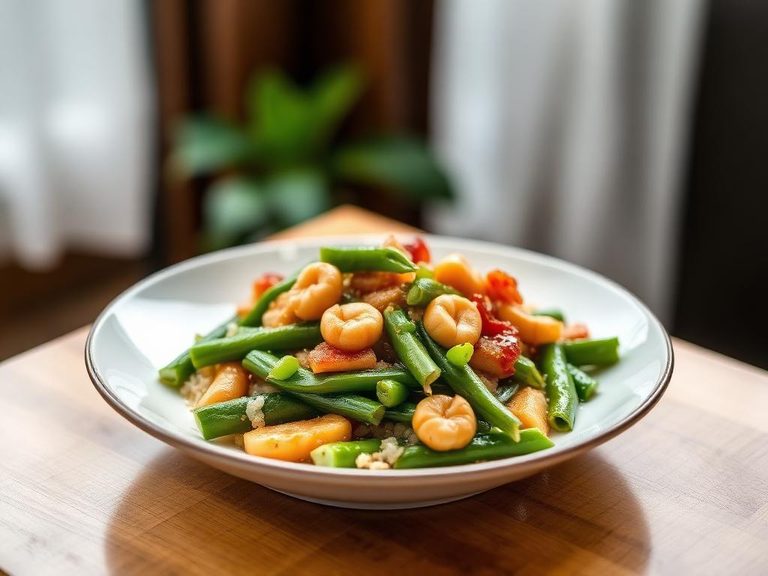
🌍 Where it's eaten
💡 Did you know?
Snow peas are harvested while the pods are still flat and the peas inside are undeveloped, which is why you eat the entire pod.
Full nutrition (USDA data · scales with serving)
| Water | 86.3 g |
| Energy | 52.0 kcal |
| Protein | 3.5 g |
| Total lipid (fat) | 0.38 g |
| Carbohydrate, by difference | 9.0 g |
| Fiber, total dietary | 3.1 g |
| Total Sugars | 4.8 g |
| Calcium, Ca | 59.0 mg |
| Iron, Fe | 2.4 mg |
| Magnesium, Mg | 28.0 mg |
| Phosphorus, P | 58.0 mg |
| Potassium, K | 216 mg |
| Sodium, Na | 121 mg |
| Zinc, Zn | 0.49 mg |
| Copper, Cu | 0.09 mg |
| Selenium, Se | 0.80 ug |
| Vitamin C, total ascorbic acid | 21.9 mg |
| Thiamin | 0.06 mg |
| Riboflavin | 0.12 mg |
| Niacin | 0.56 mg |
| Vitamin B-6 | 0.17 mg |
| Folate, total | 35.0 ug |
| Folic acid | 0.00 ug |
| Folate, food | 35.0 ug |
| Folate, DFE | 35.0 ug |
| Choline, total | 20.9 mg |
| Vitamin B-12 | 0.00 ug |
| Vitamin B-12, added | 0.00 ug |
| Vitamin A, RAE | 66.0 ug |
| Retinol | 0.00 ug |
| Carotene, beta | 758 ug |
| Carotene, alpha | 53.0 ug |
| Cryptoxanthin, beta | 0.00 ug |
| Lycopene | 0.00 ug |
| Lutein + zeaxanthin | 890 ug |
| Vitamin E (alpha-tocopherol) | 0.47 mg |
| Vitamin E, added | 0.00 mg |
| Vitamin D (D2 + D3) | 0.00 ug |
| Vitamin K (phylloquinone) | 30.1 ug |
| Alcohol, ethyl | 0.00 g |
| Caffeine | 0.00 mg |
| Theobromine | 0.00 mg |
Fat & fatty acid profile (per 100g)
| Fatty acids, total saturated | 0.07 g |
| SFA 4:0 | 0.00 g |
| SFA 6:0 | 0.00 g |
| SFA 8:0 | 0.00 g |
| SFA 10:0 | 0.00 g |
| SFA 12:0 | 0.00 g |
| SFA 14:0 | 0.00 g |
| SFA 16:0 | 0.06 g |
| SFA 18:0 | 0.01 g |
| Fatty acids, total monounsaturated | 0.04 g |
| MUFA 16:1 | 0.00 g |
| MUFA 18:1 | 0.04 g |
| MUFA 20:1 | 0.00 g |
| MUFA 22:1 | 0.00 g |
| Fatty acids, total polyunsaturated | 0.17 g |
| PUFA 18:2 | 0.14 g |
| PUFA 18:3 | 0.03 g |
| PUFA 18:4 | 0.00 g |
| PUFA 20:4 | 0.00 g |
| PUFA 20:5 n-3 (EPA) | 0.00 g |
| PUFA 22:5 n-3 (DPA) | 0.00 g |
| PUFA 22:6 n-3 (DHA) | 0.00 g |
| Cholesterol | 0.00 mg |
FAQ
What is the difference between snow peas and sugar snap peas?
Snow peas have flat, thin pods with underdeveloped peas, while sugar snap peas have plump, rounded pods with more mature peas inside. Snow peas are typically eaten whole, while sugar snaps are often more succulent.
Do I need to thaw frozen snow peas before cooking?
For most stir-fries and sautés, you can add them directly from frozen to a hot pan. This helps retain their crisp texture. For salads or raw preparations, thaw them in the refrigerator first.
How do I prevent snow peas from becoming mushy?
Cook them quickly over high heat for just 2-3 minutes until they turn bright green and are crisp-tender. Overcooking breaks down their cell structure, leading to a soft, mushy texture.
Nutrient density (calculated · NRF9.3)
Nutrient Rich Foods index: beneficial nutrients (protein, fiber, vitamins, minerals) minus saturated fat, added sugar & sodium, per 100 kcal.
NRF9.3 index — Fulgoni, Keast & Drewnowski, 2009. Computed from USDA nutrients.
Weight-loss friendliness (composite index)
Energy density 0.52 kcal/g · 27% calories from protein · 3.1 g fiber · 4.8 g sugar per 100 g.
Composite of energy density (Rolls et al., 1999), protein & fiber satiety, minus sugar. A calculated heuristic — ranks satiety-per-calorie, not a clinical measure.
Dietary load (calculated from USDA values)
Potential renal acid load. Positive = acid-forming, negative = alkaline-forming.
Sodium-to-potassium ratio: 0.56 (lower is better — aim for ≤ 1)
Sodium:potassium per WHO potassium guidance. Computed from USDA nutrients.