

Shortening, multipurpose, soybean (hydrogenated) and palm (hydrogenated)
Whole food · Fats and Oils

Photo: Wikipedia
This is a solid, shelf-stable fat blend made from hydrogenated soybean and palm oils, designed for consistent baking results. It has a neutral flavor, a smooth, creamy texture when softened, and a high melting point that creates flaky layers in pastries. Nutritionally, it is 100% fat, providing a dense source of energy with no protein, carbs, or fiber.
Calorie split: 0% protein · 0% carbs · 100% fat
↓ Full nutrition💚 Why it's loved
Bakers love it for its reliability and ability to produce consistently tender, flaky results in pastries and pie crusts. Its neutral taste makes it a versatile workhorse in both sweet and savory baking.
⚠️ Watch-outs & how to enjoy it better
As a hydrogenated fat, it may contain trace trans fats, which are linked to adverse health effects. It is also very calorie-dense and offers no micronutrients. To enjoy mindfully, use it sparingly for special occasion baking, balance meals with lean proteins and vegetables, and consider substituting with unsaturated fats like avocado oil for everyday cooking.
Key benefits
- Excellent for creating flaky, tender pie crusts and biscuits.
- Provides a neutral flavor that doesn't compete with other ingredients.
- Has a long shelf life and remains stable at room temperature.
- Creates a light, airy texture in frostings and whipped toppings.
- Cost-effective for large-batch baking and commercial food production.
🍽️ Popular dishes
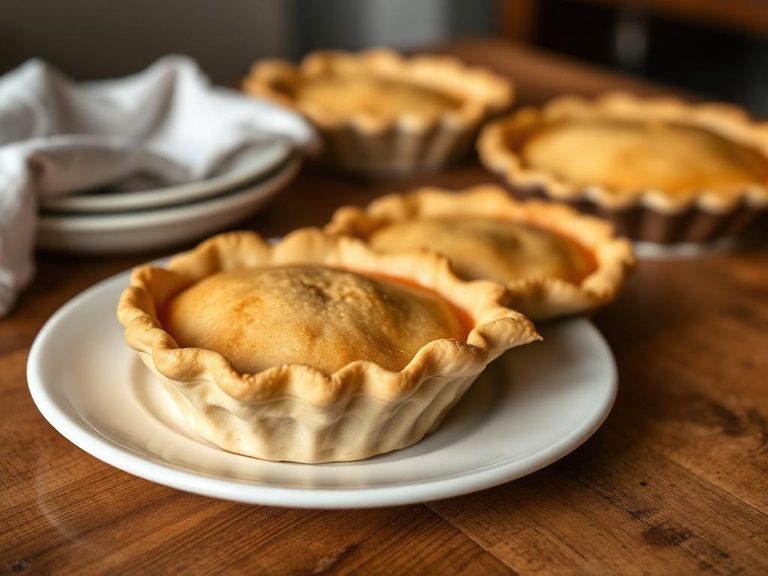
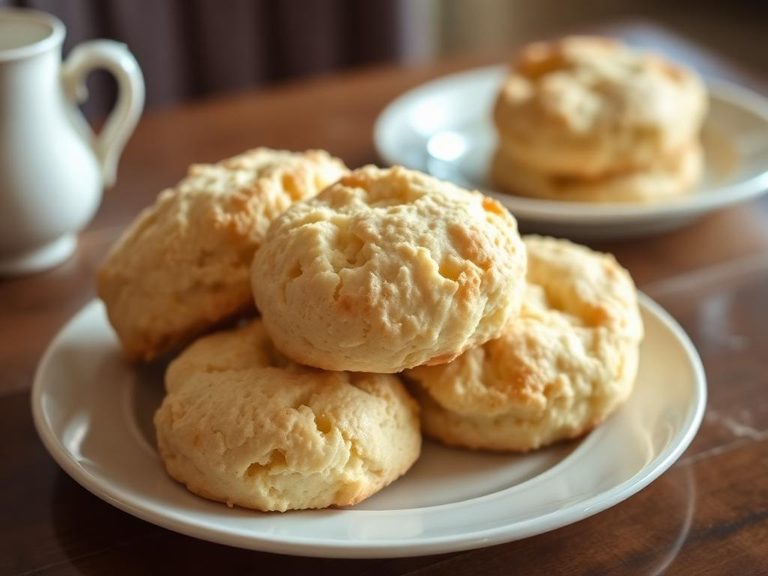

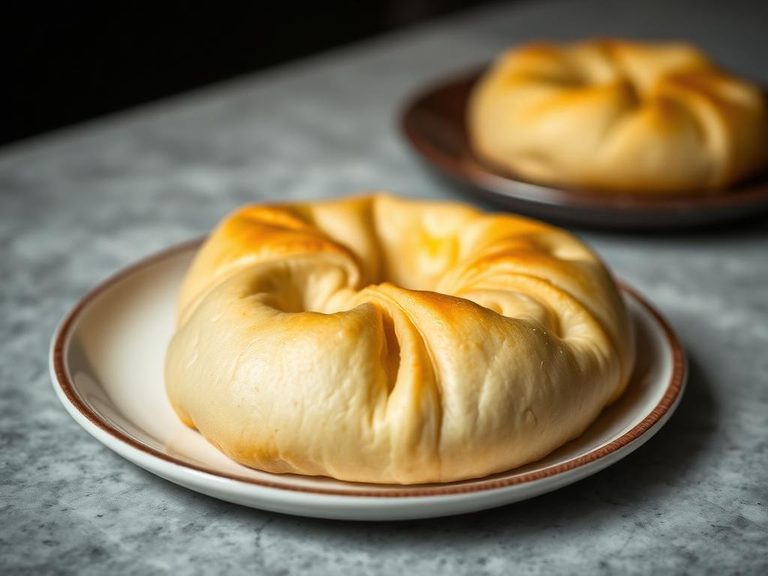
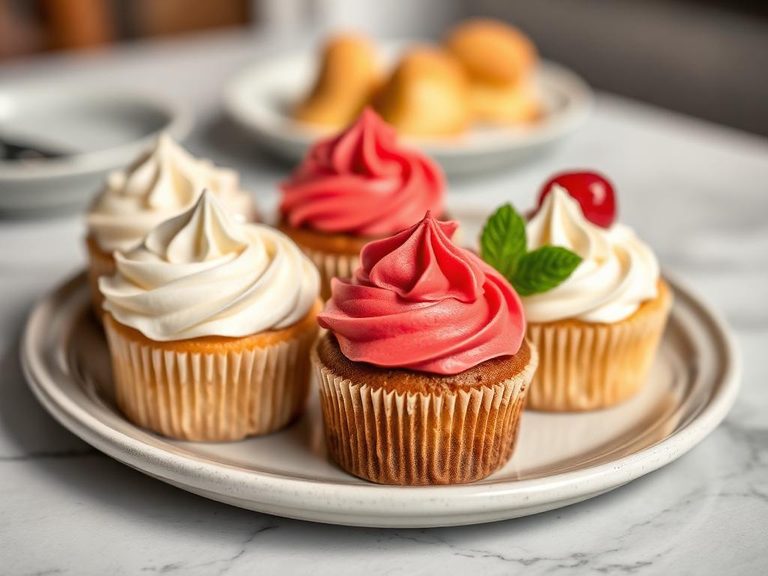
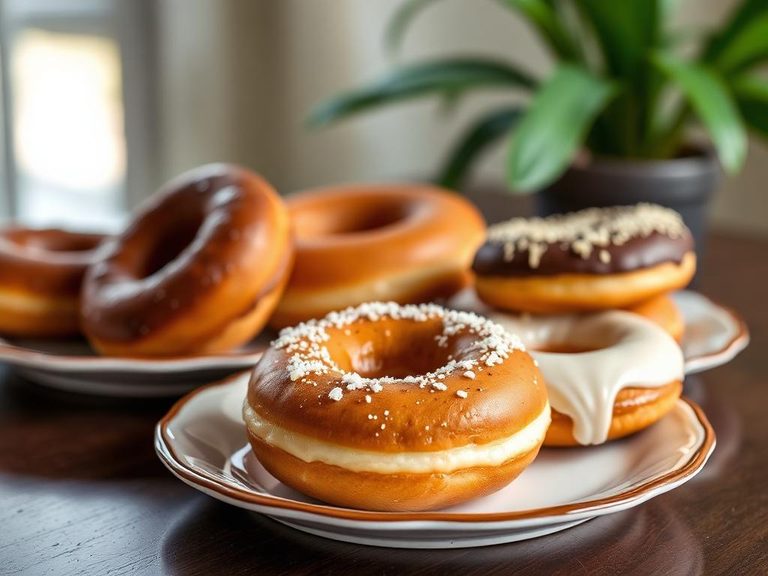
🌍 Where it's eaten
💡 Did you know?
The process of hydrogenation, which turns liquid oil into a solid fat, was developed in the early 1900s and was initially hailed as a modern miracle for improving food texture and shelf life.
Full nutrition (USDA data · scales with serving)
| Water | 0.00 g |
| Energy | 884 kcal |
| Energy | 3699 kj |
| Protein | 0.00 g |
| Total lipid (fat) | 100 g |
| Ash | 0.00 g |
| Carbohydrate, by difference | 0.00 g |
| Fiber, total dietary | 0.00 g |
| Calcium, Ca | 0.00 mg |
| Iron, Fe | 0.00 mg |
| Magnesium, Mg | 0.00 mg |
| Phosphorus, P | 0.00 mg |
| Potassium, K | 0.00 mg |
| Sodium, Na | 0.00 mg |
| Zinc, Zn | 0.00 mg |
| Copper, Cu | 0.00 mg |
| Manganese, Mn | 0.00 mg |
| Selenium, Se | 0.00 ug |
| Vitamin C, total ascorbic acid | 0.00 mg |
| Thiamin | 0.00 mg |
| Riboflavin | 0.00 mg |
| Niacin | 0.00 mg |
| Pantothenic acid | 0.00 mg |
| Vitamin B-6 | 0.00 mg |
| Folate, total | 0.00 ug |
| Folic acid | 0.00 ug |
| Folate, food | 0.00 ug |
| Folate, DFE | 0.00 ug |
| Vitamin B-12 | 0.00 ug |
| Vitamin A, RAE | 0.00 ug |
| Retinol | 0.00 ug |
| Vitamin A, IU | 0.00 iu |
Fat & fatty acid profile (per 100g)
| Fatty acids, total saturated | 30.4 g |
| SFA 8:0 | 0.10 g |
| SFA 10:0 | 0.10 g |
| SFA 12:0 | 0.40 g |
| SFA 14:0 | 0.40 g |
| SFA 16:0 | 19.4 g |
| SFA 18:0 | 10.0 g |
| Fatty acids, total monounsaturated | 51.0 g |
| MUFA 18:1 | 51.0 g |
| Fatty acids, total polyunsaturated | 14.2 g |
| PUFA 18:2 | 13.6 g |
| PUFA 18:3 | 0.60 g |
| Cholesterol | 0.00 mg |
Amino acid profile (per 100g)
Estimated from Shortening, industrial, soy (partially hydrogenated), pourable liquid fry shortening — USDA does not publish this profile for Shortening.
| Tryptophan | 0.00 g |
| Threonine | 0.00 g |
| Isoleucine | 0.00 g |
| Leucine | 0.00 g |
| Lysine | 0.00 g |
| Methionine | 0.00 g |
| Cystine | 0.00 g |
| Phenylalanine | 0.00 g |
| Tyrosine | 0.00 g |
| Valine | 0.00 g |
| Arginine | 0.00 g |
| Histidine | 0.00 g |
| Alanine | 0.00 g |
| Aspartic acid | 0.00 g |
| Glutamic acid | 0.00 g |
| Glycine | 0.00 g |
| Proline | 0.00 g |
| Serine | 0.00 g |
FAQ
What's the difference between shortening and butter?
Shortening is 100% fat with a higher melting point, making it excellent for flaky pastries. Butter contains about 80% fat and 20% water/milk solids, which adds flavor but can create a less tender, more crumbly texture in some baked goods.
Can I substitute butter for shortening in recipes?
Yes, but with adjustments. Use 1 cup of butter for every 1 cup of shortening, and reduce the recipe's liquid by about 2 tablespoons to account for the water in butter. The result will be more flavorful but slightly less tender and flaky.
Is this type of shortening still made with trans fats?
Modern formulations have largely eliminated partially hydrogenated oils (the main source of artificial trans fats) due to regulations. However, it may still contain small amounts of trans fats from the hydrogenation process. Always check the ingredient list for 'partially hydrogenated' oils.
Nutrient density (calculated · NRF9.3)
Nutrient Rich Foods index: beneficial nutrients (protein, fiber, vitamins, minerals) minus saturated fat, added sugar & sodium, per 100 kcal.
NRF9.3 index — Fulgoni, Keast & Drewnowski, 2009. Computed from USDA nutrients.
Weight-loss friendliness (composite index)
Energy density 8.84 kcal/g · 0% calories from protein · 0.0 g fiber · 0.0 g sugar per 100 g.
Composite of energy density (Rolls et al., 1999), protein & fiber satiety, minus sugar. A calculated heuristic — ranks satiety-per-calorie, not a clinical measure.
Dietary load (calculated from USDA values)
Potential renal acid load. Positive = acid-forming, negative = alkaline-forming.
Sodium:potassium per WHO potassium guidance. Computed from USDA nutrients.