

Seeds, sesame flour, high-fat
Whole food · Nut and Seed Products

Photo: Wikipedia
High-fat sesame flour is a dense, nutty powder made from hulled sesame seeds with much of the oil retained. It has a rich, earthy flavor and a slightly coarse, sandy texture that adds depth to both savory and sweet dishes. Nutritionally, it's a powerhouse, delivering an impressive 30.78g of protein and 37.1g of healthy fats per 100g.
Calorie split: 22% protein · 19% carbs · 59% fat
↓ Full nutrition💚 Why it's loved
People love it for its intense, toasty sesame flavor that can elevate a simple dish. It's also prized as a versatile, gluten-free flour for boosting the protein and fat content of baked goods, sauces, and coatings.
⚠️ Watch-outs & how to enjoy it better
Due to its high fat and calorie density, it's easy to overconsume, which may be a concern for some dietary goals. As a seed product, it is a common allergen for some individuals. To manage intake, use it as a flavor enhancer rather than a primary flour, and measure portions carefully.
Key benefits
- Excellent plant-based protein source
- Rich in heart-healthy monounsaturated and polyunsaturated fats
- Good source of minerals like calcium, magnesium, and iron
- Naturally gluten-free, suitable for many dietary restrictions
- Provides a dense, calorie-efficient nutrient profile
🍽️ Popular dishes
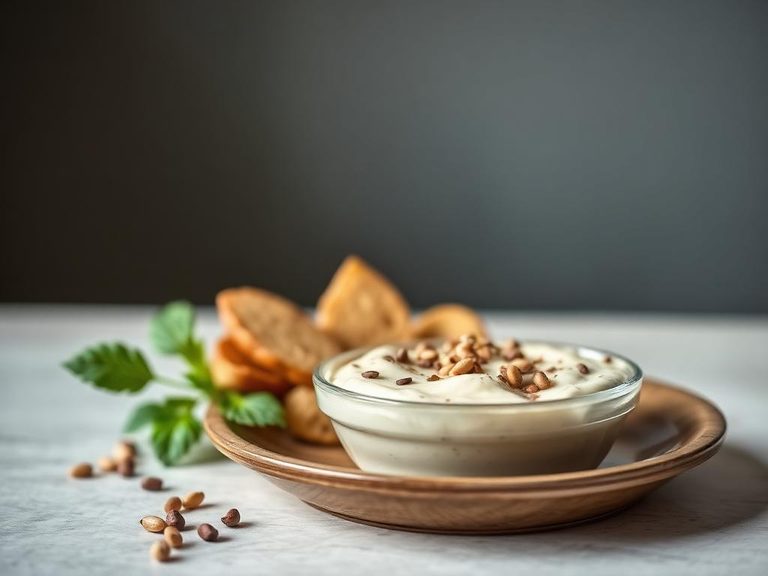
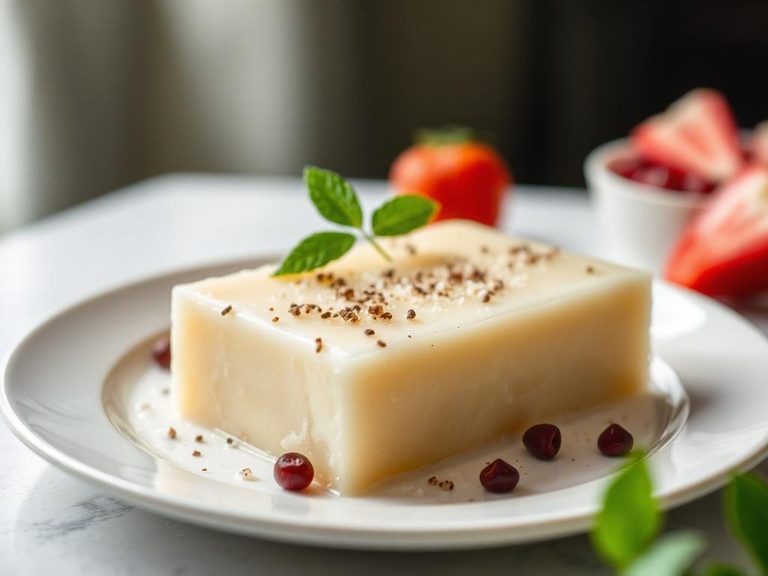



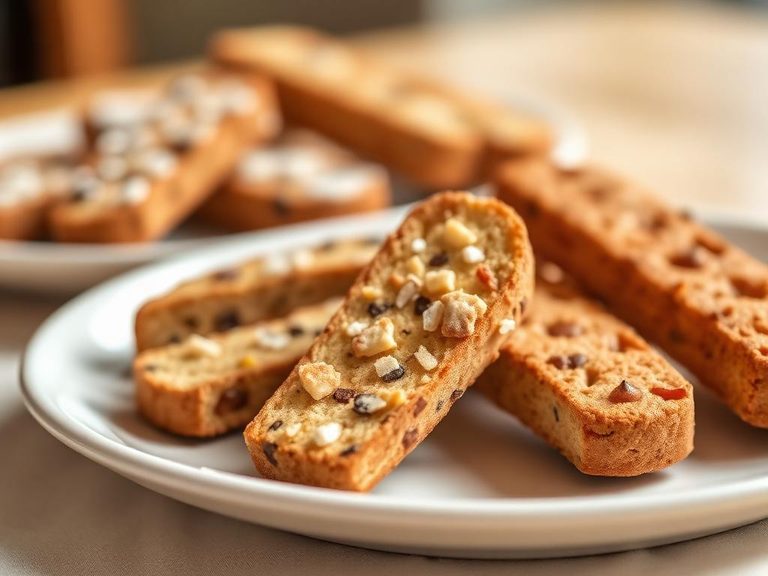
🌍 Where it's eaten
💡 Did you know?
Sesame seeds are one of the oldest oilseed crops known, domesticated over 4,000 years ago, and this flour form is a modern way to capture their full nutritional bounty in a shelf-stable powder.
Full nutrition (USDA data · scales with serving)
| Water | 0.90 g |
| Energy | 526 kcal |
| Energy | 2201 kj |
| Protein | 30.8 g |
| Total lipid (fat) | 37.1 g |
| Ash | 4.6 g |
| Carbohydrate, by difference | 26.6 g |
| Calcium, Ca | 159 mg |
| Iron, Fe | 15.2 mg |
| Magnesium, Mg | 361 mg |
| Phosphorus, P | 807 mg |
| Potassium, K | 423 mg |
| Sodium, Na | 41.0 mg |
| Zinc, Zn | 10.7 mg |
| Copper, Cu | 1.5 mg |
| Manganese, Mn | 1.5 mg |
| Vitamin C, total ascorbic acid | 0.00 mg |
| Thiamin | 2.7 mg |
| Riboflavin | 0.29 mg |
| Niacin | 13.4 mg |
| Pantothenic acid | 2.9 mg |
| Vitamin B-6 | 0.15 mg |
| Folate, total | 31.0 ug |
| Folic acid | 0.00 ug |
| Folate, food | 31.0 ug |
| Folate, DFE | 31.0 ug |
| Vitamin B-12 | 0.00 ug |
| Vitamin A, RAE | 3.0 ug |
| Retinol | 0.00 ug |
| Vitamin A, IU | 69.0 iu |
| Vitamin D (D2 + D3), International Units | 0.00 iu |
| Vitamin D (D2 + D3) | 0.00 ug |
Fat & fatty acid profile (per 100g)
| Fatty acids, total saturated | 5.2 g |
| SFA 14:0 | 0.09 g |
| SFA 16:0 | 3.3 g |
| SFA 18:0 | 1.6 g |
| Fatty acids, total monounsaturated | 14.0 g |
| MUFA 16:1 | 0.11 g |
| MUFA 18:1 | 13.8 g |
| MUFA 20:1 | 0.05 g |
| Fatty acids, total polyunsaturated | 16.3 g |
| PUFA 18:2 | 16.0 g |
| PUFA 18:3 | 0.28 g |
| Cholesterol | 0.00 mg |
Amino acid profile (per 100g)
| Tryptophan | 0.67 g |
| Threonine | 1.3 g |
| Isoleucine | 1.3 g |
| Leucine | 2.4 g |
| Lysine | 0.99 g |
| Methionine | 1.0 g |
| Cystine | 0.62 g |
| Phenylalanine | 1.6 g |
| Tyrosine | 1.3 g |
| Valine | 1.7 g |
| Arginine | 4.6 g |
| Histidine | 0.91 g |
| Alanine | 1.6 g |
| Aspartic acid | 2.9 g |
| Glutamic acid | 6.9 g |
| Glycine | 2.1 g |
| Proline | 1.4 g |
| Serine | 1.7 g |
FAQ
How is high-fat sesame flour different from regular sesame flour?
High-fat sesame flour retains more of the natural sesame oil during processing, resulting in a richer flavor, higher calorie count, and a moister texture compared to defatted sesame flour, which has most of the oil removed.
Can I use it as a 1:1 substitute for wheat flour in baking?
No, due to its lack of gluten and high fat content, it cannot replace wheat flour alone. It's best used in combination with other flours (like almond or oat flour) to add protein and flavor, typically making up 10-30% of the total flour blend.
How should I store it to prevent spoilage?
Because of its high oil content, it can go rancid. Store it in an airtight container in a cool, dark place, or preferably in the refrigerator or freezer to extend its shelf life for several months.
Nutrient density (calculated · NRF9.3)
Nutrient Rich Foods index: beneficial nutrients (protein, fiber, vitamins, minerals) minus saturated fat, added sugar & sodium, per 100 kcal.
NRF9.3 index — Fulgoni, Keast & Drewnowski, 2009. Computed from USDA nutrients.
Weight-loss friendliness (composite index)
Energy density 5.26 kcal/g · 23% calories from protein · 0.0 g fiber · 0.0 g sugar per 100 g.
Composite of energy density (Rolls et al., 1999), protein & fiber satiety, minus sugar. A calculated heuristic — ranks satiety-per-calorie, not a clinical measure.
Dietary load (calculated from USDA values)
Potential renal acid load. Positive = acid-forming, negative = alkaline-forming.
Sodium-to-potassium ratio: 0.10 (lower is better — aim for ≤ 1)
Sodium:potassium per WHO potassium guidance. Computed from USDA nutrients.