

Seeds, cottonseed meal, partially defatted (glandless)
Whole food · Nut and Seed Products
Cottonseed meal, partially defatted and glandless, is a fine, tan-colored powder with a mild, nutty, and slightly beany flavor and a dry, crumbly texture. It's a nutritional powerhouse, packing an impressive 49.1 grams of protein per 100 grams, making it one of the most protein-dense plant-based ingredients available. Often used as a functional ingredient rather than a standalone food, it adds structure and a nutritional boost to various formulations.
Calorie split: 50% protein · 39% carbs · 11% fat
↓ Full nutrition💚 Why it's loved
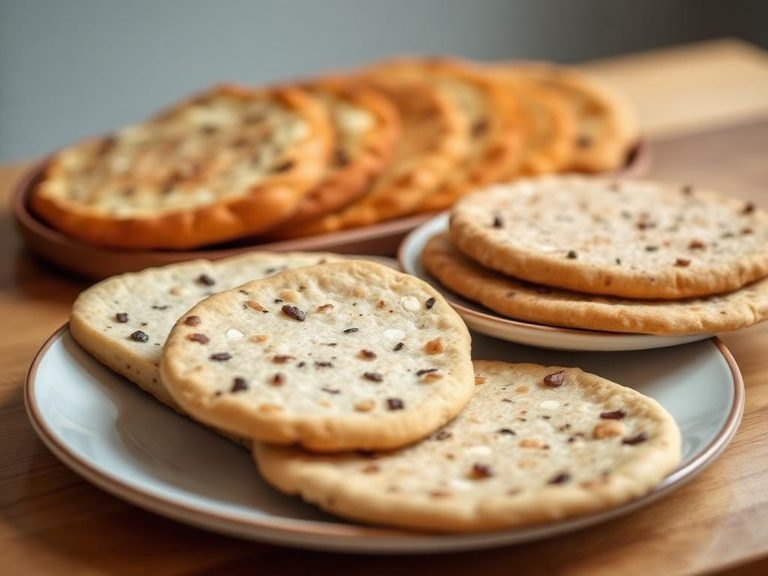
Food scientists and manufacturers love it for its exceptional protein content, neutral flavor profile, and functional properties like water absorption and emulsification, which improve texture in processed foods. In regions where it's used, it's valued as an affordable and efficient way to enhance the nutritional profile of breads, pastas, and meat substitutes.
⚠️ Watch-outs & how to enjoy it better
The primary caution is its potential for causing digestive discomfort like bloating if consumed in large, unaccustomed amounts, due to its high protein and oligosaccharide content. It is also a common allergen, and while 'glandless' varieties are bred to be safe, cross-contamination or improper processing can be a concern. To counteract digestive issues, start with small portions, ensure it's thoroughly cooked or incorporated into a dish, and pair it with a source of healthy fat and fiber-rich vegetables to promote satiety and ease digestion.
Key benefits
- Exceptionally high in plant-based protein
- Very low in fat and contains no cholesterol
- Good source of minerals like magnesium and phosphorus
- Provides a slow-release energy source from complex carbohydrates
- Cost-effective protein source for food fortification
🍽️ Popular dishes
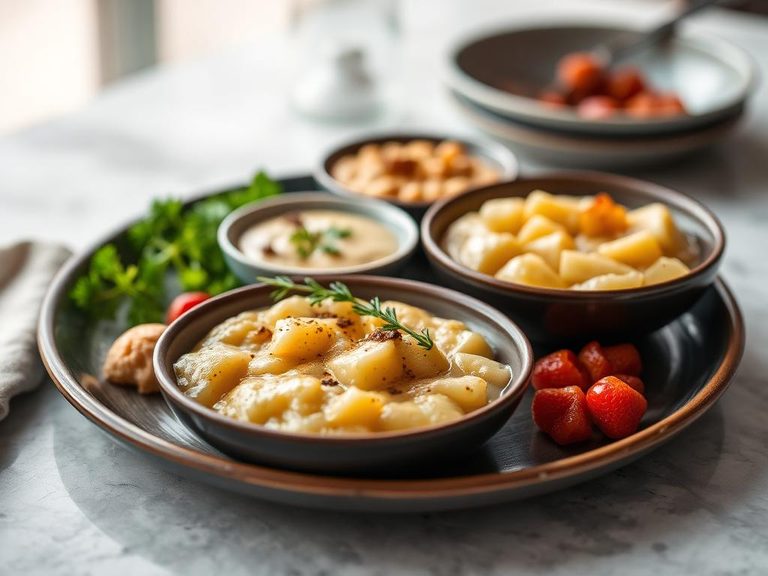
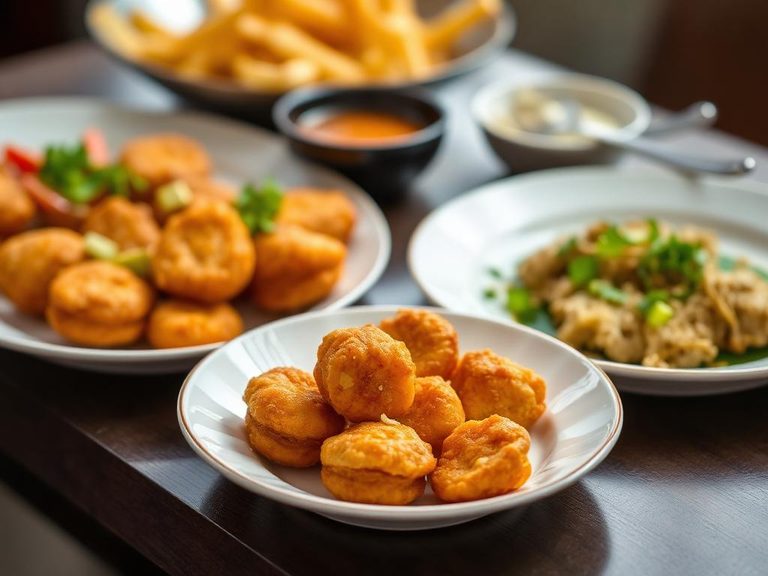
🌍 Where it's eaten
💡 Did you know?
Cottonseed meal was a historically significant protein source during the 19th-century industrial revolution in the American South, where it was developed as a way to utilize the abundant byproduct of the cotton ginning industry after the toxic gossypol pigment was discovered and removed.
Full nutrition (USDA data · scales with serving)
| Water | 1.2 g |
| Energy | 367 kcal |
| Energy | 1536 kj |
| Protein | 49.1 g |
| Total lipid (fat) | 4.8 g |
| Ash | 6.5 g |
| Carbohydrate, by difference | 38.4 g |
| Calcium, Ca | 504 mg |
| Iron, Fe | 13.3 mg |
| Magnesium, Mg | 760 mg |
| Phosphorus, P | 1684 mg |
| Potassium, K | 1869 mg |
| Sodium, Na | 37.0 mg |
| Zinc, Zn | 12.3 mg |
| Copper, Cu | 0.00 mg |
| Manganese, Mn | 2.3 mg |
| Vitamin C, total ascorbic acid | 2.5 mg |
| Thiamin | 2.2 mg |
| Riboflavin | 0.42 mg |
| Niacin | 4.3 mg |
| Pantothenic acid | 0.47 mg |
| Vitamin B-6 | 0.81 mg |
| Folate, total | 242 ug |
| Folic acid | 0.00 ug |
| Folate, food | 242 ug |
| Folate, DFE | 242 ug |
| Vitamin B-12 | 0.00 ug |
| Vitamin A, RAE | 23.0 ug |
| Retinol | 0.00 ug |
| Vitamin A, IU | 458 iu |
| Vitamin D (D2 + D3), International Units | 0.00 iu |
| Vitamin D (D2 + D3) | 0.00 ug |
Fat & fatty acid profile (per 100g)
| Fatty acids, total saturated | 1.2 g |
| SFA 14:0 | 0.04 g |
| SFA 16:0 | 1.0 g |
| SFA 18:0 | 0.11 g |
| Fatty acids, total monounsaturated | 0.86 g |
| MUFA 16:1 | 0.03 g |
| MUFA 18:1 | 0.82 g |
| Fatty acids, total polyunsaturated | 2.2 g |
| PUFA 18:2 | 2.2 g |
| PUFA 18:3 | 0.01 g |
| Cholesterol | 0.00 mg |
Amino acid profile (per 100g)
| Tryptophan | 0.74 g |
| Threonine | 1.8 g |
| Isoleucine | 1.8 g |
| Leucine | 3.4 g |
| Lysine | 2.5 g |
| Methionine | 0.80 g |
| Cystine | 1.3 g |
| Phenylalanine | 3.1 g |
| Tyrosine | 1.8 g |
| Valine | 2.5 g |
| Arginine | 6.6 g |
| Histidine | 1.5 g |
| Alanine | 2.3 g |
| Aspartic acid | 5.3 g |
| Glutamic acid | 12.3 g |
| Glycine | 2.4 g |
| Proline | 2.1 g |
| Serine | 2.5 g |
FAQ
Is cottonseed meal the same as cotton flour?
Not exactly. Cottonseed meal is a byproduct of oil extraction and is higher in protein and fiber. Cotton flour is made by milling the entire decorticated seed kernel and has a different composition and culinary use.
Is it safe for human consumption?
Yes, modern 'glandless' varieties are bred to be free of the toxic compound gossypol, making them safe for food use. However, it is primarily used as an ingredient, not a staple food, and should be sourced from reputable suppliers.
Can I use it in my smoothie?
While possible due to its high protein, its dry, powdery texture and strong flavor may not be ideal. It's better incorporated into baked goods, cooked dishes, or protein bars where other ingredients can balance its taste and texture.
Nutrient density (calculated · NRF9.3)
Nutrient Rich Foods index: beneficial nutrients (protein, fiber, vitamins, minerals) minus saturated fat, added sugar & sodium, per 100 kcal.
NRF9.3 index — Fulgoni, Keast & Drewnowski, 2009. Computed from USDA nutrients.
Weight-loss friendliness (composite index)
Energy density 3.67 kcal/g · 54% calories from protein · 0.0 g fiber · 0.0 g sugar per 100 g.
Composite of energy density (Rolls et al., 1999), protein & fiber satiety, minus sugar. A calculated heuristic — ranks satiety-per-calorie, not a clinical measure.
Dietary load (calculated from USDA values)
Potential renal acid load. Positive = acid-forming, negative = alkaline-forming.
Sodium-to-potassium ratio: 0.02 (lower is better — aim for ≤ 1)
Sodium:potassium per WHO potassium guidance. Computed from USDA nutrients.