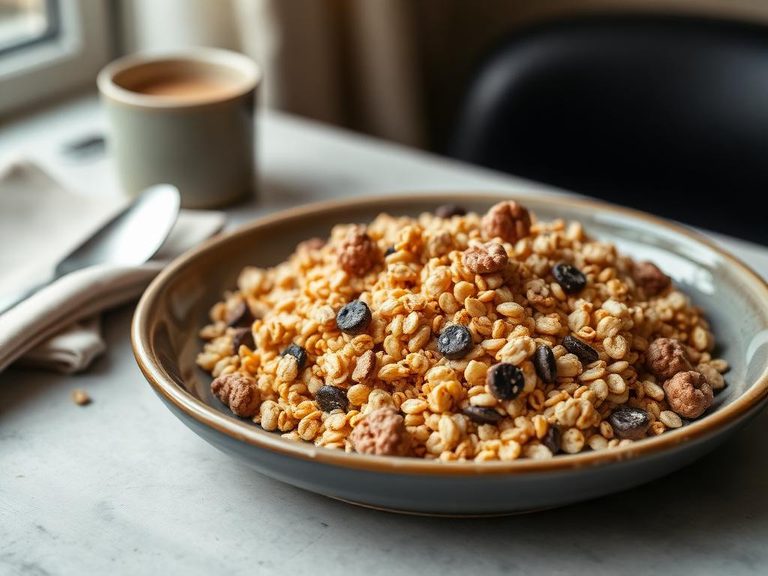
Fortified porridges and gruels
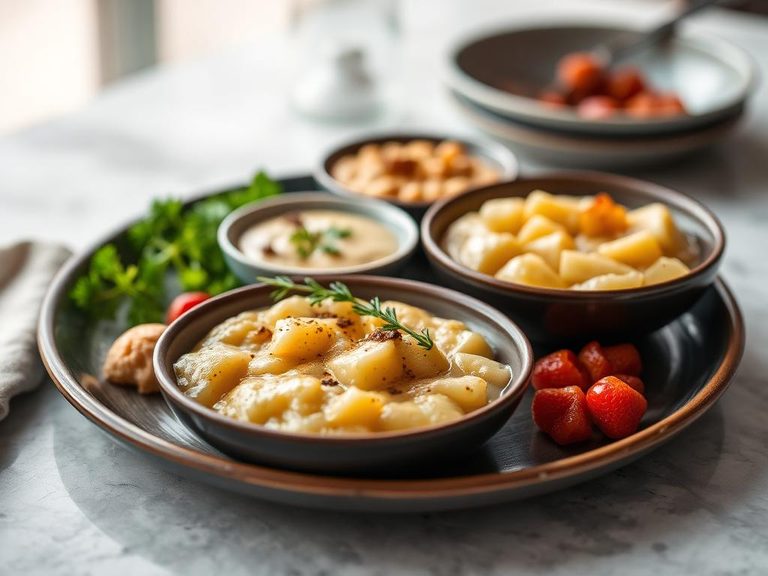
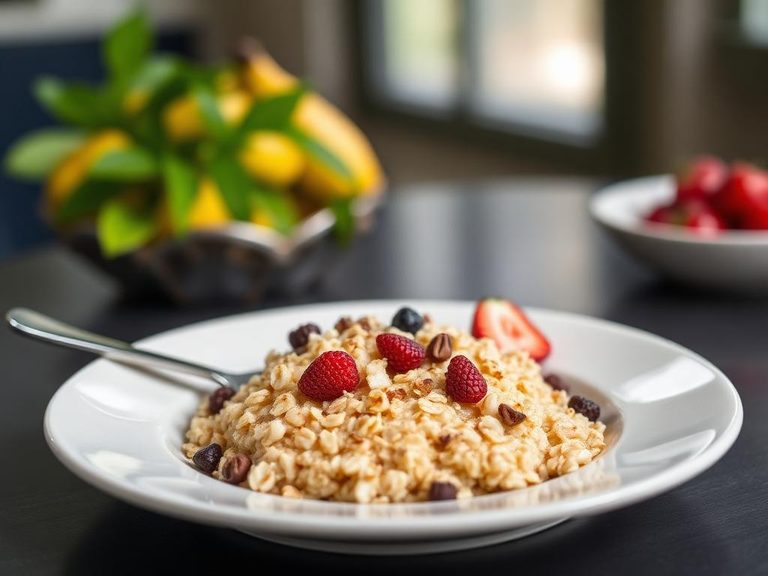
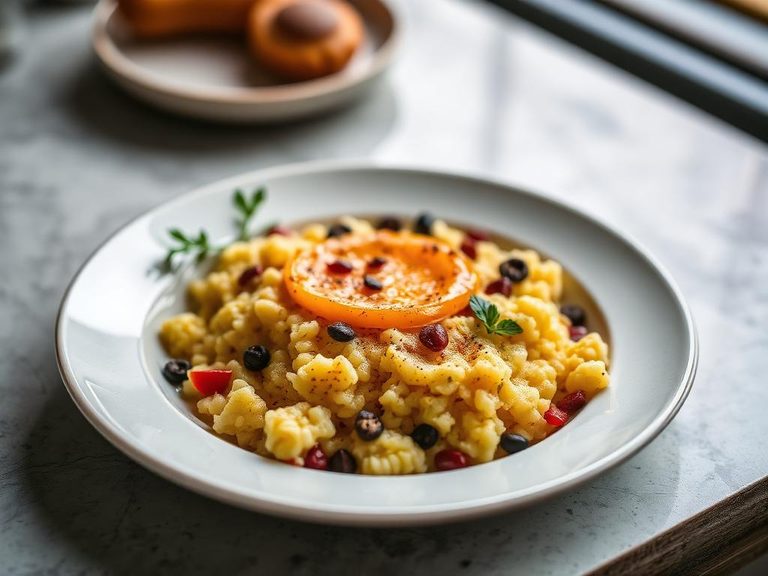
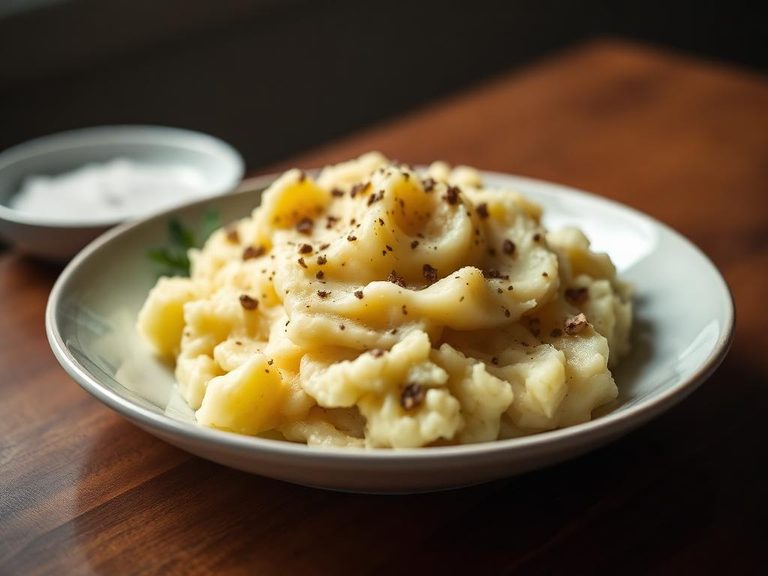
Fortified porridges and gruels are warm, thick, cereal-based dishes made from grains like maize, millet, sorghum, or oats, often enriched with additional nutrients. They are staple comfort foods and weaning foods across many parts of Africa, Asia, and Latin America, valued for their simplicity and adaptability.
🍽️ Nutrition at a glance
These dishes are primarily a source of complex carbohydrates for energy, with a moderate amount of plant-based protein depending on the grain used. A typical serving provides key nutrients like iron, B vitamins, and, when fortified, essential micronutrients, with a calorie range of approximately 150-250 kcal.
Nutrition breakdown
| Calories | 200 kcal |
| Protein | 5 g |
| Carbs | 38 g |
| Fat | 3 g |
| Fiber | 4 g |
| Sugar | 2 g |
| Sodium | 150 mg |
| Iron | 4 mg |
| Zinc | 2 mg |
| Thiamin (B1) | 0.3 mg |
| Niacin (B3) | 3 mg |
| Folate | 60 µg |
| Magnesium | 40 mg |
| Phosphorus | 120 mg |
| Potassium | 150 mg |
Per 1 cup (240 g) · estimated, varies by recipe
💡 What's interesting
Culturally, they are a foundational food for early childhood nutrition and recovery from illness in many communities. Nutritionally, fortification programs often add micronutrients like iron, zinc, and vitamin A to combat common deficiencies, turning a simple staple into a public health tool.