

Prunes, dehydrated (low-moisture), uncooked
Whole food · Fruits and Fruit Juices

Photo: Wikipedia
Prunes, dehydrated (low-moisture), uncooked are whole, pitted plums that have been dried to a dense, chewy, and deeply wrinkled state. They possess a concentrated, sweet-tart flavor with rich notes of caramel and dried fruit. Nutritionally, they are a powerhouse of carbohydrates, providing a quick and sustained energy source.
Calorie split: 4% protein · 94% carbs · 2% fat
↓ Full nutrition💚 Why it's loved
People love prunes for their intensely sweet, complex flavor that balances tartness with deep caramel notes. Their chewy texture and versatility make them a beloved snack on their own, a natural sweetener in baking, and a staple in savory dishes across many cultures.
⚠️ Watch-outs & how to enjoy it better
Due to their very high carbohydrate and natural sugar content, they can cause blood-sugar spikes if eaten in large quantities, making portion control important for those monitoring glucose levels. They also contain sorbitol, a sugar alcohol that can cause digestive discomfort (gas, bloating) in sensitive individuals. To counteract this, start with a small portion (e.g., 2-3 prunes) and pair them with a source of protein or fat, like a handful of nuts, to slow sugar absorption.
Key benefits
- Excellent source of quick energy from natural carbohydrates.
- Contains key minerals like potassium and copper.
- Rich in antioxidants like phenolic compounds.
- A traditional, effective aid for digestive regularity.
- Long shelf life makes them a practical pantry staple.
🍽️ Popular dishes
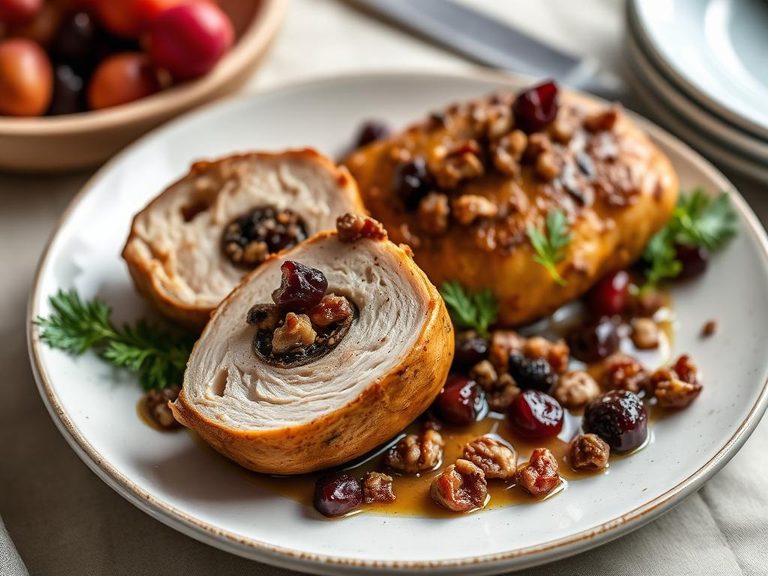
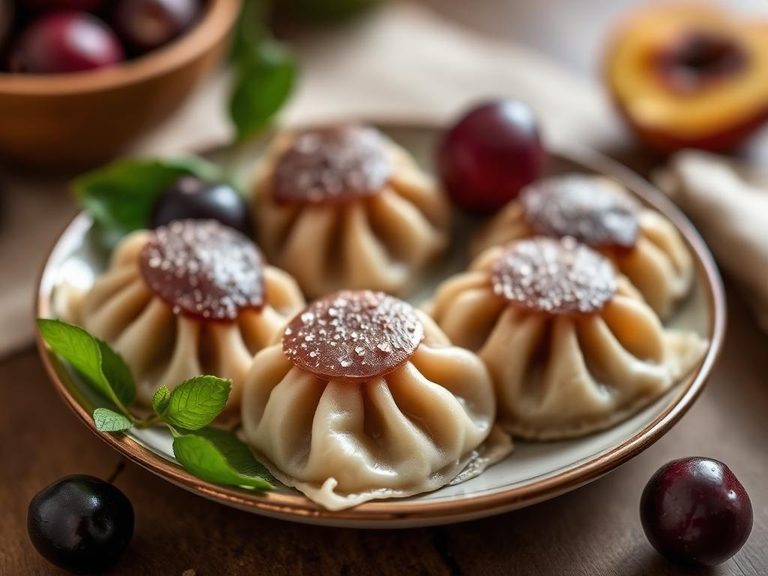
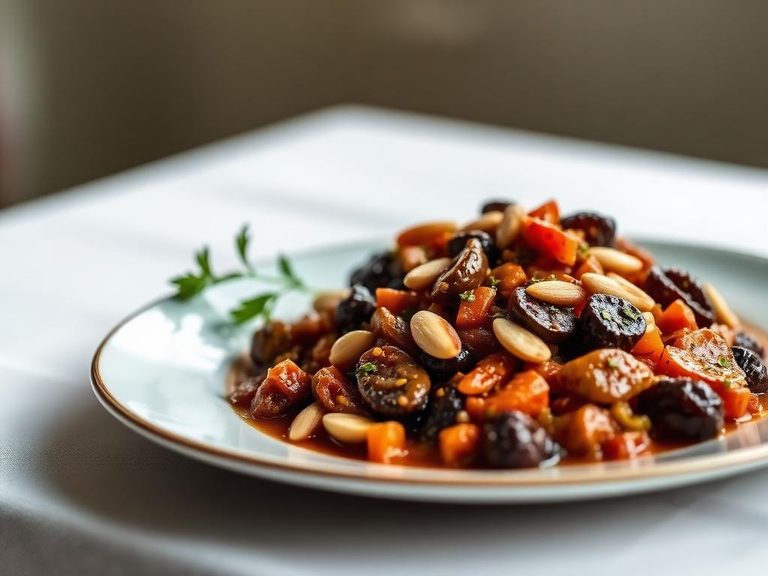
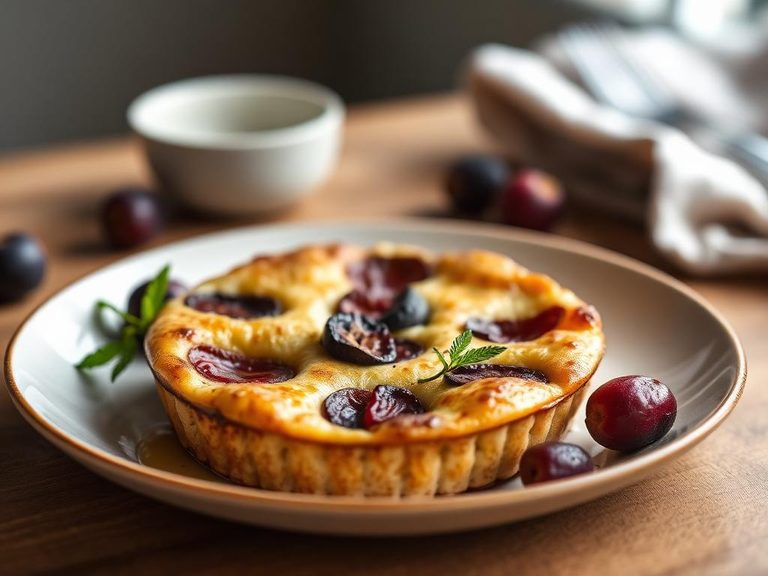
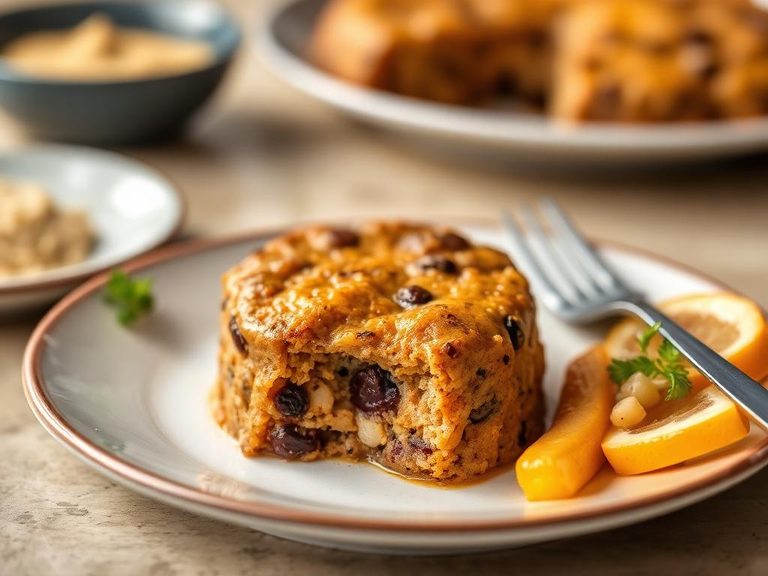
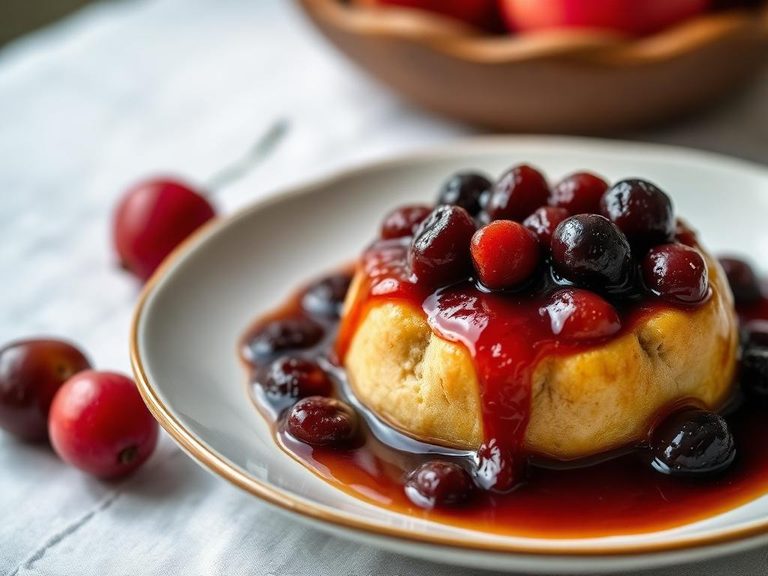
🌍 Where it's eaten
💡 Did you know?
The specific drying process that creates the classic 'wrinkled' prune was patented in 1912 by a California grower, who used forced-air drying tunnels to speed up dehydration and prevent spoilage.
Full nutrition (USDA data · scales with serving)
| Water | 4.0 g |
| Energy | 339 kcal |
| Energy | 1418 kj |
| Protein | 3.7 g |
| Total lipid (fat) | 0.73 g |
| Ash | 2.5 g |
| Carbohydrate, by difference | 89.1 g |
| Calcium, Ca | 72.0 mg |
| Iron, Fe | 3.5 mg |
| Magnesium, Mg | 64.0 mg |
| Phosphorus, P | 112 mg |
| Potassium, K | 1058 mg |
| Sodium, Na | 5.0 mg |
| Zinc, Zn | 0.75 mg |
| Copper, Cu | 0.61 mg |
| Manganese, Mn | 0.31 mg |
| Vitamin C, total ascorbic acid | 0.00 mg |
| Thiamin | 0.12 mg |
| Riboflavin | 0.17 mg |
| Niacin | 3.0 mg |
| Pantothenic acid | 0.42 mg |
| Vitamin B-6 | 0.74 mg |
| Folate, total | 2.0 ug |
| Folic acid | 0.00 ug |
| Folate, food | 2.0 ug |
| Folate, DFE | 2.0 ug |
| Vitamin B-12 | 0.00 ug |
| Vitamin A, RAE | 88.0 ug |
| Retinol | 0.00 ug |
| Vitamin A, IU | 1762 iu |
| Vitamin D (D2 + D3), International Units | 0.00 iu |
| Vitamin D (D2 + D3) | 0.00 ug |
Fat & fatty acid profile (per 100g)
| Fatty acids, total saturated | 0.06 g |
| SFA 16:0 | 0.05 g |
| SFA 18:0 | 0.01 g |
| Fatty acids, total monounsaturated | 0.48 g |
| MUFA 16:1 | 0.01 g |
| MUFA 18:1 | 0.48 g |
| Fatty acids, total polyunsaturated | 0.16 g |
| PUFA 18:2 | 0.16 g |
| Cholesterol | 0.00 mg |
Amino acid profile (per 100g)
Estimated from Plums, dried (prunes), uncooked — USDA does not publish this profile for Prunes.
| Tryptophan | 0.03 g |
| Threonine | 0.05 g |
| Isoleucine | 0.04 g |
| Leucine | 0.07 g |
| Lysine | 0.05 g |
| Methionine | 0.02 g |
| Cystine | 0.01 g |
| Phenylalanine | 0.05 g |
| Tyrosine | 0.02 g |
| Valine | 0.06 g |
| Arginine | 0.04 g |
| Histidine | 0.03 g |
| Alanine | 0.07 g |
| Aspartic acid | 0.80 g |
| Glutamic acid | 0.11 g |
| Glycine | 0.05 g |
| Proline | 0.13 g |
| Serine | 0.06 g |
FAQ
Are prunes just dried plums?
Yes, technically. Prunes are a specific type of plum (usually from the Prunus domestica species) that has been selected for its high sugar content and ability to dry without fermenting. The term 'prune' is often used interchangeably with 'dried plum' in many regions.
Why are prunes so effective for digestion?
Prunes contain a combination of fiber (both soluble and insoluble), sorbitol (a natural sugar alcohol with a mild laxative effect), and phenolic compounds that stimulate gut bacteria and increase stool frequency and consistency.
How should I store prunes to keep them fresh?
Store them in an airtight container in a cool, dark place like a pantry for up to 6 months. For longer storage, keep them in the refrigerator for up to a year or freeze them for indefinite shelf life.
Nutrient density (calculated · NRF9.3)
Nutrient Rich Foods index: beneficial nutrients (protein, fiber, vitamins, minerals) minus saturated fat, added sugar & sodium, per 100 kcal.
NRF9.3 index — Fulgoni, Keast & Drewnowski, 2009. Computed from USDA nutrients.
Weight-loss friendliness (composite index)
Energy density 3.39 kcal/g · 4% calories from protein · 0.0 g fiber · 0.0 g sugar per 100 g.
Composite of energy density (Rolls et al., 1999), protein & fiber satiety, minus sugar. A calculated heuristic — ranks satiety-per-calorie, not a clinical measure.
Dietary load (calculated from USDA values)
Potential renal acid load. Positive = acid-forming, negative = alkaline-forming.
Sodium-to-potassium ratio: 0.00 (lower is better — aim for ≤ 1)
Sodium:potassium per WHO potassium guidance. Computed from USDA nutrients.