

Peanuts, valencia, oil-roasted, without salt
Whole food · Legumes and Legume Products

Photo: Wikipedia
Valencia peanuts, a smaller and more flavorful variety, are dry-roasted in oil to a deep golden hue, delivering a satisfying crunch and a rich, nutty taste with a hint of sweetness. Nutritionally dense, they are a powerhouse of plant-based protein and heart-healthy monounsaturated fats, offering nearly 51 grams of fat per 100g. Their robust flavor and firm texture make them a standout snack and ingredient.
Calorie split: 17% protein · 10% carbs · 73% fat
↓ Full nutrition💚 Why it's loved
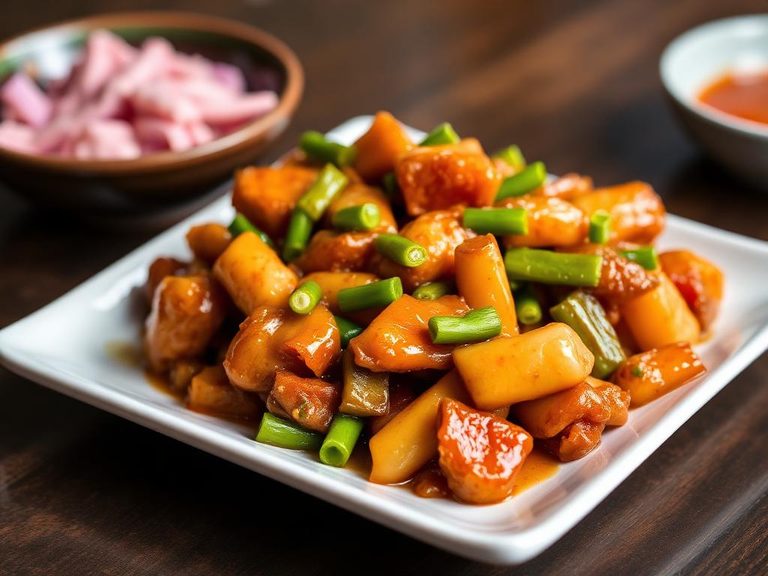
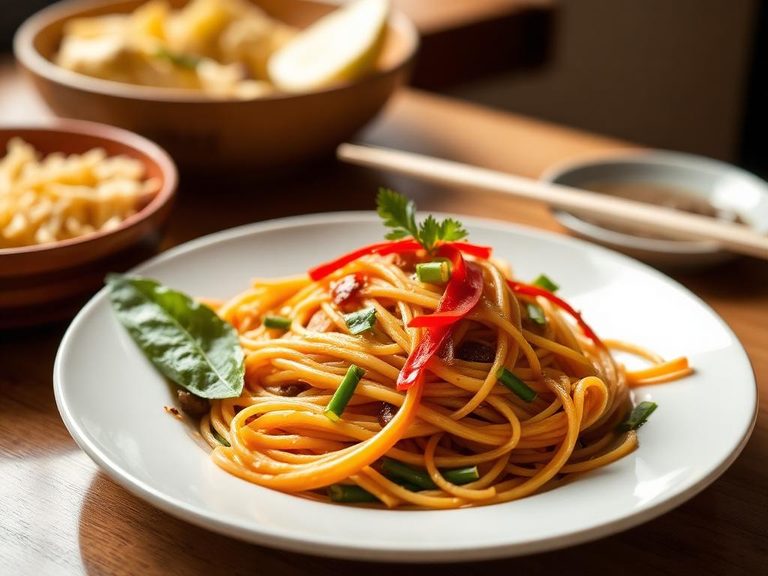
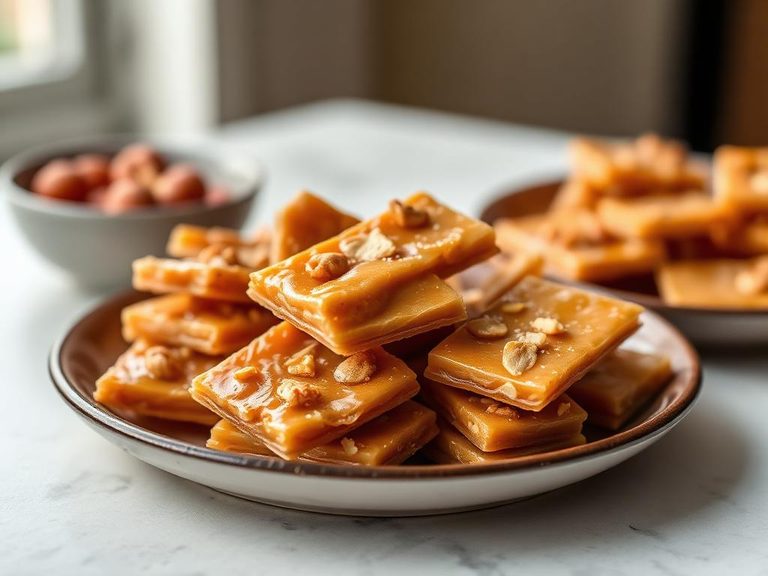
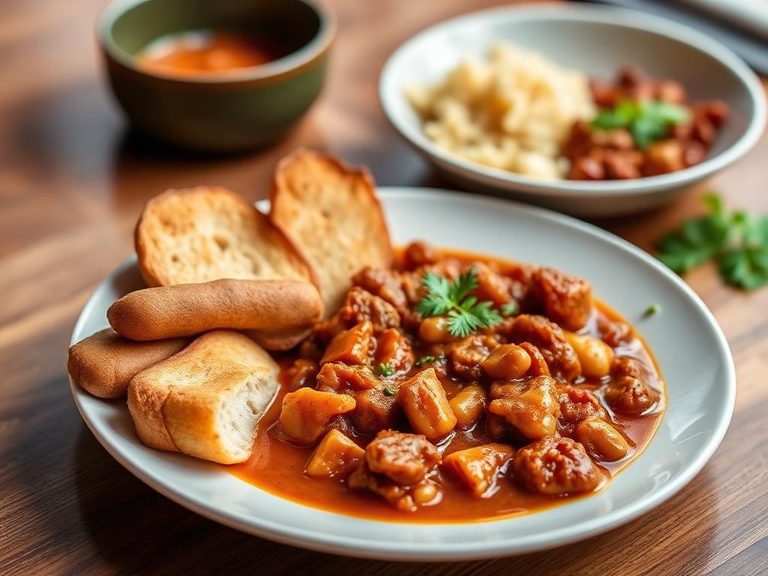
People adore them for their intense, classic peanut flavor and satisfyingly firm, crunchy texture that holds up well in both snacks and cooked dishes. Their versatility shines in everything from savory stir-fries to sweet confections, making them a beloved staple in global cuisines.
⚠️ Watch-outs & how to enjoy it better
As a common allergen, they pose a serious risk for individuals with peanut allergies, requiring strict avoidance. Their high fat and calorie density (589 kcal/100g) means portion control is key for those managing weight. To counteract this, pair a small handful with a piece of fruit for a balanced snack, or use them as a flavorful garnish rather than the main ingredient.
Key benefits
- Excellent source of plant-based protein (27g per 100g).
- Rich in monounsaturated fats, which support heart health.
- High in dietary fiber (8.9g per 100g) for digestive health.
- Provides essential minerals like magnesium, phosphorus, and potassium.
- Contains antioxidants like resveratrol and p-coumaric acid.
🍽️ Popular dishes
🌍 Where it's eaten
💡 Did you know?
Valencia peanuts are unique because they typically develop 3-4 small kernels per pod, unlike the more common two-kernel varieties, and are often used for making peanut butter due to their high oil content.
Full nutrition (USDA data · scales with serving)
| Water | 2.1 g |
| Energy | 589 kcal |
| Energy | 2464 kj |
| Protein | 27.0 g |
| Total lipid (fat) | 51.2 g |
| Ash | 3.3 g |
| Carbohydrate, by difference | 16.3 g |
| Fiber, total dietary | 8.9 g |
| Calcium, Ca | 54.0 mg |
| Iron, Fe | 1.6 mg |
| Magnesium, Mg | 160 mg |
| Phosphorus, P | 319 mg |
| Potassium, K | 612 mg |
| Sodium, Na | 6.0 mg |
| Zinc, Zn | 3.1 mg |
| Copper, Cu | 0.84 mg |
| Manganese, Mn | 1.7 mg |
| Selenium, Se | 7.5 ug |
| Vitamin C, total ascorbic acid | 0.00 mg |
| Thiamin | 0.09 mg |
| Riboflavin | 0.15 mg |
| Niacin | 14.3 mg |
| Pantothenic acid | 1.4 mg |
| Vitamin B-6 | 0.24 mg |
| Folate, total | 126 ug |
| Folic acid | 0.00 ug |
| Folate, food | 126 ug |
| Folate, DFE | 126 ug |
| Vitamin B-12 | 0.00 ug |
| Vitamin A, RAE | 0.00 ug |
| Retinol | 0.00 ug |
| Vitamin A, IU | 0.00 iu |
| Vitamin D (D2 + D3), International Units | 0.00 iu |
| Vitamin D (D2 + D3) | 0.00 ug |
Fat & fatty acid profile (per 100g)
| Fatty acids, total saturated | 7.9 g |
| SFA 14:0 | 0.03 g |
| SFA 16:0 | 5.9 g |
| SFA 18:0 | 1.3 g |
| Fatty acids, total monounsaturated | 23.1 g |
| MUFA 16:1 | 0.05 g |
| MUFA 18:1 | 22.5 g |
| MUFA 20:1 | 0.54 g |
| Fatty acids, total polyunsaturated | 17.8 g |
| PUFA 18:2 | 17.8 g |
| PUFA 18:3 | 0.01 g |
| Cholesterol | 0.00 mg |
Amino acid profile (per 100g)
| Tryptophan | 0.26 g |
| Threonine | 0.93 g |
| Isoleucine | 0.95 g |
| Leucine | 1.8 g |
| Lysine | 0.97 g |
| Methionine | 0.33 g |
| Cystine | 0.35 g |
| Phenylalanine | 1.4 g |
| Tyrosine | 1.1 g |
| Valine | 1.1 g |
| Arginine | 3.2 g |
| Histidine | 0.68 g |
| Alanine | 1.1 g |
| Aspartic acid | 3.3 g |
| Glutamic acid | 5.7 g |
| Glycine | 1.6 g |
| Proline | 1.2 g |
| Serine | 1.3 g |
FAQ
What's the difference between Valencia and other peanut types?
Valencia peanuts are smaller, have a sweeter flavor, and typically contain three to four kernels per pod. They are prized for their high oil content, making them ideal for roasting and peanut butter.
Are oil-roasted peanuts less healthy than dry-roasted?
Oil-roasting adds a small amount of fat and calories compared to dry-roasting, but it also enhances flavor and helps seasonings adhere. The nutritional difference is minimal; both are healthy in moderation.
How should I store oil-roasted peanuts to maintain freshness?
Store them in an airtight container in a cool, dark place for up to 3 months, or in the refrigerator for up to 6 months to prevent the oils from going rancid.
Nutrient density (calculated · NRF9.3)
Nutrient Rich Foods index: beneficial nutrients (protein, fiber, vitamins, minerals) minus saturated fat, added sugar & sodium, per 100 kcal.
NRF9.3 index — Fulgoni, Keast & Drewnowski, 2009. Computed from USDA nutrients.
Weight-loss friendliness (composite index)
Energy density 5.89 kcal/g · 18% calories from protein · 8.9 g fiber · 0.0 g sugar per 100 g.
Composite of energy density (Rolls et al., 1999), protein & fiber satiety, minus sugar. A calculated heuristic — ranks satiety-per-calorie, not a clinical measure.
Dietary load (calculated from USDA values)
Potential renal acid load. Positive = acid-forming, negative = alkaline-forming.
Sodium-to-potassium ratio: 0.01 (lower is better — aim for ≤ 1)
Sodium:potassium per WHO potassium guidance. Computed from USDA nutrients.