

Parsnips, cooked, boiled, drained, with salt
Whole food · Vegetables and Vegetable Products

Photo: Wikipedia
Parsnips, when boiled and drained, transform from a tough root into a tender, ivory-hued vegetable with a distinctively sweet, nutty flavor that intensifies with cooking. Their texture becomes creamy and slightly starchy, offering a comforting mouthfeel similar to a sweet potato but with a more complex, earthy sweetness. Nutritionally, they provide a modest calorie count of 71 kcal per 100g, with a notable 4g of fiber and 4.8g of natural sugars, making them a wholesome, fiber-rich addition to meals.
Calorie split: 7% protein · 90% carbs · 4% fat
↓ Full nutrition💚 Why it's loved
People love parsnips for their unique, honey-like sweetness that develops beautifully when cooked, making them a comforting and versatile vegetable. They are cherished in both savory and sweet dishes, from hearty winter stews to roasted side dishes, and are a staple in traditional European and North American cuisines.
⚠️ Watch-outs & how to enjoy it better
Parsnips contain natural sugars (4.8g per 100g) and carbohydrates (17.01g per 100g), which can cause blood sugar spikes if consumed in large quantities, especially for those managing diabetes. To counteract this, pair them with protein or healthy fats (like nuts or olive oil) and practice portion control. Additionally, if prepared with added salt, individuals with hypertension should opt for low-sodium versions or rinse them thoroughly after cooking.
Key benefits
- Rich in dietary fiber (4g per 100g) supporting digestive health
- Provides a good source of potassium and vitamin C
- Low in fat (0.3g per 100g) and naturally cholesterol-free
- Contains antioxidants like falcarinol and falcarindiol
- Offers a sweet, satisfying flavor without added sugars
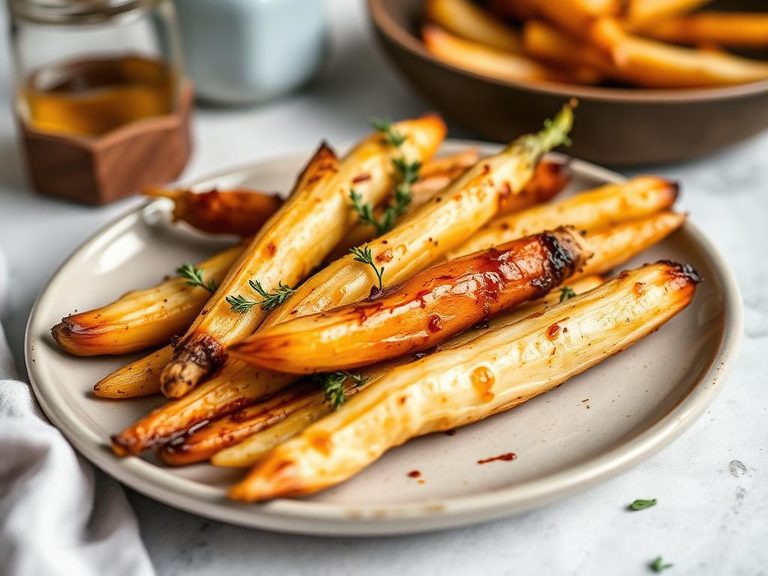
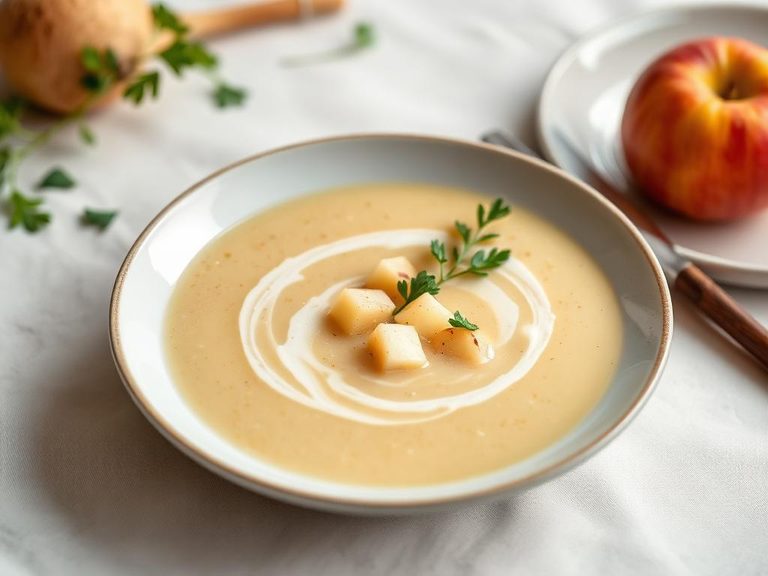
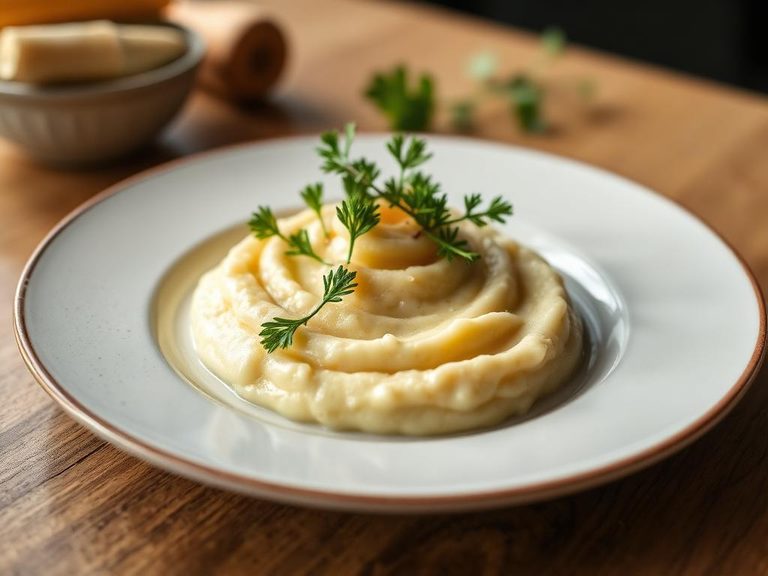
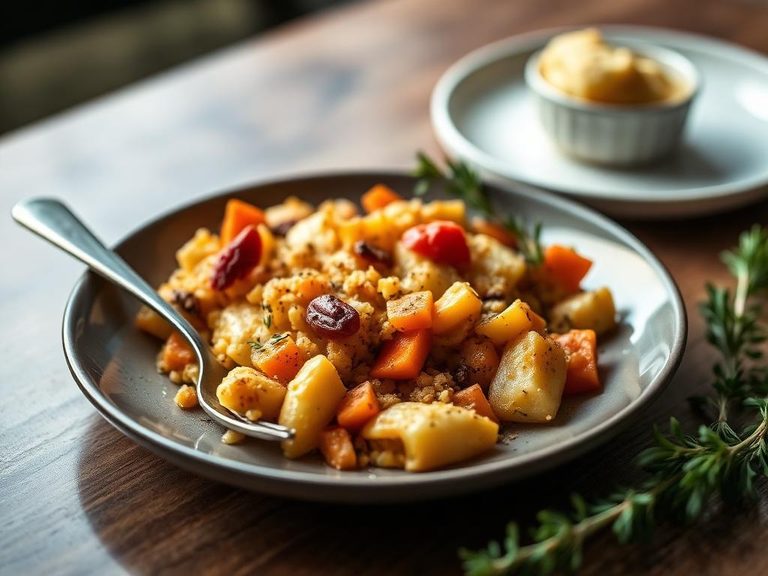
🍽️ Popular dishes

🌍 Where it's eaten
💡 Did you know?
Parsnips were once used as a sweetener in Europe before cane sugar became widely available, and they were even baked into desserts like pies and cakes during the medieval period.
Full nutrition (USDA data · scales with serving)
| Water | 80.2 g |
| Energy | 71.0 kcal |
| Energy | 299 kj |
| Protein | 1.3 g |
| Total lipid (fat) | 0.30 g |
| Ash | 1.1 g |
| Carbohydrate, by difference | 17.0 g |
| Fiber, total dietary | 4.0 g |
| Total Sugars | 4.8 g |
| Calcium, Ca | 37.0 mg |
| Iron, Fe | 0.58 mg |
| Magnesium, Mg | 29.0 mg |
| Phosphorus, P | 69.0 mg |
| Potassium, K | 367 mg |
| Sodium, Na | 246 mg |
| Zinc, Zn | 0.26 mg |
| Copper, Cu | 0.14 mg |
| Manganese, Mn | 0.29 mg |
| Selenium, Se | 1.7 ug |
| Vitamin C, total ascorbic acid | 13.0 mg |
| Thiamin | 0.08 mg |
| Riboflavin | 0.05 mg |
| Niacin | 0.72 mg |
| Pantothenic acid | 0.59 mg |
| Vitamin B-6 | 0.09 mg |
| Folate, total | 58.0 ug |
| Folic acid | 0.00 ug |
| Folate, food | 58.0 ug |
| Folate, DFE | 58.0 ug |
| Choline, total | 27.0 mg |
| Vitamin B-12 | 0.00 ug |
| Vitamin B-12, added | 0.00 ug |
| Vitamin A, RAE | 0.00 ug |
| Retinol | 0.00 ug |
| Carotene, beta | 0.00 ug |
| Carotene, alpha | 0.00 ug |
| Cryptoxanthin, beta | 0.00 ug |
| Vitamin A, IU | 0.00 iu |
| Lycopene | 0.00 ug |
| Lutein + zeaxanthin | 0.00 ug |
| Vitamin E (alpha-tocopherol) | 1.0 mg |
| Vitamin E, added | 0.00 mg |
| Vitamin D (D2 + D3), International Units | 0.00 iu |
| Vitamin D (D2 + D3) | 0.00 ug |
| Vitamin K (phylloquinone) | 1.0 ug |
Fat & fatty acid profile (per 100g)
| Fatty acids, total saturated | 0.05 g |
| SFA 4:0 | 0.00 g |
| SFA 6:0 | 0.00 g |
| SFA 8:0 | 0.00 g |
| SFA 10:0 | 0.00 g |
| SFA 12:0 | 0.00 g |
| SFA 14:0 | 0.00 g |
| SFA 16:0 | 0.03 g |
| SFA 18:0 | 0.01 g |
| Fatty acids, total monounsaturated | 0.11 g |
| MUFA 16:1 | 0.00 g |
| MUFA 18:1 | 0.10 g |
| MUFA 22:1 | 0.00 g |
| Fatty acids, total polyunsaturated | 0.05 g |
| PUFA 18:2 | 0.04 g |
| PUFA 18:3 | 0.00 g |
| PUFA 18:4 | 0.00 g |
| PUFA 20:4 | 0.00 g |
| Fatty acids, total trans | 0.00 g |
| Cholesterol | 0.00 mg |
FAQ
Are parsnips the same as carrots?
No, parsnips are a different root vegetable (Pastinaca sativa) with a pale, cream-colored exterior and a sweeter, nuttier flavor compared to the orange carrot (Daucus carota). They belong to the same family (Apiaceae) but are distinct species.
Can I eat parsnips raw?
Yes, parsnips can be eaten raw, though they are tougher and less sweet than when cooked. They are often grated into salads or slaws for a crunchy, mildly sweet addition.
How do I store cooked parsnips?
Store boiled parsnips in an airtight container in the refrigerator for up to 3-4 days. For longer storage, freeze them in a single layer on a baking sheet before transferring to a freezer bag, where they can last up to 3 months.
Nutrient density (calculated · NRF9.3)
Nutrient Rich Foods index: beneficial nutrients (protein, fiber, vitamins, minerals) minus saturated fat, added sugar & sodium, per 100 kcal.
NRF9.3 index — Fulgoni, Keast & Drewnowski, 2009. Computed from USDA nutrients.
Weight-loss friendliness (composite index)
Energy density 0.71 kcal/g · 7% calories from protein · 4.0 g fiber · 4.8 g sugar per 100 g.
Composite of energy density (Rolls et al., 1999), protein & fiber satiety, minus sugar. A calculated heuristic — ranks satiety-per-calorie, not a clinical measure.
Dietary load (calculated from USDA values)
Potential renal acid load. Positive = acid-forming, negative = alkaline-forming.
Sodium-to-potassium ratio: 0.67 (lower is better — aim for ≤ 1)
Sodium:potassium per WHO potassium guidance. Computed from USDA nutrients.