

Parsnips, cooked
Common food

Photo: Wikipedia
Parsnips are the sweet, earthy cousins of carrots, with a creamy, off-white flesh that becomes tender and nutty when cooked. Their flavor is a complex blend of sweet, spicy, and nutty notes, often described as a cross between a carrot and a hint of cinnamon or nutmeg. Nutritionally, they are a standout source of dietary fiber, providing over 10% of your daily needs in a standard serving.
Calorie split: 5% protein · 68% carbs · 26% fat
↓ Full nutrition💚 Why it's loved
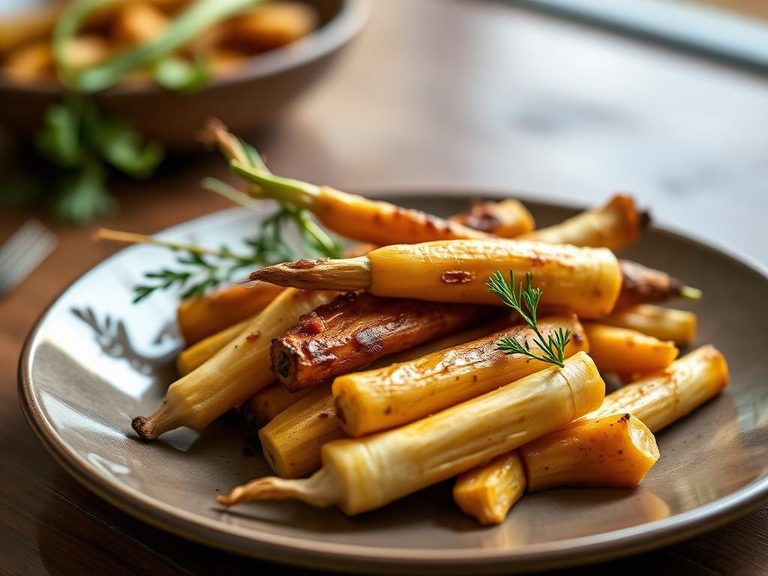
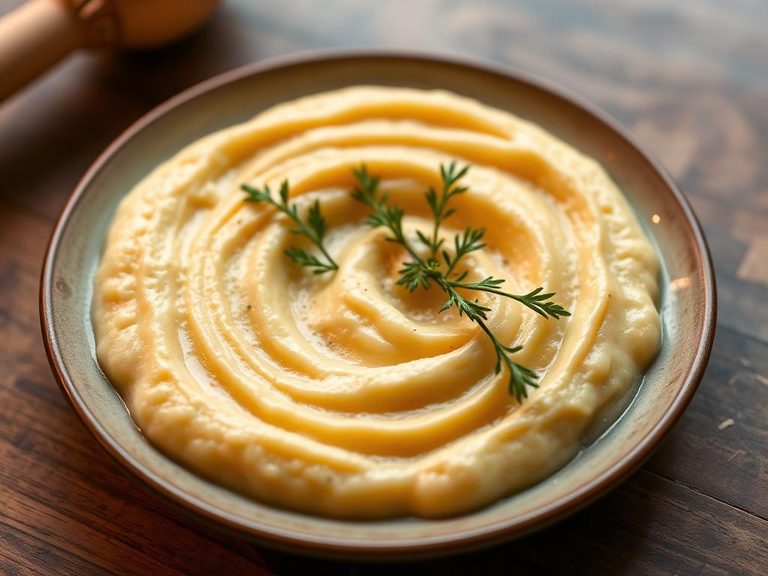
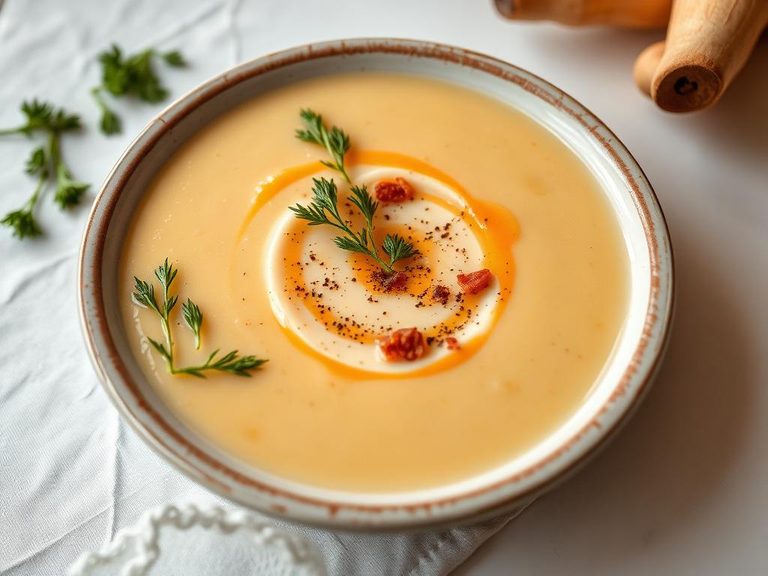
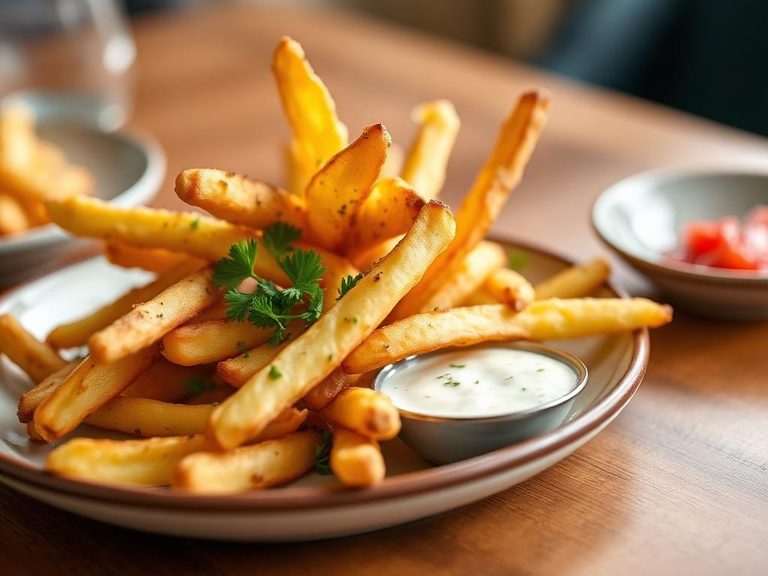
People love parsnips for their deep, caramelized sweetness that intensifies with roasting, making them a beloved winter staple. Their versatility allows them to shine in everything from hearty stews and creamy purées to crispy fries and elegant gratins.
⚠️ Watch-outs & how to enjoy it better
Their high natural sugar content (4.65g per 100g) can cause a noticeable blood-sugar spike if eaten in large quantities alone, especially for those managing diabetes. To counteract this, pair them with a source of protein or healthy fat (like roasted chicken or a drizzle of olive oil) and practice portion control.
Key benefits
- Excellent source of dietary fiber for digestive health.
- Rich in potassium, supporting heart and muscle function.
- Provides folate, essential for cell growth and metabolism.
- Contains antioxidants like falcarinol, studied for anti-inflammatory properties.
- Naturally sweet flavor can reduce need for added sugars in dishes.
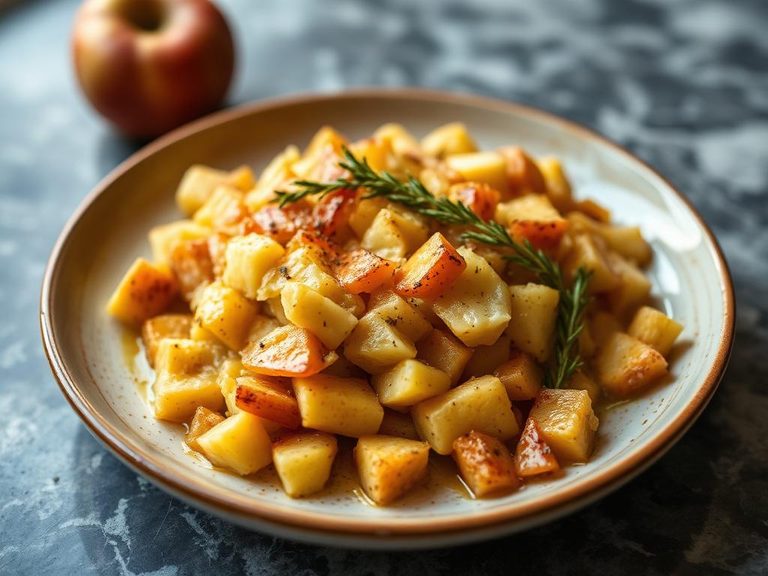
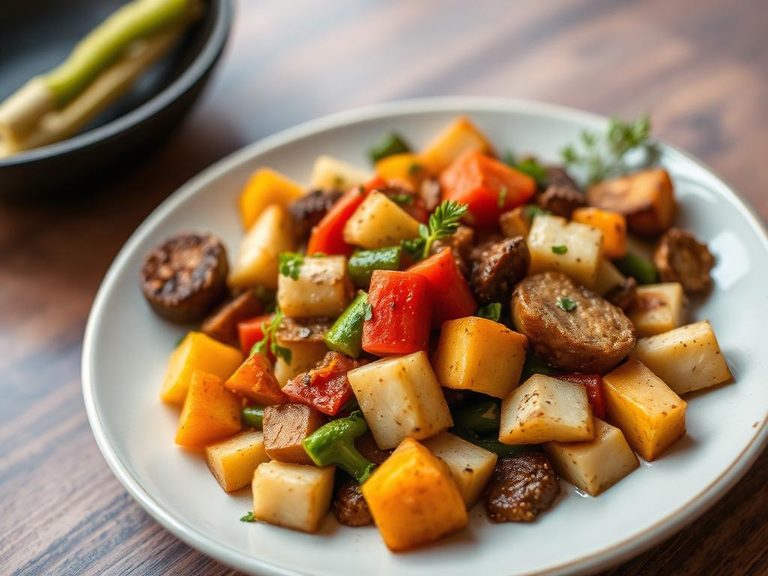
🍽️ Popular dishes
🌍 Where it's eaten
💡 Did you know?
Before the widespread cultivation of sugarcane and sugar beets in the 18th century, parsnips were a primary source of sweetness in European cooking, often used to sweeten jams and desserts.
Full nutrition (USDA data · scales with serving)
| Water | 78.0 g |
| Energy | 92.0 kcal |
| Protein | 1.3 g |
| Total lipid (fat) | 2.8 g |
| Carbohydrate, by difference | 16.5 g |
| Fiber, total dietary | 3.5 g |
| Total Sugars | 4.7 g |
| Calcium, Ca | 36.0 mg |
| Iron, Fe | 0.56 mg |
| Magnesium, Mg | 28.0 mg |
| Phosphorus, P | 67.0 mg |
| Potassium, K | 356 mg |
| Sodium, Na | 131 mg |
| Zinc, Zn | 0.25 mg |
| Copper, Cu | 0.13 mg |
| Selenium, Se | 1.6 ug |
| Vitamin C, total ascorbic acid | 12.6 mg |
| Thiamin | 0.08 mg |
| Riboflavin | 0.05 mg |
| Niacin | 0.70 mg |
| Vitamin B-6 | 0.11 mg |
| Folate, total | 56.0 ug |
| Folic acid | 0.00 ug |
| Folate, food | 56.0 ug |
| Folate, DFE | 56.0 ug |
| Choline, total | 26.4 mg |
| Vitamin B-12 | 0.00 ug |
| Vitamin B-12, added | 0.00 ug |
| Vitamin A, RAE | 11.0 ug |
| Retinol | 11.0 ug |
| Carotene, beta | 5.0 ug |
| Carotene, alpha | 0.00 ug |
| Cryptoxanthin, beta | 0.00 ug |
| Lycopene | 0.00 ug |
| Lutein + zeaxanthin | 0.00 ug |
| Vitamin E (alpha-tocopherol) | 1.4 mg |
| Vitamin E, added | 0.00 mg |
| Vitamin D (D2 + D3) | 0.00 ug |
| Vitamin K (phylloquinone) | 3.1 ug |
| Alcohol, ethyl | 0.00 g |
| Caffeine | 0.00 mg |
| Theobromine | 0.00 mg |
Fat & fatty acid profile (per 100g)
| Fatty acids, total saturated | 0.71 g |
| SFA 4:0 | 0.02 g |
| SFA 6:0 | 0.01 g |
| SFA 8:0 | 0.01 g |
| SFA 10:0 | 0.02 g |
| SFA 12:0 | 0.02 g |
| SFA 14:0 | 0.07 g |
| SFA 16:0 | 0.39 g |
| SFA 18:0 | 0.15 g |
| Fatty acids, total monounsaturated | 1.0 g |
| MUFA 16:1 | 0.02 g |
| MUFA 18:1 | 0.97 g |
| MUFA 20:1 | 0.01 g |
| MUFA 22:1 | 0.00 g |
| Fatty acids, total polyunsaturated | 0.78 g |
| PUFA 18:2 | 0.69 g |
| PUFA 18:3 | 0.08 g |
| PUFA 18:4 | 0.00 g |
| PUFA 20:4 | 0.00 g |
| PUFA 20:5 n-3 (EPA) | 0.00 g |
| PUFA 22:5 n-3 (DPA) | 0.00 g |
| PUFA 22:6 n-3 (DHA) | 0.00 g |
| Cholesterol | 2.0 mg |
FAQ
What's the difference between a parsnip and a carrot?
While related, parsnips are cream-colored with a sweeter, nuttier, and more complex flavor than carrots. They are starchier and have a denser texture when raw, but become very tender and almost creamy when cooked.
How do I store parsnips?
Store them unwashed in a plastic bag in the crisper drawer of your refrigerator for up to 3 weeks. For longer storage, they can be peeled, chopped, and frozen for up to 10 months.
Are parsnips healthy for weight loss?
Yes, they can be a good part of a weight management plan. Their high fiber content promotes fullness, and at 92 kcal per 100g cooked, they are a nutrient-dense, lower-calorie alternative to potatoes when roasted or mashed.
Nutrient density (calculated · NRF9.3)
Nutrient Rich Foods index: beneficial nutrients (protein, fiber, vitamins, minerals) minus saturated fat, added sugar & sodium, per 100 kcal.
NRF9.3 index — Fulgoni, Keast & Drewnowski, 2009. Computed from USDA nutrients.
Weight-loss friendliness (composite index)
Energy density 0.92 kcal/g · 6% calories from protein · 3.5 g fiber · 4.7 g sugar per 100 g.
Composite of energy density (Rolls et al., 1999), protein & fiber satiety, minus sugar. A calculated heuristic — ranks satiety-per-calorie, not a clinical measure.
Dietary load (calculated from USDA values)
Potential renal acid load. Positive = acid-forming, negative = alkaline-forming.
Sodium-to-potassium ratio: 0.37 (lower is better — aim for ≤ 1)
Sodium:potassium per WHO potassium guidance. Computed from USDA nutrients.