

Oil, mustard
Whole food · Fats and Oils

Photo: Wikipedia
Mustard oil is a pungent, golden-hued cooking oil extracted from the seeds of the mustard plant. It possesses a sharp, peppery heat and a distinctive aroma that can be both invigorating and polarizing. Nutritionally, it is a pure fat source, providing a dense 884 calories per 100g, with a favorable profile of monounsaturated and polyunsaturated fats.
Calorie split: 0% protein · 0% carbs · 100% fat
↓ Full nutrition💚 Why it's loved
People adore mustard oil for its irreplaceable, sharp flavor that forms the aromatic base of countless curries, pickles, and marinades. It's a cornerstone of culinary identity in regions like Bengal and Punjab, adding a depth and warmth that other oils cannot replicate.
⚠️ Watch-outs & how to enjoy it better
The oil's high erucic acid content has led to regulatory caution in some countries, though modern, low-erucic acid varieties are widely available. Its intense pungency can be overwhelming if used improperly. To enjoy it safely, use it for tempering (tadka) or as a finishing oil rather than for high-heat, prolonged frying, and opt for brands labeled 'low erucic acid' or 'kachchi ghani' (cold-pressed).
Key benefits
- High in heart-healthy monounsaturated fats (oleic acid)
- Contains omega-3 (ALA) and omega-6 fatty acids
- Rich in vitamin E, a natural antioxidant
- Traditional oil for deep-frying in South Asian cuisine
🍽️ Popular dishes
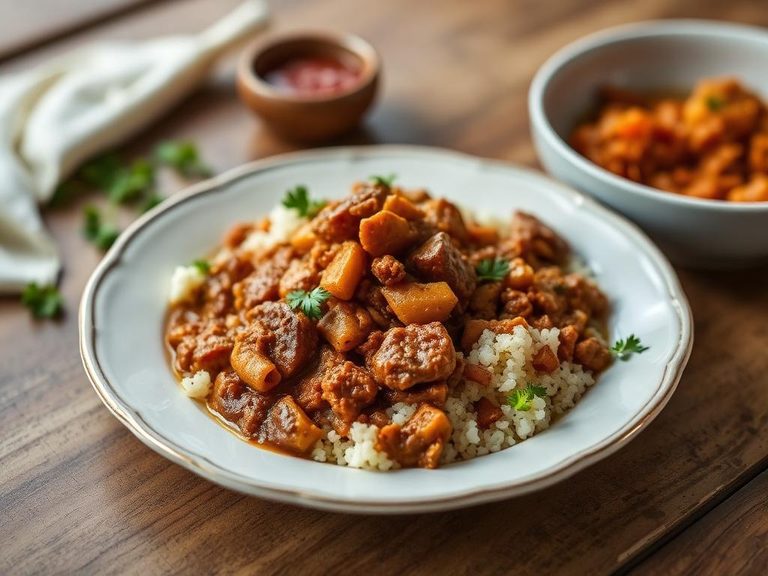
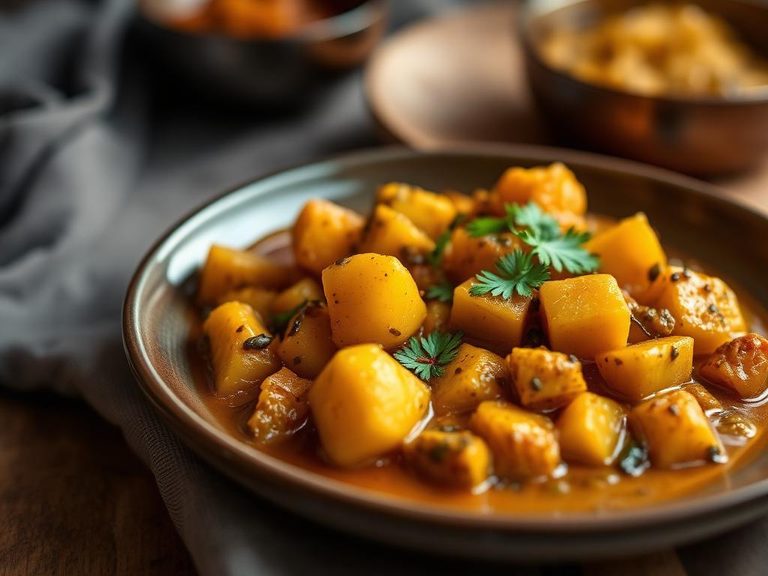
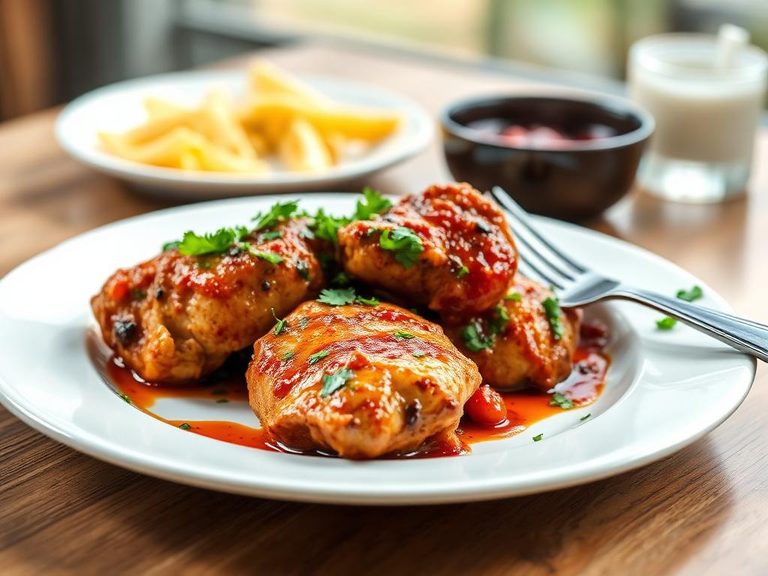
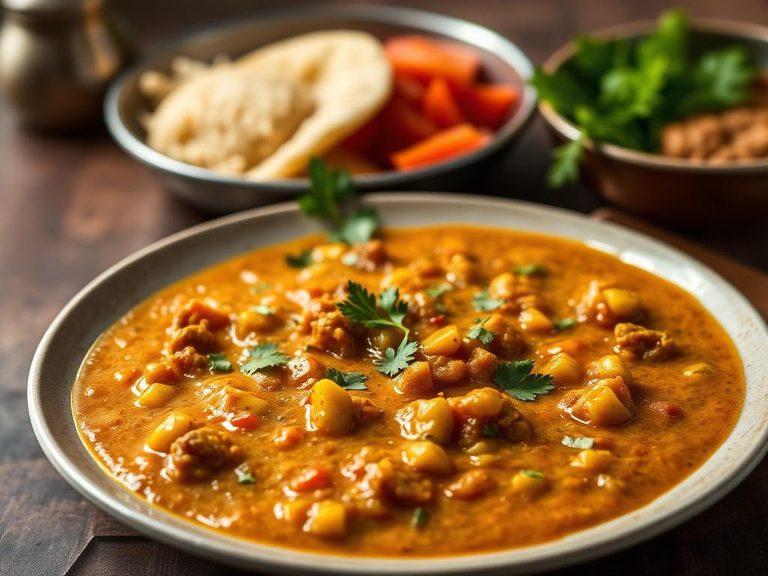
🌍 Where it's eaten
💡 Did you know?
In traditional Indian households, mustard oil is often heated to its smoking point and then cooled before use—a process believed to reduce its natural pungency and potential compounds, resulting in a milder flavor.
Full nutrition (USDA data · scales with serving)
| Water | 0.00 g |
| Energy | 884 kcal |
| Energy | 3699 kj |
| Protein | 0.00 g |
| Total lipid (fat) | 100 g |
| Ash | 0.00 g |
| Carbohydrate, by difference | 0.00 g |
| Fiber, total dietary | 0.00 g |
| Calcium, Ca | 0.00 mg |
| Iron, Fe | 0.00 mg |
| Magnesium, Mg | 0.00 mg |
| Phosphorus, P | 0.00 mg |
| Potassium, K | 0.00 mg |
| Sodium, Na | 0.00 mg |
| Zinc, Zn | 0.00 mg |
| Copper, Cu | 0.00 mg |
| Manganese, Mn | 0.00 mg |
| Selenium, Se | 0.00 ug |
| Vitamin C, total ascorbic acid | 0.00 mg |
| Thiamin | 0.00 mg |
| Riboflavin | 0.00 mg |
| Niacin | 0.00 mg |
| Pantothenic acid | 0.00 mg |
| Vitamin B-6 | 0.00 mg |
| Folate, total | 0.00 ug |
| Folic acid | 0.00 ug |
| Folate, food | 0.00 ug |
| Folate, DFE | 0.00 ug |
| Vitamin B-12 | 0.00 ug |
| Vitamin A, RAE | 0.00 ug |
| Retinol | 0.00 ug |
| Vitamin A, IU | 0.00 iu |
Fat & fatty acid profile (per 100g)
| Fatty acids, total saturated | 11.6 g |
| SFA 14:0 | 1.4 g |
| SFA 16:0 | 3.8 g |
| SFA 18:0 | 1.1 g |
| Fatty acids, total monounsaturated | 59.2 g |
| MUFA 16:1 | 0.22 g |
| MUFA 18:1 | 11.6 g |
| MUFA 20:1 | 6.2 g |
| MUFA 22:1 | 41.2 g |
| Fatty acids, total polyunsaturated | 21.2 g |
| PUFA 18:2 | 15.3 g |
| PUFA 18:3 | 5.9 g |
Amino acid profile (per 100g)
Estimated from Oil, safflower, salad or cooking, high oleic (primary safflower oil of commerce) — USDA does not publish this profile for Oil.
| Tryptophan | 0.00 g |
| Threonine | 0.00 g |
| Isoleucine | 0.00 g |
| Leucine | 0.00 g |
| Lysine | 0.00 g |
| Methionine | 0.00 g |
| Cystine | 0.00 g |
| Phenylalanine | 0.00 g |
| Tyrosine | 0.00 g |
| Valine | 0.00 g |
| Arginine | 0.00 g |
| Histidine | 0.00 g |
| Alanine | 0.00 g |
| Aspartic acid | 0.00 g |
| Glutamic acid | 0.00 g |
| Glycine | 0.00 g |
| Proline | 0.00 g |
| Serine | 0.00 g |
FAQ
Is mustard oil safe to consume?
Yes, mustard oil is a common and traditional cooking fat in South Asia. Modern food-grade mustard oil is typically low in erucic acid and safe for culinary use. It's important to choose reputable brands and use it as part of a balanced diet.
What's the difference between mustard oil for cooking and for massage?
Pure, culinary-grade mustard oil is refined and tested for consumption. 'Black mustard oil' sold for massage or external use is not food-grade and may contain impurities or higher levels of compounds not intended for ingestion.
Why does mustard oil sometimes solidify in cold weather?
This is a natural property of its fatty acid composition. Like olive oil, it can become cloudy or semi-solid when stored in cool temperatures. Gently warming the container will return it to a liquid state without affecting quality.
Nutrient density (calculated · NRF9.3)
Nutrient Rich Foods index: beneficial nutrients (protein, fiber, vitamins, minerals) minus saturated fat, added sugar & sodium, per 100 kcal.
NRF9.3 index — Fulgoni, Keast & Drewnowski, 2009. Computed from USDA nutrients.
Weight-loss friendliness (composite index)
Energy density 8.84 kcal/g · 0% calories from protein · 0.0 g fiber · 0.0 g sugar per 100 g.
Composite of energy density (Rolls et al., 1999), protein & fiber satiety, minus sugar. A calculated heuristic — ranks satiety-per-calorie, not a clinical measure.
Dietary load (calculated from USDA values)
Potential renal acid load. Positive = acid-forming, negative = alkaline-forming.
Sodium:potassium per WHO potassium guidance. Computed from USDA nutrients.