

Nuts, coconut meat, dried (desiccated), sweetened, flaked, canned
Whole food · Nut and Seed Products
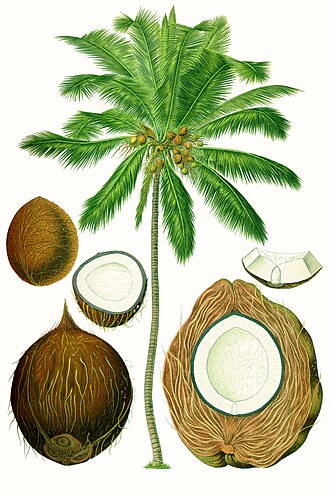
Photo: Wikipedia
This is coconut meat that has been dried, sweetened, and pressed into thin, delicate flakes, then sealed in a can for long-term shelf stability. It offers a satisfyingly crisp yet chewy texture with a pronounced, sugary tropical sweetness that intensifies the coconut's natural flavor. Nutritionally, it is a calorie-dense source of fat and carbohydrates, with a notable 4.5g of fiber per 100g.
Calorie split: 3% protein · 35% carbs · 62% fat
↓ Full nutrition💚 Why it's loved
People love it for its intense, candy-like coconut flavor and the delightful textural contrast it adds to both sweet and savory dishes. It's a staple in tropical cuisines and a versatile pantry item for instantly evoking a beachy, dessert-like vibe.
⚠️ Watch-outs & how to enjoy it better
The added sugar significantly increases its calorie content and can cause rapid blood-sugar spikes, making it unsuitable for low-sugar diets. As a tree nut (coconut is classified as such by the FDA), it is a common allergen. To mitigate sugar impact, use it sparingly as a garnish rather than a main ingredient, and pair it with protein-rich foods like Greek yogurt or nuts to slow sugar absorption.
Key benefits
- Provides a quick source of energy from carbohydrates and fats.
- Contains dietary fiber, which supports digestive health.
- Offers a convenient, shelf-stable ingredient for baking and cooking.
- A source of manganese, which is important for bone health and metabolism.
🍽️ Popular dishes
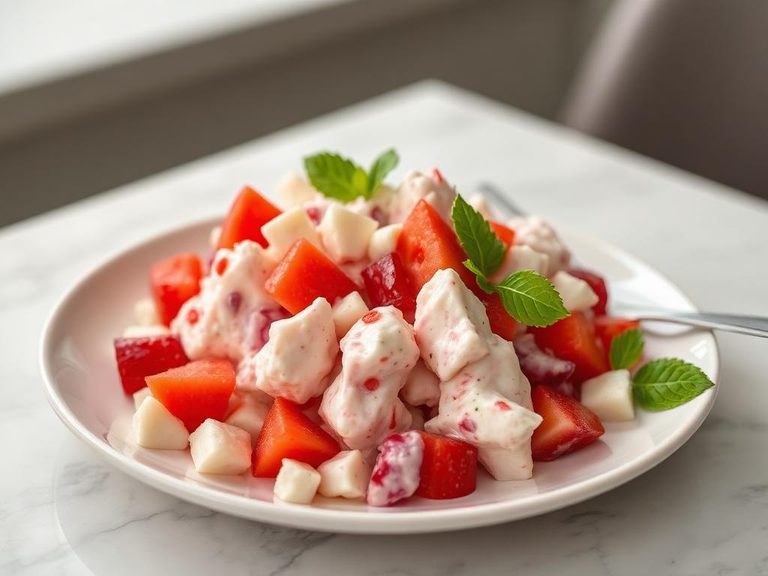


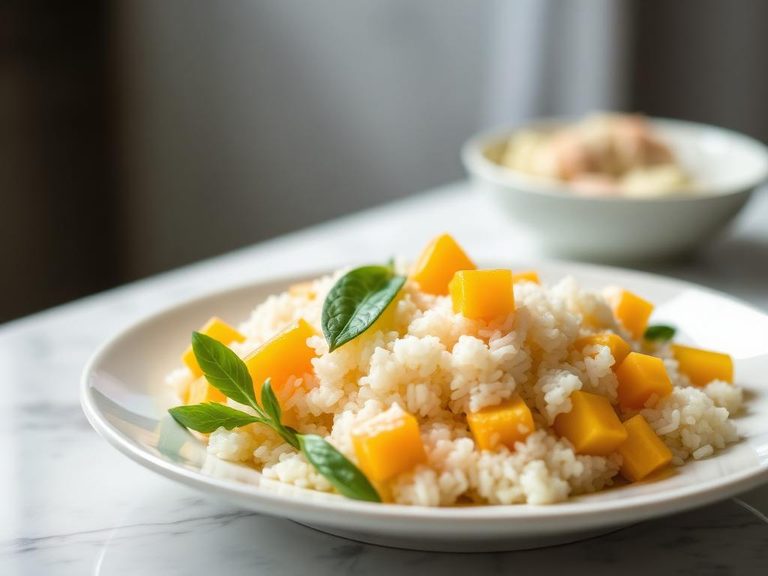

🌍 Where it's eaten
💡 Did you know?
Desiccated coconut was a crucial, non-perishable provision for sailors in the 19th and early 20th centuries, providing essential fats and calories on long voyages.
Full nutrition (USDA data · scales with serving)
| Water | 23.3 g |
| Energy | 443 kcal |
| Energy | 1854 kj |
| Protein | 3.4 g |
| Total lipid (fat) | 31.7 g |
| Ash | 0.78 g |
| Carbohydrate, by difference | 40.9 g |
| Fiber, total dietary | 4.5 g |
| Calcium, Ca | 14.0 mg |
| Iron, Fe | 1.8 mg |
| Magnesium, Mg | 49.0 mg |
| Phosphorus, P | 103 mg |
| Potassium, K | 324 mg |
| Sodium, Na | 20.0 mg |
| Zinc, Zn | 1.6 mg |
| Copper, Cu | 0.31 mg |
| Manganese, Mn | 2.2 mg |
| Vitamin C, total ascorbic acid | 0.00 mg |
| Thiamin | 0.03 mg |
| Riboflavin | 0.02 mg |
| Niacin | 0.30 mg |
| Pantothenic acid | 0.63 mg |
| Vitamin B-6 | 0.24 mg |
| Folate, total | 7.0 ug |
| Folic acid | 0.00 ug |
| Folate, food | 7.0 ug |
| Folate, DFE | 7.0 ug |
| Vitamin B-12 | 0.00 ug |
| Vitamin A, RAE | 0.00 ug |
| Retinol | 0.00 ug |
| Vitamin A, IU | 0.00 iu |
| Vitamin D (D2 + D3), International Units | 0.00 iu |
| Vitamin D (D2 + D3) | 0.00 ug |
| Alcohol, ethyl | 0.00 g |
Fat & fatty acid profile (per 100g)
| Fatty acids, total saturated | 28.1 g |
| SFA 6:0 | 0.18 g |
| SFA 8:0 | 2.2 g |
| SFA 10:0 | 1.8 g |
| SFA 12:0 | 14.1 g |
| SFA 14:0 | 5.6 g |
| SFA 16:0 | 2.7 g |
| SFA 18:0 | 1.6 g |
| Fatty acids, total monounsaturated | 1.3 g |
| MUFA 18:1 | 1.3 g |
| Fatty acids, total polyunsaturated | 0.35 g |
| PUFA 18:2 | 0.35 g |
| Cholesterol | 0.00 mg |
Amino acid profile (per 100g)
| Tryptophan | 0.04 g |
| Threonine | 0.12 g |
| Isoleucine | 0.13 g |
| Leucine | 0.25 g |
| Lysine | 0.15 g |
| Methionine | 0.06 g |
| Cystine | 0.07 g |
| Phenylalanine | 0.17 g |
| Tyrosine | 0.10 g |
| Valine | 0.20 g |
| Arginine | 0.55 g |
| Histidine | 0.08 g |
| Alanine | 0.17 g |
| Aspartic acid | 0.33 g |
| Glutamic acid | 0.77 g |
| Glycine | 0.16 g |
| Proline | 0.14 g |
| Serine | 0.17 g |
FAQ
Is sweetened flaked coconut the same as unsweetened shredded coconut?
No. Sweetened flaked coconut is larger, thinner, and coated in sugar syrup, making it much sweeter and moister. Unsweetened shredded coconut is finer, drier, and has no added sugar, making it more versatile for savory cooking.
How should I store an opened can of this coconut?
Transfer the unused flakes to an airtight container or resealable bag. Store in a cool, dry place for up to a month, or in the refrigerator for several months to prevent the oils from going rancid.
Can I use this in place of fresh coconut?
It's not a direct 1:1 substitute due to the added sugar and dried texture. It works best as a topping, mix-in, or garnish. For recipes requiring fresh coconut's moisture and mild flavor (like curries), fresh or frozen coconut is preferable.
Nutrient density (calculated · NRF9.3)
Nutrient Rich Foods index: beneficial nutrients (protein, fiber, vitamins, minerals) minus saturated fat, added sugar & sodium, per 100 kcal.
NRF9.3 index — Fulgoni, Keast & Drewnowski, 2009. Computed from USDA nutrients.
Weight-loss friendliness (composite index)
Energy density 4.43 kcal/g · 3% calories from protein · 4.5 g fiber · 0.0 g sugar per 100 g.
Composite of energy density (Rolls et al., 1999), protein & fiber satiety, minus sugar. A calculated heuristic — ranks satiety-per-calorie, not a clinical measure.
Dietary load (calculated from USDA values)
Potential renal acid load. Positive = acid-forming, negative = alkaline-forming.
Sodium-to-potassium ratio: 0.06 (lower is better — aim for ≤ 1)
Sodium:potassium per WHO potassium guidance. Computed from USDA nutrients.