

Nuts, chestnuts, european, boiled and steamed
Whole food · Nut and Seed Products

Photo: Wikipedia
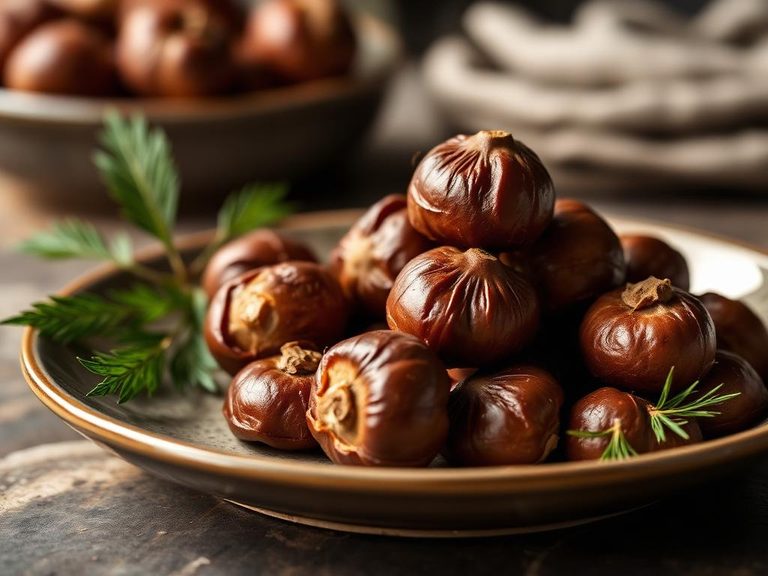
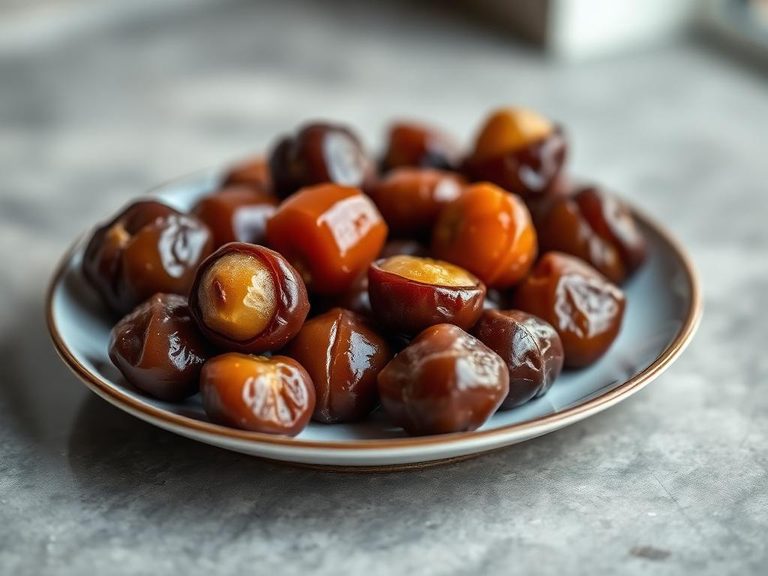
European chestnuts, once boiled or steamed, become tender and slightly waxy, with a sweet, starchy flavor reminiscent of a mild potato or roasted sweet potato. Their nutrition profile is dominated by carbohydrates, providing a quick source of energy with minimal fat and protein.
Calorie split: 6% protein · 84% carbs · 9% fat
↓ Full nutrition💚 Why it's loved
People cherish chestnuts for their unique, subtly sweet flavor and soft, satisfying texture that bridges the gap between a vegetable and a nut. They are deeply embedded in festive traditions, especially in European winter cuisine, evoking warmth and nostalgia.
⚠️ Watch-outs & how to enjoy it better
The high carbohydrate content can cause rapid blood-sugar spikes, especially when eaten alone. They are also a tree nut allergen. To counteract this, pair them with a source of protein or fat (like a piece of cheese or some olive oil) and practice portion control, sticking to a small handful.
Key benefits
- Good source of quick energy from complex carbohydrates.
- Naturally low in fat compared to most other nuts.
- Contains vitamin C, an antioxidant often lost in other nuts.
- Provides minerals like manganese and copper.
- Gluten-free carbohydrate alternative.
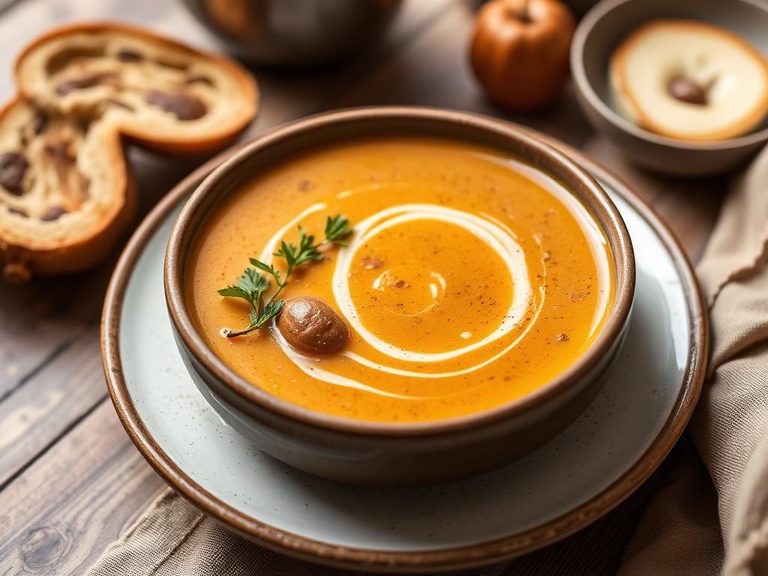
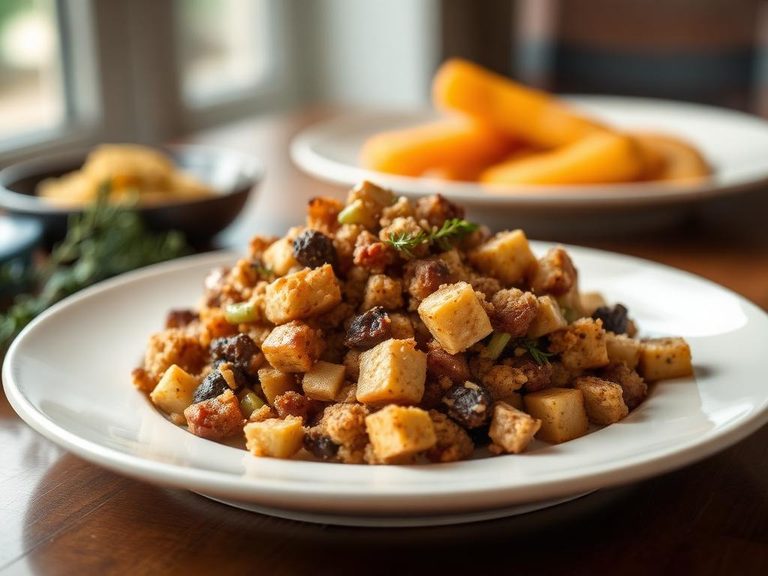
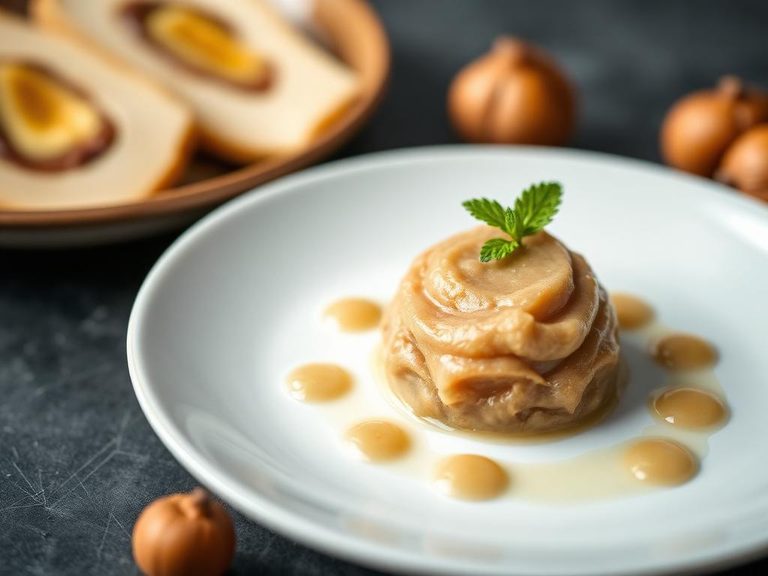
🍽️ Popular dishes
🌍 Where it's eaten
💡 Did you know?
Unlike most nuts, chestnuts are notably low in protein and fat but high in vitamin C, containing about as much per weight as a lemon.
Full nutrition (USDA data · scales with serving)
| Water | 68.2 g |
| Energy | 131 kcal |
| Energy | 548 kj |
| Protein | 2.0 g |
| Total lipid (fat) | 1.4 g |
| Ash | 0.71 g |
| Carbohydrate, by difference | 27.8 g |
| Calcium, Ca | 46.0 mg |
| Iron, Fe | 1.7 mg |
| Magnesium, Mg | 54.0 mg |
| Phosphorus, P | 99.0 mg |
| Potassium, K | 715 mg |
| Sodium, Na | 27.0 mg |
| Zinc, Zn | 0.25 mg |
| Copper, Cu | 0.47 mg |
| Manganese, Mn | 0.85 mg |
| Vitamin C, total ascorbic acid | 26.7 mg |
| Thiamin | 0.15 mg |
| Riboflavin | 0.10 mg |
| Niacin | 0.73 mg |
| Pantothenic acid | 0.32 mg |
| Vitamin B-6 | 0.23 mg |
| Folate, total | 38.0 ug |
| Folic acid | 0.00 ug |
| Folate, food | 38.0 ug |
| Folate, DFE | 38.0 ug |
| Vitamin B-12 | 0.00 ug |
| Vitamin A, RAE | 1.0 ug |
| Retinol | 0.00 ug |
| Vitamin A, IU | 17.0 iu |
| Vitamin D (D2 + D3), International Units | 0.00 iu |
| Vitamin D (D2 + D3) | 0.00 ug |
Fat & fatty acid profile (per 100g)
| Fatty acids, total saturated | 0.26 g |
| SFA 14:0 | 0.01 g |
| SFA 16:0 | 0.23 g |
| SFA 18:0 | 0.01 g |
| Fatty acids, total monounsaturated | 0.48 g |
| MUFA 16:1 | 0.01 g |
| MUFA 18:1 | 0.46 g |
| MUFA 20:1 | 0.01 g |
| Fatty acids, total polyunsaturated | 0.55 g |
| PUFA 18:2 | 0.49 g |
| PUFA 18:3 | 0.06 g |
| Cholesterol | 0.00 mg |
Amino acid profile (per 100g)
| Tryptophan | 0.02 g |
| Threonine | 0.07 g |
| Isoleucine | 0.08 g |
| Leucine | 0.12 g |
| Lysine | 0.12 g |
| Methionine | 0.05 g |
| Cystine | 0.06 g |
| Phenylalanine | 0.08 g |
| Tyrosine | 0.06 g |
| Valine | 0.11 g |
| Arginine | 0.14 g |
| Histidine | 0.06 g |
| Alanine | 0.13 g |
| Aspartic acid | 0.34 g |
| Glutamic acid | 0.26 g |
| Glycine | 0.10 g |
| Proline | 0.10 g |
| Serine | 0.10 g |
FAQ
Are boiled chestnuts the same as roasted chestnuts?
No, the cooking method changes the texture and flavor. Boiled or steamed chestnuts are softer, moister, and have a more uniform, starchy texture, while roasted chestnuts develop a drier, more concentrated sweetness and a slightly firmer bite.
Why do some people find chestnuts hard to digest?
Chestnuts contain tannins and are high in fermentable carbohydrates (FODMAPs), which can cause digestive discomfort in some individuals. Eating them in moderation and ensuring they are well-cooked can help improve digestibility.
Can I eat the skin of a boiled chestnut?
The outer shell is inedible and must be removed. The thin, papery inner skin (pellicle) is also typically peeled off after cooking, as it can be slightly bitter and has a tough texture, though it is technically edible.
Nutrient density (calculated · NRF9.3)
Nutrient Rich Foods index: beneficial nutrients (protein, fiber, vitamins, minerals) minus saturated fat, added sugar & sodium, per 100 kcal.
NRF9.3 index — Fulgoni, Keast & Drewnowski, 2009. Computed from USDA nutrients.
Weight-loss friendliness (composite index)
Energy density 1.31 kcal/g · 6% calories from protein · 0.0 g fiber · 0.0 g sugar per 100 g.
Composite of energy density (Rolls et al., 1999), protein & fiber satiety, minus sugar. A calculated heuristic — ranks satiety-per-calorie, not a clinical measure.
Dietary load (calculated from USDA values)
Potential renal acid load. Positive = acid-forming, negative = alkaline-forming.
Sodium-to-potassium ratio: 0.04 (lower is better — aim for ≤ 1)
Sodium:potassium per WHO potassium guidance. Computed from USDA nutrients.