

Mushrooms, shiitake, raw
Whole food · Vegetables and Vegetable Products
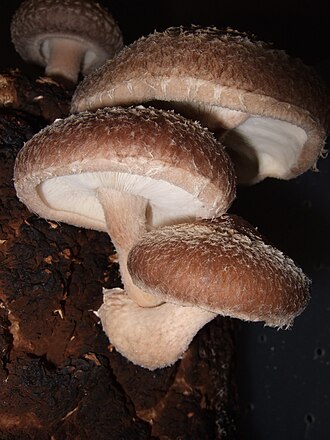
Photo: Wikipedia
Shiitake mushrooms are prized for their rich, savory umami flavor and meaty, slightly chewy texture, making them a staple in East Asian cuisine. Nutritionally, they are a low-calorie powerhouse, offering a good source of dietary fiber and B vitamins while being virtually fat-free. Their unique compounds, like lentinan, contribute to their reputation as a functional food beyond basic nutrition.
Calorie split: 22% protein · 67% carbs · 11% fat
↓ Full nutrition💚 Why it's loved
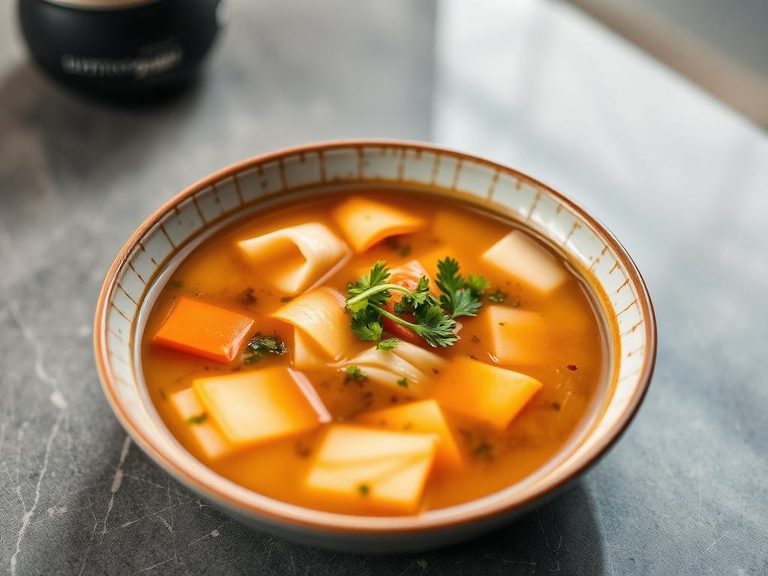
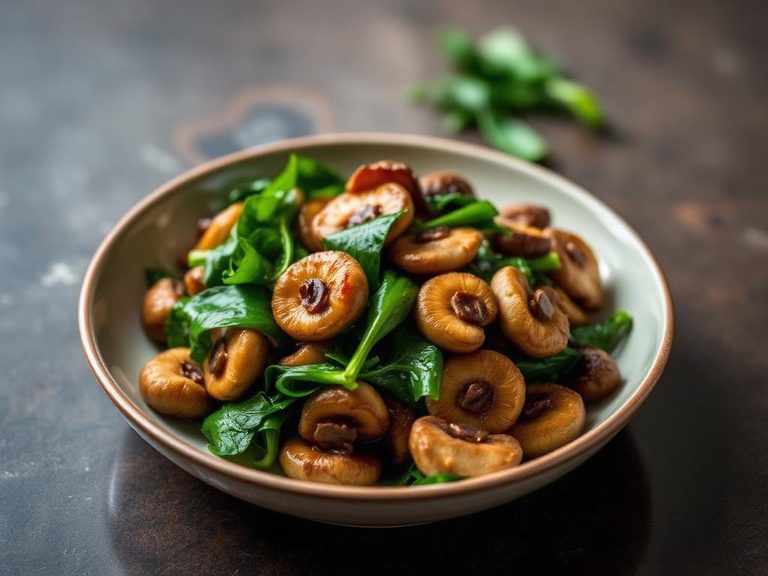
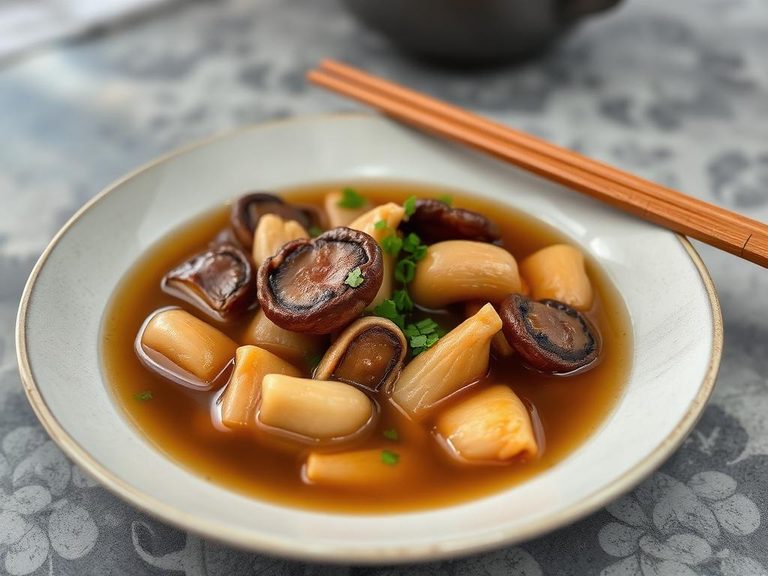
People love shiitakes for their deep, savory umami taste that adds a satisfying, meat-like depth to dishes without heaviness. They are incredibly versatile, working beautifully in stir-fries, soups, and grilled preparations, and hold a cherished place in Japanese and Chinese culinary traditions.
⚠️ Watch-outs & how to enjoy it better
Some individuals may experience digestive upset or allergic reactions, particularly those with mold sensitivities. To counteract this, ensure mushrooms are cooked thoroughly (which also enhances digestibility and flavor) and introduce them in small portions if you're new to them. For those watching blood sugar, pairing with protein or healthy fats can help moderate any glycemic impact.
Key benefits
- Rich in umami flavor, reducing need for added salt.
- Good source of dietary fiber (2.5g per 100g).
- Contains antioxidants like ergothioneine and selenium.
- Provides B vitamins, especially B5 (pantothenic acid).
- Low in calories (34 kcal per 100g) and fat.
🍽️ Popular dishes
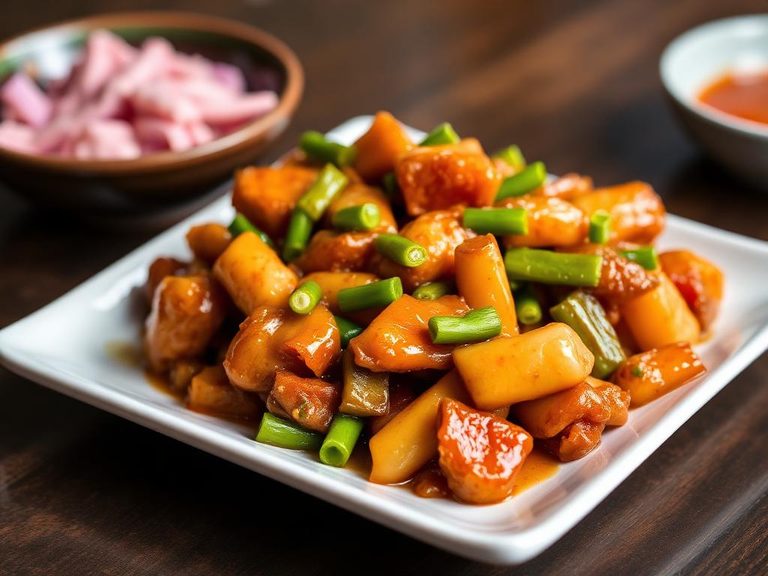
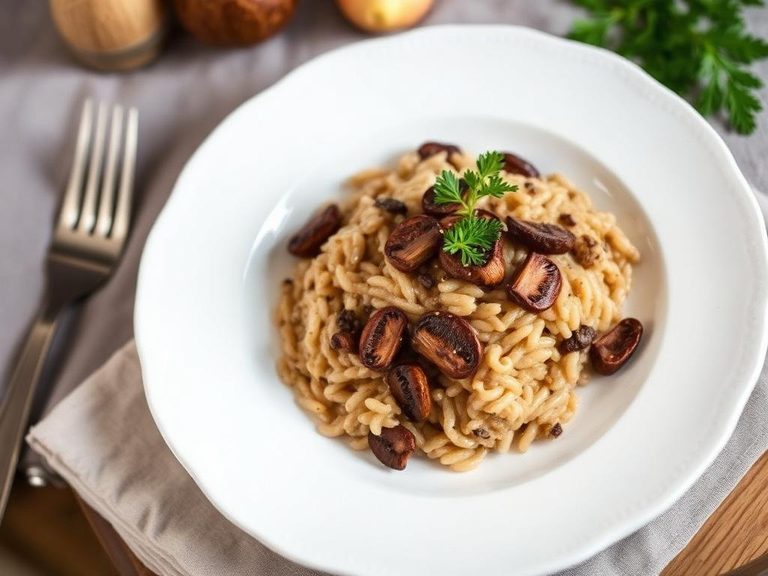
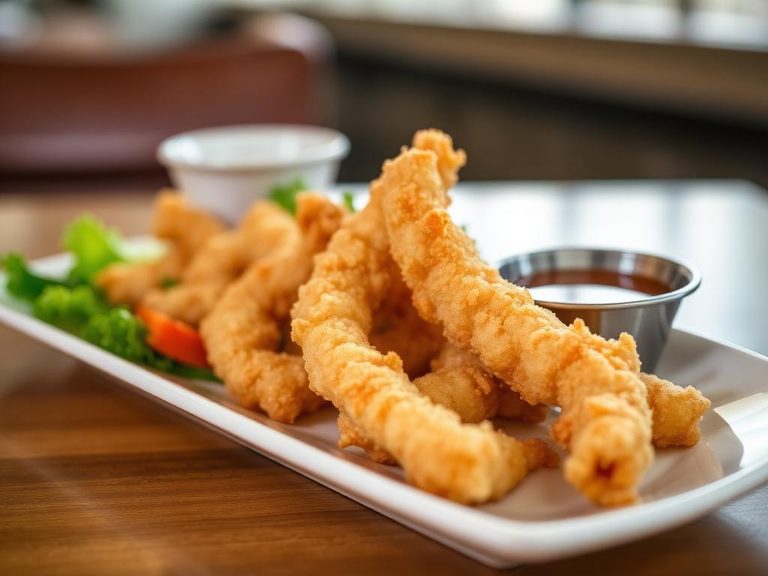
🌍 Where it's eaten
💡 Did you know?
Dried shiitake mushrooms develop a more intense umami flavor than fresh ones due to the breakdown of guanylate, a natural flavor enhancer, during the drying process.
Full nutrition (USDA data · scales with serving)
| Water | 89.7 g |
| Energy | 34.0 kcal |
| Energy | 141 kj |
| Protein | 2.2 g |
| Total lipid (fat) | 0.49 g |
| Ash | 0.73 g |
| Carbohydrate, by difference | 6.8 g |
| Fiber, total dietary | 2.5 g |
| Total Sugars | 2.4 g |
| Sucrose | 0.00 g |
| Glucose | 2.4 g |
| Fructose | 0.00 g |
| Lactose | 0.00 g |
| Maltose | 0.00 g |
| Galactose | 0.00 g |
| Calcium, Ca | 2.0 mg |
| Iron, Fe | 0.41 mg |
| Magnesium, Mg | 20.0 mg |
| Phosphorus, P | 112 mg |
| Potassium, K | 304 mg |
| Sodium, Na | 9.0 mg |
| Zinc, Zn | 1.0 mg |
| Copper, Cu | 0.14 mg |
| Manganese, Mn | 0.23 mg |
| Selenium, Se | 5.7 ug |
| Thiamin | 0.01 mg |
| Riboflavin | 0.22 mg |
| Niacin | 3.9 mg |
| Pantothenic acid | 1.5 mg |
| Vitamin B-6 | 0.29 mg |
| Folate, total | 13.0 ug |
| Folic acid | 0.00 ug |
| Folate, food | 13.0 ug |
| Folate, DFE | 13.0 ug |
| Vitamin D (D2 + D3), International Units | 18.0 iu |
| Vitamin D (D2 + D3) | 0.40 ug |
| Vitamin D2 (ergocalciferol) | 0.40 ug |
| Vitamin D3 (cholecalciferol) | 0.00 ug |
Fat & fatty acid profile (per 100g)
| Fatty acids, total trans | 0.00 g |
| Stigmasterol | 0.00 mg |
| Campesterol | 2.0 mg |
| Beta-sitosterol | 0.00 mg |
Amino acid profile (per 100g)
| Tryptophan | 0.01 g |
| Threonine | 0.13 g |
| Isoleucine | 0.11 g |
| Leucine | 0.19 g |
| Lysine | 0.13 g |
| Methionine | 0.03 g |
| Cystine | 0.02 g |
| Phenylalanine | 0.11 g |
| Tyrosine | 0.08 g |
| Valine | 0.14 g |
| Arginine | 0.16 g |
| Histidine | 0.06 g |
| Alanine | 0.17 g |
| Aspartic acid | 0.30 g |
| Glutamic acid | 0.68 g |
| Glycine | 0.14 g |
| Proline | 0.10 g |
| Serine | 0.14 g |
FAQ
Are raw shiitake mushrooms safe to eat?
While not toxic, raw shiitakes can cause a skin rash (shiitake dermatitis) in some people and are harder to digest. Cooking is recommended for safety and flavor.
How should I store fresh shiitake mushrooms?
Store them in a paper bag in the refrigerator for up to a week. Avoid plastic bags, which can trap moisture and cause spoilage.
What's the difference between fresh and dried shiitake mushrooms?
Dried shiitakes have a more concentrated umami flavor and chewy texture, while fresh ones are milder and more tender. Both are excellent, but dried are often preferred for soups and broths.
Nutrient density (calculated · NRF9.3)
Nutrient Rich Foods index: beneficial nutrients (protein, fiber, vitamins, minerals) minus saturated fat, added sugar & sodium, per 100 kcal.
NRF9.3 index — Fulgoni, Keast & Drewnowski, 2009. Computed from USDA nutrients.
Weight-loss friendliness (composite index)
Energy density 0.34 kcal/g · 26% calories from protein · 2.5 g fiber · 2.4 g sugar per 100 g.
Composite of energy density (Rolls et al., 1999), protein & fiber satiety, minus sugar. A calculated heuristic — ranks satiety-per-calorie, not a clinical measure.
Dietary load (calculated from USDA values)
Potential renal acid load. Positive = acid-forming, negative = alkaline-forming.
Sodium-to-potassium ratio: 0.03 (lower is better — aim for ≤ 1)
Sodium:potassium per WHO potassium guidance. Computed from USDA nutrients.