

Margarine-like spread with yogurt, approximately 40% fat, tub, with salt
Whole food · Fats and Oils

Photo: Wikipedia
This is a rich, creamy spread that bridges the gap between butter and yogurt, offering a smooth, slightly tangy flavor with a luxuriously soft, spreadable texture. With a substantial 35g of fat per 100g, it provides a decadent mouthfeel and is a significant source of dietary fat, though it is notably low in protein and carbohydrates.
Calorie split: 2% protein · 2% carbs · 95% fat
↓ Full nutrition💚 Why it's loved
People love it for its versatile, mild tang that enhances both sweet and savory dishes, from spreading on toast to enriching mashed potatoes. Its soft, spreadable consistency straight from the fridge is a key convenience factor in many kitchens.
⚠️ Watch-outs & how to enjoy it better
Its high fat and sodium content can be a concern for heart health and blood pressure management. To counteract this, use it sparingly as a flavor enhancer rather than a main ingredient, and balance meals with plenty of fresh vegetables and lean proteins.
Key benefits
- Excellent source of dietary fat for energy and satiety.
- Provides a creamy, butter-like texture without dairy cholesterol.
- Low in carbohydrates and sugar, suitable for low-carb diets.
- Adds richness and moisture to baked goods and sauces.
🍽️ Popular dishes
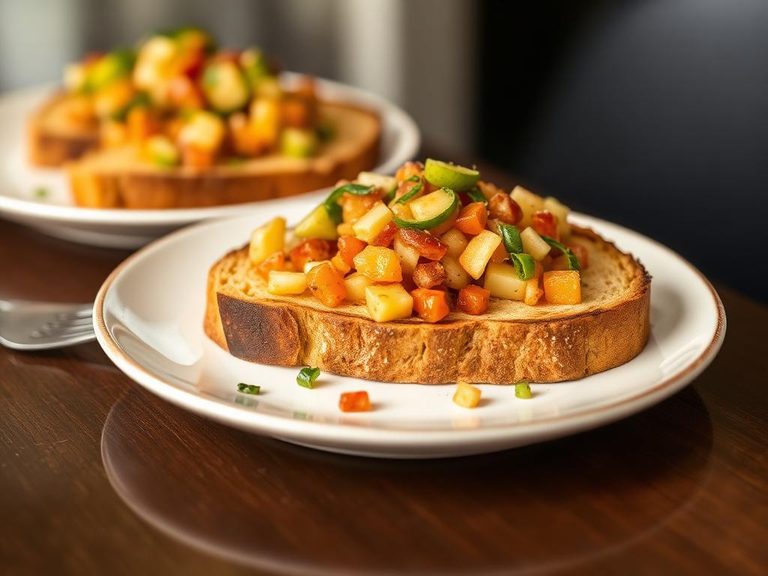
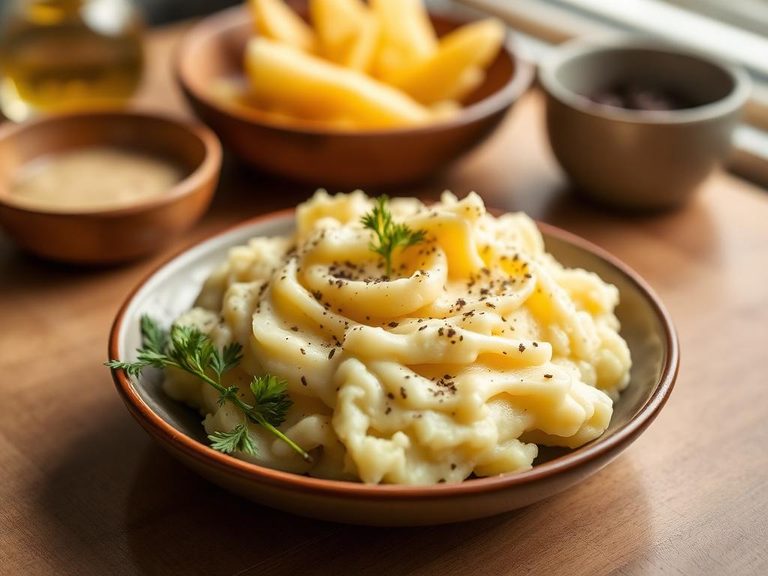
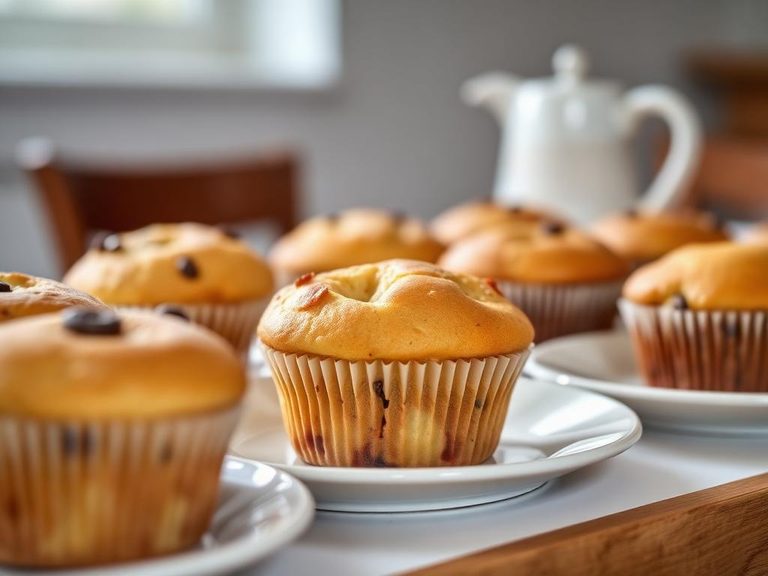
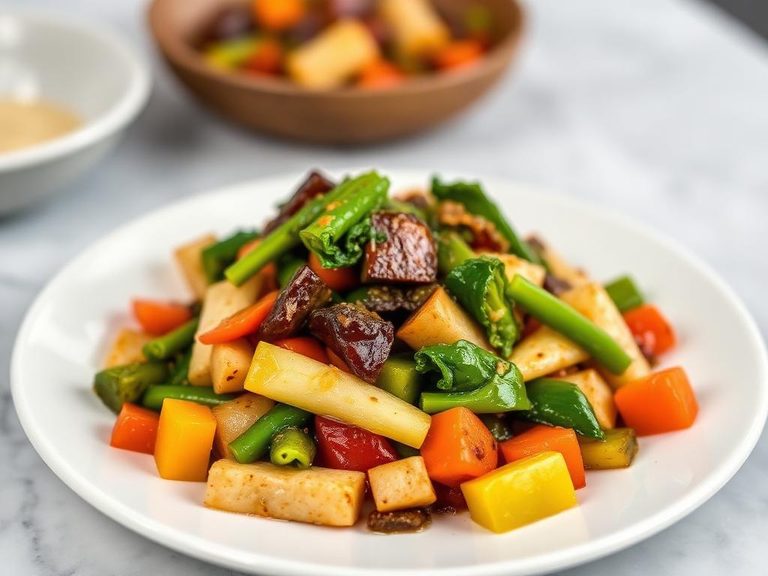
🌍 Where it's eaten
💡 Did you know?
This type of spread is often marketed as a 'dairy blend' or 'spreadable,' legally distinguishing it from pure margarine or butter, and its yogurt content can contribute a subtle fermented flavor note.
Full nutrition (USDA data · scales with serving)
| Water | 59.0 g |
| Energy | 330 kcal |
| Energy | 1381 kj |
| Protein | 2.0 g |
| Total lipid (fat) | 35.0 g |
| Ash | 2.0 g |
| Carbohydrate, by difference | 2.0 g |
| Fiber, total dietary | 0.00 g |
| Total Sugars | 0.00 g |
| Calcium, Ca | 50.0 mg |
| Iron, Fe | 0.02 mg |
| Magnesium, Mg | 5.0 mg |
| Phosphorus, P | 39.0 mg |
| Potassium, K | 64.0 mg |
| Sodium, Na | 630 mg |
| Zinc, Zn | 0.24 mg |
| Copper, Cu | 0.00 mg |
| Selenium, Se | 1.0 ug |
| Vitamin C, total ascorbic acid | 0.20 mg |
| Thiamin | 0.01 mg |
| Riboflavin | 0.06 mg |
| Niacin | 0.03 mg |
| Vitamin B-6 | 0.01 mg |
| Folate, total | 3.0 ug |
| Folic acid | 0.00 ug |
| Folate, food | 3.0 ug |
| Folate, DFE | 3.0 ug |
| Choline, total | 12.4 mg |
| Vitamin B-12 | 0.15 ug |
| Vitamin B-12, added | 0.00 ug |
| Vitamin A, RAE | 819 ug |
| Retinol | 768 ug |
| Carotene, beta | 610 ug |
| Carotene, alpha | 0.00 ug |
| Cryptoxanthin, beta | 0.00 ug |
| Vitamin A, IU | 3577 iu |
| Lycopene | 0.00 ug |
| Lutein + zeaxanthin | 0.00 ug |
| Vitamin E (alpha-tocopherol) | 5.0 mg |
| Vitamin E, added | 0.00 mg |
| Vitamin D (D2 + D3), International Units | 0.00 iu |
| Vitamin D (D2 + D3) | 0.00 ug |
| Vitamin K (phylloquinone) | 93.0 ug |
| Alcohol, ethyl | 0.00 g |
| Caffeine | 0.00 mg |
| Theobromine | 0.00 mg |
Fat & fatty acid profile (per 100g)
| Fatty acids, total saturated | 7.0 g |
| SFA 4:0 | 0.00 g |
| SFA 6:0 | 0.00 g |
| SFA 8:0 | 0.00 g |
| SFA 10:0 | 0.00 g |
| SFA 12:0 | 0.00 g |
| SFA 14:0 | 0.00 g |
| SFA 16:0 | 6.0 g |
| SFA 18:0 | 1.1 g |
| Fatty acids, total monounsaturated | 9.8 g |
| MUFA 16:1 | 0.35 g |
| MUFA 18:1 | 9.4 g |
| MUFA 20:1 | 0.00 g |
| MUFA 22:1 | 0.00 g |
| Fatty acids, total polyunsaturated | 16.8 g |
| PUFA 18:2 | 15.0 g |
| PUFA 18:3 | 1.8 g |
| PUFA 18:4 | 0.00 g |
| PUFA 20:4 | 0.00 g |
| PUFA 20:5 n-3 (EPA) | 0.00 g |
| PUFA 22:5 n-3 (DPA) | 0.00 g |
| PUFA 22:6 n-3 (DHA) | 0.00 g |
| Cholesterol | 0.00 mg |
FAQ
Is this the same as butter or margarine?
No. It's a hybrid product, typically a blend of vegetable oils (like margarine) and yogurt or milk components, resulting in a different flavor, texture, and nutritional profile from pure butter or traditional margarine.
Can I use it for baking?
Yes, it's often used in baking for cakes, cookies, and quick breads. Its high fat content provides moisture and tenderness, but its water content from yogurt may affect the final texture slightly differently than pure butter.
Why is the fat content so high?
The fat primarily comes from the vegetable oil base (like sunflower or palm oil), which is designed to mimic the rich mouthfeel and functional properties of butter in cooking and spreading.
Nutrient density (calculated · NRF9.3)
Nutrient Rich Foods index: beneficial nutrients (protein, fiber, vitamins, minerals) minus saturated fat, added sugar & sodium, per 100 kcal.
NRF9.3 index — Fulgoni, Keast & Drewnowski, 2009. Computed from USDA nutrients.
Weight-loss friendliness (composite index)
Energy density 3.30 kcal/g · 2% calories from protein · 0.0 g fiber · 0.0 g sugar per 100 g.
Composite of energy density (Rolls et al., 1999), protein & fiber satiety, minus sugar. A calculated heuristic — ranks satiety-per-calorie, not a clinical measure.
Dietary load (calculated from USDA values)
Potential renal acid load. Positive = acid-forming, negative = alkaline-forming.
Sodium-to-potassium ratio: 9.84 (lower is better — aim for ≤ 1)
Sodium:potassium per WHO potassium guidance. Computed from USDA nutrients.