

Limeade, frozen concentrate, prepared with water
Whole food · Beverages

Photo: Wikipedia
This is a refreshing, tangy beverage made by diluting a frozen lime concentrate with water, resulting in a bright, zesty drink with a smooth, slightly syrupy texture. It's a low-calorie, sugar-sweetened thirst quencher, delivering a quick energy boost primarily from its 13 grams of sugar per 100g serving.
Calorie split: 0% protein · 100% carbs · 0% fat
↓ Full nutrition💚 Why it's loved
People love its intense, sweet-tart lime flavor that instantly cools and refreshes, making it a nostalgic and convenient summer staple. Its versatility allows it to be enjoyed as-is, mixed with other juices, or used as a cocktail mixer.
⚠️ Watch-outs & how to enjoy it better
The high sugar content can cause blood-sugar spikes, and the concentrated citric acid may erode tooth enamel. To counteract, sip through a straw, rinse your mouth with water afterward, and consider diluting the drink more than the package suggests to reduce sugar per serving.
Key benefits
- Provides quick hydration and electrolytes.
- Contains a small amount of vitamin C from lime juice.
- Offers a low-fat, low-protein energy source.
- Can be a base for other drinks or recipes.
🍽️ Popular dishes
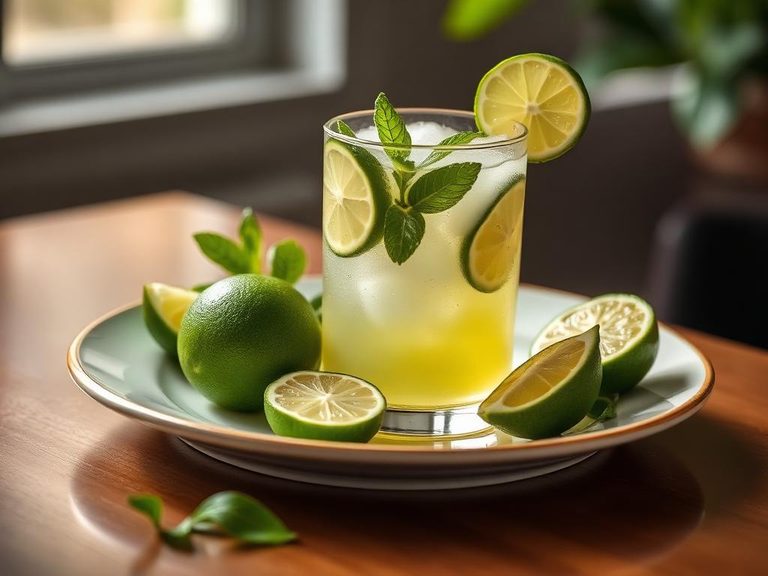
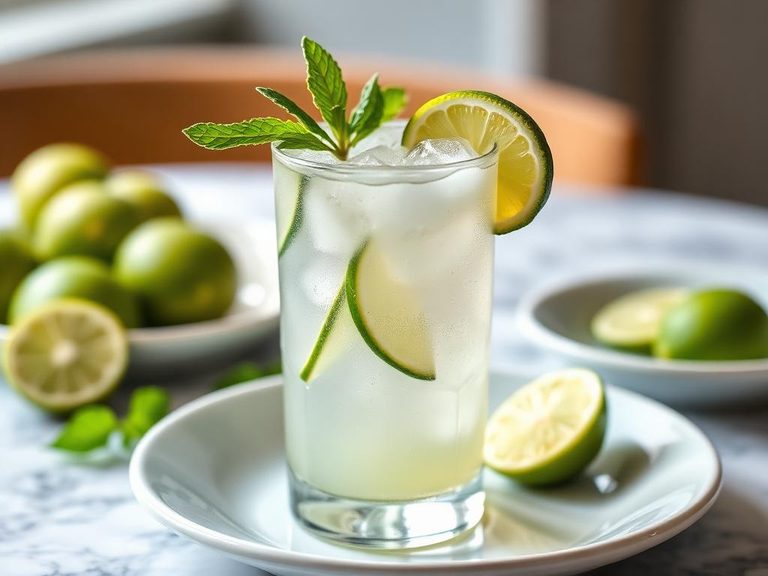

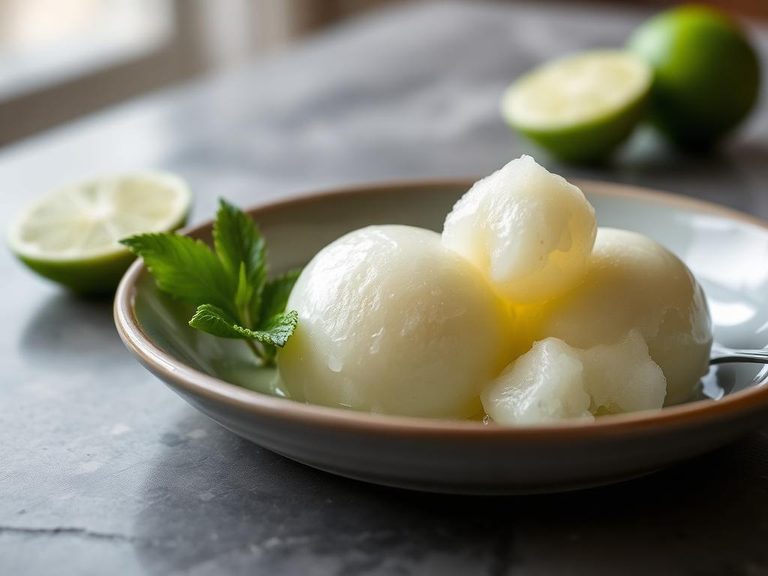
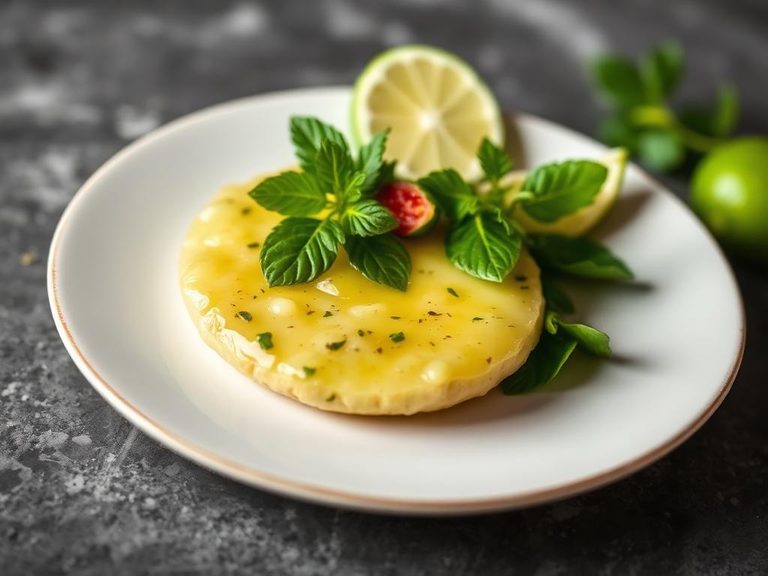
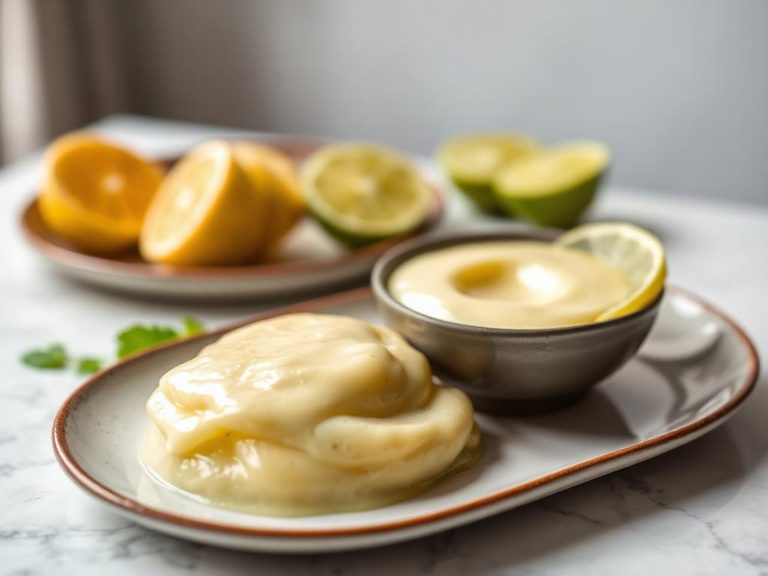
🌍 Where it's eaten
💡 Did you know?
The process for making frozen juice concentrate was commercialized in the 1940s, largely driven by the need to efficiently transport citrus juice to troops during World War II.
Full nutrition (USDA data · scales with serving)
| Water | 86.1 g |
| Energy | 52.0 kcal |
| Energy | 219 kj |
| Protein | 0.00 g |
| Total lipid (fat) | 0.00 g |
| Ash | 0.13 g |
| Carbohydrate, by difference | 13.8 g |
| Fiber, total dietary | 0.00 g |
| Total Sugars | 13.3 g |
| Calcium, Ca | 2.0 mg |
| Iron, Fe | 0.00 mg |
| Magnesium, Mg | 2.0 mg |
| Phosphorus, P | 1.0 mg |
| Potassium, K | 10.0 mg |
| Sodium, Na | 3.0 mg |
| Zinc, Zn | 0.01 mg |
| Copper, Cu | 0.02 mg |
| Manganese, Mn | 0.00 mg |
| Selenium, Se | 0.10 ug |
| Vitamin C, total ascorbic acid | 3.1 mg |
| Thiamin | 0.00 mg |
| Riboflavin | 0.00 mg |
| Niacin | 0.01 mg |
| Pantothenic acid | 0.01 mg |
| Vitamin B-6 | 0.00 mg |
| Folate, total | 1.0 ug |
| Folic acid | 0.00 ug |
| Folate, food | 1.0 ug |
| Folate, DFE | 1.0 ug |
| Choline, total | 0.50 mg |
| Vitamin B-12 | 0.00 ug |
| Vitamin B-12, added | 0.00 ug |
| Vitamin A, RAE | 0.00 ug |
| Retinol | 0.00 ug |
| Carotene, beta | 0.00 ug |
| Carotene, alpha | 0.00 ug |
| Cryptoxanthin, beta | 0.00 ug |
| Vitamin A, IU | 0.00 iu |
| Lycopene | 0.00 ug |
| Lutein + zeaxanthin | 0.00 ug |
| Vitamin E (alpha-tocopherol) | 0.00 mg |
| Vitamin E, added | 0.00 mg |
| Vitamin K (phylloquinone) | 0.00 ug |
| Alcohol, ethyl | 0.00 g |
| Caffeine | 0.00 mg |
| Theobromine | 0.00 mg |
Fat & fatty acid profile (per 100g)
| Fatty acids, total saturated | 0.00 g |
| SFA 4:0 | 0.00 g |
| SFA 6:0 | 0.00 g |
| SFA 8:0 | 0.00 g |
| SFA 10:0 | 0.00 g |
| SFA 12:0 | 0.00 g |
| SFA 14:0 | 0.00 g |
| SFA 16:0 | 0.00 g |
| SFA 18:0 | 0.00 g |
| Fatty acids, total monounsaturated | 0.00 g |
| MUFA 16:1 | 0.00 g |
| MUFA 18:1 | 0.00 g |
| MUFA 20:1 | 0.00 g |
| MUFA 22:1 | 0.00 g |
| Fatty acids, total polyunsaturated | 0.00 g |
| PUFA 18:2 | 0.00 g |
| PUFA 18:3 | 0.00 g |
| PUFA 18:4 | 0.00 g |
| PUFA 20:4 | 0.00 g |
| PUFA 20:5 n-3 (EPA) | 0.00 g |
| PUFA 22:5 n-3 (DPA) | 0.00 g |
| PUFA 22:6 n-3 (DHA) | 0.00 g |
| Fatty acids, total trans | 0.00 g |
| Cholesterol | 0.00 mg |
FAQ
Is frozen limeade concentrate the same as fresh limeade?
No. The concentrate is a processed product made from lime juice, sugar, and sometimes preservatives, which is then frozen. Fresh limeade is made by squeezing limes and mixing the juice with water and sugar, offering a brighter, less uniform flavor.
How does the nutrition compare to lemonade?
The nutritional profile is very similar, as both are sugar-sweetened citrus drinks. The primary difference is the source fruit (lime vs. lemon), which affects flavor and micronutrient content, but the calorie and sugar counts are typically comparable.
Can I use this concentrate in cooking or baking?
Absolutely. It's excellent for adding a concentrated lime flavor to marinades for chicken or fish, salad dressings, glazes, and even desserts like key lime pie or lime-flavored cakes.
Nutrient density (calculated · NRF9.3)
Nutrient Rich Foods index: beneficial nutrients (protein, fiber, vitamins, minerals) minus saturated fat, added sugar & sodium, per 100 kcal.
NRF9.3 index — Fulgoni, Keast & Drewnowski, 2009. Computed from USDA nutrients.
Weight-loss friendliness (composite index)
Energy density 0.52 kcal/g · 0% calories from protein · 0.0 g fiber · 13.3 g sugar per 100 g.
Composite of energy density (Rolls et al., 1999), protein & fiber satiety, minus sugar. A calculated heuristic — ranks satiety-per-calorie, not a clinical measure.
Dietary load (calculated from USDA values)
Potential renal acid load. Positive = acid-forming, negative = alkaline-forming.
Sodium-to-potassium ratio: 0.30 (lower is better — aim for ≤ 1)
Sodium:potassium per WHO potassium guidance. Computed from USDA nutrients.