

Lamb, Australian, imported, fresh, composite of trimmed retail cuts, separable lean only, trimmed to 1/8" fat, cooked
Whole food · Lamb, Veal, and Game Products

Photo: Wikipedia
This is lean, cooked Australian lamb, trimmed of nearly all visible fat, delivering a robust, savory flavor with a tender yet firm texture. It is exceptionally high in protein and virtually carbohydrate-free, making it a powerhouse for muscle maintenance and low-carb diets. The clean, slightly gamey taste of Australian lamb is prized for its consistency and quality.
Calorie split: 55% protein · 0% carbs · 45% fat
↓ Full nutrition💚 Why it's loved
People love it for its rich, distinctive flavor that is less gamey than some other lamb but more robust than beef, and its incredible versatility in everything from quick grills to slow braises. It is a cultural staple in many cuisines, often associated with hearty, celebratory meals.
⚠️ Watch-outs & how to enjoy it better
While lean, it can be less juicy than fattier cuts if overcooked, potentially becoming tough or dry. Those monitoring purine intake for conditions like gout should be cautious, as red meat is higher in purines; counteract this by staying well-hydrated and balancing with low-purine vegetables in the same meal.
Key benefits
- Excellent source of high-quality, complete protein for muscle repair.
- Naturally zero carbohydrates and sugar, ideal for ketogenic and low-carb diets.
- Rich in bioavailable heme iron, supporting healthy blood and energy levels.
- Provides essential B vitamins, particularly B12, crucial for nerve function.
- Lean cut minimizes saturated fat intake while retaining key nutrients.
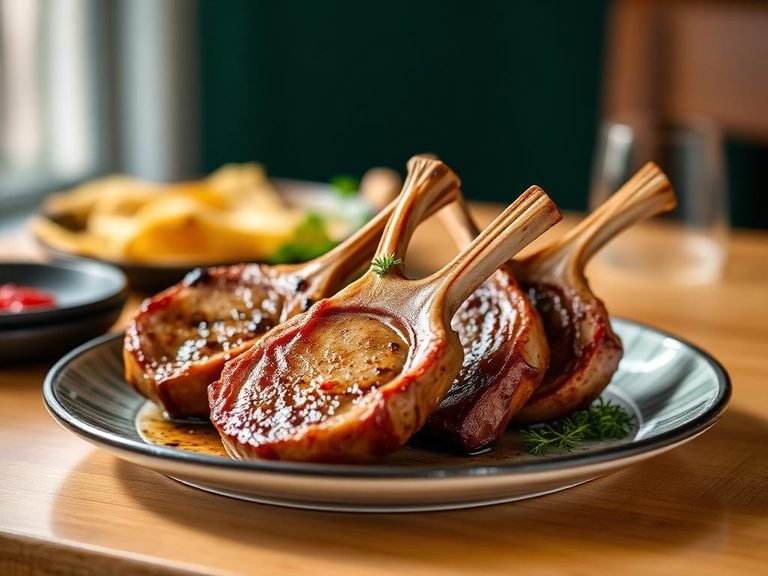
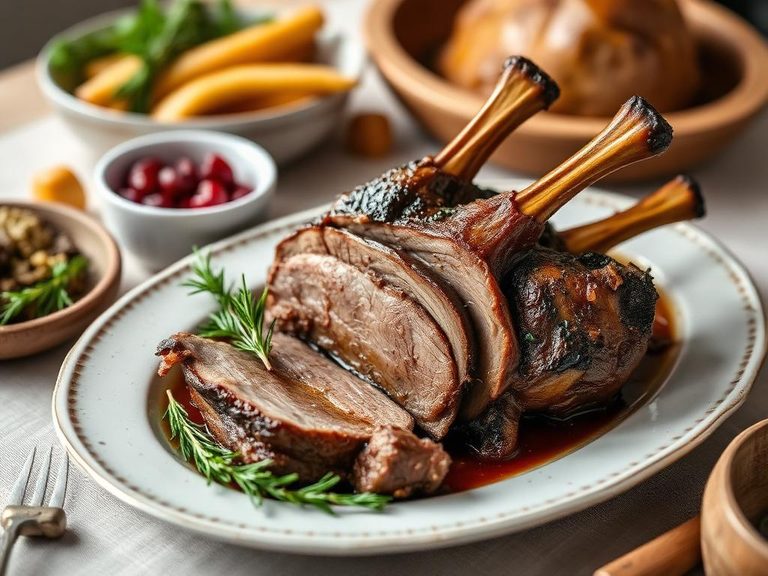
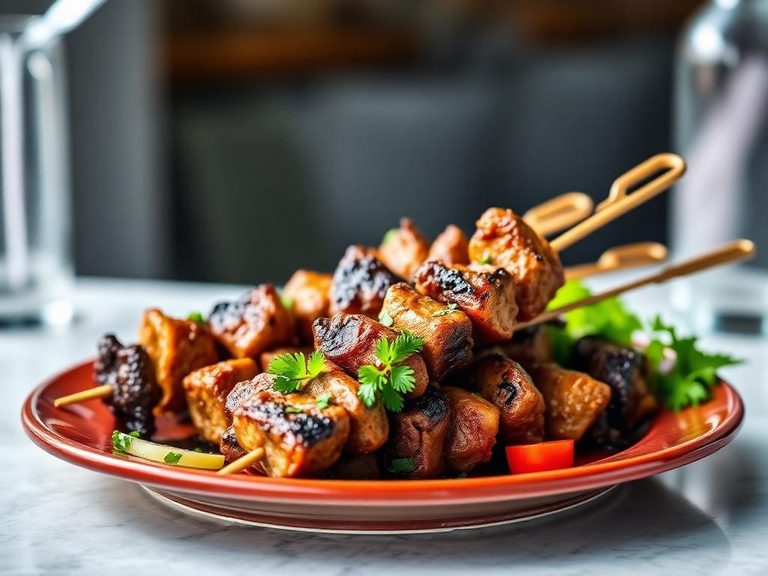
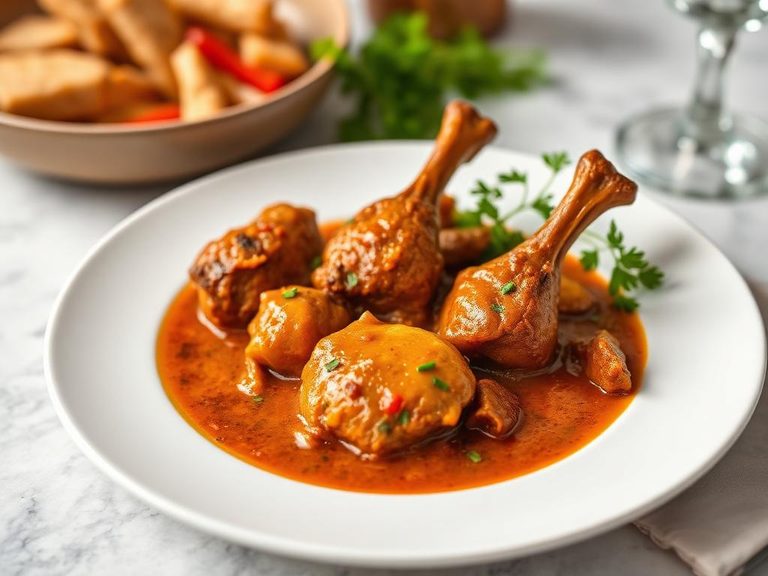
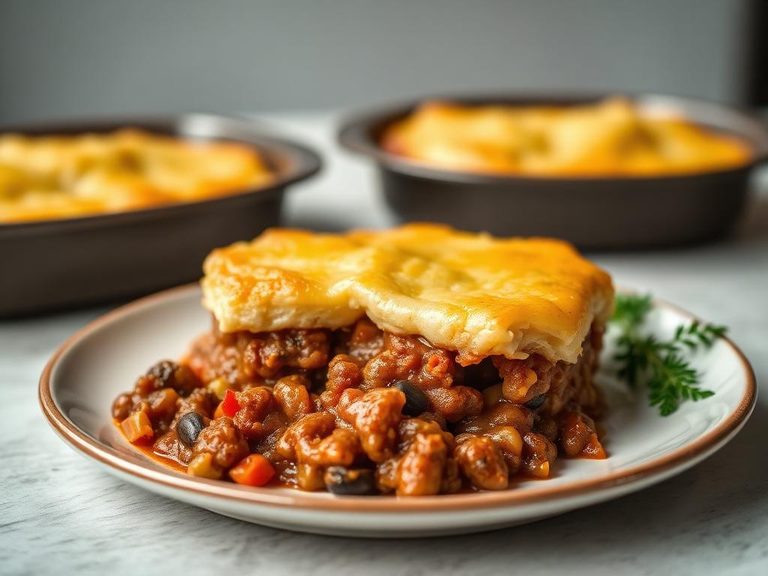
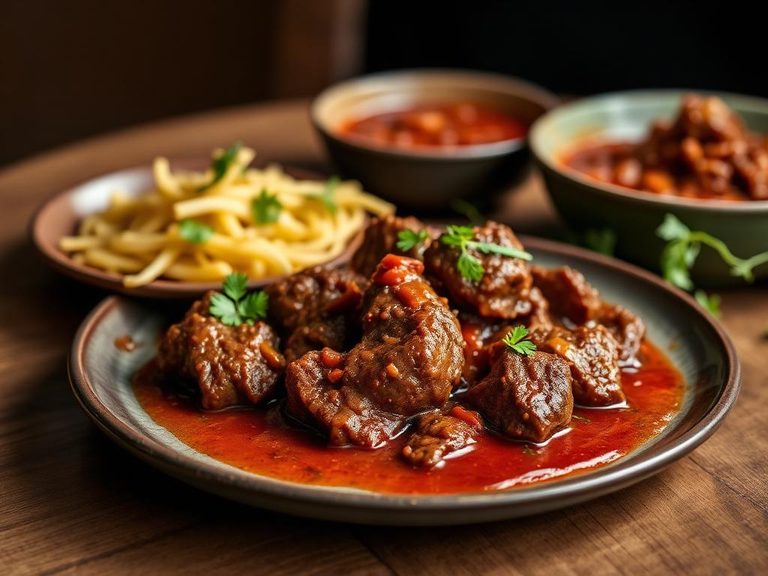
🍽️ Popular dishes
🌍 Where it's eaten
💡 Did you know?
Australian lamb is often 'grass-fed' by default, which can lead to a higher concentration of omega-3 fatty acids compared to grain-fed lamb from other regions, even in lean cuts.
Full nutrition (USDA data · scales with serving)
| Water | 63.8 g |
| Energy | 201 kcal |
| Energy | 841 kj |
| Protein | 26.7 g |
| Total lipid (fat) | 9.6 g |
| Ash | 1.1 g |
| Carbohydrate, by difference | 0.00 g |
| Calcium, Ca | 16.0 mg |
| Iron, Fe | 2.0 mg |
| Magnesium, Mg | 24.0 mg |
| Phosphorus, P | 207 mg |
| Potassium, K | 318 mg |
| Sodium, Na | 80.0 mg |
| Zinc, Zn | 5.1 mg |
| Copper, Cu | 0.15 mg |
| Manganese, Mn | 0.01 mg |
| Selenium, Se | 11.0 ug |
| Thiamin | 0.13 mg |
| Riboflavin | 0.36 mg |
| Niacin | 5.8 mg |
| Pantothenic acid | 0.88 mg |
| Vitamin B-6 | 0.39 mg |
| Vitamin B-12 | 3.0 ug |
Fat & fatty acid profile (per 100g)
| Fatty acids, total saturated | 4.0 g |
| SFA 10:0 | 0.01 g |
| SFA 12:0 | 0.02 g |
| SFA 14:0 | 0.30 g |
| SFA 15:0 | 0.04 g |
| SFA 16:0 | 2.0 g |
| SFA 17:0 | 0.12 g |
| SFA 18:0 | 1.5 g |
| SFA 20:0 | 0.02 g |
| Fatty acids, total monounsaturated | 3.9 g |
| MUFA 14:1 | 0.01 g |
| MUFA 16:1 | 0.17 g |
| MUFA 18:1 | 3.6 g |
| MUFA 20:1 | 0.03 g |
| Fatty acids, total polyunsaturated | 0.42 g |
| PUFA 18:2 | 0.25 g |
| PUFA 18:3 | 0.12 g |
| PUFA 20:4 | 0.04 g |
| Cholesterol | 87.0 mg |
Amino acid profile (per 100g)
| Tryptophan | 0.31 g |
| Threonine | 1.1 g |
| Isoleucine | 1.3 g |
| Leucine | 2.1 g |
| Lysine | 2.4 g |
| Methionine | 0.68 g |
| Cystine | 0.32 g |
| Phenylalanine | 1.1 g |
| Tyrosine | 0.90 g |
| Valine | 1.4 g |
| Arginine | 1.6 g |
| Histidine | 0.85 g |
| Alanine | 1.6 g |
| Aspartic acid | 2.4 g |
| Glutamic acid | 3.9 g |
| Glycine | 1.3 g |
| Proline | 1.1 g |
| Serine | 0.99 g |
FAQ
Is this lamb high in cholesterol?
While it contains dietary cholesterol (like all animal proteins), the lean nature of this cut means it is lower in saturated fat than fattier cuts. For most people, dietary cholesterol has a smaller impact on blood cholesterol than saturated and trans fats.
How do I prevent it from drying out when cooking?
Since it's very lean, avoid overcooking. Use a meat thermometer to pull it off heat at 145°F (63°C) for medium-rare, and let it rest for 5-10 minutes before slicing to allow juices to redistribute.
Is Australian lamb different from New Zealand lamb?
Both are high-quality, but Australian lamb is often noted for a slightly milder flavor and is frequently available fresh year-round due to different seasonal cycles. The nutritional profile is very similar.
Nutrient density (calculated · NRF9.3)
Nutrient Rich Foods index: beneficial nutrients (protein, fiber, vitamins, minerals) minus saturated fat, added sugar & sodium, per 100 kcal.
NRF9.3 index — Fulgoni, Keast & Drewnowski, 2009. Computed from USDA nutrients.
Weight-loss friendliness (composite index)
Energy density 2.01 kcal/g · 53% calories from protein · 0.0 g fiber · 0.0 g sugar per 100 g.
Composite of energy density (Rolls et al., 1999), protein & fiber satiety, minus sugar. A calculated heuristic — ranks satiety-per-calorie, not a clinical measure.
Dietary load (calculated from USDA values)
Potential renal acid load. Positive = acid-forming, negative = alkaline-forming.
Sodium-to-potassium ratio: 0.25 (lower is better — aim for ≤ 1)
Sodium:potassium per WHO potassium guidance. Computed from USDA nutrients.