

Lamb, Australian, imported, fresh, composite of trimmed retail cuts, separable lean and fat, trimmed to 1/8" fat, raw
Whole food · Lamb, Veal, and Game Products

Photo: Wikipedia
This is raw, Australian lamb, a rich and flavorful red meat prized for its tender texture and distinctive, slightly gamey taste. Nutritionally, it is a powerhouse of high-quality protein and provides a significant source of energy from its fat content, which is trimmed to a precise 1/8 inch for consistent cooking. Its deep, savory flavor makes it a cornerstone of many global cuisines, from rustic roasts to delicate stews.
Calorie split: 32% protein · 0% carbs · 68% fat
↓ Full nutrition💚 Why it's loved
People love lamb for its robust, slightly sweet and earthy flavor that stands up to bold spices and herbs. Its versatility allows it to be grilled, roasted, braised, or ground, making it a beloved centerpiece for celebratory meals and everyday dinners alike.
⚠️ Watch-outs & how to enjoy it better
The primary downside is its relatively high saturated fat and cholesterol content, which may concern those monitoring heart health. To counteract this, choose leaner cuts like leg or loin, trim visible fat before cooking, and balance meals with fiber-rich vegetables and whole grains.
Key benefits
- Excellent source of complete protein for muscle maintenance and repair
- Rich in essential vitamins like B12 and minerals such as zinc and iron
- Provides a dense source of energy from its natural fat content
- Contains conjugated linoleic acid (CLA), a naturally occurring fatty acid
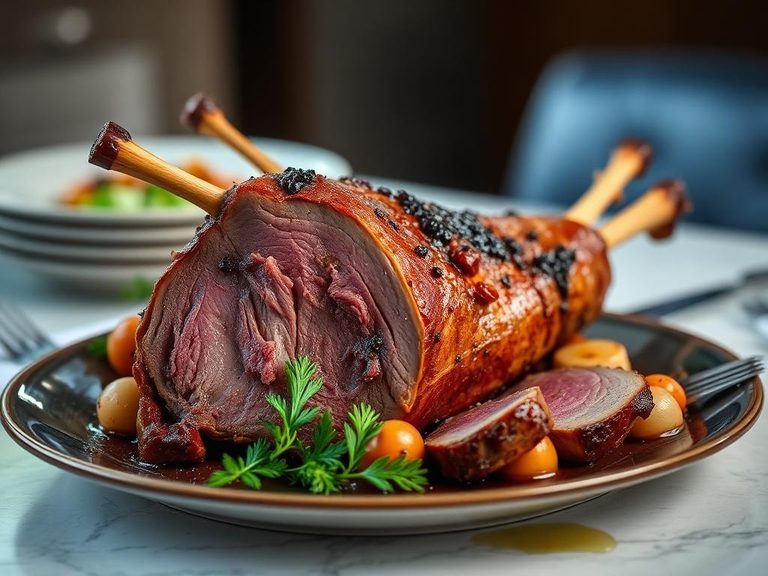
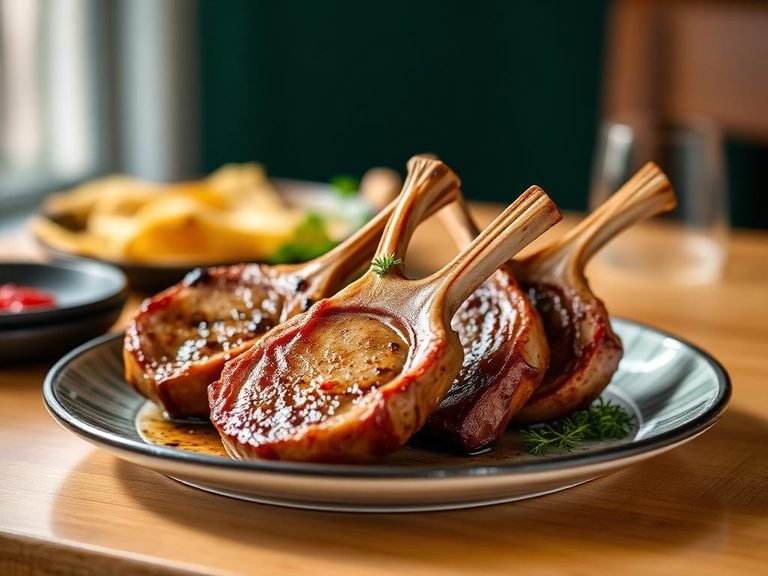
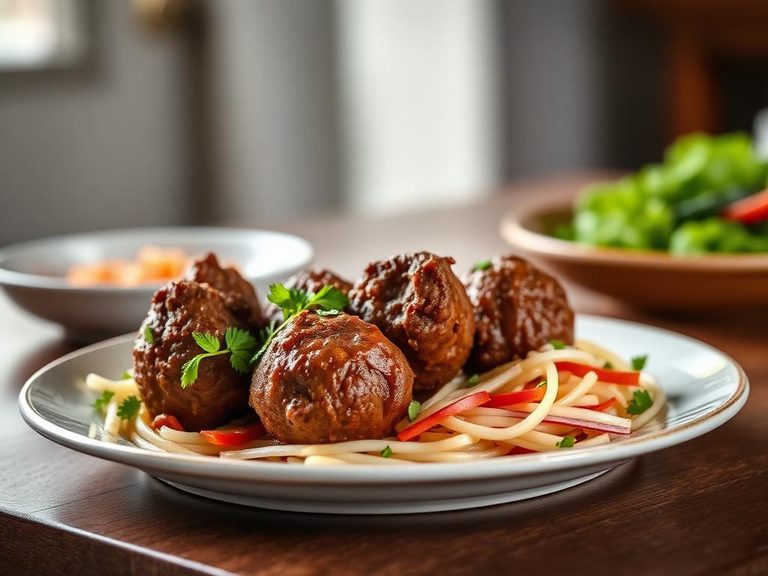
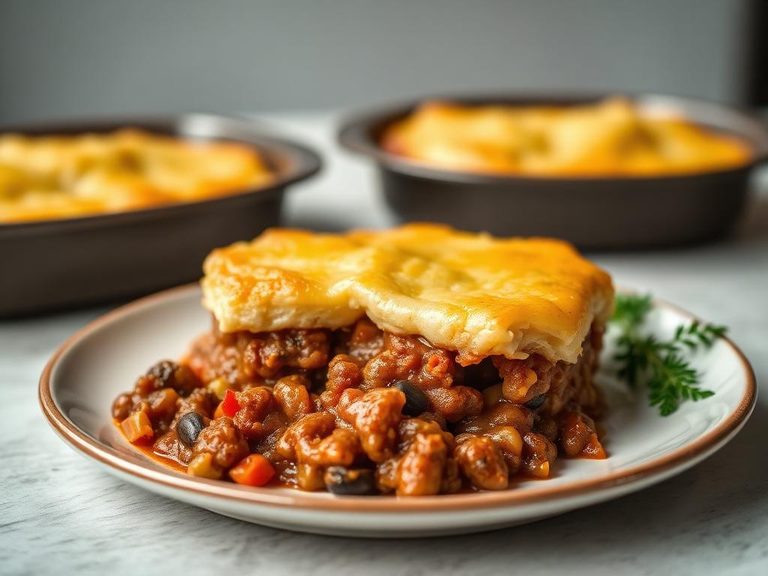
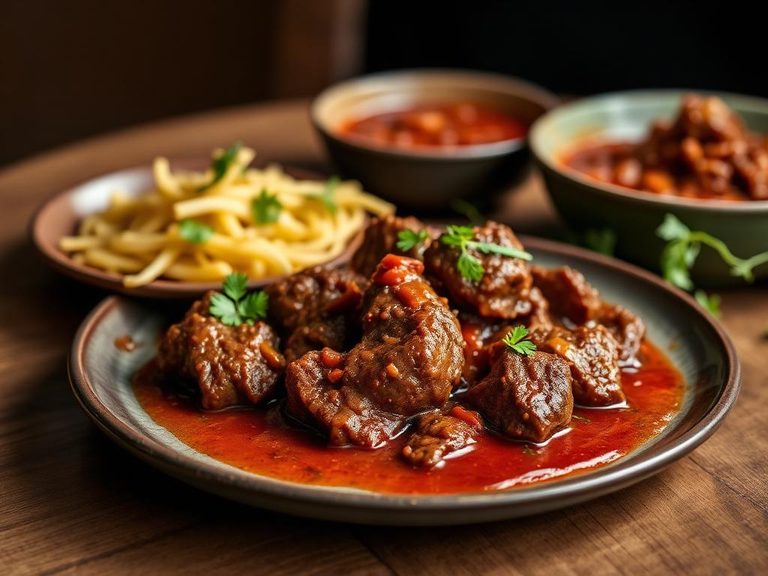
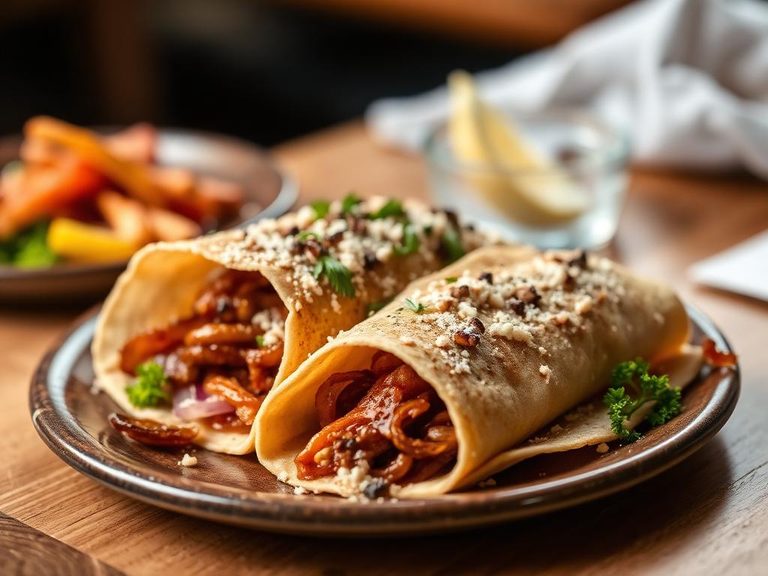
🍽️ Popular dishes
🌍 Where it's eaten
💡 Did you know?
Australia is one of the world's largest exporters of lamb, and the country's vast, clean pastures contribute to the meat's distinctively mild, grass-fed flavor profile.
Full nutrition (USDA data · scales with serving)
| Water | 64.9 g |
| Energy | 229 kcal |
| Energy | 958 kj |
| Protein | 17.8 g |
| Total lipid (fat) | 17.0 g |
| Ash | 0.88 g |
| Carbohydrate, by difference | 0.00 g |
| Calcium, Ca | 13.0 mg |
| Iron, Fe | 1.4 mg |
| Magnesium, Mg | 20.0 mg |
| Phosphorus, P | 168 mg |
| Potassium, K | 284 mg |
| Sodium, Na | 74.0 mg |
| Zinc, Zn | 3.7 mg |
| Copper, Cu | 0.14 mg |
| Manganese, Mn | 0.01 mg |
| Selenium, Se | 7.5 ug |
| Thiamin | 0.13 mg |
| Riboflavin | 0.26 mg |
| Niacin | 4.9 mg |
| Pantothenic acid | 0.56 mg |
| Vitamin B-6 | 0.34 mg |
| Vitamin B-12 | 2.5 ug |
Fat & fatty acid profile (per 100g)
| Fatty acids, total saturated | 8.2 g |
| SFA 10:0 | 0.03 g |
| SFA 12:0 | 0.05 g |
| SFA 14:0 | 0.66 g |
| SFA 15:0 | 0.10 g |
| SFA 16:0 | 3.9 g |
| SFA 17:0 | 0.26 g |
| SFA 18:0 | 3.2 g |
| SFA 20:0 | 0.03 g |
| Fatty acids, total monounsaturated | 6.9 g |
| MUFA 14:1 | 0.03 g |
| MUFA 16:1 | 0.33 g |
| MUFA 18:1 | 6.4 g |
| MUFA 20:1 | 0.06 g |
| Fatty acids, total polyunsaturated | 0.72 g |
| PUFA 18:2 | 0.42 g |
| PUFA 18:3 | 0.20 g |
| PUFA 20:4 | 0.07 g |
| Cholesterol | 66.0 mg |
Amino acid profile (per 100g)
| Tryptophan | 0.21 g |
| Threonine | 0.76 g |
| Isoleucine | 0.86 g |
| Leucine | 1.4 g |
| Lysine | 1.6 g |
| Methionine | 0.46 g |
| Cystine | 0.21 g |
| Phenylalanine | 0.72 g |
| Tyrosine | 0.60 g |
| Valine | 0.96 g |
| Arginine | 1.1 g |
| Histidine | 0.56 g |
| Alanine | 1.1 g |
| Aspartic acid | 1.6 g |
| Glutamic acid | 2.6 g |
| Glycine | 0.87 g |
| Proline | 0.75 g |
| Serine | 0.66 g |
FAQ
What does 'composite of trimmed retail cuts' mean?
It indicates the nutritional data is an average from various common cuts (like leg, shoulder, loin) that have been trimmed to a standard 1/8 inch of fat, providing a representative profile for home cooking.
Is this lamb lean or fatty?
With 16.97g of fat per 100g, it is a moderately fatty meat. The 'trimmed to 1/8 inch fat' specification means excess fat has been removed, but the remaining marbling and fat cap contribute significantly to flavor and juiciness.
How does Australian lamb differ from other lamb?
Australian lamb is often noted for its milder, less 'gamey' flavor due to the grass-fed diet and clean environment, making it popular in markets where a stronger lamb taste is less preferred.
Nutrient density (calculated · NRF9.3)
Nutrient Rich Foods index: beneficial nutrients (protein, fiber, vitamins, minerals) minus saturated fat, added sugar & sodium, per 100 kcal.
NRF9.3 index — Fulgoni, Keast & Drewnowski, 2009. Computed from USDA nutrients.
Weight-loss friendliness (composite index)
Energy density 2.29 kcal/g · 31% calories from protein · 0.0 g fiber · 0.0 g sugar per 100 g.
Composite of energy density (Rolls et al., 1999), protein & fiber satiety, minus sugar. A calculated heuristic — ranks satiety-per-calorie, not a clinical measure.
Dietary load (calculated from USDA values)
Potential renal acid load. Positive = acid-forming, negative = alkaline-forming.
Sodium-to-potassium ratio: 0.26 (lower is better — aim for ≤ 1)
Sodium:potassium per WHO potassium guidance. Computed from USDA nutrients.