

Game meat, buffalo, water, cooked, roasted
Whole food · Lamb, Veal, and Game Products

Photo: Wikipedia
Water buffalo meat, often called 'carabeef,' is a lean, dark red protein with a rich, slightly sweet flavor and a dense, fine-grained texture. Cooked by roasting, it becomes exceptionally tender while retaining its robust beefy character. Its standout nutritional feature is its impressively high protein content paired with minimal fat.
Calorie split: 87% protein · 0% carbs · 13% fat
↓ Full nutrition💚 Why it's loved
People cherish it for its deep, clean beef flavor that's less fatty and more mineral-rich, making it a prized ingredient for hearty roasts and slow-cooked dishes. Its versatility allows it to shine in both rustic stews and refined, modern culinary presentations.
⚠️ Watch-outs & how to enjoy it better
Its leanness means it can dry out if overcooked, requiring careful temperature control or moist cooking methods. Those accustomed to marbled beef may find the texture too dense, and it's a red meat, so moderation is advised for specific dietary plans. To counteract dryness, marinate before roasting or pair with a flavorful sauce or jus.
Key benefits
- Exceptionally high in protein for muscle maintenance.
- Very low in fat, especially saturated fat.
- Rich in iron and zinc compared to conventional beef.
- Contains beneficial omega-3 fatty acids.
- A sustainable alternative with lower environmental impact.
🍽️ Popular dishes
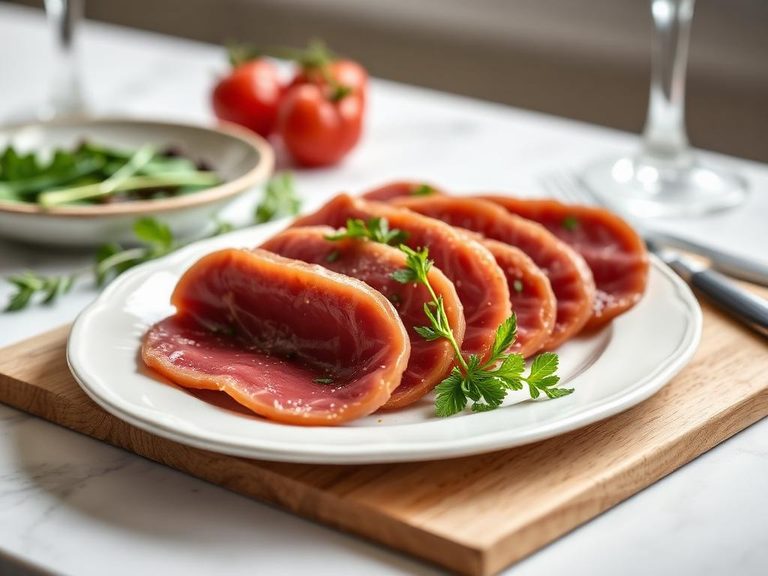
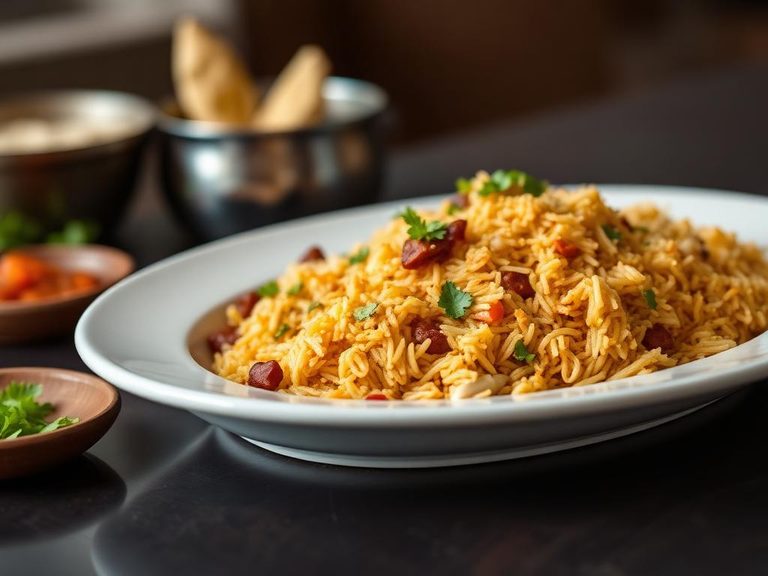
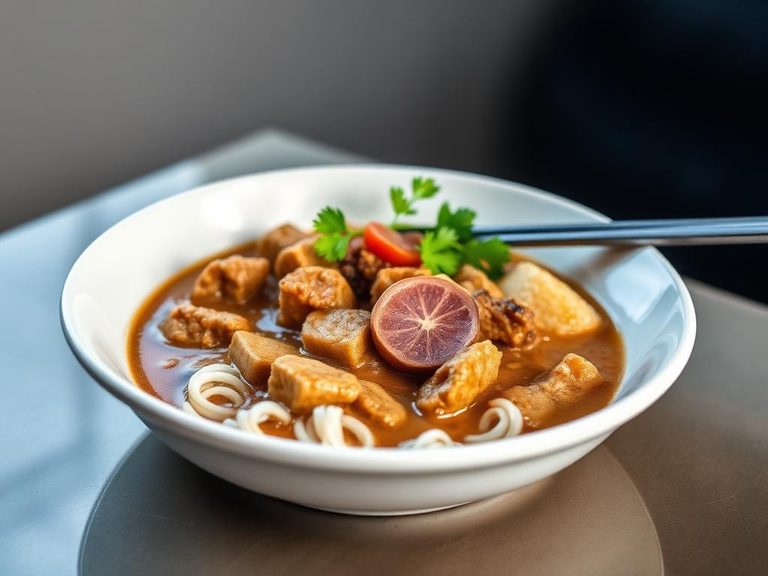
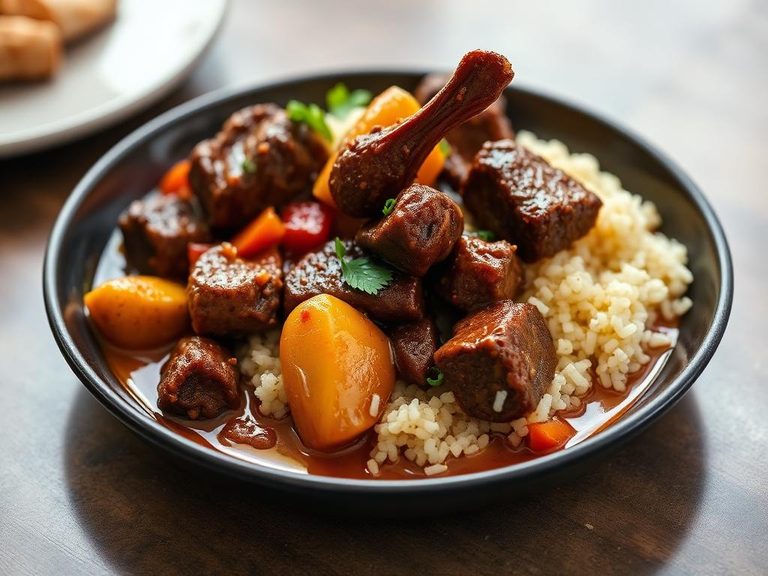
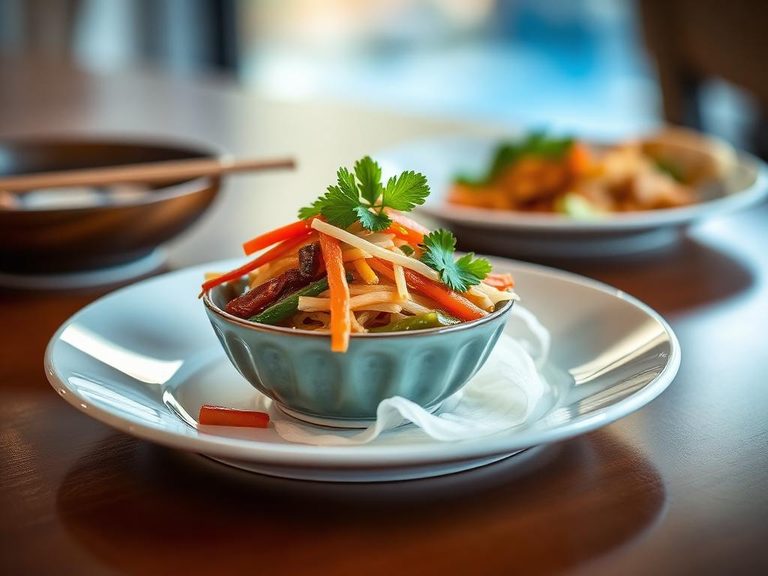
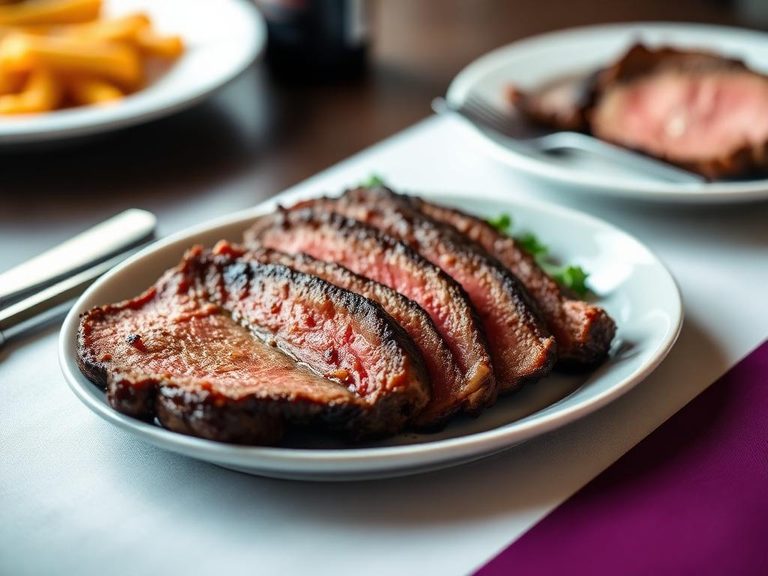
🌍 Where it's eaten
💡 Did you know?
Water buffalo meat is sometimes called 'the wagyu of the East' due to its fine marbling within the muscle fibers, despite its overall low external fat.
Full nutrition (USDA data · scales with serving)
| Water | 68.8 g |
| Energy | 131 kcal |
| Energy | 548 kj |
| Protein | 26.8 g |
| Total lipid (fat) | 1.8 g |
| Ash | 1.4 g |
| Carbohydrate, by difference | 0.00 g |
| Fiber, total dietary | 0.00 g |
| Calcium, Ca | 15.0 mg |
| Iron, Fe | 2.1 mg |
| Magnesium, Mg | 33.0 mg |
| Phosphorus, P | 220 mg |
| Potassium, K | 313 mg |
| Sodium, Na | 56.0 mg |
| Zinc, Zn | 2.5 mg |
| Copper, Cu | 0.18 mg |
| Selenium, Se | 12.0 ug |
| Vitamin C, total ascorbic acid | 0.00 mg |
| Thiamin | 0.03 mg |
| Riboflavin | 0.25 mg |
| Niacin | 6.3 mg |
| Pantothenic acid | 0.17 mg |
| Vitamin B-6 | 0.46 mg |
| Folate, total | 9.0 ug |
| Folic acid | 0.00 ug |
| Folate, food | 9.0 ug |
| Folate, DFE | 9.0 ug |
| Vitamin B-12 | 1.8 ug |
| Vitamin A, RAE | 0.00 ug |
| Retinol | 0.00 ug |
| Vitamin A, IU | 0.00 iu |
Fat & fatty acid profile (per 100g)
| Fatty acids, total saturated | 0.60 g |
| SFA 14:0 | 0.02 g |
| SFA 16:0 | 0.33 g |
| SFA 18:0 | 0.25 g |
| Fatty acids, total monounsaturated | 0.55 g |
| MUFA 16:1 | 0.04 g |
| MUFA 18:1 | 0.49 g |
| Fatty acids, total polyunsaturated | 0.36 g |
| PUFA 18:2 | 0.21 g |
| PUFA 18:3 | 0.05 g |
| PUFA 20:4 | 0.10 g |
| Cholesterol | 61.0 mg |
Amino acid profile (per 100g)
| Tryptophan | 0.33 g |
| Threonine | 1.3 g |
| Isoleucine | 1.3 g |
| Leucine | 2.3 g |
| Lysine | 2.1 g |
| Methionine | 0.67 g |
| Cystine | 0.43 g |
| Phenylalanine | 1.1 g |
| Tyrosine | 1.1 g |
| Valine | 1.4 g |
| Arginine | 1.7 g |
| Histidine | 0.89 g |
| Aspartic acid | 2.7 g |
| Glutamic acid | 3.9 g |
| Glycine | 1.0 g |
| Proline | 1.0 g |
| Serine | 1.2 g |
FAQ
How does buffalo meat taste different from beef?
It has a richer, slightly sweeter, and more mineral-forward flavor. The texture is denser and leaner, with a cleaner finish due to its lower fat content.
Is buffalo meat healthier than beef?
Generally, yes. It offers more protein per calorie, significantly less fat (especially saturated fat), and often higher levels of iron, zinc, and omega-3s.
What's the best way to cook buffalo roasts?
Due to its leanness, it benefits from high-heat searing followed by slower roasting to a medium-rare or medium doneness. Using a meat thermometer is crucial to prevent overcooking, and resting the meat well is essential for juiciness.
Nutrient density (calculated · NRF9.3)
Nutrient Rich Foods index: beneficial nutrients (protein, fiber, vitamins, minerals) minus saturated fat, added sugar & sodium, per 100 kcal.
NRF9.3 index — Fulgoni, Keast & Drewnowski, 2009. Computed from USDA nutrients.
Weight-loss friendliness (composite index)
Energy density 1.31 kcal/g · 82% calories from protein · 0.0 g fiber · 0.0 g sugar per 100 g.
Composite of energy density (Rolls et al., 1999), protein & fiber satiety, minus sugar. A calculated heuristic — ranks satiety-per-calorie, not a clinical measure.
Dietary load (calculated from USDA values)
Potential renal acid load. Positive = acid-forming, negative = alkaline-forming.
Sodium-to-potassium ratio: 0.18 (lower is better — aim for ≤ 1)
Sodium:potassium per WHO potassium guidance. Computed from USDA nutrients.