

Fish, pout, ocean, cooked, dry heat
Whole food · Finfish and Shellfish Products

Photo: Wikipedia
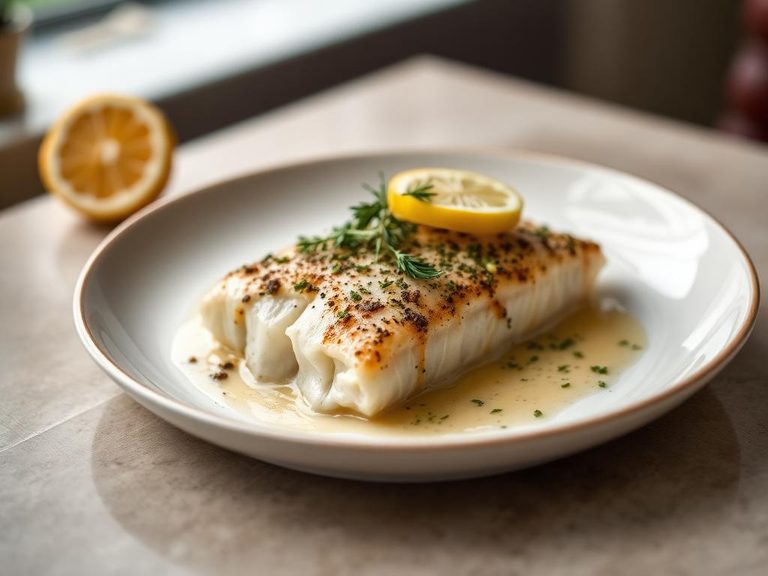
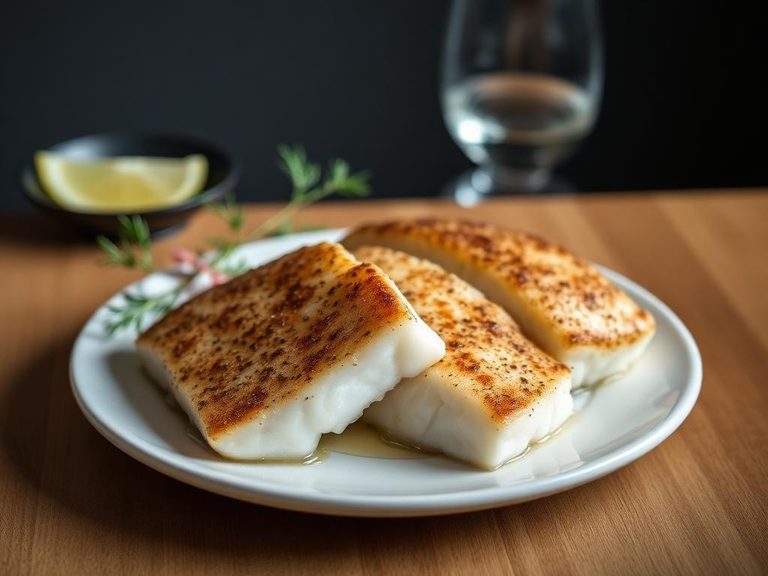
Pout, a member of the cod family, transforms into a delicate, snow-white fillet when cooked with dry heat. Its flesh is lean, tender, and mild, with a subtle sweetness and a clean, oceanic finish. Nutritionally, it's a powerhouse of high-quality protein with virtually no fat or carbohydrates.
Calorie split: 89% protein · 0% carbs · 11% fat
↓ Full nutrition💚 Why it's loved
People love pout for its incredibly versatile, mild flavor that acts as a blank canvas for herbs, spices, and sauces. Its firm yet flaky texture holds up beautifully to grilling, baking, or pan-searing, making it a reliable choice for a quick, healthy meal.
⚠️ Watch-outs & how to enjoy it better
Its very mild taste can be perceived as bland by some, and its lean profile means it can dry out easily if overcooked. To counteract dryness, marinate briefly in oil or lemon juice, or cook using methods that retain moisture like en papillote (baked in parchment). Pairing it with a flavorful sauce, salsa, or compound butter can also elevate its subtle flavor.
Key benefits
- Excellent source of lean protein for muscle maintenance
- Very low in fat and calories, suitable for weight management
- Contains essential nutrients like phosphorus and B vitamins
- Naturally free of carbohydrates and sugars
- A sustainable alternative to more popular cod species
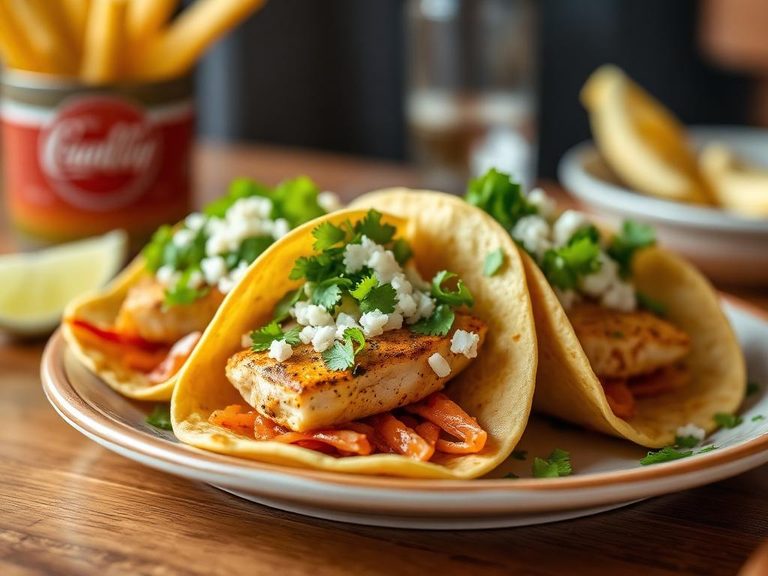
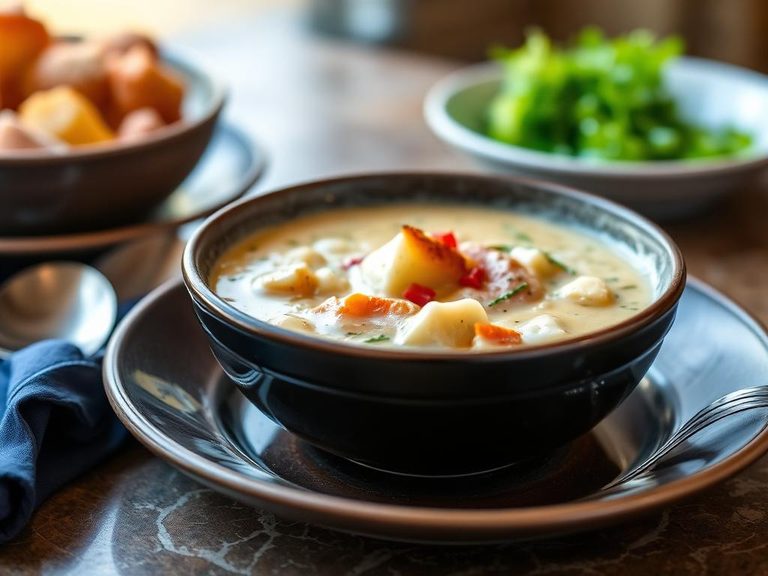
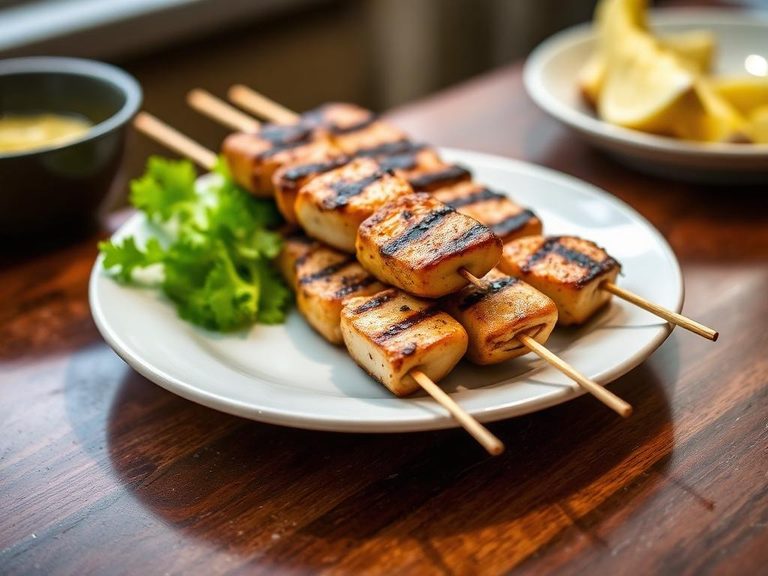
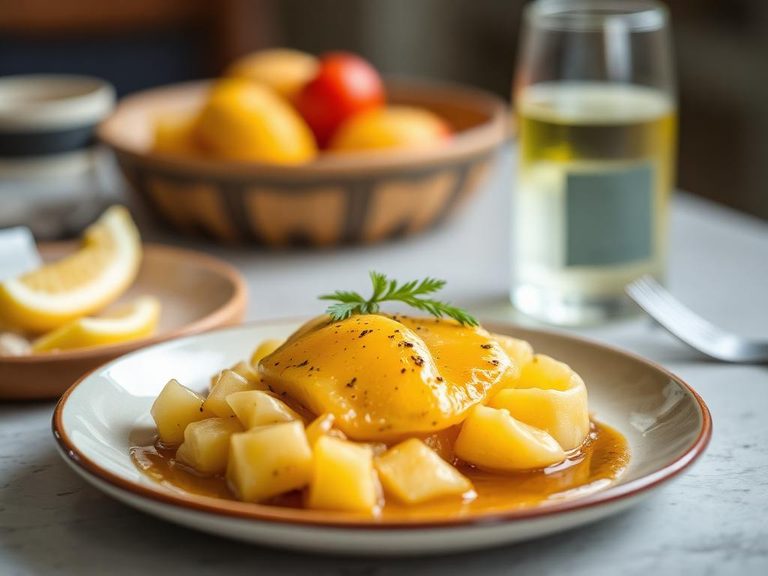
🍽️ Popular dishes
🌍 Where it's eaten
💡 Did you know?
Pout is often sold as 'poor man's cod' or used in processed fish products like fish sticks and surimi, but when cooked fresh and properly, its flavor and texture are considered by many chefs to be superior to its more famous cousin.
Full nutrition (USDA data · scales with serving)
| Water | 76.1 g |
| Energy | 102 kcal |
| Energy | 427 kj |
| Protein | 21.3 g |
| Total lipid (fat) | 1.2 g |
| Ash | 1.4 g |
| Carbohydrate, by difference | 0.00 g |
| Fiber, total dietary | 0.00 g |
| Calcium, Ca | 13.0 mg |
| Iron, Fe | 0.36 mg |
| Magnesium, Mg | 17.0 mg |
| Phosphorus, P | 256 mg |
| Potassium, K | 513 mg |
| Sodium, Na | 78.0 mg |
| Zinc, Zn | 1.3 mg |
| Copper, Cu | 0.04 mg |
| Manganese, Mn | 0.02 mg |
| Selenium, Se | 46.8 ug |
| Vitamin C, total ascorbic acid | 0.00 mg |
| Thiamin | 0.09 mg |
| Riboflavin | 0.07 mg |
| Niacin | 2.6 mg |
| Pantothenic acid | 0.17 mg |
| Vitamin B-6 | 0.28 mg |
| Folate, total | 8.0 ug |
| Folic acid | 0.00 ug |
| Folate, food | 8.0 ug |
| Folate, DFE | 8.0 ug |
| Vitamin B-12 | 1.0 ug |
| Vitamin A, RAE | 14.0 ug |
| Retinol | 14.0 ug |
| Vitamin A, IU | 46.0 iu |
Fat & fatty acid profile (per 100g)
| Fatty acids, total saturated | 0.41 g |
| SFA 8:0 | 0.07 g |
| SFA 14:0 | 0.04 g |
| SFA 16:0 | 0.23 g |
| SFA 18:0 | 0.07 g |
| Fatty acids, total monounsaturated | 0.42 g |
| MUFA 16:1 | 0.10 g |
| MUFA 18:1 | 0.32 g |
| Fatty acids, total polyunsaturated | 0.04 g |
| PUFA 18:2 | 0.04 g |
| Cholesterol | 67.0 mg |
Amino acid profile (per 100g)
| Tryptophan | 0.24 g |
| Threonine | 0.94 g |
| Isoleucine | 0.98 g |
| Leucine | 1.7 g |
| Lysine | 2.0 g |
| Methionine | 0.63 g |
| Cystine | 0.23 g |
| Phenylalanine | 0.83 g |
| Tyrosine | 0.72 g |
| Valine | 1.1 g |
| Arginine | 1.3 g |
| Histidine | 0.63 g |
| Alanine | 1.3 g |
| Aspartic acid | 2.2 g |
| Glutamic acid | 3.2 g |
| Glycine | 1.0 g |
| Proline | 0.75 g |
| Serine | 0.87 g |
FAQ
What is the difference between pout and cod?
Pout (Brosme brosme) is a distinct species from true cod (like Atlantic or Pacific cod). It has a slightly firmer, denser texture and a milder, sweeter flavor. Nutritionally, they are very similar, both being lean, high-protein fish.
How do I prevent pout from drying out when cooking?
Because it's very lean, avoid overcooking. Cook just until the flesh turns opaque and flakes easily with a fork. Methods like baking in parchment, quick pan-searing, or basting with a little butter or oil help retain moisture.
Is pout a sustainable seafood choice?
Yes, pout is often considered a sustainable choice. It is abundant in the North Atlantic and is frequently caught as a bycatch in other fisheries, meaning its harvest can help reduce waste and pressure on more popular species.
Nutrient density (calculated · NRF9.3)
Nutrient Rich Foods index: beneficial nutrients (protein, fiber, vitamins, minerals) minus saturated fat, added sugar & sodium, per 100 kcal.
NRF9.3 index — Fulgoni, Keast & Drewnowski, 2009. Computed from USDA nutrients.
Weight-loss friendliness (composite index)
Energy density 1.02 kcal/g · 84% calories from protein · 0.0 g fiber · 0.0 g sugar per 100 g.
Composite of energy density (Rolls et al., 1999), protein & fiber satiety, minus sugar. A calculated heuristic — ranks satiety-per-calorie, not a clinical measure.
Dietary load (calculated from USDA values)
Potential renal acid load. Positive = acid-forming, negative = alkaline-forming.
Sodium-to-potassium ratio: 0.15 (lower is better — aim for ≤ 1)
Sodium:potassium per WHO potassium guidance. Computed from USDA nutrients.