

Coffee creamer, liquid, sugar free, flavored
Common food
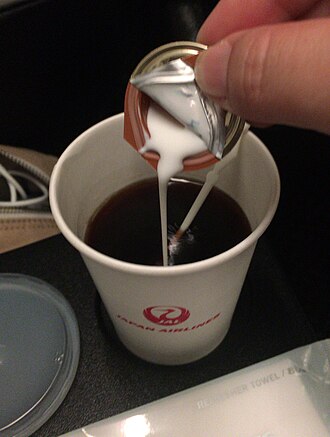
Photo: Wikipedia
A smooth, pourable liquid designed to transform black coffee into a creamy, flavorful experience without adding sugar. It typically has a rich, velvety texture and comes in a vast array of flavors, from classic vanilla to seasonal pumpkin spice. Nutritionally, it's a low-calorie way to add creaminess, though its carbohydrates come entirely from added sugars.
Calorie split: 5% protein · 51% carbs · 44% fat
↓ Full nutrition💚 Why it's loved
People love it for the instant, customizable indulgence it brings to their daily coffee ritual, turning a simple cup into a personalized treat. Its cultural role is cemented as the ubiquitous office and diner companion for coffee drinkers.
⚠️ Watch-outs & how to enjoy it better
Despite being 'sugar-free,' it often contains added sugars or high-fructose corn syrup (as seen in the 9.1g per 100g), which can contribute to blood sugar spikes. Some formulations use carrageenan as a thickener, which may cause digestive discomfort in sensitive individuals. To counteract, check labels for '0g sugar' claims, pair your coffee with a source of protein or healthy fat (like nuts or eggs) to slow sugar absorption, and use portion control.
Key benefits
- Adds creaminess and flavor with minimal calories
- Provides a dairy-free and lactose-free option
- Offers wide flavor variety for coffee customization
- Convenient and shelf-stable for everyday use
- Can make black coffee more palatable for some
🍽️ Popular dishes

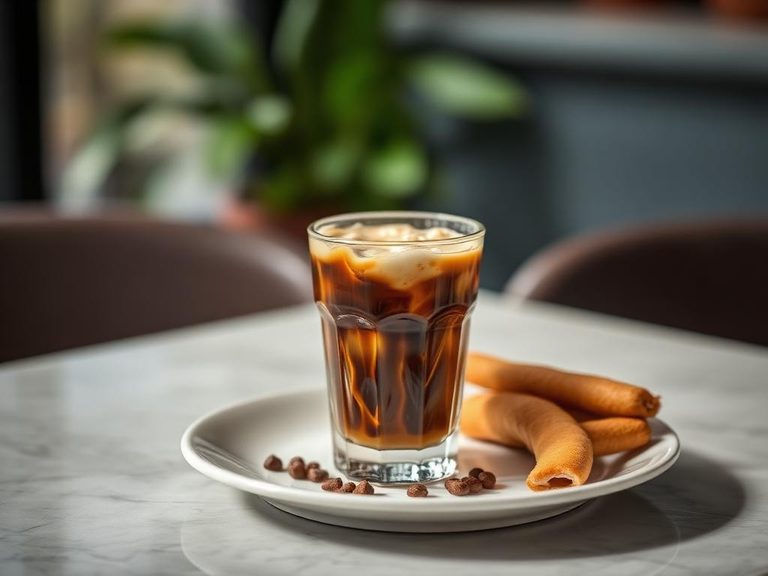

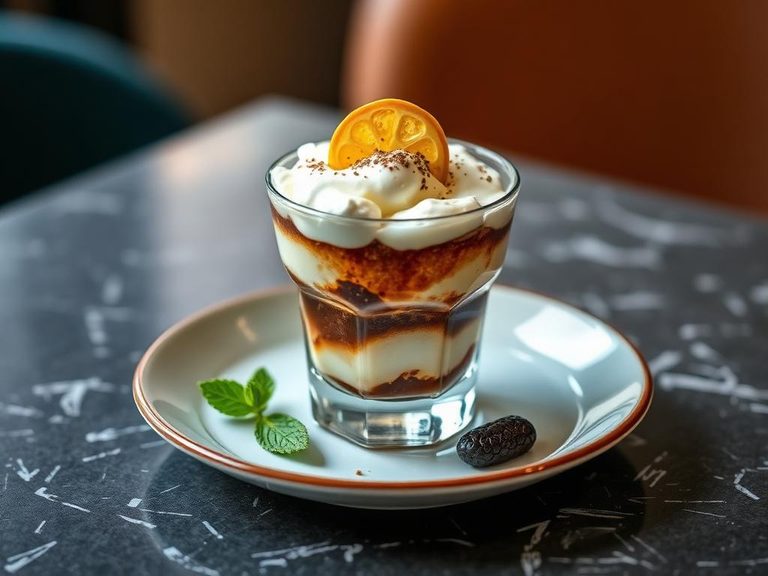
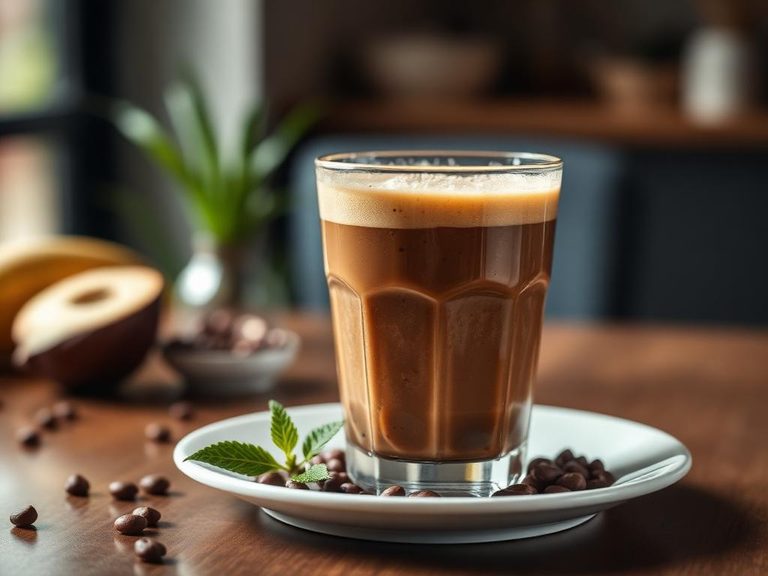
🌍 Where it's eaten
💡 Did you know?
The first non-dairy coffee creamer, Coffee-mate, was introduced by Nestlé in 1961 and was originally made from a blend of vegetable oil, corn syrup, and casein (a milk derivative).
Full nutrition (USDA data · scales with serving)
| Water | 86.2 g |
| Energy | 71.0 kcal |
| Protein | 0.80 g |
| Total lipid (fat) | 3.5 g |
| Carbohydrate, by difference | 9.1 g |
| Fiber, total dietary | 0.00 g |
| Total Sugars | 9.1 g |
| Calcium, Ca | 1.0 mg |
| Iron, Fe | 0.56 mg |
| Magnesium, Mg | 0.00 mg |
| Phosphorus, P | 75.0 mg |
| Potassium, K | 177 mg |
| Sodium, Na | 60.0 mg |
| Zinc, Zn | 0.05 mg |
| Copper, Cu | 0.00 mg |
| Selenium, Se | 0.90 ug |
| Vitamin C, total ascorbic acid | 0.00 mg |
| Thiamin | 0.00 mg |
| Riboflavin | 0.00 mg |
| Niacin | 0.00 mg |
| Vitamin B-6 | 0.00 mg |
| Folate, total | 0.00 ug |
| Folic acid | 0.00 ug |
| Folate, food | 0.00 ug |
| Folate, DFE | 0.00 ug |
| Choline, total | 0.00 mg |
| Vitamin B-12 | 0.00 ug |
| Vitamin B-12, added | 0.00 ug |
| Vitamin A, RAE | 0.00 ug |
| Retinol | 0.00 ug |
| Carotene, beta | 3.0 ug |
| Carotene, alpha | 0.00 ug |
| Cryptoxanthin, beta | 0.00 ug |
| Lycopene | 0.00 ug |
| Lutein + zeaxanthin | 0.00 ug |
| Vitamin E (alpha-tocopherol) | 0.28 mg |
| Vitamin E, added | 0.00 mg |
| Vitamin D (D2 + D3) | 0.00 ug |
| Vitamin K (phylloquinone) | 0.90 ug |
| Alcohol, ethyl | 0.00 g |
| Caffeine | 0.00 mg |
| Theobromine | 0.00 mg |
Fat & fatty acid profile (per 100g)
| Fatty acids, total saturated | 0.90 g |
| SFA 4:0 | 0.00 g |
| SFA 6:0 | 0.00 g |
| SFA 8:0 | 0.00 g |
| SFA 10:0 | 0.00 g |
| SFA 12:0 | 0.00 g |
| SFA 14:0 | 0.02 g |
| SFA 16:0 | 0.46 g |
| SFA 18:0 | 0.42 g |
| Fatty acids, total monounsaturated | 2.0 g |
| MUFA 16:1 | 0.00 g |
| MUFA 18:1 | 2.0 g |
| MUFA 20:1 | 0.00 g |
| MUFA 22:1 | 0.00 g |
| Fatty acids, total polyunsaturated | 0.42 g |
| PUFA 18:2 | 0.40 g |
| PUFA 18:3 | 0.02 g |
| PUFA 18:4 | 0.00 g |
| PUFA 20:4 | 0.00 g |
| PUFA 20:5 n-3 (EPA) | 0.00 g |
| PUFA 22:5 n-3 (DPA) | 0.00 g |
| PUFA 22:6 n-3 (DHA) | 0.00 g |
| Cholesterol | 0.00 mg |
FAQ
What is the main difference between liquid and powdered coffee creamer?
Liquid creamer is pre-mixed and ready to pour, offering a smoother, more consistent texture. Powdered creamer is shelf-stable and requires dissolving, often resulting in a slightly grainier texture if not fully incorporated.
Is coffee creamer a good substitute for milk or cream?
It's a substitute for texture and flavor, but not for nutrition. It lacks the protein and calcium found in dairy milk and often contains added sugars and processed oils. For a nutritional upgrade, real milk, cream, or fortified plant milks are preferable.
Why does my coffee creamer sometimes curdle?
Curdling happens when the acidic coffee reacts with the proteins in the creamer. This is more common with very hot, acidic coffee or when using a creamer with higher protein content. Adding the creamer first or using a less acidic coffee bean can help prevent it.
Nutrient density (calculated · NRF9.3)
Nutrient Rich Foods index: beneficial nutrients (protein, fiber, vitamins, minerals) minus saturated fat, added sugar & sodium, per 100 kcal.
NRF9.3 index — Fulgoni, Keast & Drewnowski, 2009. Computed from USDA nutrients.
Weight-loss friendliness (composite index)
Energy density 0.71 kcal/g · 5% calories from protein · 0.0 g fiber · 9.1 g sugar per 100 g.
Composite of energy density (Rolls et al., 1999), protein & fiber satiety, minus sugar. A calculated heuristic — ranks satiety-per-calorie, not a clinical measure.
Dietary load (calculated from USDA values)
Potential renal acid load. Positive = acid-forming, negative = alkaline-forming.
Sodium-to-potassium ratio: 0.34 (lower is better — aim for ≤ 1)
Sodium:potassium per WHO potassium guidance. Computed from USDA nutrients.