

Chicken "wings", plain, from precooked
Common food
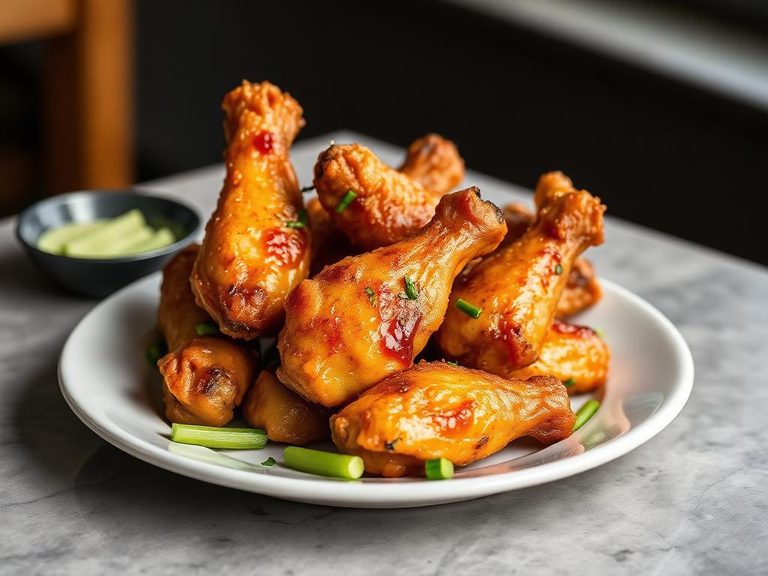
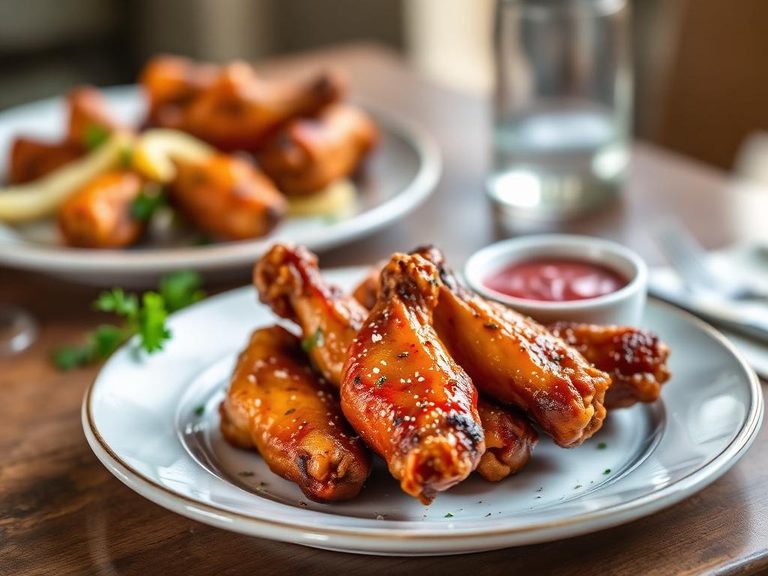
These are pre-cooked chicken wings, typically the mid-joint and drumette, offering a satisfyingly crispy skin and tender, juicy meat. Their rich, savory flavor comes from the natural fats rendered during cooking, making them a protein-packed snack or meal component. With a macronutrient profile dominated by protein and fat, they provide substantial energy with minimal carbohydrates.
Calorie split: 26% protein · 10% carbs · 64% fat
↓ Full nutrition💚 Why it's loved
People adore the irresistible combination of crispy skin and succulent meat, often enhanced by a wide array of sauces from spicy buffalo to sweet barbecue. Their finger-food nature makes them a social staple at gatherings, sports events, and casual dining.
⚠️ Watch-outs & how to enjoy it better
The high fat content, particularly from the skin, can make them calorie-dense, which may be a concern for those monitoring intake. They are also a common carrier of high sodium in marinades and sauces. To counteract, opt for dry rubs over sugary sauces, pair with a large, non-starchy vegetable salad to add volume and fiber, and practice portion control by enjoying 3-4 wings as a protein addition to a meal rather than the main event.
Key benefits
- High-quality complete protein for muscle maintenance and satiety.
- Good source of B vitamins, especially niacin (B3) and B6.
- Contains minerals like selenium and phosphorus.
- Convenient, pre-cooked protein source for quick meals.
- Naturally low in carbohydrates and sugar.
🍽️ Popular dishes
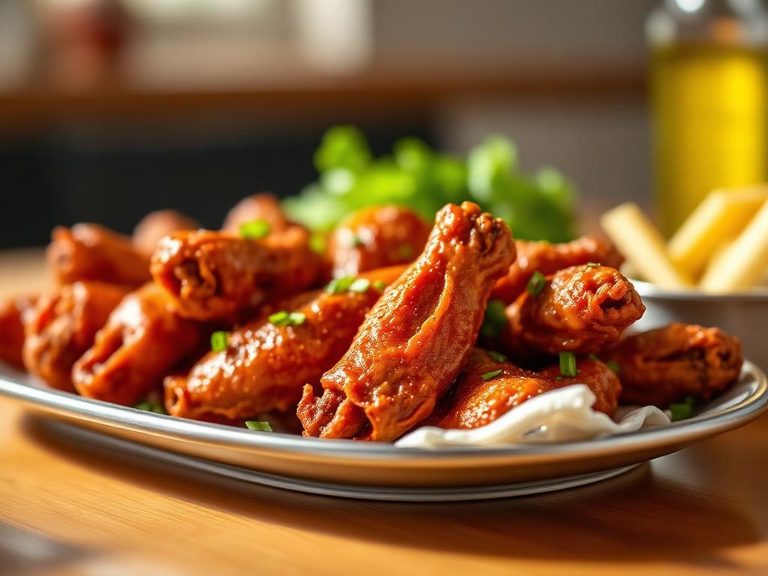
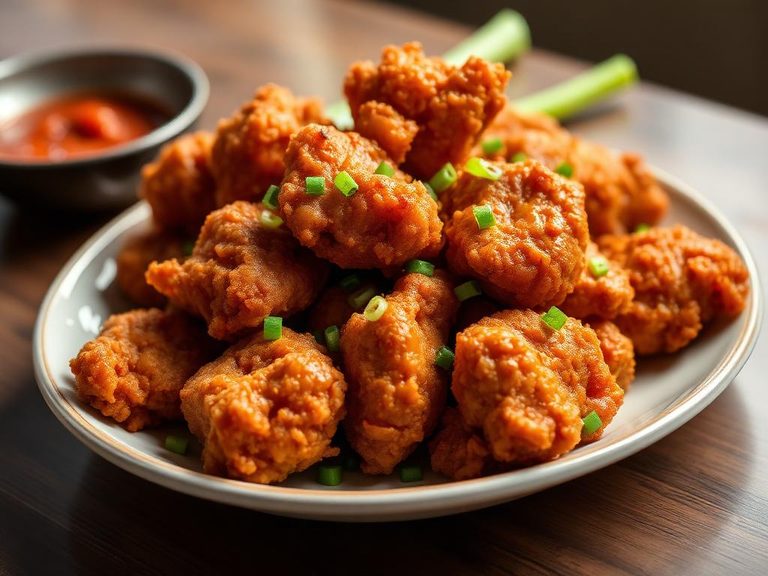
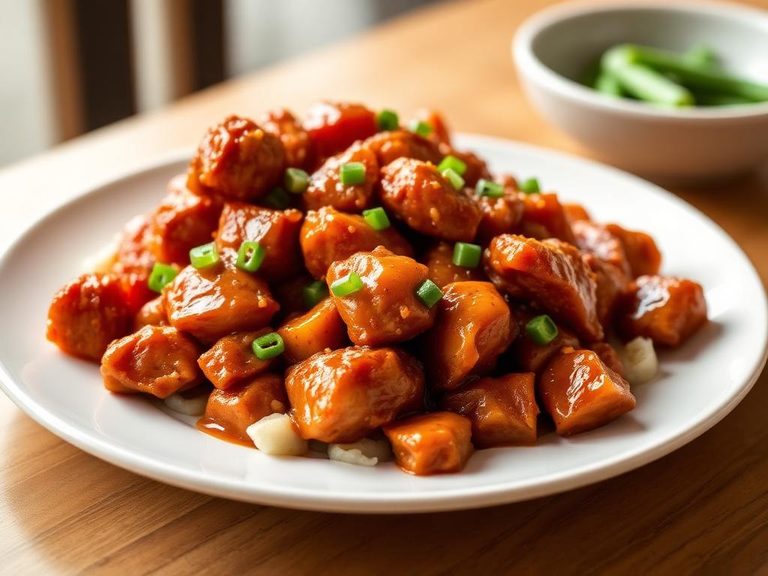
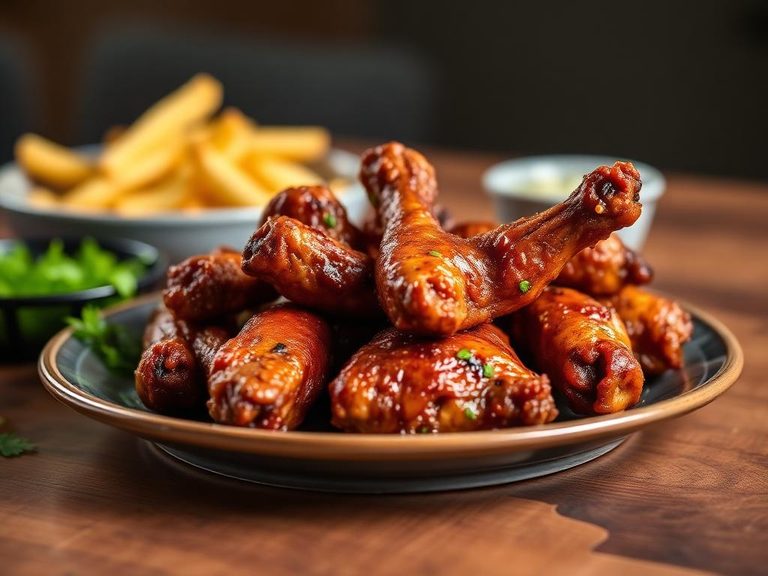
🌍 Where it's eaten
💡 Did you know?
The 'Buffalo' wing was invented in 1964 at the Anchor Bar in Buffalo, New York, when the owner's son and his friends craved a late-night snack, and she deep-fried some wings and tossed them in a spicy cayenne-based hot sauce.
Full nutrition (USDA data · scales with serving)
| Water | 52.6 g |
| Energy | 294 kcal |
| Protein | 18.6 g |
| Total lipid (fat) | 20.6 g |
| Carbohydrate, by difference | 7.2 g |
| Fiber, total dietary | 0.30 g |
| Total Sugars | 0.12 g |
| Calcium, Ca | 22.0 mg |
| Iron, Fe | 1.2 mg |
| Magnesium, Mg | 17.0 mg |
| Phosphorus, P | 122 mg |
| Potassium, K | 170 mg |
| Sodium, Na | 461 mg |
| Zinc, Zn | 1.3 mg |
| Copper, Cu | 0.05 mg |
| Selenium, Se | 20.6 ug |
| Vitamin C, total ascorbic acid | 0.00 mg |
| Thiamin | 0.14 mg |
| Riboflavin | 0.16 mg |
| Niacin | 5.3 mg |
| Vitamin B-6 | 0.42 mg |
| Folate, total | 21.0 ug |
| Folic acid | 12.0 ug |
| Folate, food | 9.0 ug |
| Folate, DFE | 30.0 ug |
| Choline, total | 85.8 mg |
| Vitamin B-12 | 0.27 ug |
| Vitamin B-12, added | 0.00 ug |
| Vitamin A, RAE | 10.0 ug |
| Retinol | 10.0 ug |
| Carotene, beta | 0.00 ug |
| Carotene, alpha | 0.00 ug |
| Cryptoxanthin, beta | 0.00 ug |
| Lycopene | 0.00 ug |
| Lutein + zeaxanthin | 6.0 ug |
| Vitamin E (alpha-tocopherol) | 2.0 mg |
| Vitamin E, added | 0.00 mg |
| Vitamin D (D2 + D3) | 0.20 ug |
| Vitamin K (phylloquinone) | 8.3 ug |
| Alcohol, ethyl | 0.00 g |
| Caffeine | 0.00 mg |
| Theobromine | 0.00 mg |
Fat & fatty acid profile (per 100g)
| Fatty acids, total saturated | 4.8 g |
| SFA 4:0 | 0.00 g |
| SFA 6:0 | 0.00 g |
| SFA 8:0 | 0.00 g |
| SFA 10:0 | 0.01 g |
| SFA 12:0 | 0.01 g |
| SFA 14:0 | 0.08 g |
| SFA 16:0 | 3.7 g |
| SFA 18:0 | 0.93 g |
| Fatty acids, total monounsaturated | 9.1 g |
| MUFA 16:1 | 0.85 g |
| MUFA 18:1 | 8.0 g |
| MUFA 20:1 | 0.13 g |
| MUFA 22:1 | 0.00 g |
| Fatty acids, total polyunsaturated | 5.8 g |
| PUFA 18:2 | 5.1 g |
| PUFA 18:3 | 0.47 g |
| PUFA 18:4 | 0.00 g |
| PUFA 20:4 | 0.07 g |
| PUFA 20:5 n-3 (EPA) | 0.00 g |
| PUFA 22:5 n-3 (DPA) | 0.01 g |
| PUFA 22:6 n-3 (DHA) | 0.00 g |
| Cholesterol | 107 mg |
FAQ
Are pre-cooked wings already fully cooked and safe to eat?
Yes, 'precooked' means they have been cooked to a safe internal temperature (typically 165°F/74°C) during processing. They can be eaten cold but are usually reheated for better texture and flavor.
How can I reheat them to keep the skin crispy?
For best results, reheat in an oven or air fryer at 375-400°F (190-200°C) for 10-15 minutes until heated through and the skin crisps up. Microwaving will make them soggy.
What's the difference between a wingette and a drumette?
A whole wing has three parts: the drumette (looks like a tiny drumstick), the mid-joint wing (flat, with two bones), and the wing tip (mostly bone and skin, often discarded or used for stock). Precooked packs often contain a mix of drumettes and wingettes.
Nutrient density (calculated · NRF9.3)
Nutrient Rich Foods index: beneficial nutrients (protein, fiber, vitamins, minerals) minus saturated fat, added sugar & sodium, per 100 kcal.
NRF9.3 index — Fulgoni, Keast & Drewnowski, 2009. Computed from USDA nutrients.
Weight-loss friendliness (composite index)
Energy density 2.94 kcal/g · 25% calories from protein · 0.3 g fiber · 0.1 g sugar per 100 g.
Composite of energy density (Rolls et al., 1999), protein & fiber satiety, minus sugar. A calculated heuristic — ranks satiety-per-calorie, not a clinical measure.
Dietary load (calculated from USDA values)
Potential renal acid load. Positive = acid-forming, negative = alkaline-forming.
Sodium-to-potassium ratio: 2.71 (lower is better — aim for ≤ 1)
Sodium:potassium per WHO potassium guidance. Computed from USDA nutrients.