

Bulgur, dry, raw
Whole food · Cereal Grains and Pasta
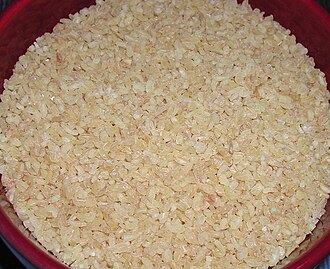
Photo: Wikipedia
Bulgur is a quick-cooking, nutty whole grain made from cracked parboiled wheat, prized for its pleasantly chewy texture and earthy flavor. It is a nutritional powerhouse, offering a substantial 11.7g of protein and 11.7g of fiber per 100g dry, making it a filling, low-fat staple. Its minimal processing preserves a robust profile of B vitamins and minerals like magnesium and iron.
Calorie split: 13% protein · 82% carbs · 6% fat
↓ Full nutrition💚 Why it's loved
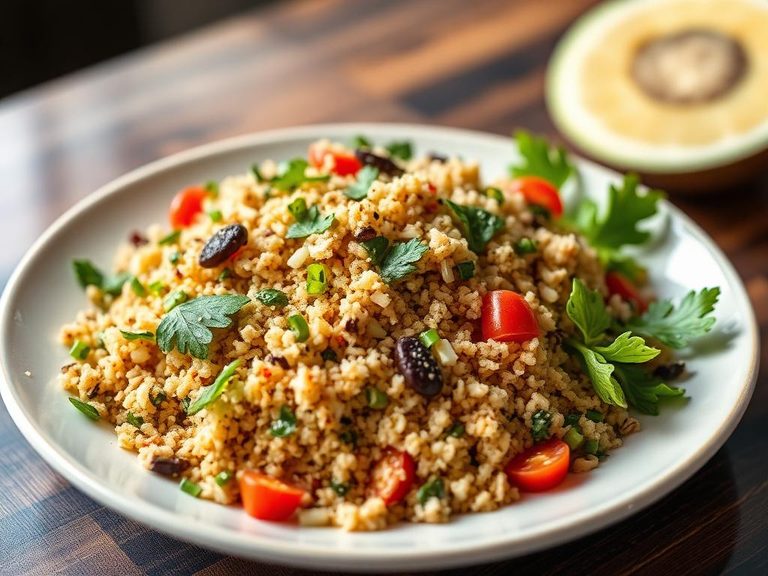
People love bulgur for its incredible versatility and satisfying, chewy texture that absorbs flavors beautifully. It is a beloved staple in Middle Eastern and Mediterranean cuisines, offering a quick, nutritious base for salads, pilafs, and stuffed vegetables.
⚠️ Watch-outs & how to enjoy it better
As a wheat product, bulgur contains gluten and is unsuitable for those with celiac disease or gluten sensitivity. Its high fiber content can cause digestive discomfort if not introduced gradually, and it has a moderate glycemic index. To mitigate blood sugar impact, pair it with protein (like chickpeas or yogurt) and healthy fats (like olive oil), and opt for the coarser grind which digests more slowly.
Key benefits
- High in dietary fiber for digestive health and satiety.
- Excellent source of plant-based protein.
- Low in fat and naturally cholesterol-free.
- Rich in essential minerals like magnesium, iron, and manganese.
- A whole grain that supports heart health.
🍽️ Popular dishes
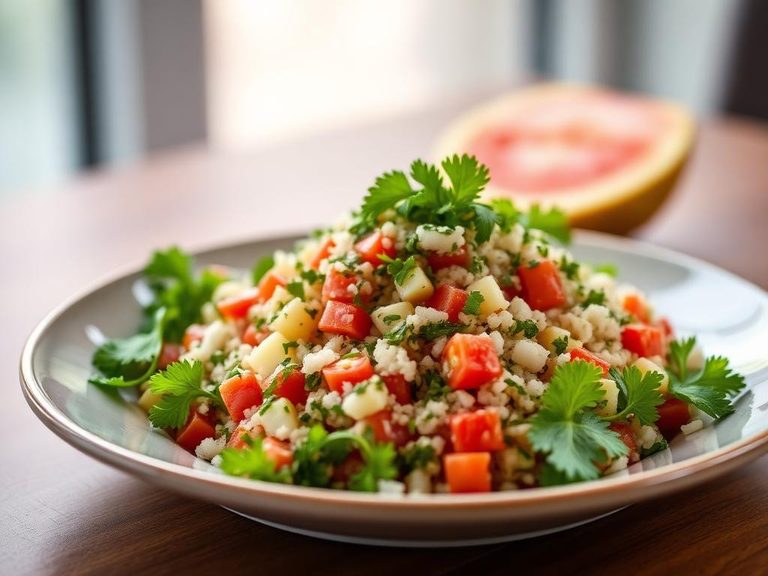

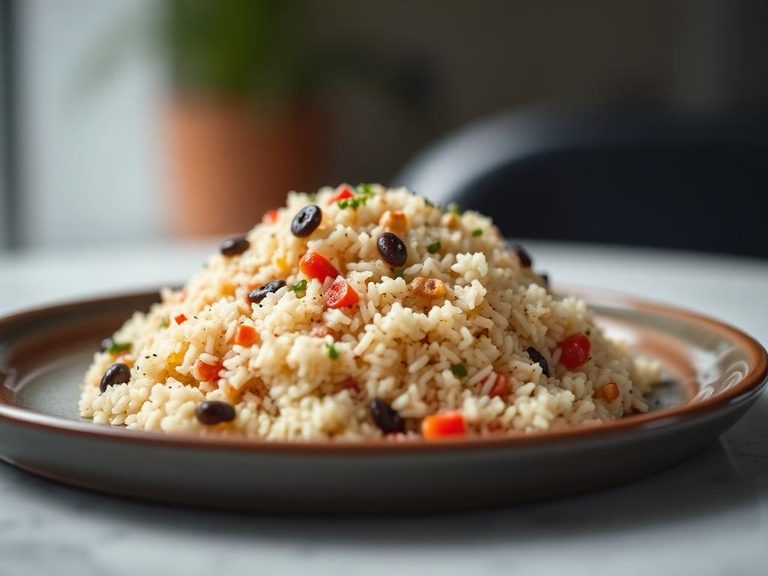
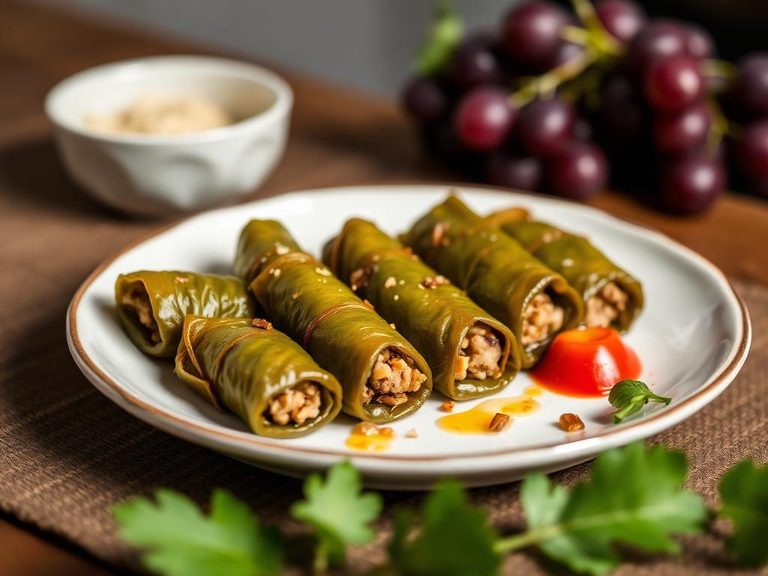

🌍 Where it's eaten
💡 Did you know?
Bulgur is one of the oldest processed foods in human history, with evidence of its preparation dating back to the ancient Hittites in Anatolia around 1000 BCE.
Full nutrition (USDA data · scales with serving)
| Water | 8.5 g |
| Energy (Atwater General Factors) | 372 kcal |
| Energy (Atwater Specific Factors) | 349 kcal |
| Nitrogen | 1.9 g |
| Protein | 11.8 g |
| Total lipid (fat) | 2.4 g |
| Ash | 1.5 g |
| Carbohydrate, by difference | 75.9 g |
| Fiber, total dietary | 11.7 g |
| Starch | 62.3 g |
| Calcium, Ca | 34.1 mg |
| Iron, Fe | 2.6 mg |
| Magnesium, Mg | 119 mg |
| Phosphorus, P | 312 mg |
| Potassium, K | 358 mg |
| Sodium, Na | 2.2 mg |
| Zinc, Zn | 2.1 mg |
| Copper, Cu | 0.38 mg |
| Manganese, Mn | 2.6 mg |
| Thiamin | 0.23 mg |
| Niacin | 5.2 mg |
| Vitamin B-6 | 0.22 mg |
| Biotin | 5.5 ug |
Fat & fatty acid profile (per 100g)
Estimated from Bulgur, cooked — USDA does not publish this profile for Bulgur.
| Fatty acids, total saturated | 0.04 g |
| SFA 4:0 | 0.00 g |
| SFA 6:0 | 0.00 g |
| SFA 8:0 | 0.00 g |
| SFA 10:0 | 0.00 g |
| SFA 12:0 | 0.00 g |
| SFA 14:0 | 0.00 g |
| SFA 16:0 | 0.04 g |
| SFA 18:0 | 0.00 g |
| Fatty acids, total monounsaturated | 0.03 g |
| MUFA 16:1 | 0.00 g |
| MUFA 18:1 | 0.03 g |
| MUFA 20:1 | 0.00 g |
| MUFA 22:1 | 0.00 g |
| Fatty acids, total polyunsaturated | 0.10 g |
| PUFA 18:2 | 0.09 g |
| PUFA 18:3 | 0.00 g |
| PUFA 18:4 | 0.00 g |
| PUFA 20:4 | 0.00 g |
| PUFA 20:5 n-3 (EPA) | 0.00 g |
| PUFA 22:5 n-3 (DPA) | 0.00 g |
| PUFA 22:6 n-3 (DHA) | 0.00 g |
| Cholesterol | 0.00 mg |
Amino acid profile (per 100g)
Estimated from Bulgur, cooked — USDA does not publish this profile for Bulgur.
| Tryptophan | 0.05 g |
| Threonine | 0.09 g |
| Isoleucine | 0.11 g |
| Leucine | 0.21 g |
| Lysine | 0.09 g |
| Methionine | 0.05 g |
| Cystine | 0.07 g |
| Phenylalanine | 0.14 g |
| Tyrosine | 0.09 g |
| Valine | 0.14 g |
| Arginine | 0.14 g |
| Histidine | 0.07 g |
| Alanine | 0.11 g |
| Aspartic acid | 0.16 g |
| Glutamic acid | 0.97 g |
| Glycine | 0.12 g |
| Proline | 0.32 g |
| Serine | 0.14 g |
FAQ
How do you cook bulgur?
For a quick method, combine 1 part bulgur with 2 parts water or broth, bring to a boil, then simmer covered for 10-15 minutes until tender. Alternatively, pour boiling liquid over bulgur, cover, and let it stand for 20-30 minutes to absorb.
Is bulgur gluten-free?
No, bulgur is made from cracked wheat and contains gluten. It is not suitable for individuals with celiac disease or gluten intolerance.
What is the difference between bulgur and cracked wheat?
Bulgur is a parboiled, dried, and cracked wheat product, meaning it is partially cooked before being dried. Cracked wheat is simply raw wheat kernels that have been crushed, requiring longer cooking times.
How should I store bulgur?
Store uncooked bulgur in an airtight container in a cool, dark place for up to a year. Cooked bulgur should be refrigerated and consumed within 3-5 days.
Nutrient density (calculated · NRF9.3)
Nutrient Rich Foods index: beneficial nutrients (protein, fiber, vitamins, minerals) minus saturated fat, added sugar & sodium, per 100 kcal.
NRF9.3 index — Fulgoni, Keast & Drewnowski, 2009. Computed from USDA nutrients.
Weight-loss friendliness (composite index)
Energy density 3.72 kcal/g · 13% calories from protein · 11.7 g fiber · 0.0 g sugar per 100 g.
Composite of energy density (Rolls et al., 1999), protein & fiber satiety, minus sugar. A calculated heuristic — ranks satiety-per-calorie, not a clinical measure.
Dietary load (calculated from USDA values)
Potential renal acid load. Positive = acid-forming, negative = alkaline-forming.
Sodium-to-potassium ratio: 0.01 (lower is better — aim for ≤ 1)
Sodium:potassium per WHO potassium guidance. Computed from USDA nutrients.