

Breadsticks, hard, whole wheat
Common food

Photo: Wikipedia
Hard whole wheat breadsticks are a crunchy, low-moisture snack with a deep, nutty wheat flavor and a satisfying snap. Their dense, dry texture makes them ideal for dipping or pairing with soups. With nearly 8 grams of fiber and 15 grams of protein per 100g, they offer a more substantial and satiating alternative to refined flour snacks.
Calorie split: 14% protein · 63% carbs · 23% fat
↓ Full nutrition💚 Why it's loved
People love them for their satisfying crunch and versatile, mildly savory flavor that pairs perfectly with soups, salads, and dips. They are a staple in Italian-American dining and a convenient, shelf-stable snack.
⚠️ Watch-outs & how to enjoy it better
Their very low moisture content can be drying for the mouth, and their dense texture may be tough for those with dental issues. For blood sugar management, pairing with a protein or fat like hummus or cheese can help moderate the glycemic response. They are also a wheat-based product, making them unsuitable for those with celiac disease or gluten sensitivity.
Key benefits
- High in dietary fiber (7.1g per 100g)
- Good source of plant-based protein (15.08g per 100g)
- Low in sugar (3.29g per 100g)
- Provides sustained energy from complex carbohydrates
- Whole grain content may support digestive health
🍽️ Popular dishes
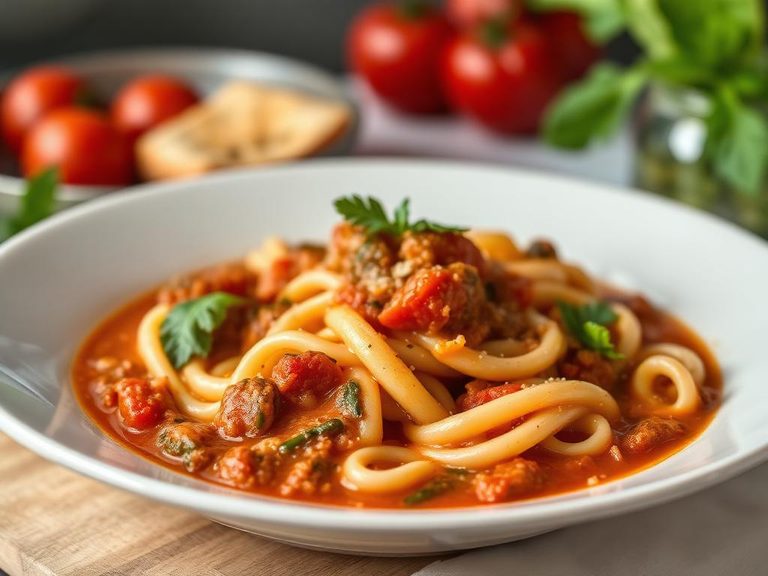
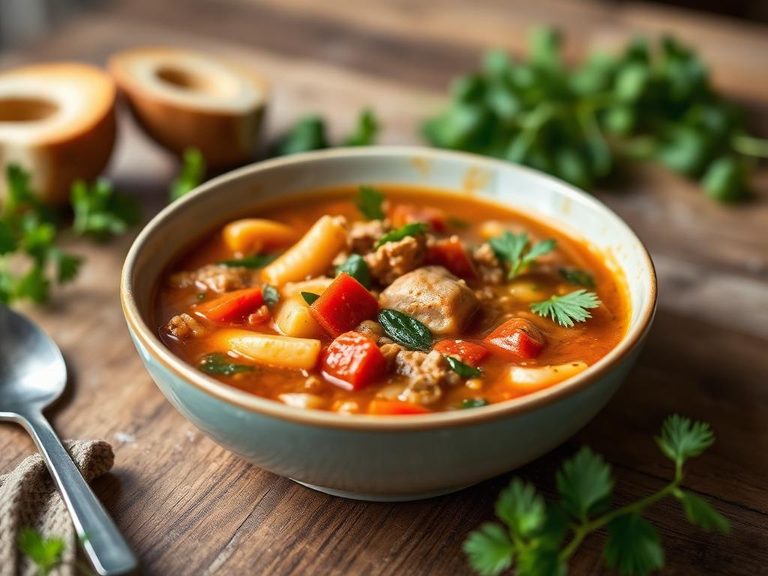

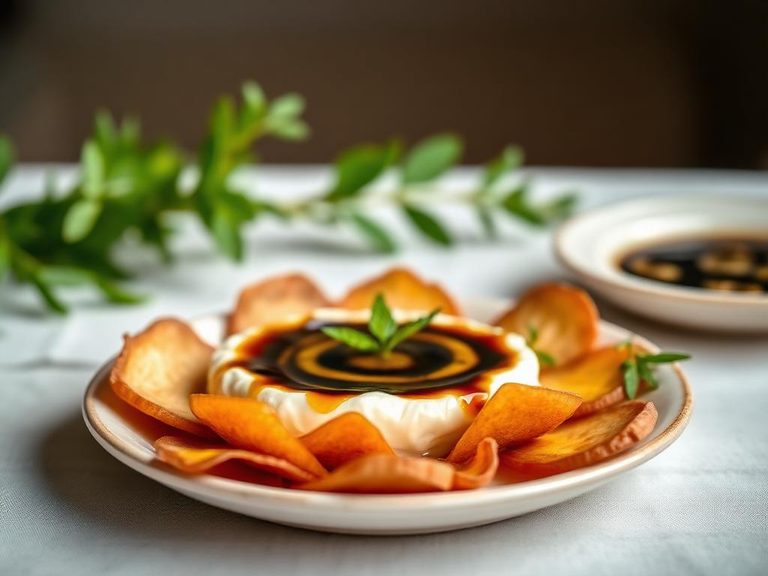

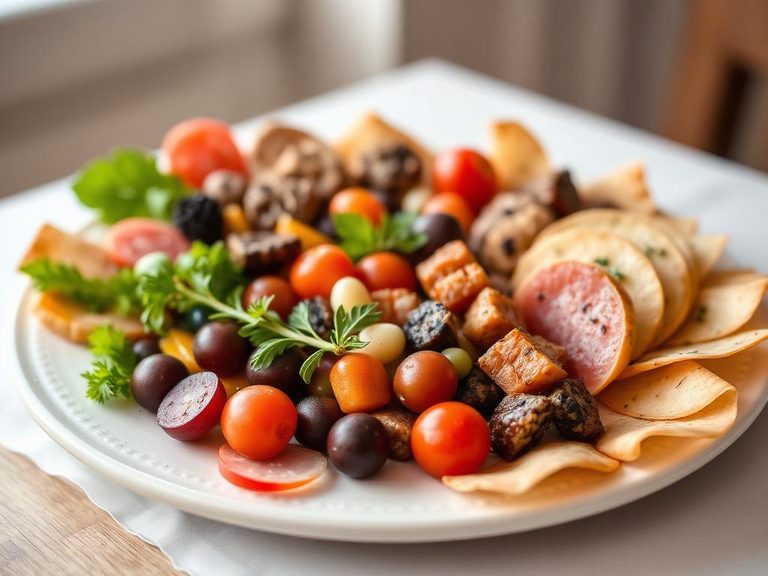
🌍 Where it's eaten
💡 Did you know?
The traditional Italian grissini, from which these breadsticks descend, were reportedly invented in the 17th century in Piedmont to aid the digestion of a young duke.
Full nutrition (USDA data · scales with serving)
| Water | 3.3 g |
| Energy | 425 kcal |
| Protein | 15.1 g |
| Total lipid (fat) | 11.0 g |
| Carbohydrate, by difference | 67.9 g |
| Fiber, total dietary | 7.1 g |
| Total Sugars | 3.3 g |
| Calcium, Ca | 32.0 mg |
| Iron, Fe | 4.6 mg |
| Magnesium, Mg | 104 mg |
| Phosphorus, P | 272 mg |
| Potassium, K | 267 mg |
| Sodium, Na | 577 mg |
| Zinc, Zn | 2.5 mg |
| Copper, Cu | 0.40 mg |
| Selenium, Se | 27.6 ug |
| Vitamin C, total ascorbic acid | 0.00 mg |
| Thiamin | 0.69 mg |
| Riboflavin | 0.28 mg |
| Niacin | 5.7 mg |
| Vitamin B-6 | 0.19 mg |
| Folate, total | 87.0 ug |
| Folic acid | 33.0 ug |
| Folate, food | 54.0 ug |
| Folate, DFE | 110 ug |
| Choline, total | 20.1 mg |
| Vitamin B-12 | 0.00 ug |
| Vitamin B-12, added | 0.00 ug |
| Vitamin A, RAE | 0.00 ug |
| Retinol | 0.00 ug |
| Carotene, beta | 5.0 ug |
| Carotene, alpha | 0.00 ug |
| Cryptoxanthin, beta | 0.00 ug |
| Lycopene | 0.00 ug |
| Lutein + zeaxanthin | 121 ug |
| Vitamin E (alpha-tocopherol) | 0.89 mg |
| Vitamin E, added | 0.00 mg |
| Vitamin D (D2 + D3) | 0.00 ug |
| Vitamin K (phylloquinone) | 2.9 ug |
| Alcohol, ethyl | 0.00 g |
| Caffeine | 0.00 mg |
| Theobromine | 0.00 mg |
Fat & fatty acid profile (per 100g)
| Fatty acids, total saturated | 2.1 g |
| SFA 4:0 | 0.00 g |
| SFA 6:0 | 0.00 g |
| SFA 8:0 | 0.00 g |
| SFA 10:0 | 0.00 g |
| SFA 12:0 | 0.00 g |
| SFA 14:0 | 0.02 g |
| SFA 16:0 | 1.3 g |
| SFA 18:0 | 0.79 g |
| Fatty acids, total monounsaturated | 4.6 g |
| MUFA 16:1 | 0.04 g |
| MUFA 18:1 | 4.5 g |
| MUFA 20:1 | 0.01 g |
| MUFA 22:1 | 0.01 g |
| Fatty acids, total polyunsaturated | 3.2 g |
| PUFA 18:2 | 3.1 g |
| PUFA 18:3 | 0.10 g |
| PUFA 18:4 | 0.00 g |
| PUFA 20:4 | 0.00 g |
| PUFA 20:5 n-3 (EPA) | 0.00 g |
| PUFA 22:5 n-3 (DPA) | 0.00 g |
| PUFA 22:6 n-3 (DHA) | 0.00 g |
| Cholesterol | 0.00 mg |
FAQ
Are hard whole wheat breadsticks healthier than regular bread?
They can be, as they are typically denser, lower in sugar, and higher in fiber and protein per gram than soft white bread, promoting greater satiety. However, they are also calorie-dense, so portion control is key.
How should I store them to keep them crunchy?
Store them in an airtight container at room temperature, away from moisture. If they lose their snap, you can refresh them in a low oven (around 300°F/150°C) for a few minutes.
Can I use them in recipes other than for dipping?
Absolutely. Crushed hard breadsticks make an excellent breadcrumb substitute for coating chicken or fish, or as a crunchy topping for baked pasta dishes and casseroles.
Nutrient density (calculated · NRF9.3)
Nutrient Rich Foods index: beneficial nutrients (protein, fiber, vitamins, minerals) minus saturated fat, added sugar & sodium, per 100 kcal.
NRF9.3 index — Fulgoni, Keast & Drewnowski, 2009. Computed from USDA nutrients.
Weight-loss friendliness (composite index)
Energy density 4.25 kcal/g · 14% calories from protein · 7.1 g fiber · 3.3 g sugar per 100 g.
Composite of energy density (Rolls et al., 1999), protein & fiber satiety, minus sugar. A calculated heuristic — ranks satiety-per-calorie, not a clinical measure.
Dietary load (calculated from USDA values)
Potential renal acid load. Positive = acid-forming, negative = alkaline-forming.
Sodium-to-potassium ratio: 2.16 (lower is better — aim for ≤ 1)
Sodium:potassium per WHO potassium guidance. Computed from USDA nutrients.