

Beverages, Fruit punch drink, frozen concentrate
Whole food · Beverages

Photo: Wikipedia
This is a concentrated, frozen syrup designed to be diluted with water to create a sweet, fruity beverage. It typically has a thick, slushy texture when frozen and a vibrant, often artificially fruity flavor profile. Nutritionally, it's a significant source of quick energy from carbohydrates, with over 40g per 100g, but offers minimal protein, fiber, or fat.
Calorie split: 0% protein · 100% carbs · 0% fat
↓ Full nutrition💚 Why it's loved
People love it for its intense, nostalgic sweetness and the ease of making a refreshing, cold drink for gatherings or hot days. It's a staple at parties and barbecues, embodying a fun, casual beverage culture.
⚠️ Watch-outs & how to enjoy it better
The high carbohydrate content, primarily from added sugars, can cause rapid blood-sugar spikes and is a concern for those managing diabetes or calorie intake. To counteract this, consider diluting it more than the package suggests to reduce sugar concentration, or serve a small portion alongside a source of protein or healthy fat (like nuts or cheese) to help slow sugar absorption.
Key benefits
- Provides quick energy from simple carbohydrates
- Convenient for making large batches of a sweet drink
- Long shelf life when stored frozen
- Offers a consistent, familiar fruity flavor
🍽️ Popular dishes
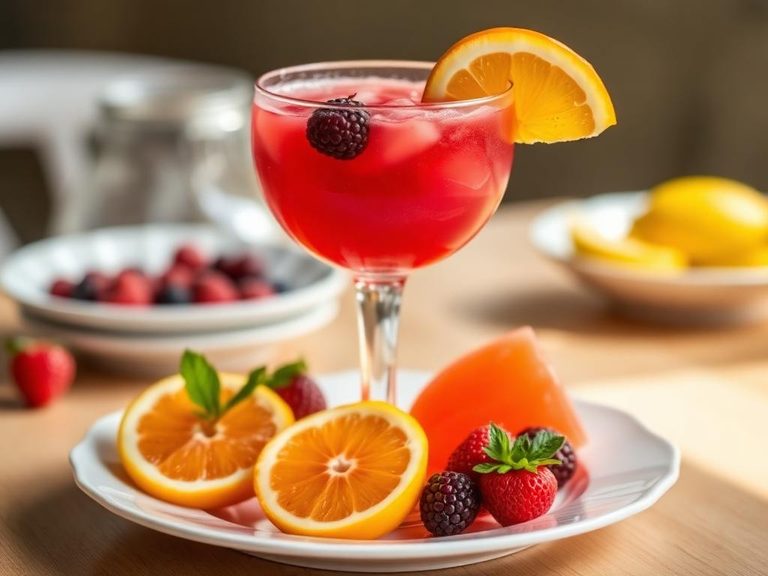
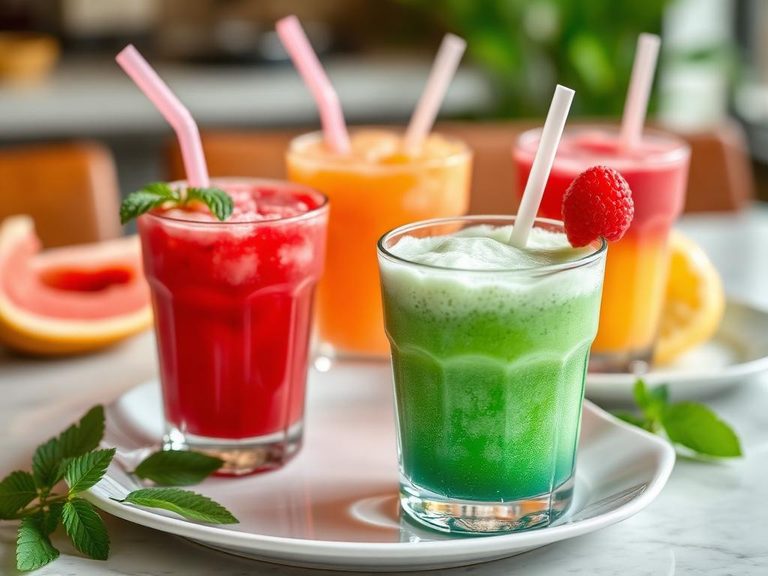
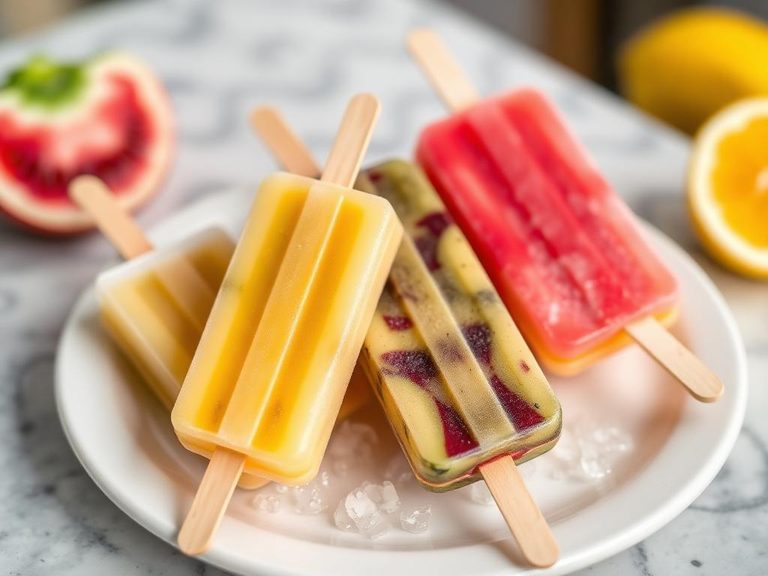
🌍 Where it's eaten
💡 Did you know?
Many fruit punch concentrates get their signature red color not from fruit, but from a food dye originally derived from the cochineal insect.
Full nutrition (USDA data · scales with serving)
| Water | 58.2 g |
| Energy | 162 kcal |
| Energy | 678 kj |
| Protein | 0.20 g |
| Total lipid (fat) | 0.00 g |
| Ash | 0.20 g |
| Carbohydrate, by difference | 41.4 g |
| Fiber, total dietary | 0.40 g |
| Calcium, Ca | 8.0 mg |
| Iron, Fe | 0.30 mg |
| Magnesium, Mg | 6.0 mg |
| Phosphorus, P | 2.0 mg |
| Potassium, K | 44.0 mg |
| Sodium, Na | 8.0 mg |
| Zinc, Zn | 0.07 mg |
| Copper, Cu | 0.09 mg |
| Manganese, Mn | 0.36 mg |
| Selenium, Se | 0.00 ug |
| Vitamin C, total ascorbic acid | 156 mg |
| Thiamin | 0.03 mg |
| Riboflavin | 0.05 mg |
| Niacin | 0.07 mg |
| Pantothenic acid | 0.03 mg |
| Vitamin B-6 | 0.02 mg |
| Folate, total | 3.0 ug |
| Folic acid | 0.00 ug |
| Folate, food | 3.0 ug |
| Folate, DFE | 3.0 ug |
| Vitamin B-12 | 0.00 ug |
| Vitamin B-12, added | 0.00 ug |
| Vitamin A, RAE | 2.0 ug |
| Retinol | 0.00 ug |
| Vitamin A, IU | 39.0 iu |
Fat & fatty acid profile (per 100g)
| Fatty acids, total saturated | 0.00 g |
| SFA 14:0 | 0.00 g |
| SFA 16:0 | 0.00 g |
| SFA 18:0 | 0.00 g |
| Fatty acids, total monounsaturated | 0.00 g |
| MUFA 16:1 | 0.00 g |
| MUFA 18:1 | 0.00 g |
| Fatty acids, total polyunsaturated | 0.01 g |
| PUFA 18:2 | 0.01 g |
| PUFA 18:3 | 0.00 g |
| Fatty acids, total trans | 0.00 g |
| Cholesterol | 0.00 mg |
Amino acid profile (per 100g)
Estimated from Beverages, carbonated, tonic water — USDA does not publish this profile for Beverages.
| Tryptophan | 0.00 g |
| Threonine | 0.00 g |
| Isoleucine | 0.00 g |
| Leucine | 0.00 g |
| Lysine | 0.00 g |
| Methionine | 0.00 g |
| Cystine | 0.00 g |
| Phenylalanine | 0.00 g |
| Tyrosine | 0.00 g |
| Valine | 0.00 g |
| Arginine | 0.00 g |
| Histidine | 0.00 g |
| Alanine | 0.00 g |
| Aspartic acid | 0.00 g |
| Glutamic acid | 0.00 g |
| Glycine | 0.00 g |
| Proline | 0.00 g |
| Serine | 0.00 g |
FAQ
How do you prepare frozen fruit punch concentrate?
Typically, you thaw the can in the refrigerator, then mix the concentrate with a specific amount of cold water (often 3 cans of water) in a pitcher, stir well, and serve over ice.
Is this the same as fruit juice?
No. This is a sweetened, concentrated flavor base meant for dilution. It usually contains less actual fruit juice and more added sugar and flavorings than 100% fruit juice.
Can I use it in recipes other than drinks?
Yes, it can be used as a sweet glaze for meats, a base for fruit-flavored gelatin desserts, or to flavor frostings and cake batters.
Nutrient density (calculated · NRF9.3)
Nutrient Rich Foods index: beneficial nutrients (protein, fiber, vitamins, minerals) minus saturated fat, added sugar & sodium, per 100 kcal.
NRF9.3 index — Fulgoni, Keast & Drewnowski, 2009. Computed from USDA nutrients.
Weight-loss friendliness (composite index)
Energy density 1.62 kcal/g · 0% calories from protein · 0.4 g fiber · 0.0 g sugar per 100 g.
Composite of energy density (Rolls et al., 1999), protein & fiber satiety, minus sugar. A calculated heuristic — ranks satiety-per-calorie, not a clinical measure.
Dietary load (calculated from USDA values)
Potential renal acid load. Positive = acid-forming, negative = alkaline-forming.
Sodium-to-potassium ratio: 0.18 (lower is better — aim for ≤ 1)
Sodium:potassium per WHO potassium guidance. Computed from USDA nutrients.