

Beverages, Carob-flavor beverage mix, powder
Whole food · Beverages

Photo: Wikipedia
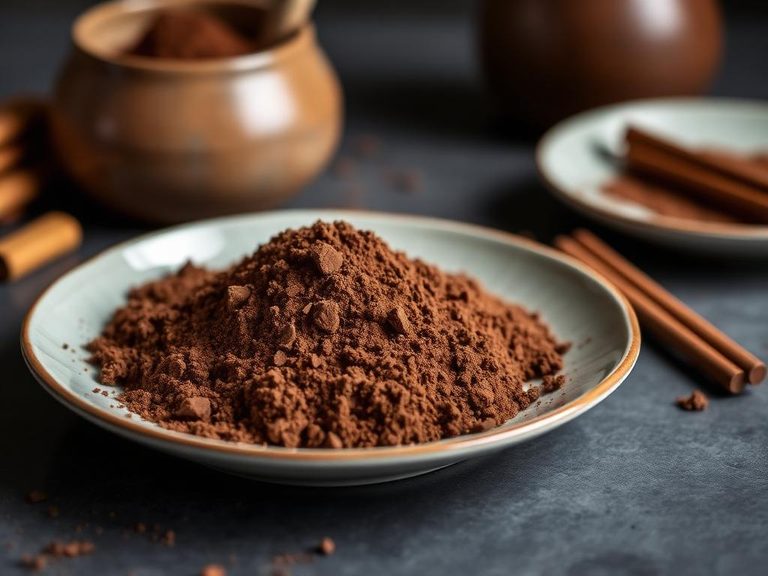
A fine, cocoa-colored powder that transforms into a warm, earthy beverage with a distinct, mildly sweet, and slightly nutty flavor reminiscent of chocolate but without the bitterness. Its texture is smooth when fully dissolved, creating a comforting, milk-like drink. Nutritionally, it's a high-carb, low-fat source with a notable 8g of fiber per 100g, making it a more complex carbohydrate choice than many sweetened mixes.
Calorie split: 2% protein · 98% carbs · 0% fat
↓ Full nutrition💚 Why it's loved
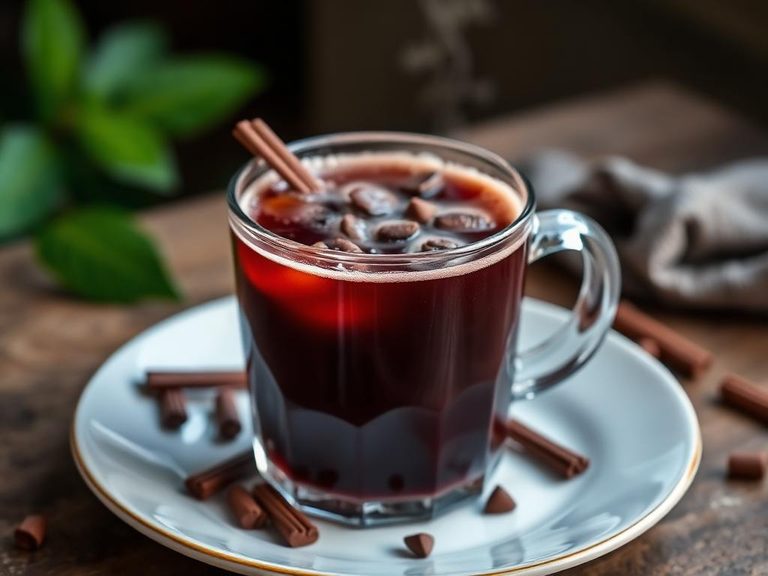
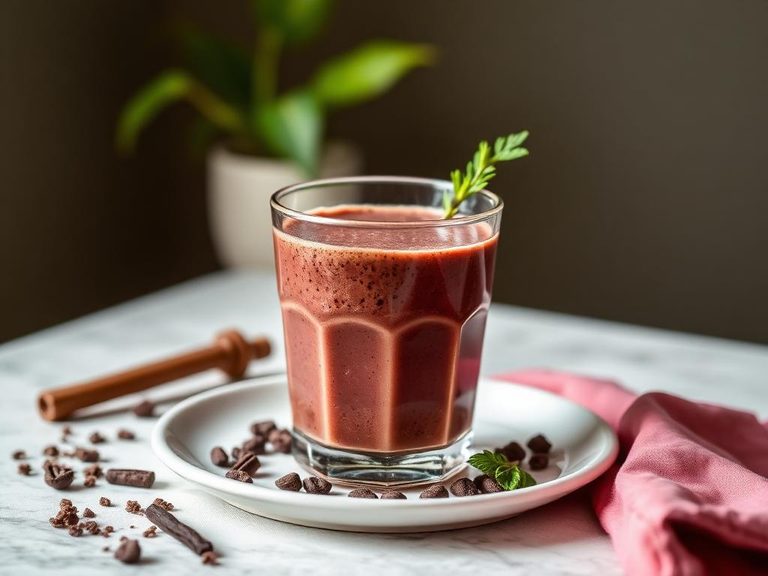
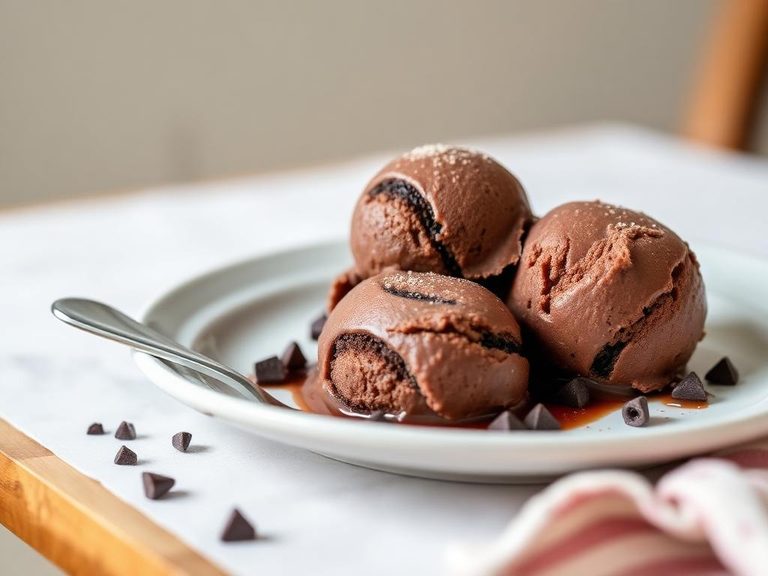
People love it for its unique, comforting flavor that satisfies chocolate cravings in a different way, and its versatility as a warm drink, smoothie base, or baking ingredient. It holds a special place in Mediterranean and Middle Eastern cuisines as a traditional, wholesome beverage.
⚠️ Watch-outs & how to enjoy it better
The primary caution is its very high carbohydrate content (93.3g per 100g), which can cause significant blood-sugar spikes if consumed in large, undiluted servings. To counteract this, always prepare it as a diluted drink (e.g., 1-2 tbsp powder per cup of liquid) and pair it with a source of protein or fat, like milk, nuts, or a dollop of yogurt, to slow sugar absorption.
Key benefits
- Naturally caffeine-free chocolate alternative
- Good source of dietary fiber (8g per 100g)
- Very low in fat (0.2g per 100g)
- Contains minerals like calcium and potassium
- Often used as a cocoa substitute for allergies
🍽️ Popular dishes
🌍 Where it's eaten
💡 Did you know?
Carob pods were historically used as a unit of weight for precious gems and gold, which is the origin of the term 'carat' (from the Greek 'keration', the carob pod).
Full nutrition (USDA data · scales with serving)
| Water | 2.9 g |
| Energy | 372 kcal |
| Energy | 1556 kj |
| Protein | 1.8 g |
| Total lipid (fat) | 0.20 g |
| Ash | 1.9 g |
| Carbohydrate, by difference | 93.3 g |
| Fiber, total dietary | 8.0 g |
| Calcium, Ca | 32.0 mg |
| Iron, Fe | 4.6 mg |
| Magnesium, Mg | 5.0 mg |
| Phosphorus, P | 7.0 mg |
| Potassium, K | 104 mg |
| Sodium, Na | 103 mg |
| Zinc, Zn | 0.08 mg |
| Copper, Cu | 0.06 mg |
| Manganese, Mn | 0.06 mg |
| Selenium, Se | 1.5 ug |
| Vitamin C, total ascorbic acid | 0.00 mg |
| Thiamin | 0.01 mg |
| Riboflavin | 0.00 mg |
| Niacin | 0.76 mg |
| Pantothenic acid | 0.01 mg |
| Vitamin B-6 | 0.12 mg |
| Folate, total | 0.00 ug |
| Folic acid | 0.00 ug |
| Folate, food | 0.00 ug |
| Folate, DFE | 0.00 ug |
| Vitamin B-12 | 0.00 ug |
| Vitamin B-12, added | 0.00 ug |
| Vitamin A, RAE | 0.00 ug |
| Retinol | 0.00 ug |
| Vitamin A, IU | 0.00 iu |
Fat & fatty acid profile (per 100g)
| Fatty acids, total saturated | 0.03 g |
| SFA 14:0 | 0.00 g |
| SFA 16:0 | 0.02 g |
| SFA 18:0 | 0.01 g |
| Fatty acids, total monounsaturated | 0.06 g |
| MUFA 16:1 | 0.00 g |
| MUFA 18:1 | 0.06 g |
| Fatty acids, total polyunsaturated | 0.07 g |
| PUFA 18:2 | 0.07 g |
| PUFA 18:3 | 0.00 g |
| Cholesterol | 0.00 mg |
Amino acid profile (per 100g)
Estimated from Beverages, carbonated, tonic water — USDA does not publish this profile for Beverages.
| Tryptophan | 0.00 g |
| Threonine | 0.00 g |
| Isoleucine | 0.00 g |
| Leucine | 0.00 g |
| Lysine | 0.00 g |
| Methionine | 0.00 g |
| Cystine | 0.00 g |
| Phenylalanine | 0.00 g |
| Tyrosine | 0.00 g |
| Valine | 0.00 g |
| Arginine | 0.00 g |
| Histidine | 0.00 g |
| Alanine | 0.00 g |
| Aspartic acid | 0.00 g |
| Glutamic acid | 0.00 g |
| Glycine | 0.00 g |
| Proline | 0.00 g |
| Serine | 0.00 g |
FAQ
Is carob powder the same as cocoa powder?
No. Carob powder is made from roasted, ground carob pods and is naturally sweet, caffeine-free, and low in fat. Cocoa powder comes from cacao beans, contains caffeine and theobromine, and has a more bitter, complex chocolate flavor.
Can I use carob powder as a 1:1 substitute for cocoa in recipes?
It can be a starting point, but adjustments are often needed. Since carob is sweeter, you may need to reduce sugar in the recipe. Its different texture and lack of fat might require adding a bit more oil or butter for moisture. It's best to find a recipe specifically designed for carob.
Why does my carob drink taste bitter or 'off'?
This can happen if the powder is old, was stored improperly (exposed to air/light), or if the water/milk is too hot, which can scorch the powder. Try using warm, not boiling, liquid and ensure your carob powder is fresh and sealed.
Nutrient density (calculated · NRF9.3)
Nutrient Rich Foods index: beneficial nutrients (protein, fiber, vitamins, minerals) minus saturated fat, added sugar & sodium, per 100 kcal.
NRF9.3 index — Fulgoni, Keast & Drewnowski, 2009. Computed from USDA nutrients.
Weight-loss friendliness (composite index)
Energy density 3.72 kcal/g · 2% calories from protein · 8.0 g fiber · 0.0 g sugar per 100 g.
Composite of energy density (Rolls et al., 1999), protein & fiber satiety, minus sugar. A calculated heuristic — ranks satiety-per-calorie, not a clinical measure.
Dietary load (calculated from USDA values)
Potential renal acid load. Positive = acid-forming, negative = alkaline-forming.
Sodium-to-potassium ratio: 0.99 (lower is better — aim for ≤ 1)
Sodium:potassium per WHO potassium guidance. Computed from USDA nutrients.