

Beans, kidney, mature seeds, sprouted, raw
Whole food · Vegetables and Vegetable Products

Photo: Wikipedia
Kidney bean sprouts are the tender, crunchy shoots that emerge when mature red kidney beans are soaked and germinated. They have a mild, slightly nutty flavor and a satisfyingly crisp texture, much like a milder, less grassy version of a mung bean sprout. Nutritionally, they are a low-calorie source of plant-based protein, offering a fresh alternative to the cooked bean itself.
Calorie split: 45% protein · 44% carbs · 12% fat
↓ Full nutrition💚 Why it's loved
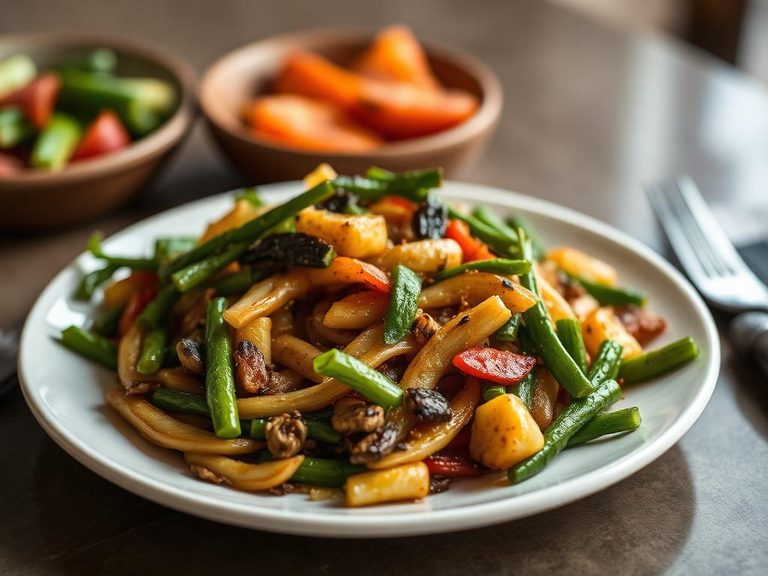
People love them for their fresh, clean crunch that adds texture to salads and stir-fries without overpowering other flavors. They are a versatile, protein-packed ingredient that can be eaten raw or lightly cooked, bridging the gap between a legume and a fresh vegetable.
⚠️ Watch-outs & how to enjoy it better
Raw kidney bean sprouts, like the parent bean, contain lectins (specifically phytohaemagglutinin) which can cause digestive upset if consumed in large quantities without proper preparation. To counteract this, it's crucial to either blanch them briefly in boiling water or ensure they are from a source that has verified safe sprouting protocols. Individuals monitoring blood sugar should also be aware that while sprouting reduces carbs, they are still a carbohydrate source.
Key benefits
- Excellent source of plant-based protein for muscle maintenance.
- Very low in calories, making them ideal for weight management.
- Provides a good source of folate (vitamin B9) for cell function.
- Contains antioxidants like kaempferol that may reduce inflammation.
- Offers a crunchy, raw vegetable option without cooking.
🍽️ Popular dishes
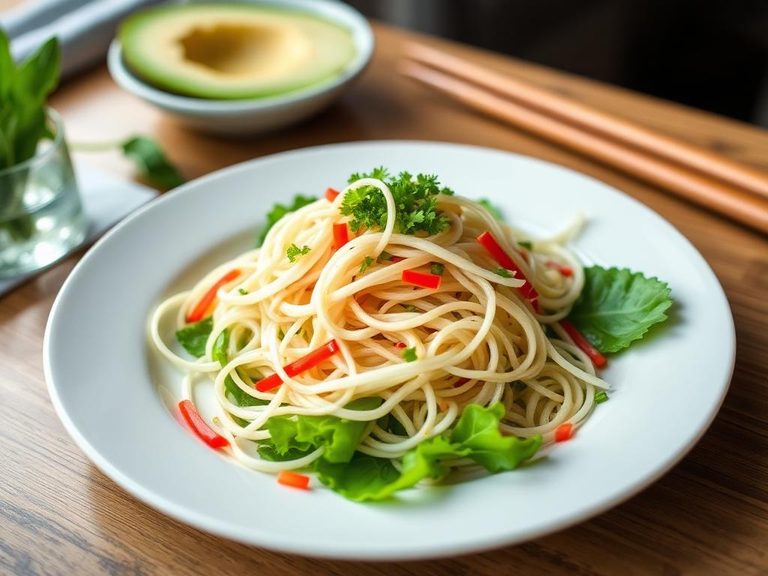
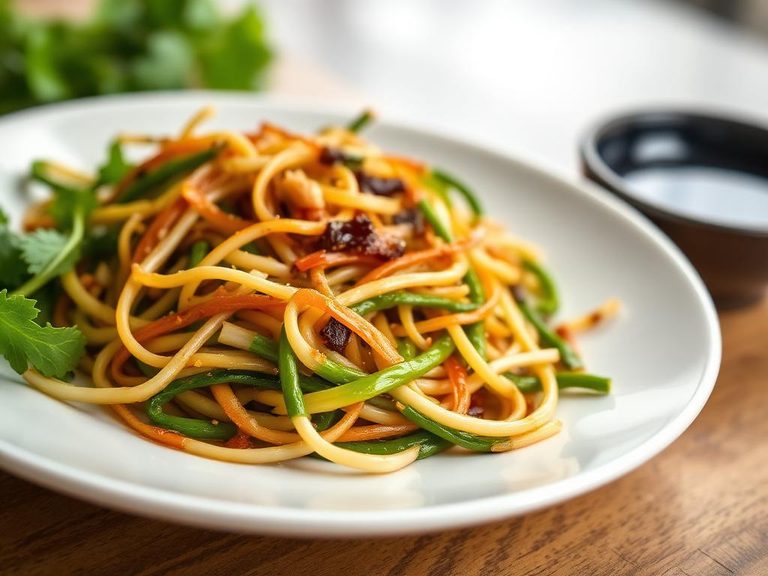
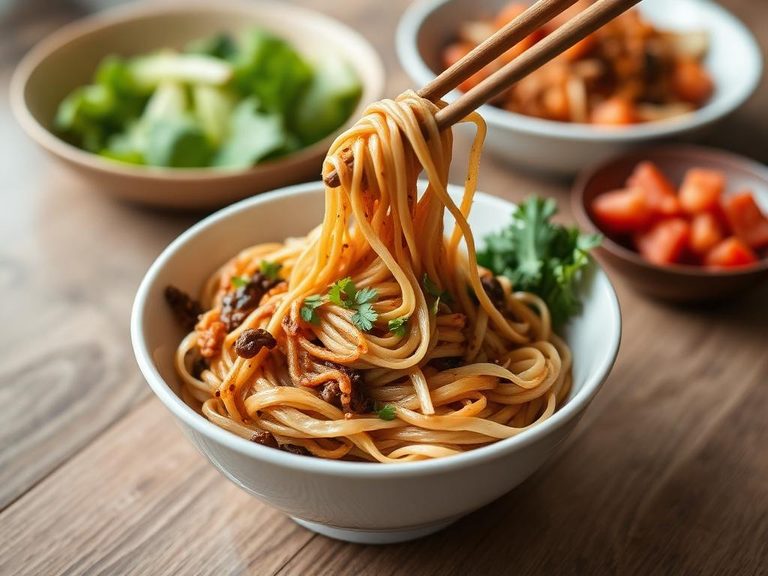
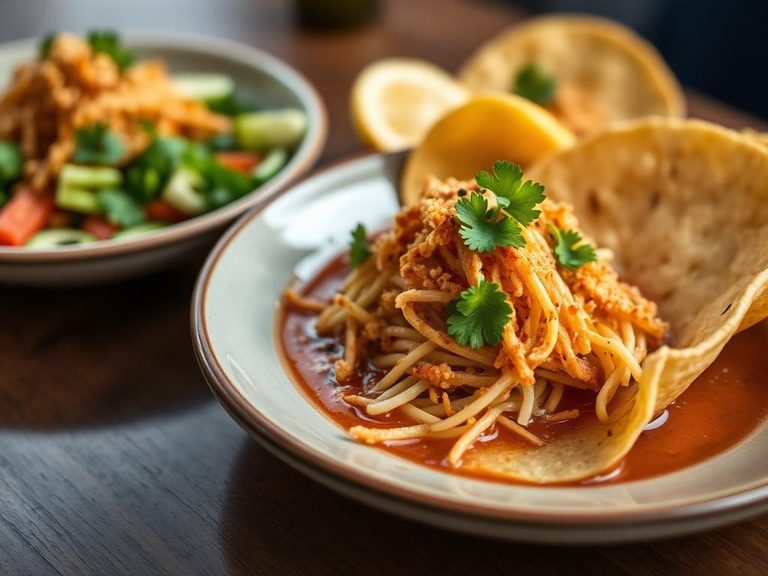
🌍 Where it's eaten
💡 Did you know?
Sprouting kidney beans can reduce their raffinose (a complex sugar) content by up to 75%, which may significantly reduce the gas-producing effects associated with eating beans.
Full nutrition (USDA data · scales with serving)
| Water | 90.7 g |
| Energy | 29.0 kcal |
| Energy | 121 kj |
| Protein | 4.2 g |
| Total lipid (fat) | 0.50 g |
| Ash | 0.50 g |
| Carbohydrate, by difference | 4.1 g |
| Calcium, Ca | 17.0 mg |
| Iron, Fe | 0.81 mg |
| Magnesium, Mg | 21.0 mg |
| Phosphorus, P | 37.0 mg |
| Potassium, K | 187 mg |
| Sodium, Na | 6.0 mg |
| Zinc, Zn | 0.40 mg |
| Copper, Cu | 0.16 mg |
| Manganese, Mn | 0.18 mg |
| Selenium, Se | 0.60 ug |
| Vitamin C, total ascorbic acid | 38.7 mg |
| Thiamin | 0.37 mg |
| Riboflavin | 0.25 mg |
| Niacin | 2.9 mg |
| Pantothenic acid | 0.37 mg |
| Vitamin B-6 | 0.09 mg |
| Folate, total | 59.0 ug |
| Folic acid | 0.00 ug |
| Folate, food | 59.0 ug |
| Folate, DFE | 59.0 ug |
| Vitamin B-12 | 0.00 ug |
| Vitamin A, RAE | 0.00 ug |
| Retinol | 0.00 ug |
| Vitamin A, IU | 2.0 iu |
| Vitamin D (D2 + D3), International Units | 0.00 iu |
| Vitamin D (D2 + D3) | 0.00 ug |
Fat & fatty acid profile (per 100g)
| Fatty acids, total saturated | 0.07 g |
| SFA 16:0 | 0.06 g |
| SFA 18:0 | 0.01 g |
| Fatty acids, total monounsaturated | 0.04 g |
| MUFA 18:1 | 0.04 g |
| Fatty acids, total polyunsaturated | 0.28 g |
| PUFA 18:2 | 0.11 g |
| PUFA 18:3 | 0.17 g |
| Fatty acids, total trans | 0.00 g |
| Cholesterol | 0.00 mg |
Amino acid profile (per 100g)
| Tryptophan | 0.04 g |
| Threonine | 0.18 g |
| Isoleucine | 0.19 g |
| Leucine | 0.30 g |
| Lysine | 0.24 g |
| Methionine | 0.04 g |
| Cystine | 0.05 g |
| Phenylalanine | 0.21 g |
| Tyrosine | 0.14 g |
| Valine | 0.22 g |
| Arginine | 0.23 g |
| Histidine | 0.12 g |
| Alanine | 0.17 g |
| Aspartic acid | 0.55 g |
| Glutamic acid | 0.51 g |
| Glycine | 0.14 g |
| Proline | 0.17 g |
| Serine | 0.22 g |
FAQ
Are raw kidney bean sprouts safe to eat?
They require caution. Unlike mung bean sprouts, kidney bean sprouts must be either very thoroughly cooked (boiled for at least 10 minutes) or sourced from a supplier that guarantees they are safe for raw consumption due to natural lectins. For home sprouting, it's generally recommended to cook them.
How do they differ from cooked kidney beans?
Sprouted raw kidney beans have a crisp, fresh texture and a much milder flavor. Nutritionally, sprouting increases certain vitamins (like B vitamins) and reduces antinutrients, but the calorie and protein content per gram is lower than the dense, cooked bean.
What's the best way to store them?
Store them unwashed in a breathable container or a paper bag in the refrigerator's crisper drawer. They are best used within 2-3 days, as their high moisture content makes them prone to spoilage.
Nutrient density (calculated · NRF9.3)
Nutrient Rich Foods index: beneficial nutrients (protein, fiber, vitamins, minerals) minus saturated fat, added sugar & sodium, per 100 kcal.
NRF9.3 index — Fulgoni, Keast & Drewnowski, 2009. Computed from USDA nutrients.
Weight-loss friendliness (composite index)
Energy density 0.29 kcal/g · 58% calories from protein · 0.0 g fiber · 0.0 g sugar per 100 g.
Composite of energy density (Rolls et al., 1999), protein & fiber satiety, minus sugar. A calculated heuristic — ranks satiety-per-calorie, not a clinical measure.
Dietary load (calculated from USDA values)
Potential renal acid load. Positive = acid-forming, negative = alkaline-forming.
Sodium-to-potassium ratio: 0.03 (lower is better — aim for ≤ 1)
Sodium:potassium per WHO potassium guidance. Computed from USDA nutrients.