

Beans, kidney, california red, mature seeds, raw
Whole food · Legumes and Legume Products

Photo: Wikipedia
California red kidney beans are large, kidney-shaped legumes with a deep, glossy red skin and a creamy, dense interior. When cooked, they offer a hearty, earthy flavor with a subtle nutty sweetness and a satisfying, firm texture. Nutritionally, they are a powerhouse, providing an impressive 24.37g of plant-based protein and a remarkable 24.9g of dietary fiber per 100g of raw seeds.
Calorie split: 29% protein · 71% carbs · 1% fat
↓ Full nutrition💚 Why it's loved
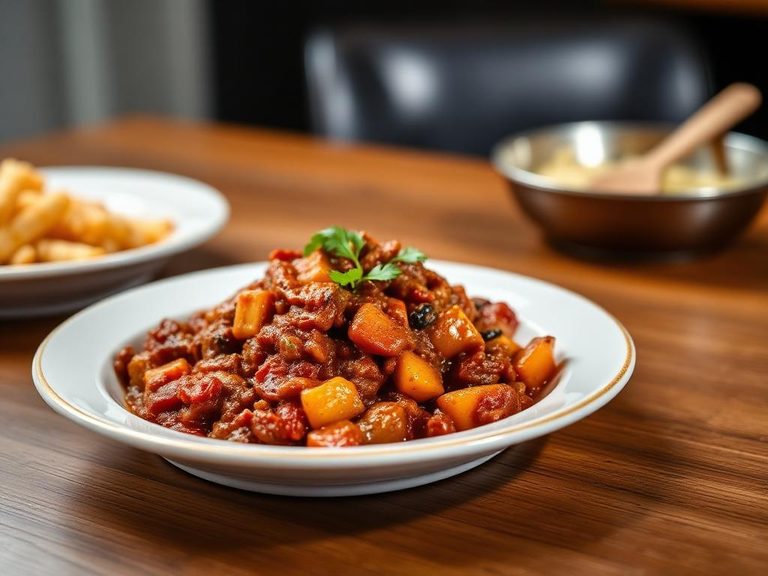
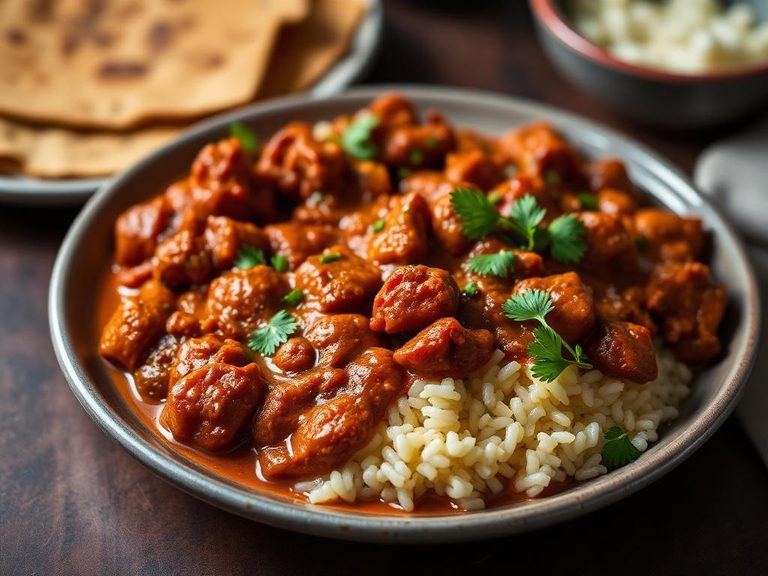
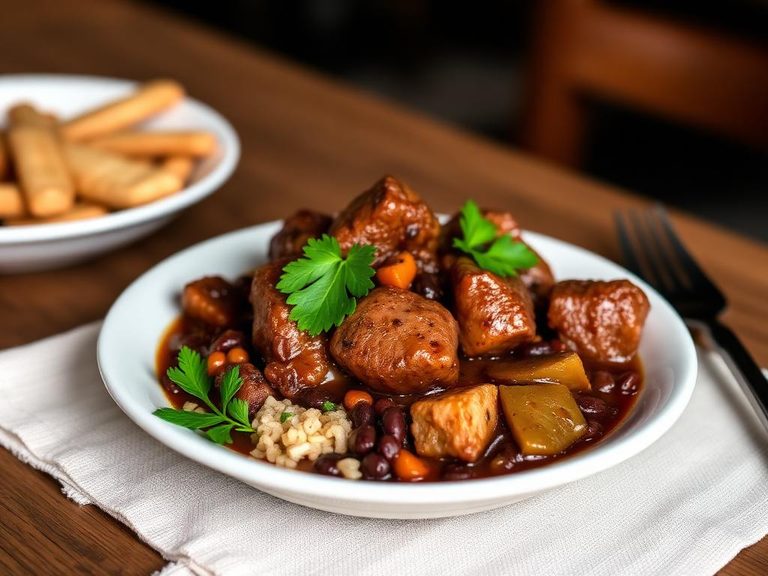
People love California red kidney beans for their robust, meaty texture that holds up beautifully in stews and chilis, and their ability to absorb and complement bold spices and smoky flavors. They are a beloved staple in countless cuisines, forming the hearty backbone of iconic dishes from chili con carne to rajma masala.
⚠️ Watch-outs & how to enjoy it better
Raw kidney beans contain lectins (phytohaemagglutinin) which can cause severe digestive distress; they must be thoroughly boiled or soaked and cooked. Their high fiber content, while beneficial, can cause gas and bloating in some individuals, especially if not accustomed to a high-fiber diet. To counteract this, introduce them gradually, soak dried beans for at least 5 hours and discard the water, and ensure a rolling boil for at least 10 minutes during cooking.
Key benefits
- Exceptional source of plant-based protein for muscle maintenance.
- Extremely high in dietary fiber, promoting digestive health and satiety.
- Rich in complex carbohydrates for sustained energy release.
- Naturally very low in fat, containing only 0.25g per 100g.
- Good source of essential minerals like iron, folate, and magnesium.
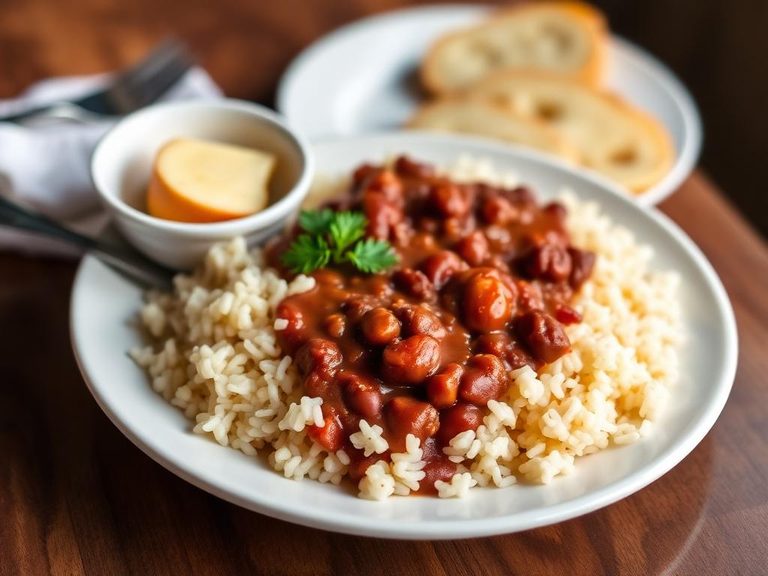
🍽️ Popular dishes
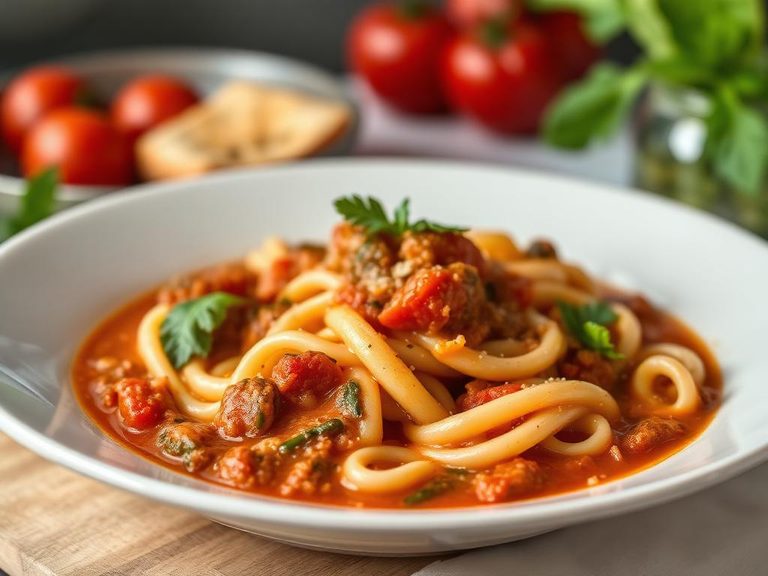
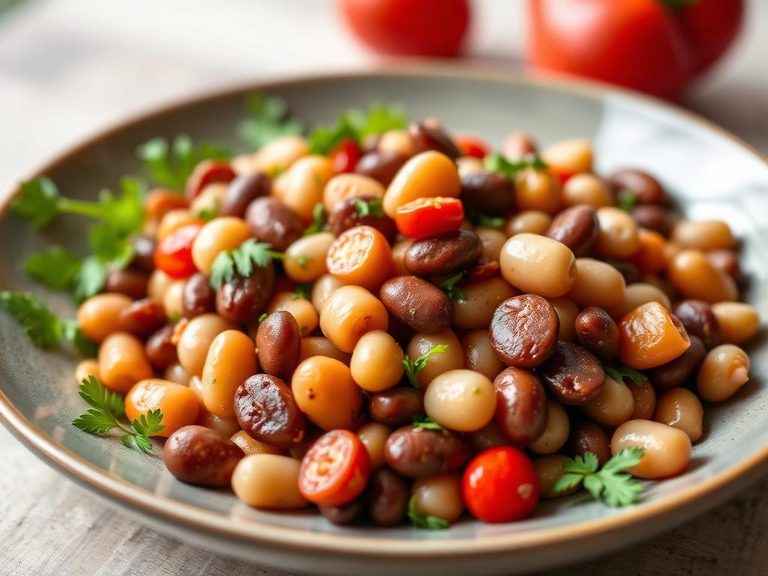
🌍 Where it's eaten
💡 Did you know?
The 'kidney' in their name is purely a shape descriptor; they are not related to kidneys nutritionally, and the name is a direct translation from the French 'haricot rouge à graine rouge'.
Full nutrition (USDA data · scales with serving)
| Water | 11.8 g |
| Energy | 330 kcal |
| Energy | 1381 kj |
| Protein | 24.4 g |
| Total lipid (fat) | 0.25 g |
| Ash | 3.8 g |
| Carbohydrate, by difference | 59.8 g |
| Fiber, total dietary | 24.9 g |
| Calcium, Ca | 195 mg |
| Iron, Fe | 9.3 mg |
| Magnesium, Mg | 160 mg |
| Phosphorus, P | 405 mg |
| Potassium, K | 1490 mg |
| Sodium, Na | 11.0 mg |
| Zinc, Zn | 2.5 mg |
| Copper, Cu | 1.1 mg |
| Manganese, Mn | 1.0 mg |
| Selenium, Se | 3.2 ug |
| Vitamin C, total ascorbic acid | 4.5 mg |
| Thiamin | 0.53 mg |
| Riboflavin | 0.22 mg |
| Niacin | 2.1 mg |
| Pantothenic acid | 0.78 mg |
| Vitamin B-6 | 0.40 mg |
| Folate, total | 394 ug |
| Folic acid | 0.00 ug |
| Folate, food | 394 ug |
| Folate, DFE | 394 ug |
| Vitamin B-12 | 0.00 ug |
| Vitamin A, RAE | 0.00 ug |
| Retinol | 0.00 ug |
| Vitamin A, IU | 8.0 iu |
| Vitamin D (D2 + D3), International Units | 0.00 iu |
| Vitamin D (D2 + D3) | 0.00 ug |
Fat & fatty acid profile (per 100g)
| Fatty acids, total saturated | 0.04 g |
| SFA 16:0 | 0.03 g |
| SFA 18:0 | 0.00 g |
| Fatty acids, total monounsaturated | 0.02 g |
| MUFA 18:1 | 0.02 g |
| Fatty acids, total polyunsaturated | 0.14 g |
| PUFA 18:2 | 0.05 g |
| PUFA 18:3 | 0.08 g |
| Fatty acids, total trans | 0.00 g |
| Cholesterol | 0.00 mg |
Amino acid profile (per 100g)
| Tryptophan | 0.29 g |
| Threonine | 1.0 g |
| Isoleucine | 1.1 g |
| Leucine | 1.9 g |
| Lysine | 1.7 g |
| Methionine | 0.37 g |
| Cystine | 0.27 g |
| Phenylalanine | 1.3 g |
| Tyrosine | 0.69 g |
| Valine | 1.3 g |
| Arginine | 1.5 g |
| Histidine | 0.68 g |
| Alanine | 1.0 g |
| Aspartic acid | 2.9 g |
| Glutamic acid | 3.7 g |
| Glycine | 0.95 g |
| Proline | 1.0 g |
| Serine | 1.3 g |
FAQ
Why must dried kidney beans be soaked and boiled properly?
Raw and undercooked kidney beans contain a natural toxin called phytohaemagglutinin (a lectin), which can cause severe nausea, vomiting, and stomach pain. Soaking and then boiling for at least 10 minutes deactivates this toxin, making them safe and digestible.
What's the difference between red kidney beans and small red beans?
While similar, California red kidney beans are larger, more kidney-shaped, and have a slightly thicker skin and meatier texture. Small red beans (like those used in 'red beans and rice') are smaller, rounder, and tend to cook to a softer, creamier consistency.
How can I reduce the gas-causing effects of kidney beans?
Soak dried beans for 8-12 hours, discard the soaking water, and rinse well. Cooking them thoroughly and starting with small portions allows your digestive system to adjust. Adding spices like cumin, ginger, or asafoetida (hing) in some cuisines can also help.
Nutrient density (calculated · NRF9.3)
Nutrient Rich Foods index: beneficial nutrients (protein, fiber, vitamins, minerals) minus saturated fat, added sugar & sodium, per 100 kcal.
NRF9.3 index — Fulgoni, Keast & Drewnowski, 2009. Computed from USDA nutrients.
Weight-loss friendliness (composite index)
Energy density 3.30 kcal/g · 30% calories from protein · 24.9 g fiber · 0.0 g sugar per 100 g.
Composite of energy density (Rolls et al., 1999), protein & fiber satiety, minus sugar. A calculated heuristic — ranks satiety-per-calorie, not a clinical measure.
Dietary load (calculated from USDA values)
Potential renal acid load. Positive = acid-forming, negative = alkaline-forming.
Sodium-to-potassium ratio: 0.01 (lower is better — aim for ≤ 1)
Sodium:potassium per WHO potassium guidance. Computed from USDA nutrients.