

Beans, kidney, california red, mature seeds, cooked, boiled, without salt
Whole food · Legumes and Legume Products

Photo: Wikipedia
The California Red kidney bean, when cooked, is a plump, deep crimson legume with a creamy, starchy texture and a mild, earthy flavor. It's a nutritional powerhouse, offering a substantial 9.13 grams of plant-based protein and an impressive 9.3 grams of fiber per 100g serving, all for just 124 calories. Its robust structure holds up beautifully in hearty dishes.
Calorie split: 29% protein · 71% carbs · 1% fat
↓ Full nutrition💚 Why it's loved
People love these beans for their satisfying, meaty bite and ability to absorb the flavors of spices and broths in stews and chilis. They are a beloved, affordable staple in countless cuisines, forming the hearty backbone of comforting, one-pot meals.
⚠️ Watch-outs & how to enjoy it better
Like all beans, they contain lectins and oligosaccharides that can cause digestive gas and bloating if not prepared properly. To counteract this, always soak dried beans for at least 8 hours (or overnight) and discard the soaking water, then boil them vigorously for at least 10 minutes before simmering. Those monitoring blood sugar should pair them with non-starchy vegetables and a source of fat or protein to moderate the glycemic response.
Key benefits
- Excellent source of plant-based protein for muscle maintenance.
- High in dietary fiber to support digestive health and satiety.
- Rich in iron and folate, essential for energy and cell function.
- Low in fat and contains no cholesterol.
- Provides complex carbohydrates for sustained energy release.
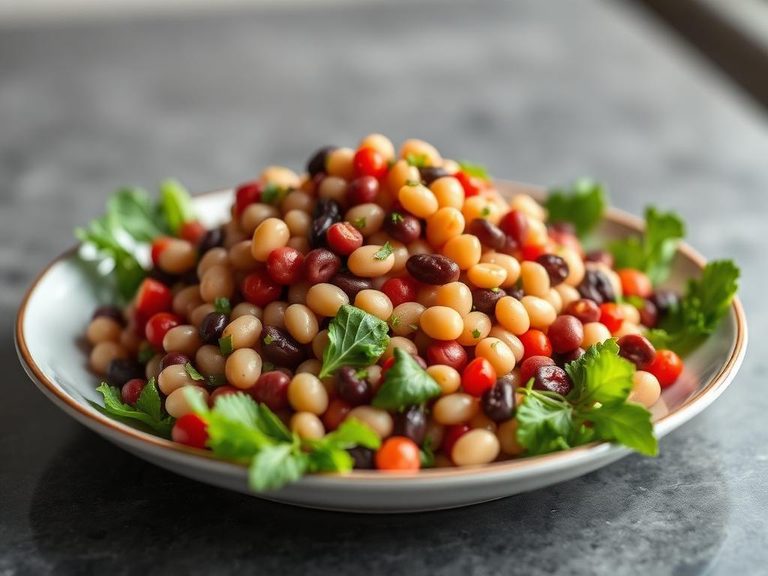
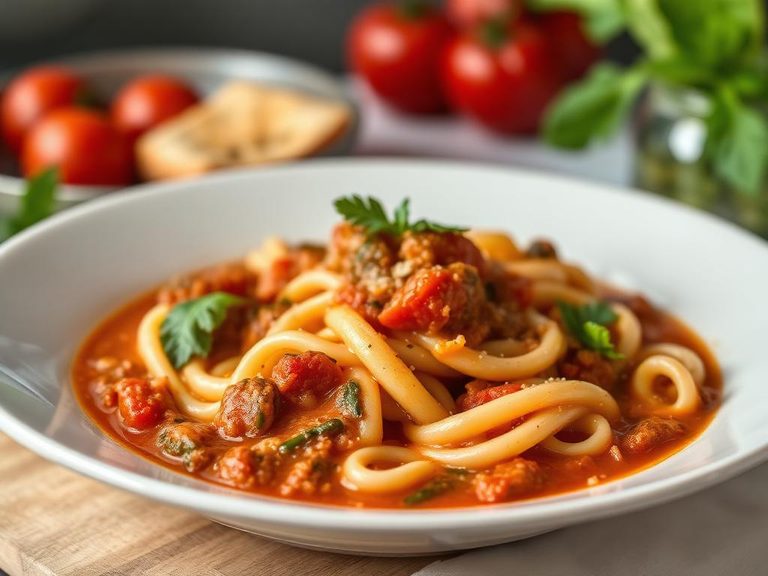
🍽️ Popular dishes
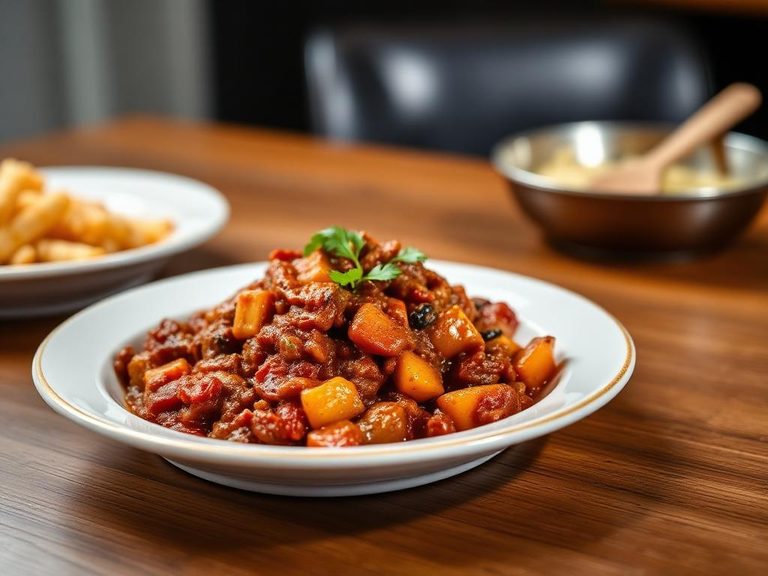
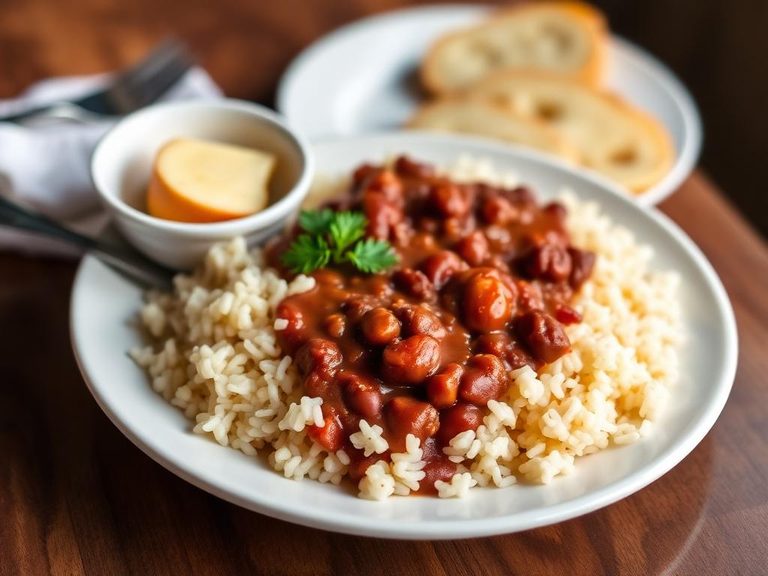
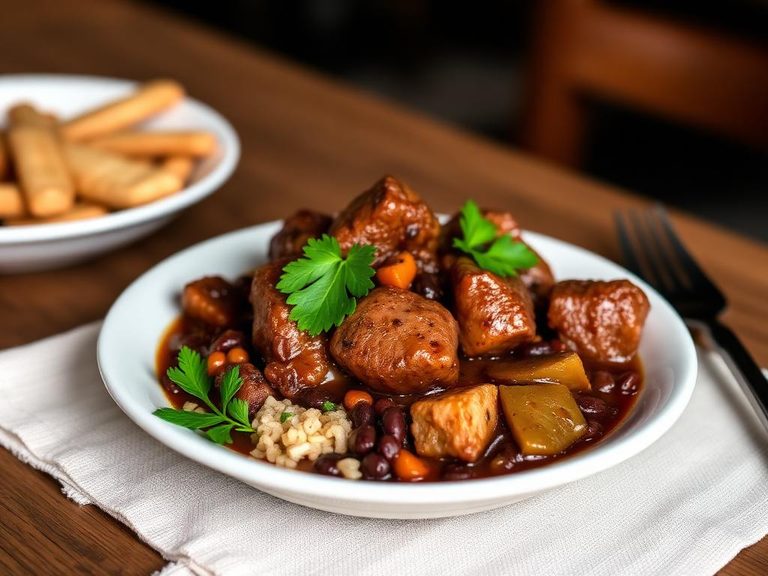
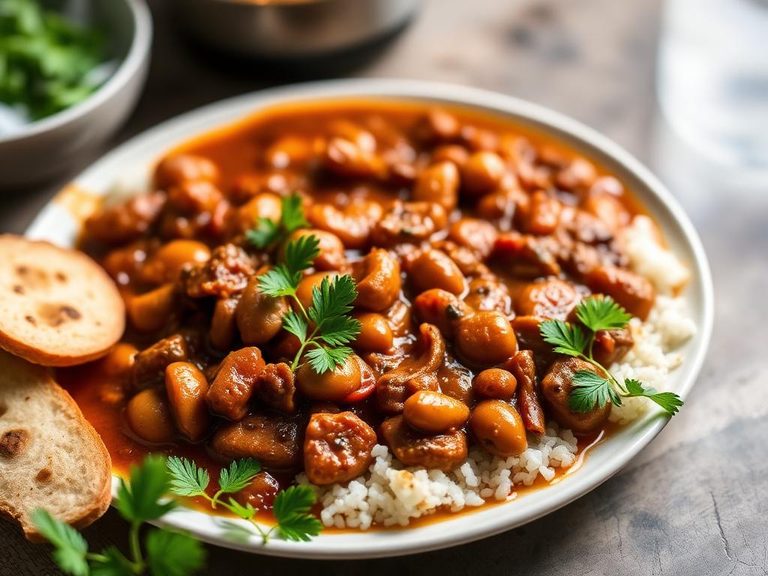
🌍 Where it's eaten
💡 Did you know?
The 'California Red' is a specific cultivar prized for its uniform, bright red color and ability to hold its shape during cooking, making it a favorite for canned beans and visually striking salads.
Full nutrition (USDA data · scales with serving)
| Water | 66.9 g |
| Energy | 124 kcal |
| Energy | 519 kj |
| Protein | 9.1 g |
| Total lipid (fat) | 0.09 g |
| Ash | 1.4 g |
| Carbohydrate, by difference | 22.4 g |
| Fiber, total dietary | 9.3 g |
| Calcium, Ca | 66.0 mg |
| Iron, Fe | 3.0 mg |
| Magnesium, Mg | 48.0 mg |
| Phosphorus, P | 137 mg |
| Potassium, K | 419 mg |
| Sodium, Na | 4.0 mg |
| Zinc, Zn | 0.86 mg |
| Copper, Cu | 0.29 mg |
| Manganese, Mn | 0.32 mg |
| Selenium, Se | 1.2 ug |
| Vitamin C, total ascorbic acid | 1.2 mg |
| Thiamin | 0.13 mg |
| Riboflavin | 0.06 mg |
| Niacin | 0.54 mg |
| Pantothenic acid | 0.22 mg |
| Vitamin B-6 | 0.10 mg |
| Folate, total | 74.0 ug |
| Folic acid | 0.00 ug |
| Folate, food | 74.0 ug |
| Folate, DFE | 74.0 ug |
| Vitamin B-12 | 0.00 ug |
| Vitamin A, RAE | 0.00 ug |
| Retinol | 0.00 ug |
| Vitamin A, IU | 3.0 iu |
| Vitamin D (D2 + D3), International Units | 0.00 iu |
| Vitamin D (D2 + D3) | 0.00 ug |
Fat & fatty acid profile (per 100g)
| Fatty acids, total saturated | 0.01 g |
| SFA 16:0 | 0.01 g |
| SFA 18:0 | 0.00 g |
| Fatty acids, total monounsaturated | 0.01 g |
| MUFA 18:1 | 0.01 g |
| Fatty acids, total polyunsaturated | 0.05 g |
| PUFA 18:2 | 0.02 g |
| PUFA 18:3 | 0.03 g |
| Fatty acids, total trans | 0.00 g |
| Cholesterol | 0.00 mg |
Amino acid profile (per 100g)
| Tryptophan | 0.11 g |
| Threonine | 0.38 g |
| Isoleucine | 0.40 g |
| Leucine | 0.73 g |
| Lysine | 0.63 g |
| Methionine | 0.14 g |
| Cystine | 0.10 g |
| Phenylalanine | 0.49 g |
| Tyrosine | 0.26 g |
| Valine | 0.48 g |
| Arginine | 0.56 g |
| Histidine | 0.25 g |
| Alanine | 0.38 g |
| Aspartic acid | 1.1 g |
| Glutamic acid | 1.4 g |
| Glycine | 0.36 g |
| Proline | 0.39 g |
| Serine | 0.50 g |
FAQ
What's the difference between kidney beans and red beans?
Kidney beans (like the California Red) are larger, kidney-shaped, and have a thicker skin. 'Red beans' often refer to smaller, rounder beans like small red beans, which are creamier and commonly used in dishes like red beans and rice.
Are canned kidney beans as nutritious as dried?
Yes, canned kidney beans retain most of their nutrients, including protein and fiber. They are a convenient, pre-cooked option. Look for low-sodium or no-salt-added varieties and rinse them before use to reduce sodium content by up to 40%.
Why must kidney beans be boiled properly?
Raw or undercooked kidney beans contain high levels of phytohaemagglutinin, a lectin that can cause severe nausea and vomiting. Soaking and then boiling vigorously for at least 10 minutes (then simmering until tender) destroys this toxin, making the beans safe to eat.
Nutrient density (calculated · NRF9.3)
Nutrient Rich Foods index: beneficial nutrients (protein, fiber, vitamins, minerals) minus saturated fat, added sugar & sodium, per 100 kcal.
NRF9.3 index — Fulgoni, Keast & Drewnowski, 2009. Computed from USDA nutrients.
Weight-loss friendliness (composite index)
Energy density 1.24 kcal/g · 29% calories from protein · 9.3 g fiber · 0.0 g sugar per 100 g.
Composite of energy density (Rolls et al., 1999), protein & fiber satiety, minus sugar. A calculated heuristic — ranks satiety-per-calorie, not a clinical measure.
Dietary load (calculated from USDA values)
Potential renal acid load. Positive = acid-forming, negative = alkaline-forming.
Sodium-to-potassium ratio: 0.01 (lower is better — aim for ≤ 1)
Sodium:potassium per WHO potassium guidance. Computed from USDA nutrients.