

Beans, cranberry (roman), mature seeds, cooked, boiled, with salt
Whole food · Legumes and Legume Products

Photo: Wikipedia
Cranberry beans, also known as Roman beans, are medium-sized, oval beans with a distinctive reddish-brown splash on a creamy beige shell. When cooked, they develop a soft, creamy texture and a mild, slightly nutty flavor that absorbs seasonings beautifully. They are a notable source of plant-based protein and dietary fiber, with a very low fat content.
Calorie split: 27% protein · 70% carbs · 3% fat
↓ Full nutrition💚 Why it's loved
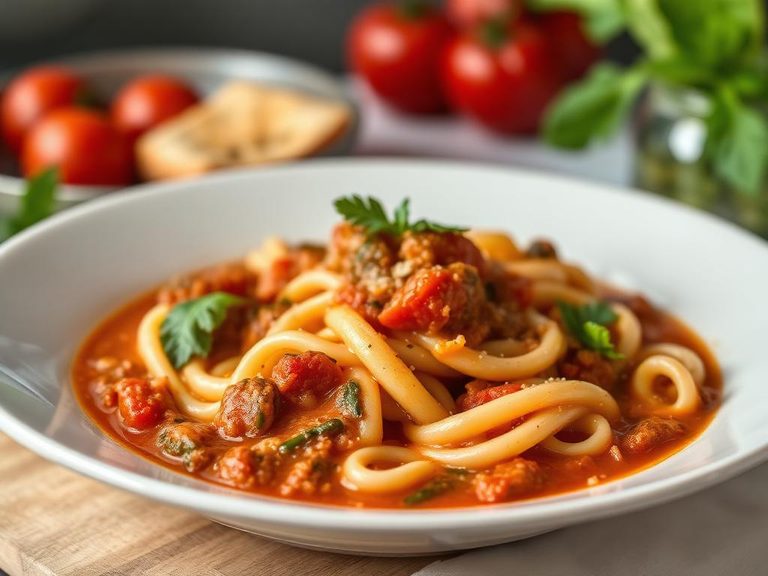
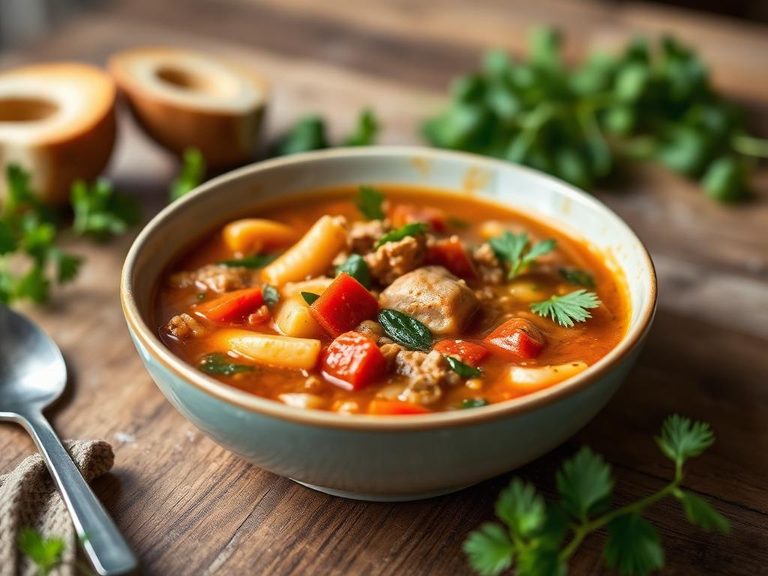
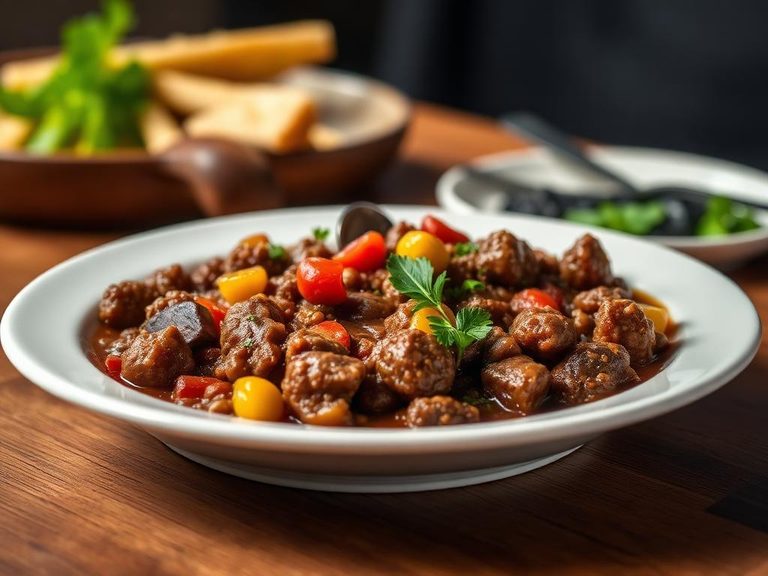
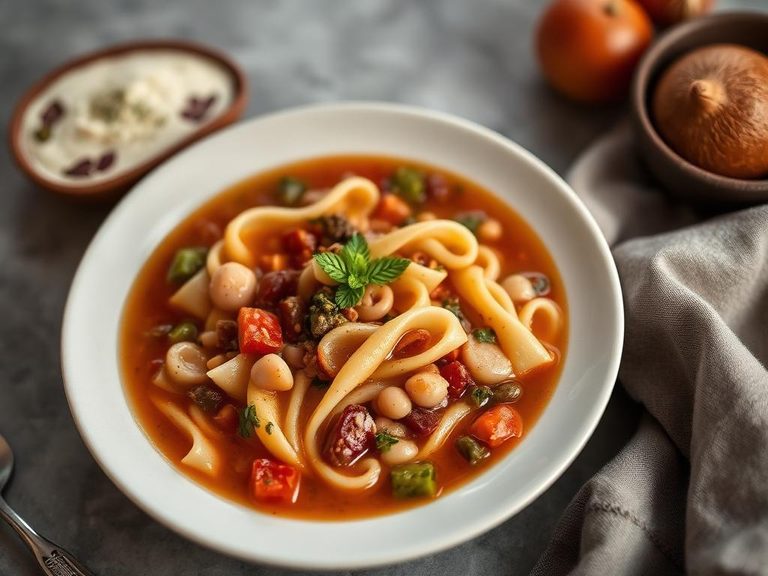
People love cranberry beans for their delicate, creamy texture and mild flavor that acts as a perfect canvas for robust herbs, garlic, and olive oil in hearty stews and salads. They are a staple in rustic Italian and Portuguese cooking, embodying comforting, home-style cuisine.
⚠️ Watch-outs & how to enjoy it better
As a legume, they contain oligosaccharides that can cause gas and bloating in some individuals; soaking dried beans overnight and discarding the water can help reduce this. The canned variety listed has added salt (sodium), so those monitoring intake should look for 'no salt added' versions or rinse them thoroughly under water.
Key benefits
- Excellent source of dietary fiber (8.6g per 100g)
- Good plant-based protein source (9.34g per 100g)
- Very low in fat (0.46g per 100g)
- Provides complex carbohydrates for sustained energy
- Naturally sugar-free
🍽️ Popular dishes
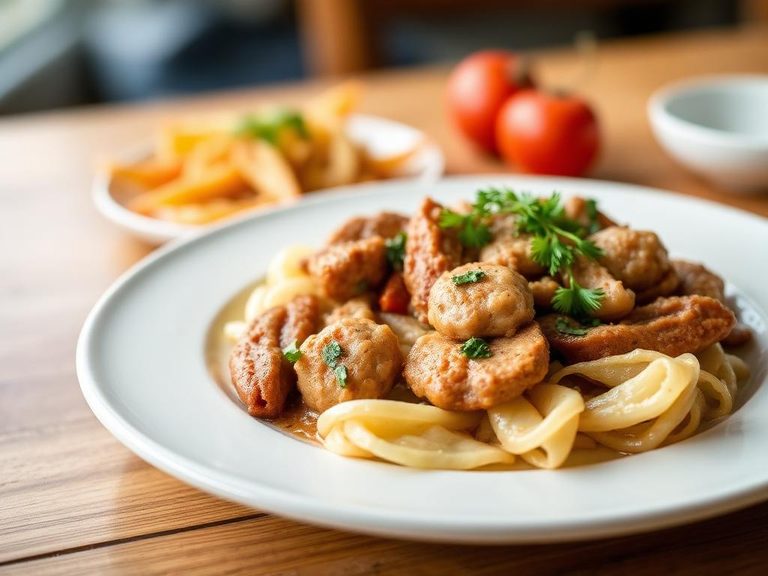
🌍 Where it's eaten
💡 Did you know?
Despite their name, cranberry beans are not related to cranberries; they are named for their cranberry-like color pattern on the shell.
Full nutrition (USDA data · scales with serving)
| Water | 64.7 g |
| Energy | 136 kcal |
| Energy | 569 kj |
| Protein | 9.3 g |
| Total lipid (fat) | 0.46 g |
| Ash | 1.1 g |
| Carbohydrate, by difference | 24.5 g |
| Fiber, total dietary | 8.6 g |
| Calcium, Ca | 50.0 mg |
| Iron, Fe | 2.1 mg |
| Magnesium, Mg | 50.0 mg |
| Phosphorus, P | 135 mg |
| Potassium, K | 387 mg |
| Sodium, Na | 237 mg |
| Zinc, Zn | 1.1 mg |
| Copper, Cu | 0.23 mg |
| Manganese, Mn | 0.37 mg |
| Selenium, Se | 1.3 ug |
| Vitamin C, total ascorbic acid | 0.00 mg |
| Thiamin | 0.21 mg |
| Riboflavin | 0.07 mg |
| Niacin | 0.52 mg |
| Pantothenic acid | 0.24 mg |
| Vitamin B-6 | 0.08 mg |
| Folate, total | 207 ug |
| Folic acid | 0.00 ug |
| Folate, food | 207 ug |
| Folate, DFE | 207 ug |
| Vitamin B-12 | 0.00 ug |
| Retinol | 0.00 ug |
| Vitamin A, IU | 0.00 iu |
| Vitamin D (D2 + D3), International Units | 0.00 iu |
| Vitamin D (D2 + D3) | 0.00 ug |
Fat & fatty acid profile (per 100g)
| Fatty acids, total saturated | 0.12 g |
| SFA 14:0 | 0.00 g |
| SFA 16:0 | 0.11 g |
| SFA 18:0 | 0.01 g |
| Fatty acids, total monounsaturated | 0.04 g |
| MUFA 18:1 | 0.04 g |
| Fatty acids, total polyunsaturated | 0.20 g |
| PUFA 18:2 | 0.11 g |
| PUFA 18:3 | 0.09 g |
| Fatty acids, total trans | 0.00 g |
| Cholesterol | 0.00 mg |
Amino acid profile (per 100g)
| Tryptophan | 0.11 g |
| Threonine | 0.39 g |
| Isoleucine | 0.41 g |
| Leucine | 0.75 g |
| Lysine | 0.64 g |
| Methionine | 0.14 g |
| Cystine | 0.10 g |
| Phenylalanine | 0.51 g |
| Tyrosine | 0.26 g |
| Valine | 0.49 g |
| Arginine | 0.58 g |
| Histidine | 0.26 g |
| Alanine | 0.39 g |
| Aspartic acid | 1.1 g |
| Glutamic acid | 1.4 g |
| Glycine | 0.36 g |
| Proline | 0.40 g |
| Serine | 0.51 g |
FAQ
Are cranberry beans the same as borlotti beans?
Yes, 'cranberry bean' and 'borlotti bean' are common names for the same variety (Phaseolus vulgaris), known for its speckled shell.
Do I need to soak dried cranberry beans before cooking?
Yes, soaking dried beans for at least 8 hours (or overnight) in cold water helps soften them, reduces cooking time, and can make them easier to digest.
What is the difference between canned and dried cranberry beans?
Canned beans are pre-cooked and ready to eat but often contain added salt. Dried beans require soaking and longer cooking but offer more control over texture and sodium content.
Nutrient density (calculated · NRF9.3)
Nutrient Rich Foods index: beneficial nutrients (protein, fiber, vitamins, minerals) minus saturated fat, added sugar & sodium, per 100 kcal.
NRF9.3 index — Fulgoni, Keast & Drewnowski, 2009. Computed from USDA nutrients.
Weight-loss friendliness (composite index)
Energy density 1.36 kcal/g · 27% calories from protein · 8.6 g fiber · 0.0 g sugar per 100 g.
Composite of energy density (Rolls et al., 1999), protein & fiber satiety, minus sugar. A calculated heuristic — ranks satiety-per-calorie, not a clinical measure.
Dietary load (calculated from USDA values)
Potential renal acid load. Positive = acid-forming, negative = alkaline-forming.
Sodium-to-potassium ratio: 0.61 (lower is better — aim for ≤ 1)
Sodium:potassium per WHO potassium guidance. Computed from USDA nutrients.