Fish, salmon, pink, canned, without salt, solids with bone and liquid
Whole food · Finfish and Shellfish Products

Photo: Wikipedia
This is pink salmon canned with its edible bones and natural broth, offering a tender, flaky texture and a rich, savory flavor. It's a nutritional powerhouse, delivering an impressive 19.78 grams of protein per 100g with zero carbohydrates, making it ideal for low-carb and high-protein diets.
💚 Why it's loved
People love it for its deep, umami-rich flavor and the convenience of having a ready-to-eat, nutrient-dense meal. Its versatility allows it to be used in everything from simple salads to warm, comforting casseroles.
⚠️ Watch-outs & how to enjoy it better
The primary concern is the potential for very high sodium content in many canned varieties, which can contribute to high blood pressure. To counteract this, always choose 'no salt added' or 'low sodium' versions, and rinse the fish under water before use to reduce sodium by up to 40%.
Key benefits
- Excellent source of complete protein for muscle maintenance.
- Rich in calcium due to the softened, edible bones.
- Provides heart-healthy omega-3 fatty acids (EPA & DHA).
- Zero-carb, making it suitable for ketogenic diets.
- Convenient, shelf-stable source of lean protein.
🍽️ Popular dishes
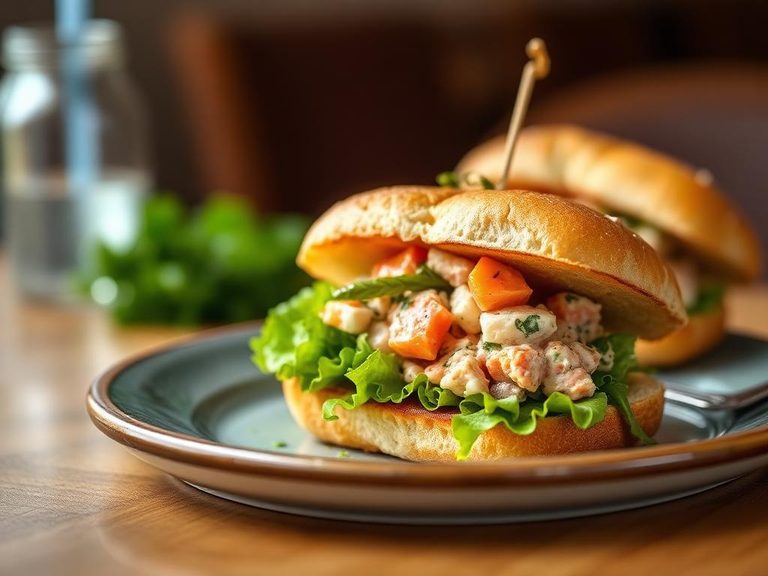
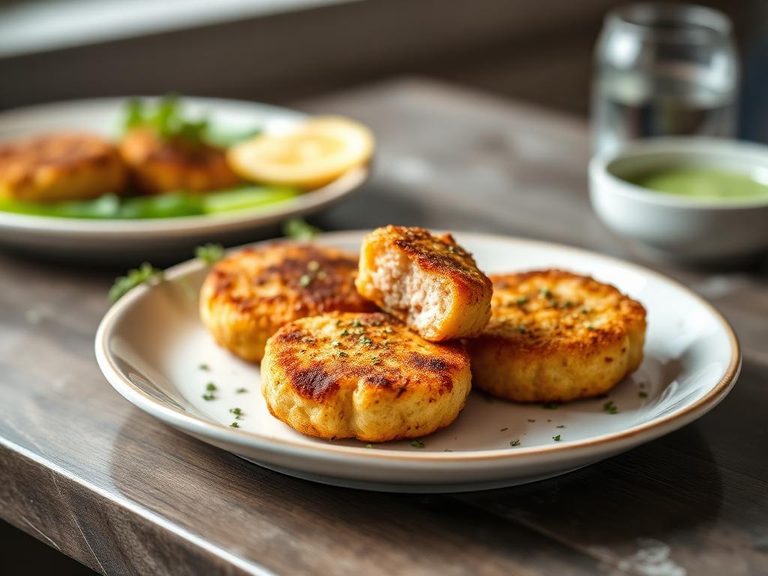
🌍 Where it's eaten
💡 Did you know?
The soft, edible bones in canned salmon are a surprisingly potent source of calcium—providing about 18% of the daily value per 100g, rivaling dairy products.
Full nutrition (scales with serving)
| Water | 70.0 g |
| Energy | 139 kcal |
| Energy | 582 kj |
| Protein | 19.8 g |
| Total lipid (fat) | 6.0 g |
| Ash | 1.4 g |
| Carbohydrate, by difference | 0.00 g |
| Fiber, total dietary | 0.00 g |
| Calcium, Ca | 213 mg |
| Iron, Fe | 0.84 mg |
| Magnesium, Mg | 34.0 mg |
| Phosphorus, P | 329 mg |
| Potassium, K | 326 mg |
| Sodium, Na | 75.0 mg |
| Zinc, Zn | 0.92 mg |
| Copper, Cu | 0.10 mg |
| Manganese, Mn | 0.02 mg |
| Selenium, Se | 33.2 ug |
| Vitamin C, total ascorbic acid | 0.00 mg |
| Thiamin | 0.02 mg |
| Riboflavin | 0.19 mg |
| Niacin | 6.5 mg |
| Pantothenic acid | 0.55 mg |
| Vitamin B-6 | 0.30 mg |
| Folate, total | 15.0 ug |
| Folic acid | 0.00 ug |
| Folate, food | 15.0 ug |
| Folate, DFE | 15.0 ug |
| Vitamin B-12 | 4.4 ug |
| Vitamin A, RAE | 17.0 ug |
| Retinol | 17.0 ug |
| Vitamin A, IU | 55.0 iu |
Fat & fatty acid profile (per 100g)
| Fatty acids, total saturated | 1.5 g |
| SFA 14:0 | 0.05 g |
| SFA 16:0 | 1.4 g |
| SFA 18:0 | 0.14 g |
| Fatty acids, total monounsaturated | 1.8 g |
| MUFA 16:1 | 0.47 g |
| MUFA 18:1 | 1.1 g |
| MUFA 20:1 | 0.27 g |
| MUFA 22:1 | 0.02 g |
| Fatty acids, total polyunsaturated | 2.0 g |
| PUFA 18:2 | 0.06 g |
| PUFA 18:3 | 0.06 g |
| PUFA 18:4 | 0.14 g |
| PUFA 20:4 | 0.08 g |
| PUFA 20:5 n-3 (EPA) | 0.84 g |
| PUFA 22:5 n-3 (DPA) | 0.05 g |
| PUFA 22:6 n-3 (DHA) | 0.81 g |
| Cholesterol | 55.0 mg |
Amino acid profile (per 100g)
| Tryptophan | 0.22 g |
| Threonine | 0.87 g |
| Isoleucine | 0.91 g |
| Leucine | 1.6 g |
| Lysine | 1.8 g |
| Methionine | 0.59 g |
| Cystine | 0.21 g |
| Phenylalanine | 0.77 g |
| Tyrosine | 0.67 g |
| Valine | 1.0 g |
| Arginine | 1.2 g |
| Histidine | 0.58 g |
| Alanine | 1.2 g |
| Aspartic acid | 2.0 g |
| Glutamic acid | 3.0 g |
| Glycine | 0.95 g |
| Proline | 0.70 g |
| Serine | 0.81 g |
FAQ
Is the liquid in the can safe to consume?
Yes, the liquid is the natural broth or oil the salmon was cooked in, containing flavor and nutrients like omega-3s. You can use it in recipes or drain it off.
What's the difference between pink and red (sockeye) canned salmon?
Pink salmon is milder in flavor and lighter in color, while sockeye (red) has a deeper, richer taste and a more vibrant red-orange hue. Nutritionally, they are very similar.
How do I reduce the 'fishy' taste?
Rinsing the salmon thoroughly under cold water and patting it dry can significantly reduce any strong fishy odor or flavor. Adding a squeeze of lemon juice or fresh herbs when serving also brightens the taste.